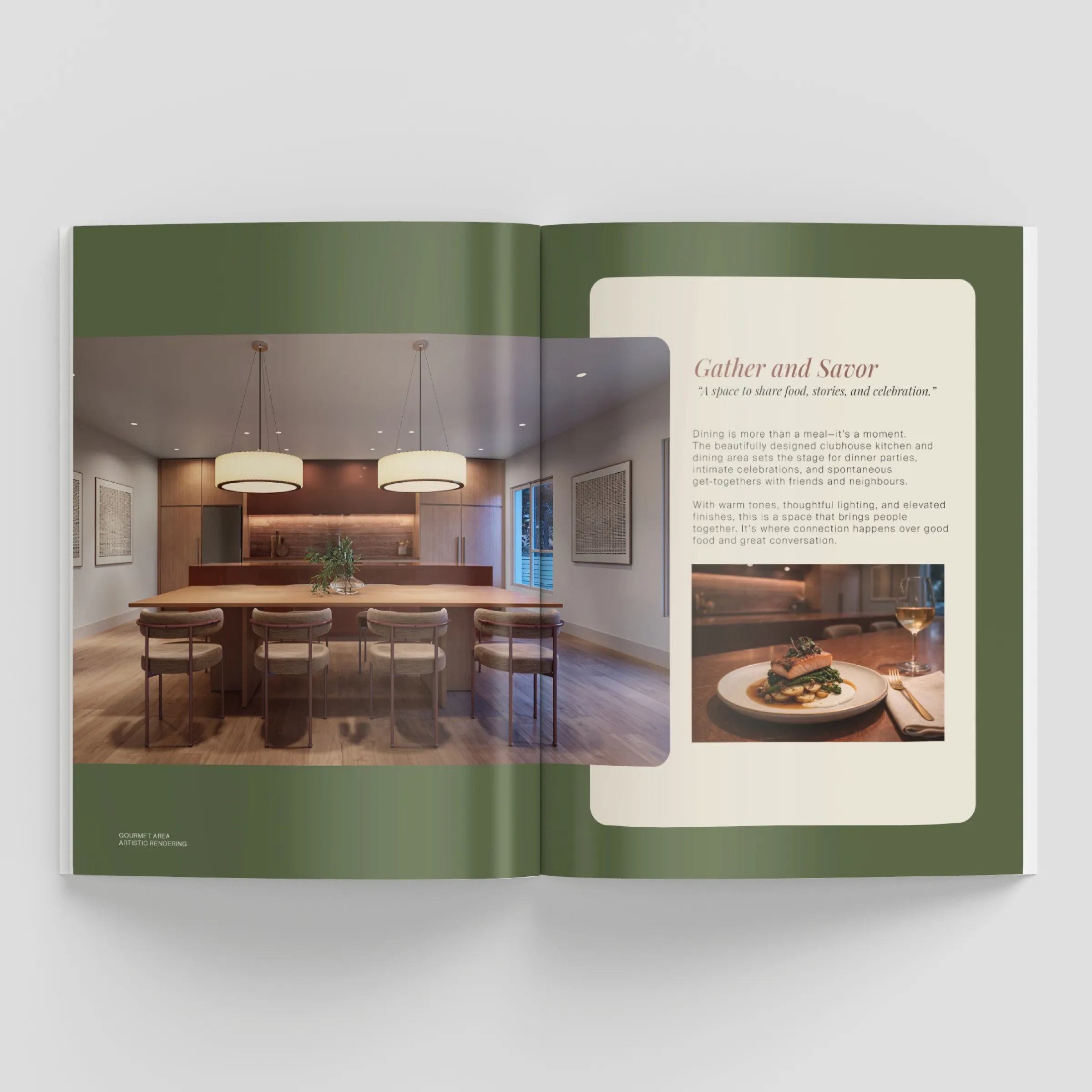
Is the furniture custom-modeled to our design?
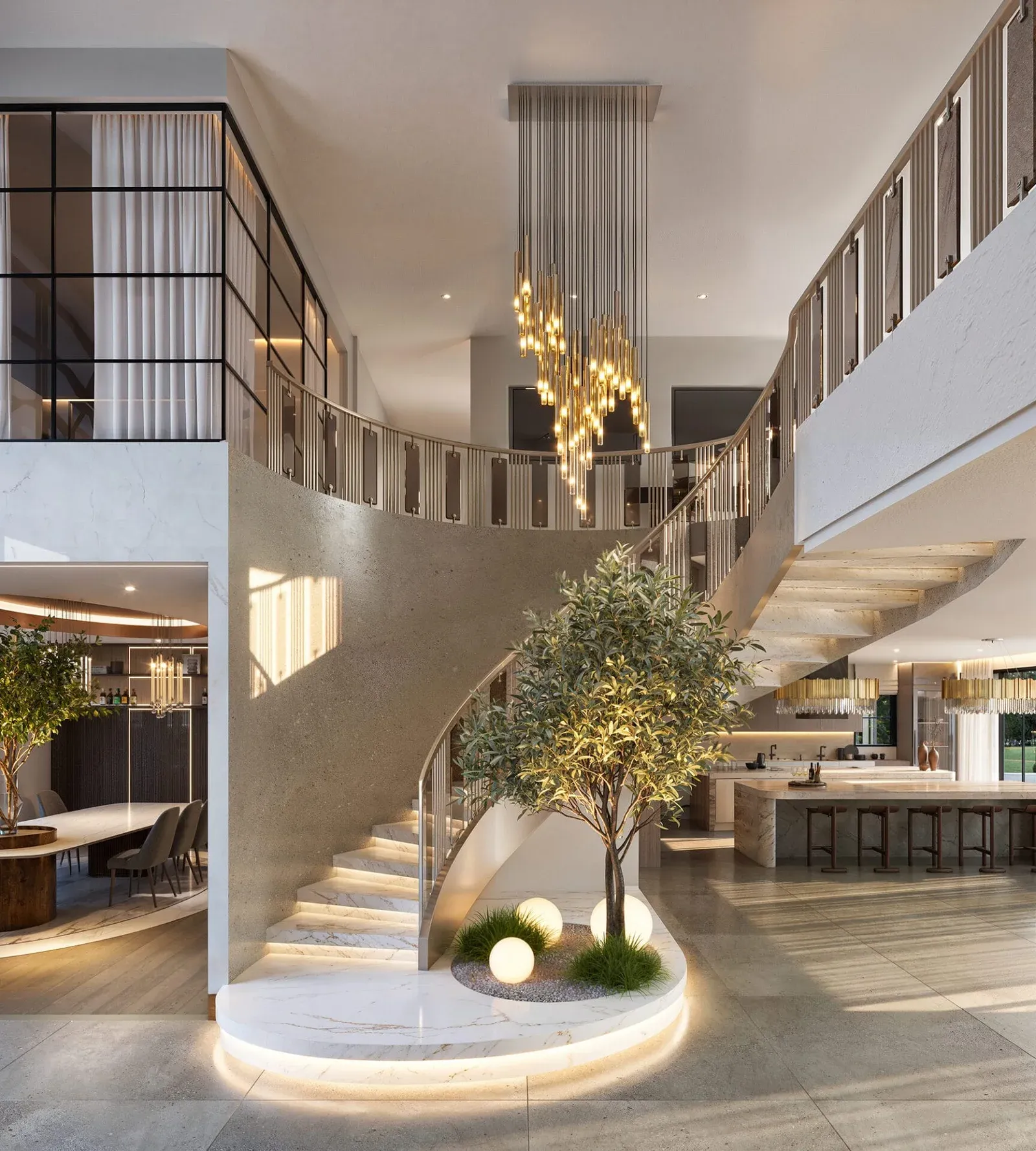
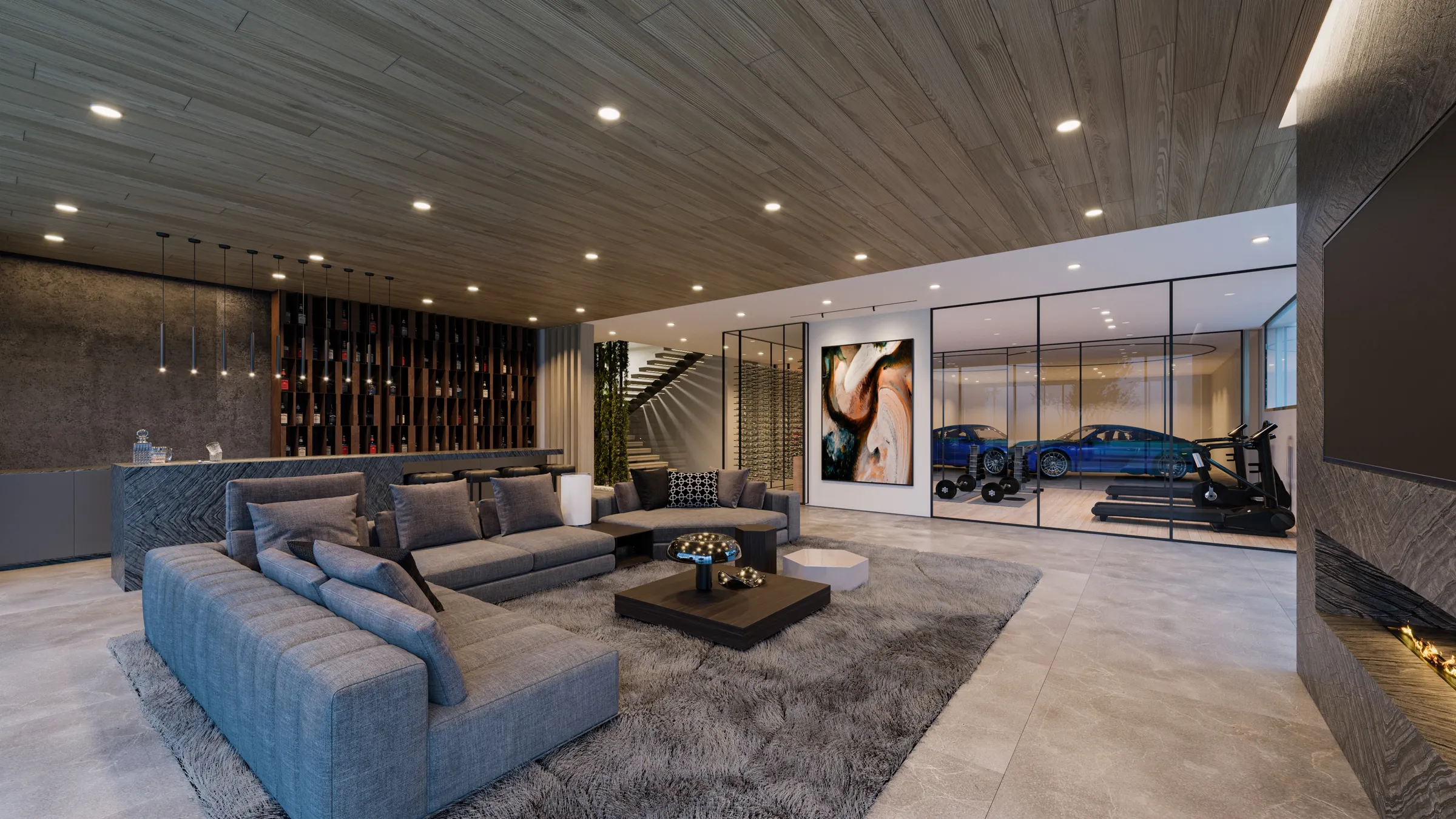
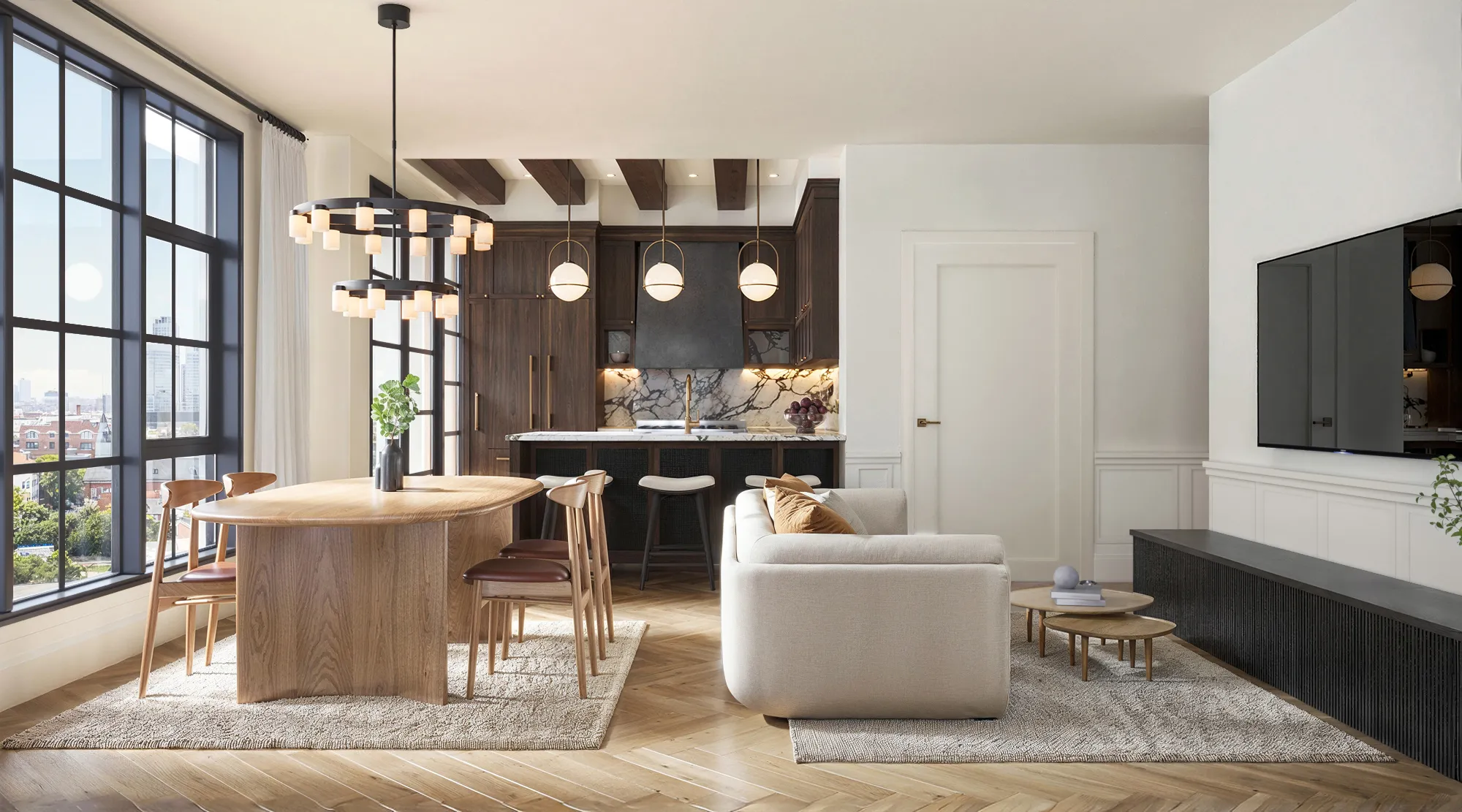
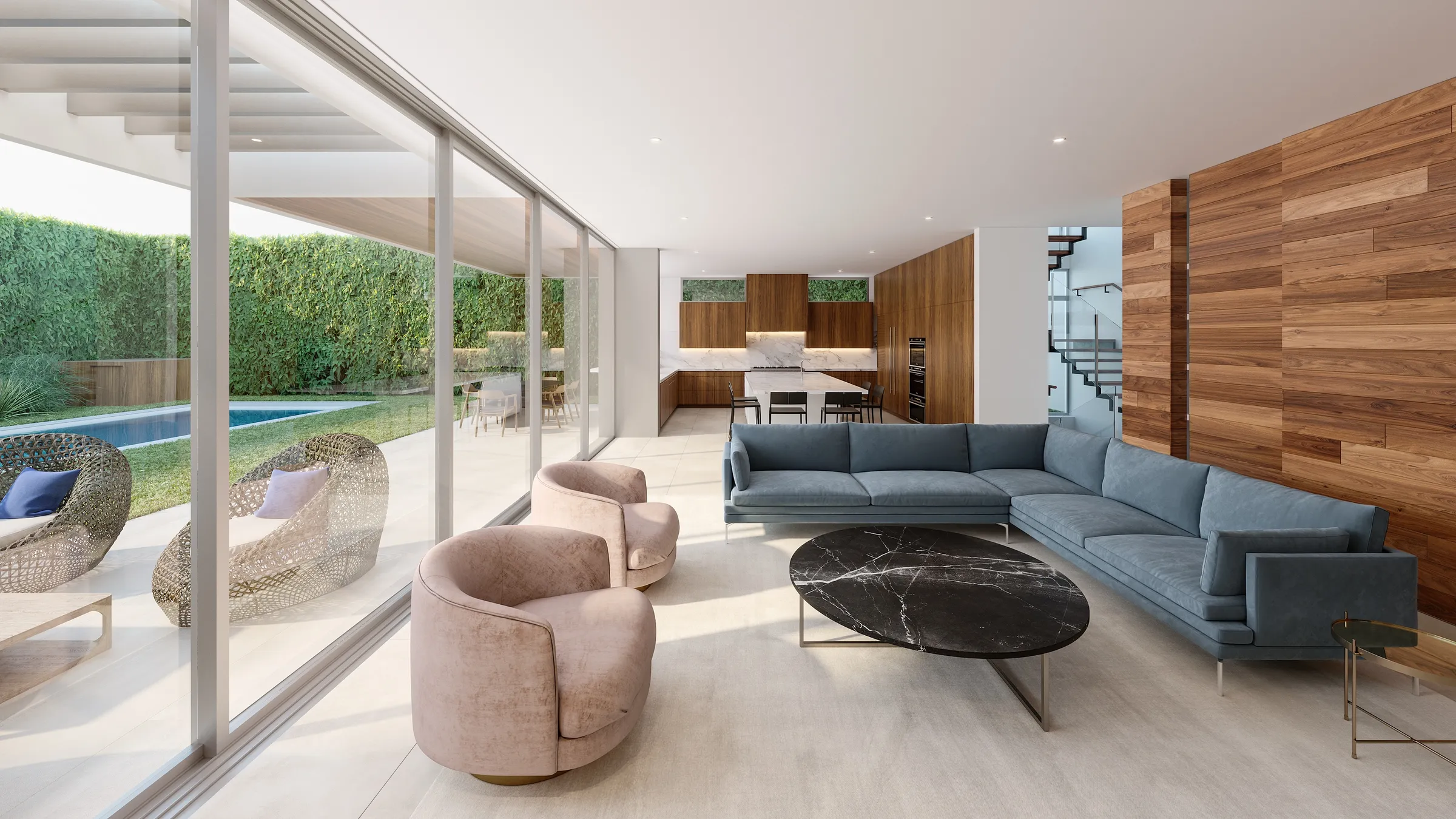
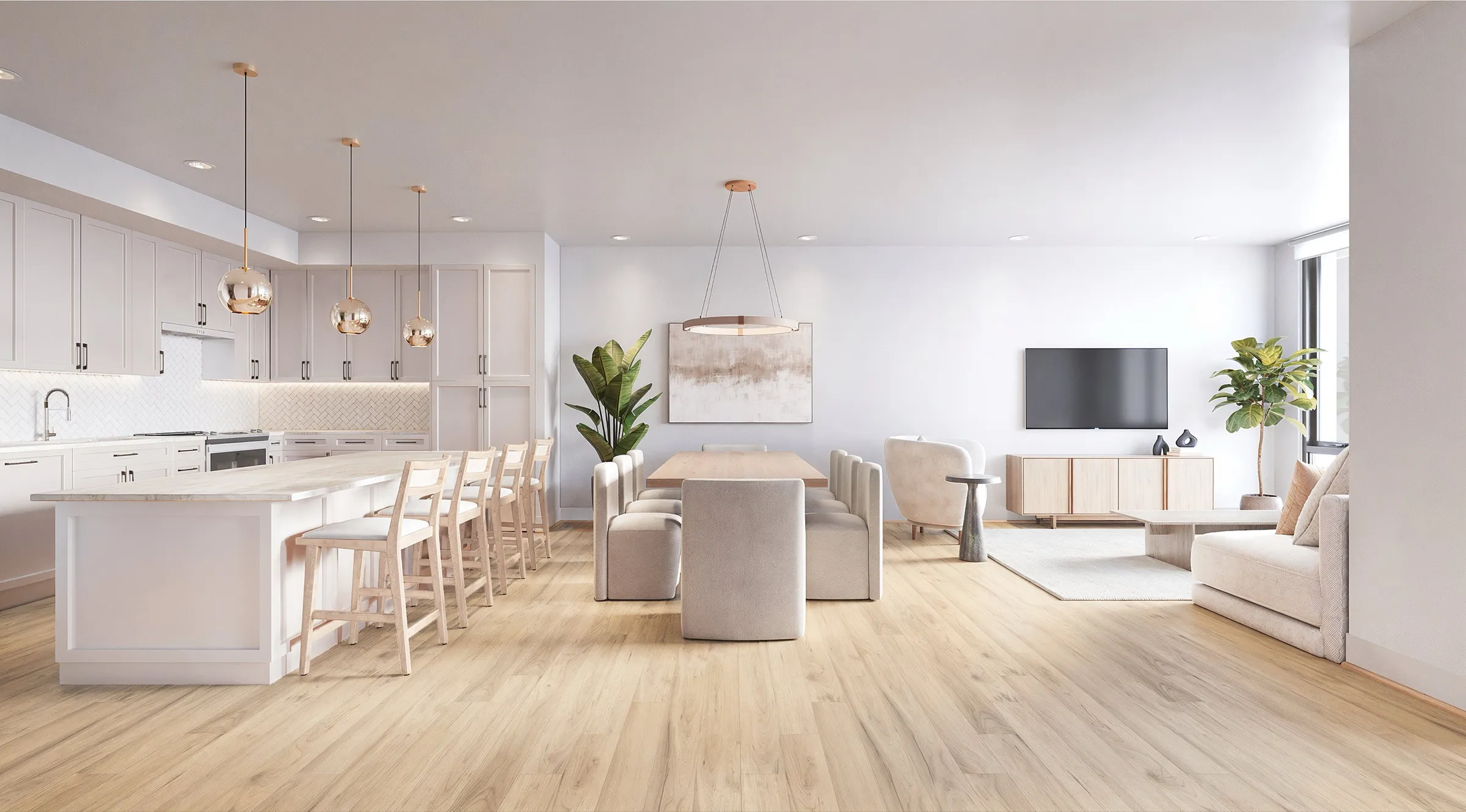
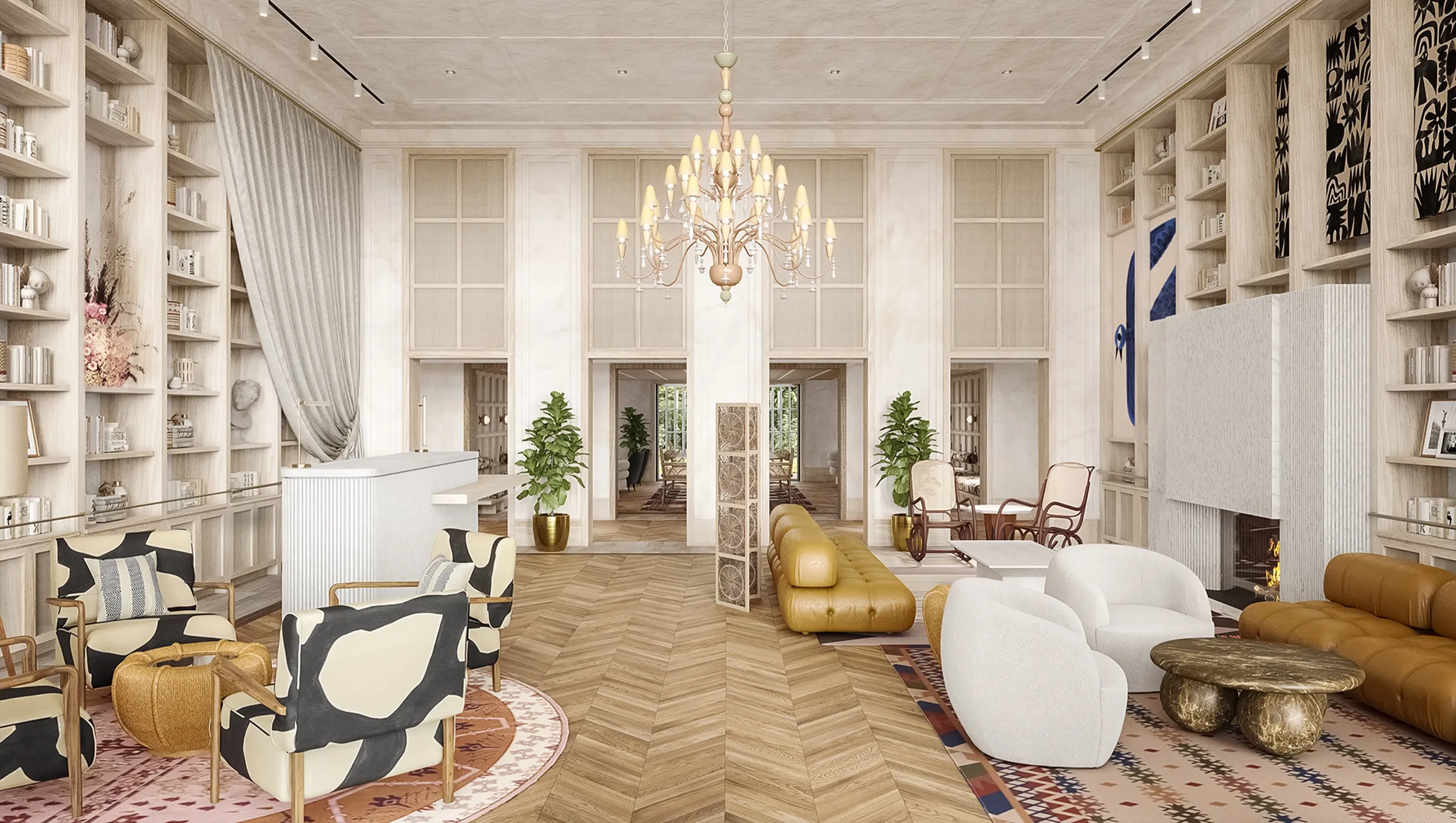
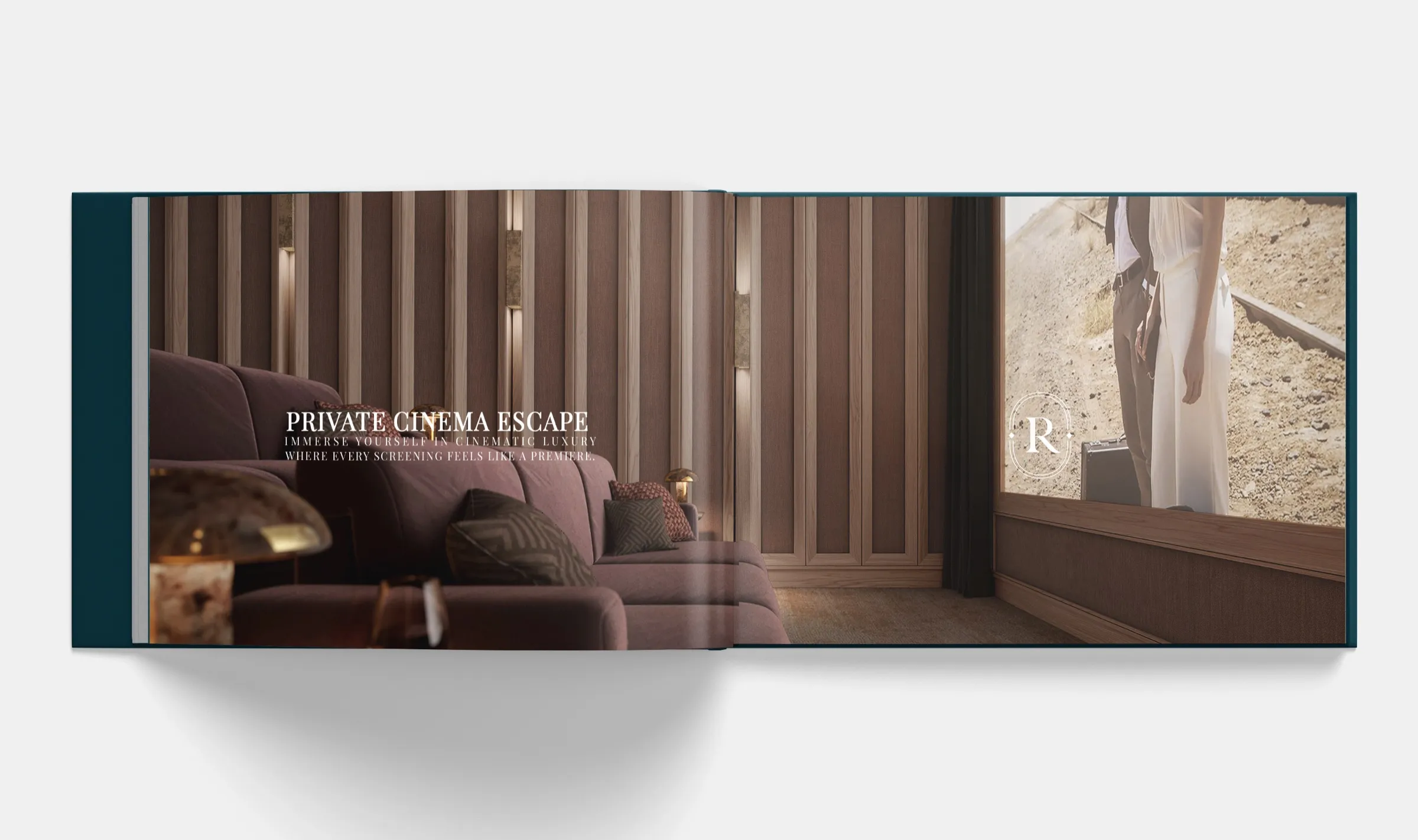
Yes. We customise everything, furniture included, to your spec sheets, so the images show exactly what will be built rather than a near match. For each piece we need the exact name, model and manufacturer, or links and brochures; where a piece is still undecided, we model it to the design intent and update it once it is chosen. The level of detail is agreed at the moodboard stage, before any rendering starts.
Can you match our exact finishes and fixtures?
Yes. We match materials and finishes from physical samples, photos, spec sheets or supplier links, and the closer the reference, the more exact the match. Real products are modeled from their manufacturer information so the rendering shows the actual piece rather than an approximation. Confirming materials early, at the moodboard stage, is how corrections later in the project are avoided.
Can you show one room in several finish schemes?
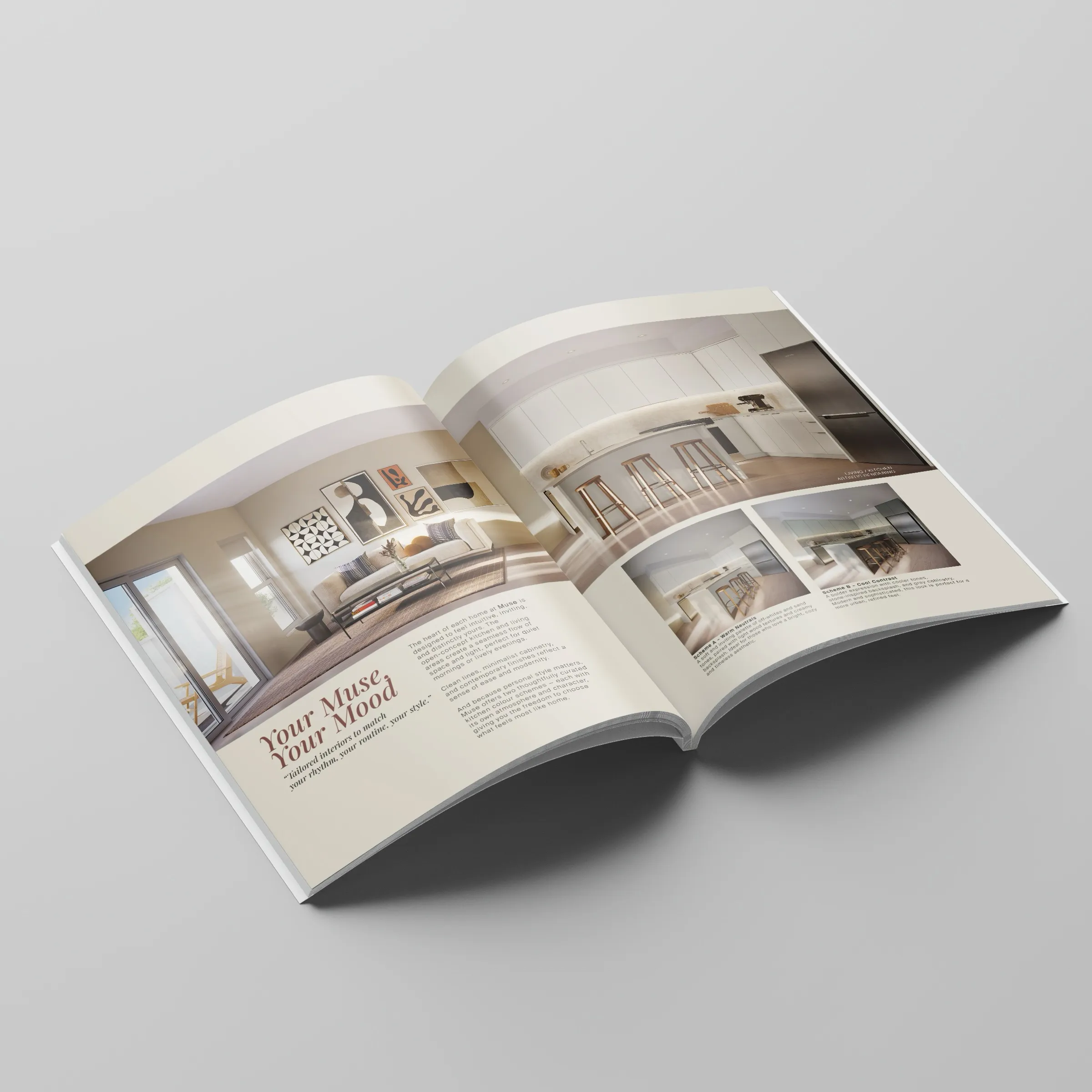
Yes. A common approach is to render a space once and then produce variations that change the finishes, cabinetry, flooring or color palette, so buyers or stakeholders can compare options side by side. The model and lighting stay in place, so only the finishes change. A change to the room's geometry is a heavier model change.
Can you render an existing or empty space? Is that virtual staging?
We render existing and empty spaces in full 3D, modeling and lighting the room properly. We do not offer virtual staging, which drops furniture onto a photograph. Building the real room in 3D means it reads correctly from any angle and stays accurate to the space. For work over existing photography, the camera angle has to match precisely, and a white-model preview confirms that before final.
How do you make a room read as spacious without distorting it?
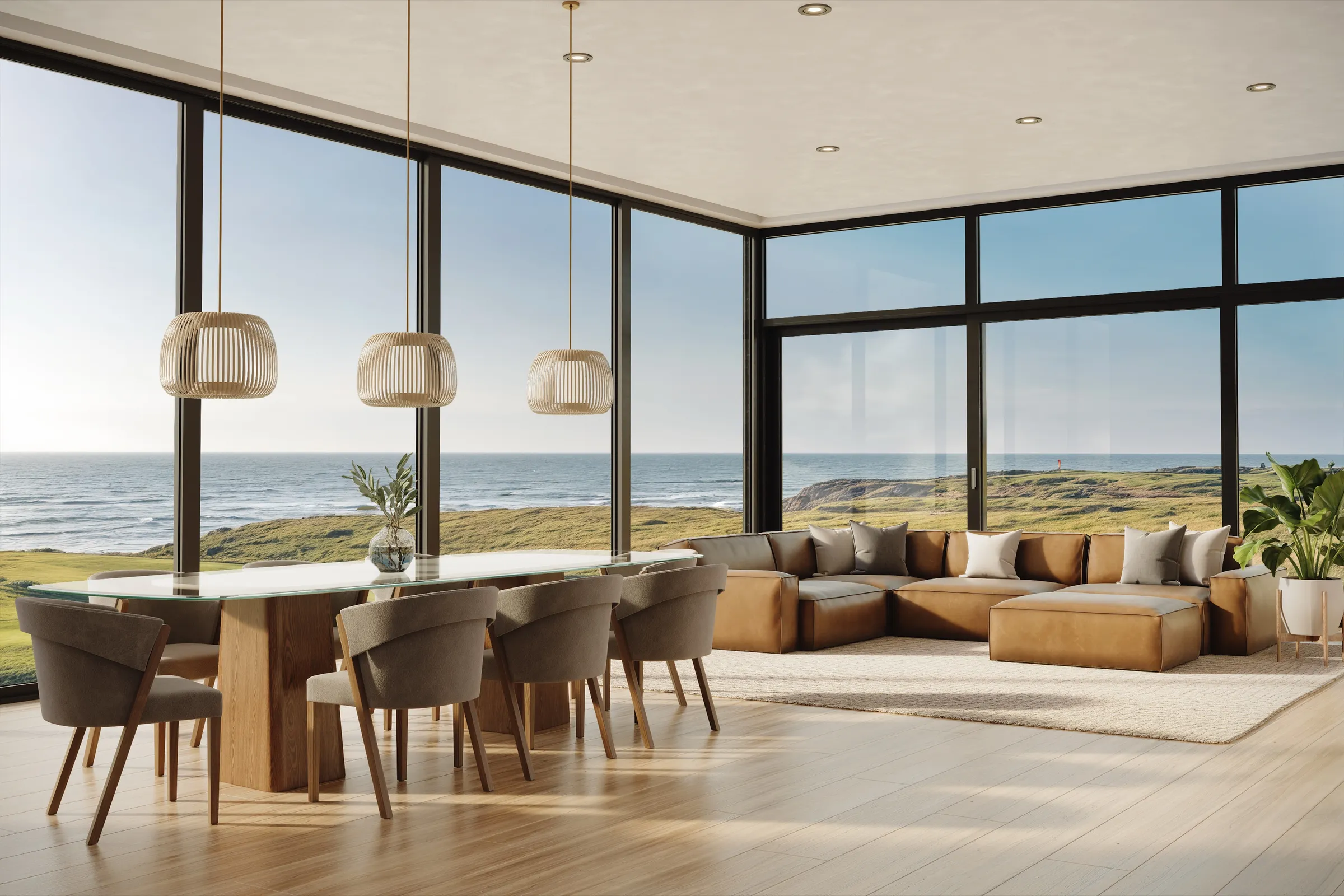
With lens choice, camera position and composition, locked at the white-model stage before any color or light is applied. Wide-angle lenses and considered framing show a space at its best, within the bounds of an accurate representation. We do not stretch a room into something it is not, because that misleads the buyer and creates problems when they walk the finished space.
Do you count views per image or per room?
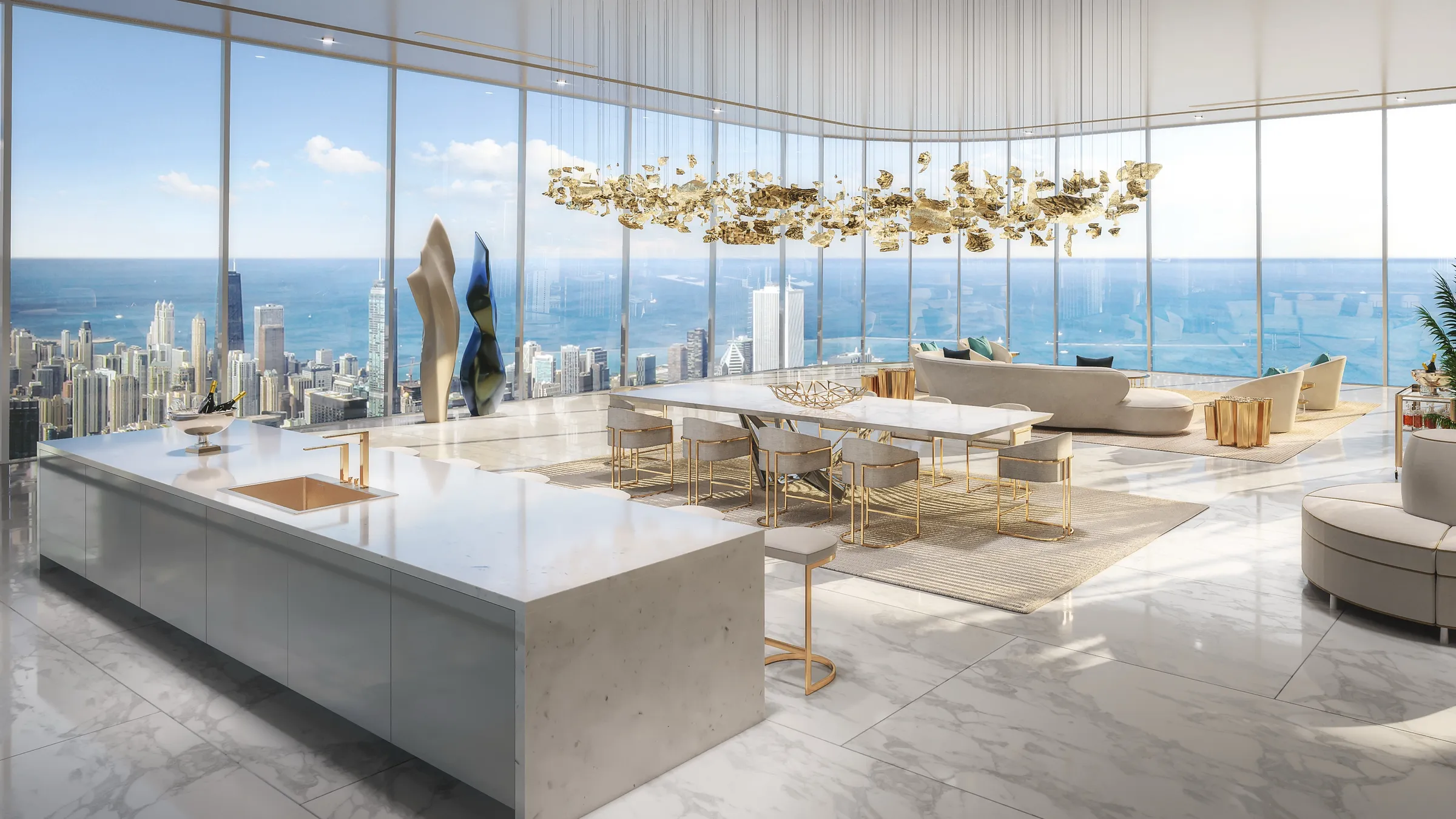
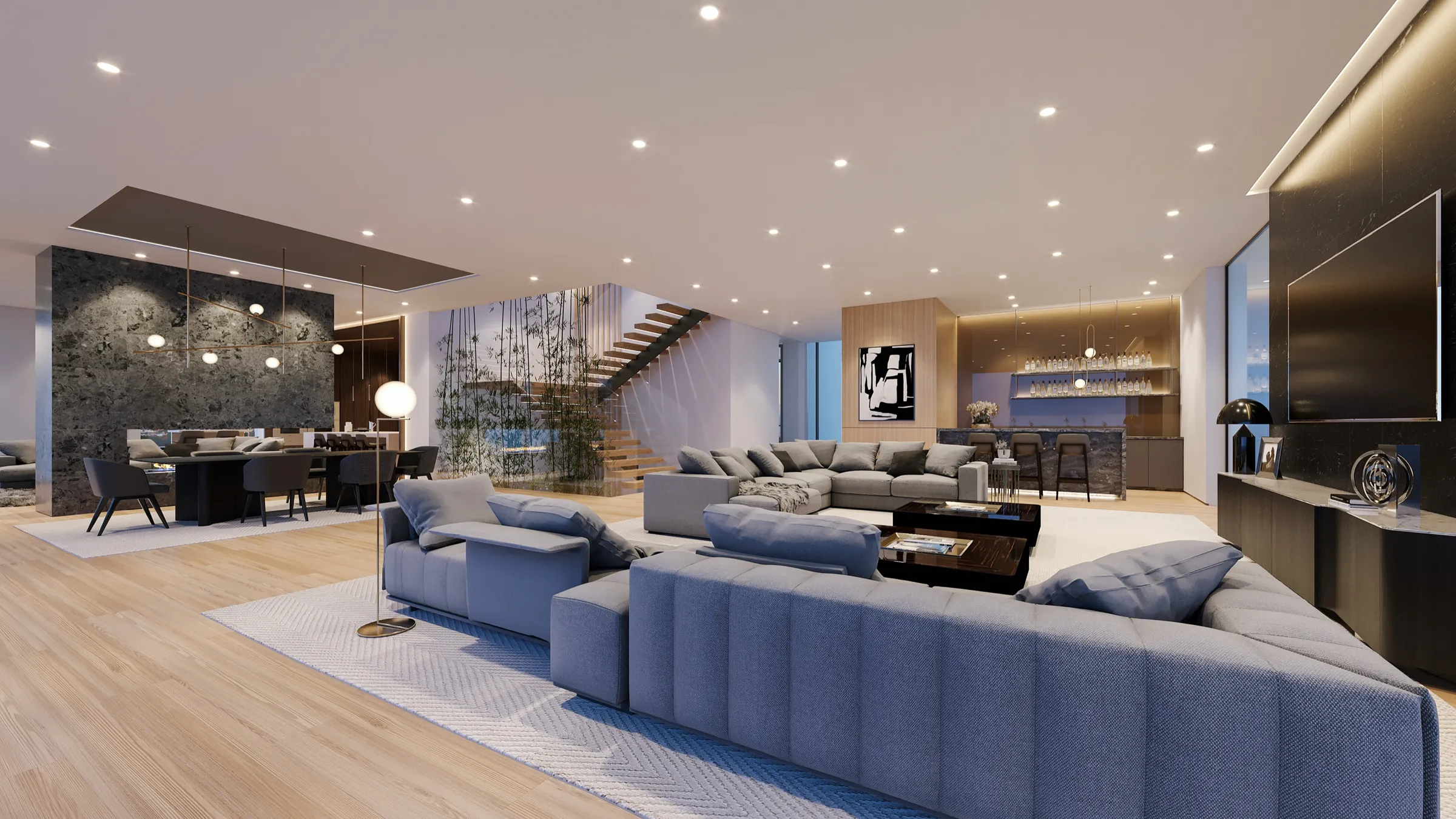
One view is one image. A room is usually one view; a large open space, such as a living, dining and kitchen area, usually reads best in two. We recommend the view list from what the project has to achieve, then map it to the way you budget, per image, per room or per set, before the proposal.
What if our client wants changes after the first review?
Comments come at two stages: the white-model stage, where angles and composition are locked, and the photoreal stage. The rounds included are set out in the proposal. If your client needs one more, we scope it and agree it with you before we start it, so there are no surprises.
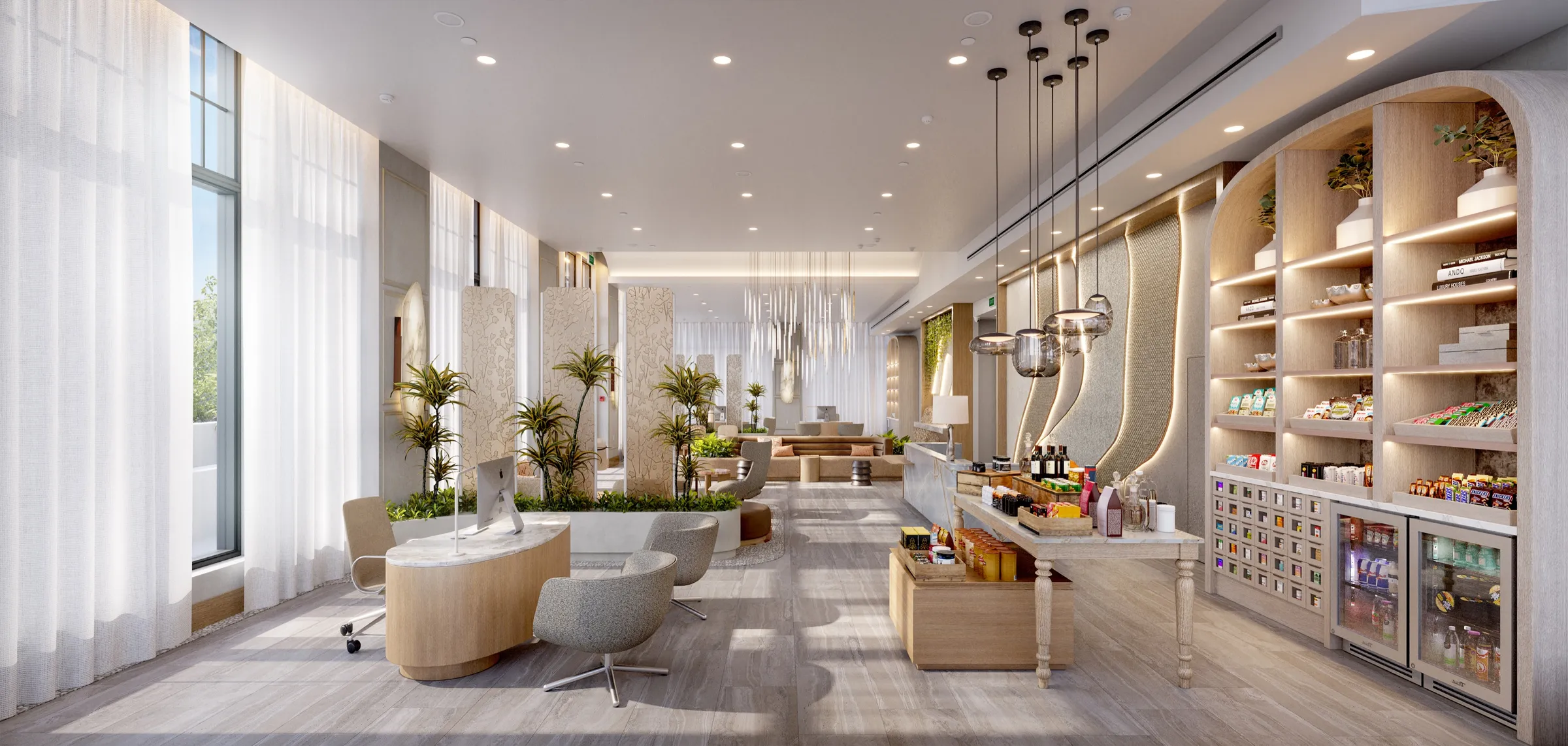
Do you render interiors beyond homes, like offices or restaurants?
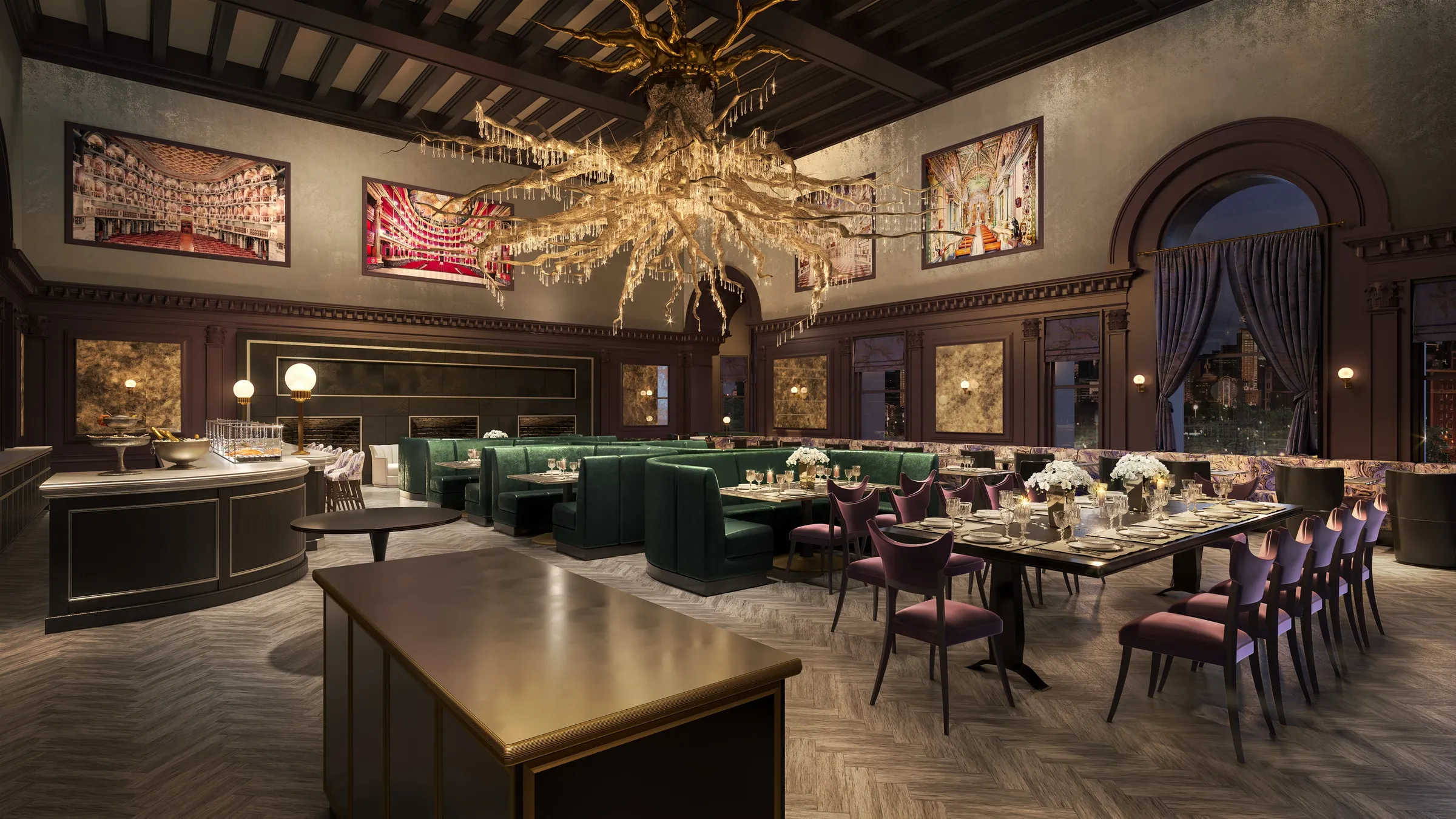
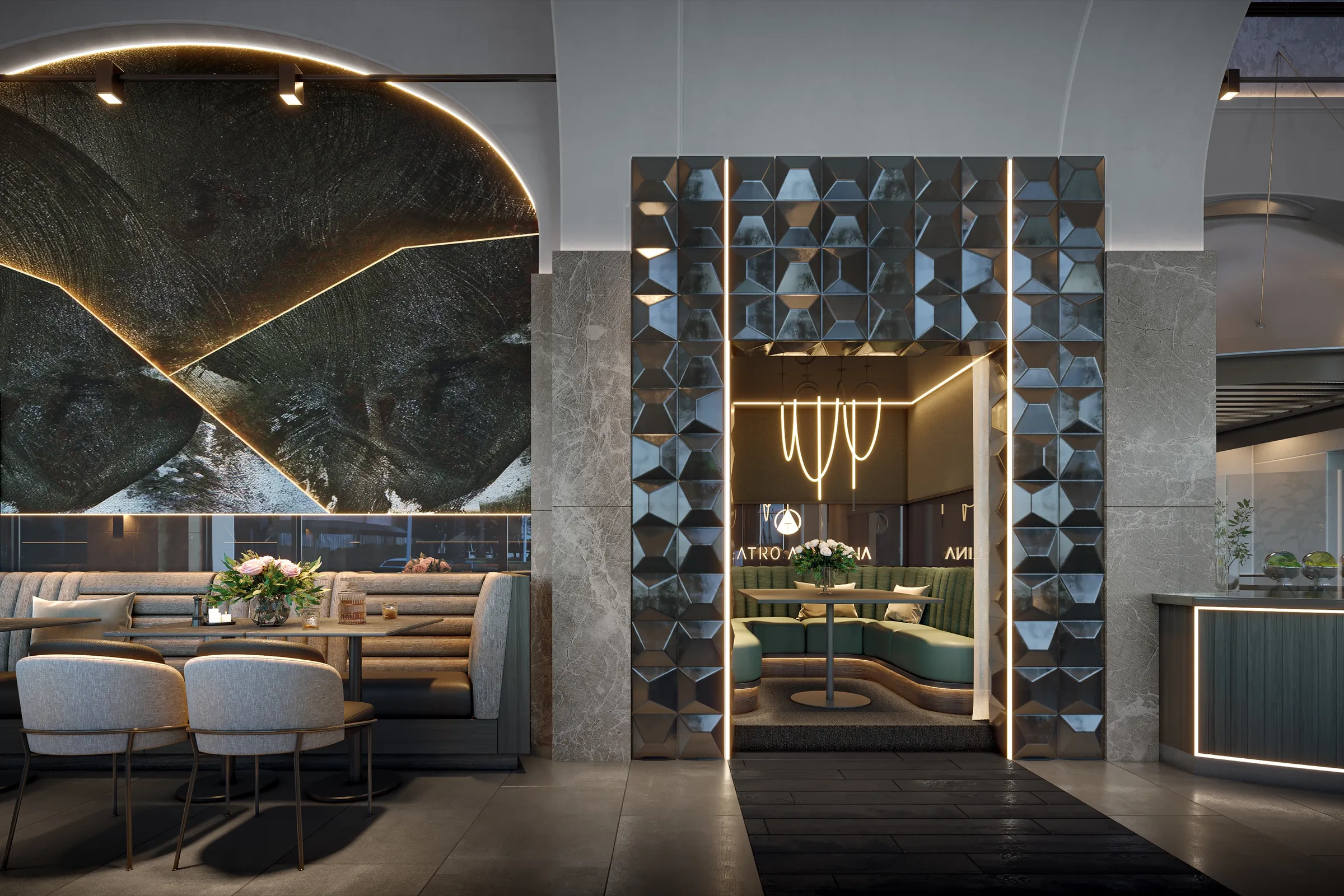
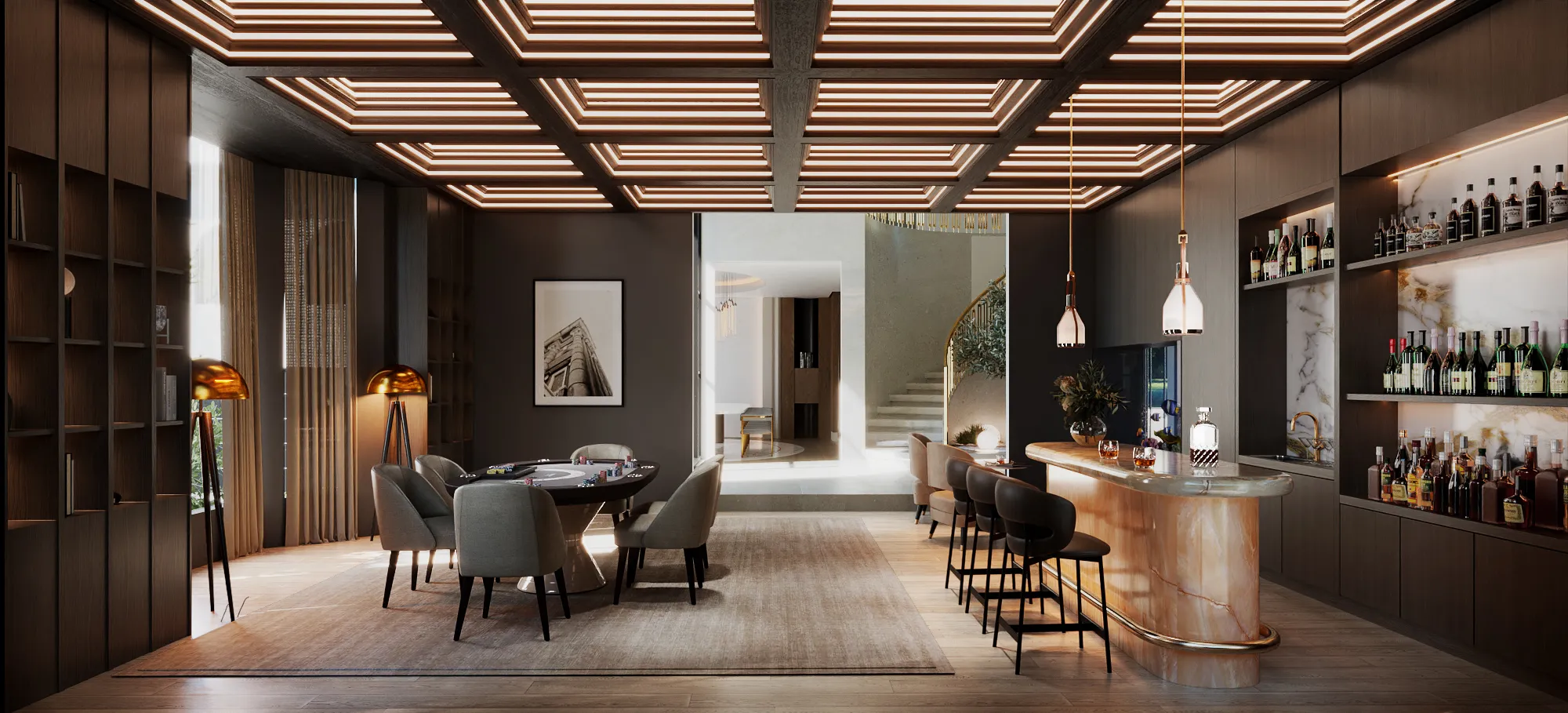
Yes. Alongside residential interiors we have dedicated office rendering and restaurant rendering services, with case studies such as LinkedIn Headquarters in Mountain View and Teatro Angelina in Costa Mesa. The process is the same: angles locked on a white model, then photoreal rendering.
Can you cover a full unit mix, not just one hero room?
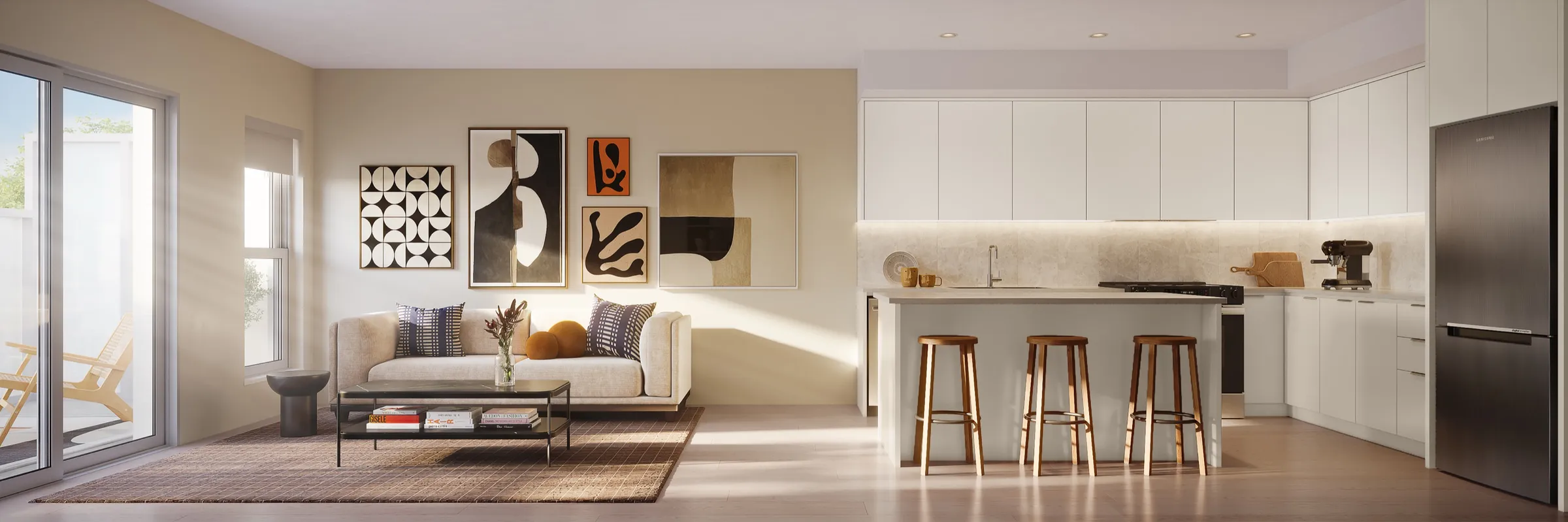
Yes. Our Standard production level is built for multi-family and townhouse marketing, supporting renders and unit-type documentation, and Premium is used for the hero interiors of a launch.
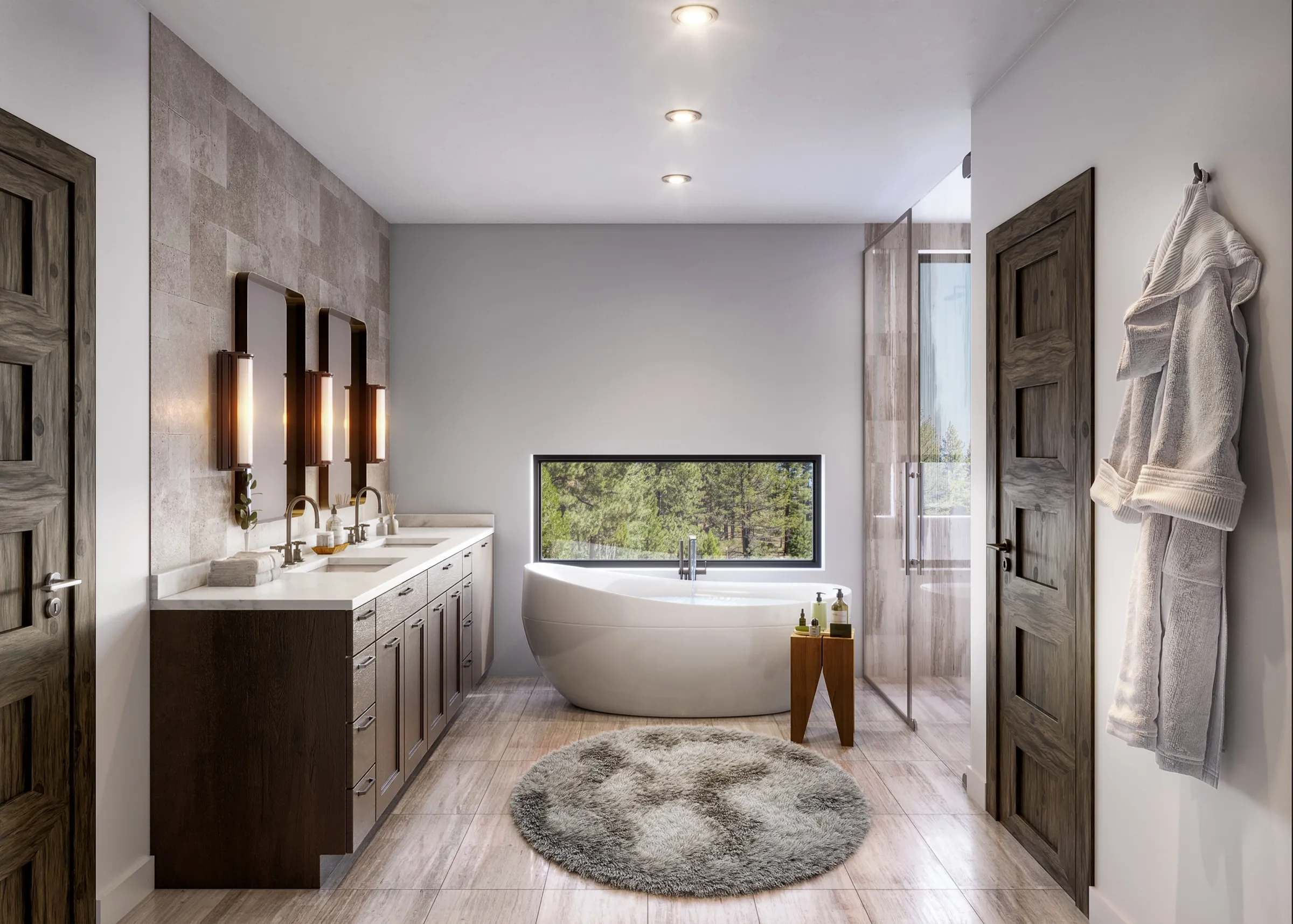
Do you do kitchen and bath renderings?
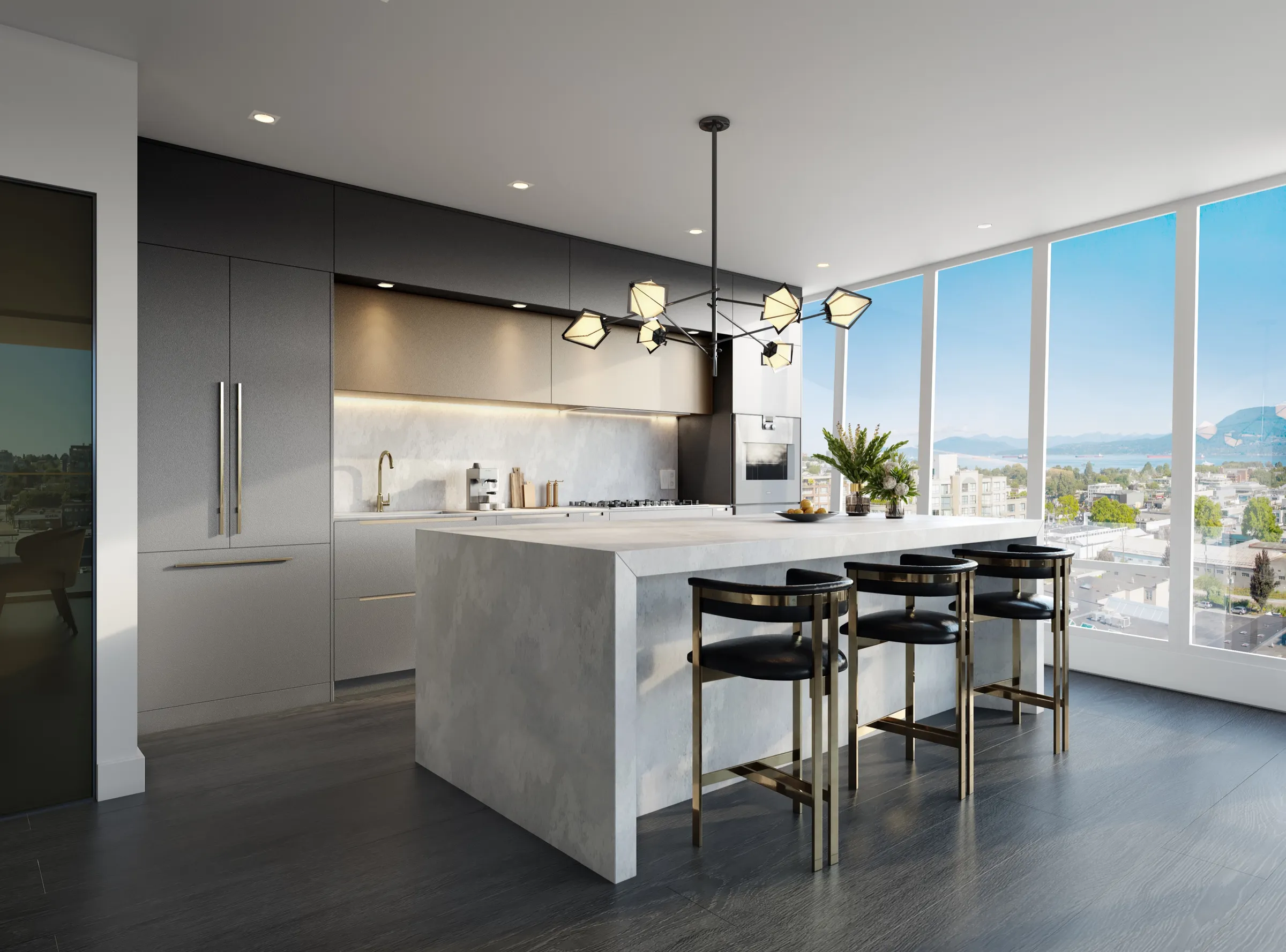
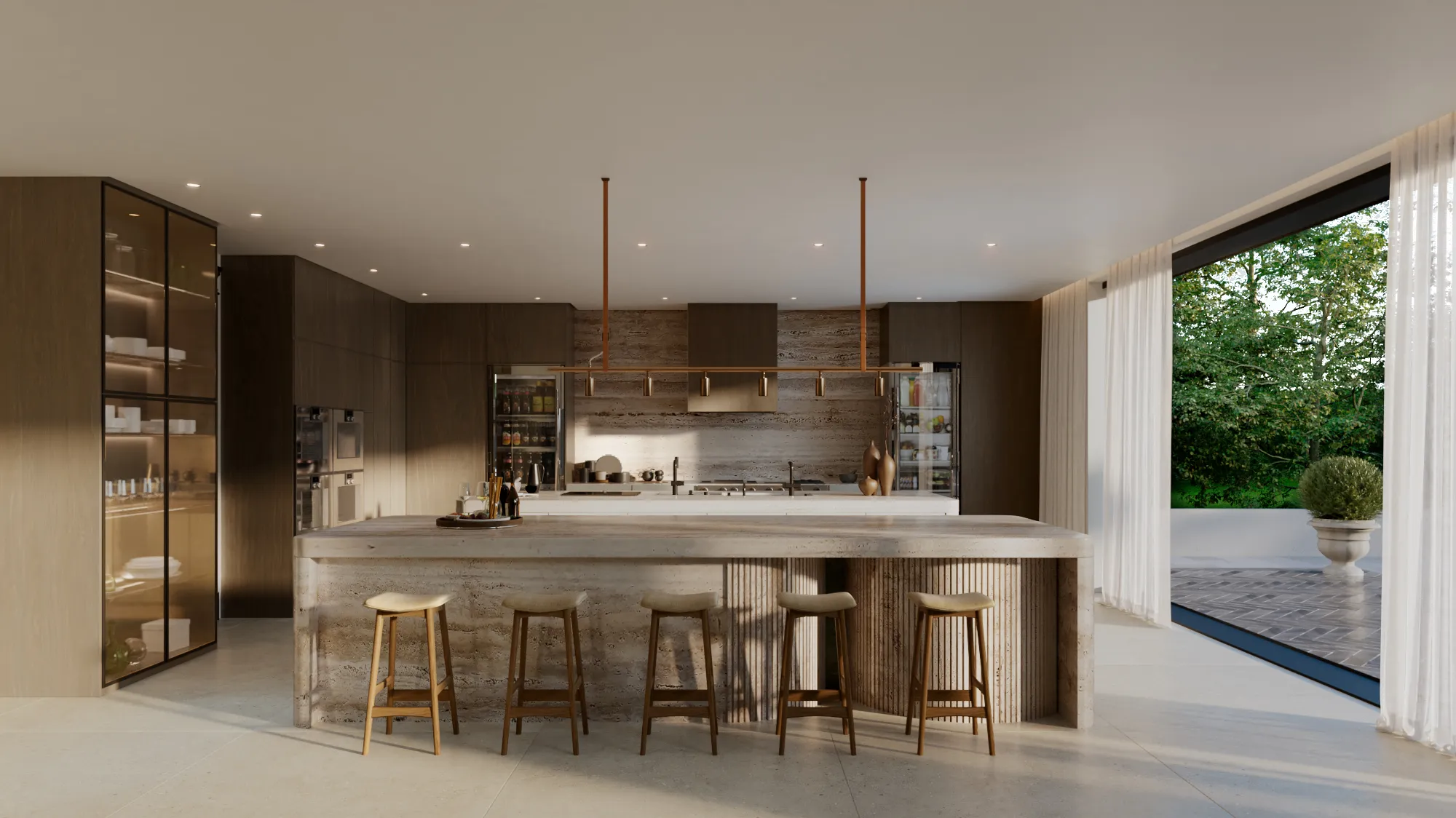
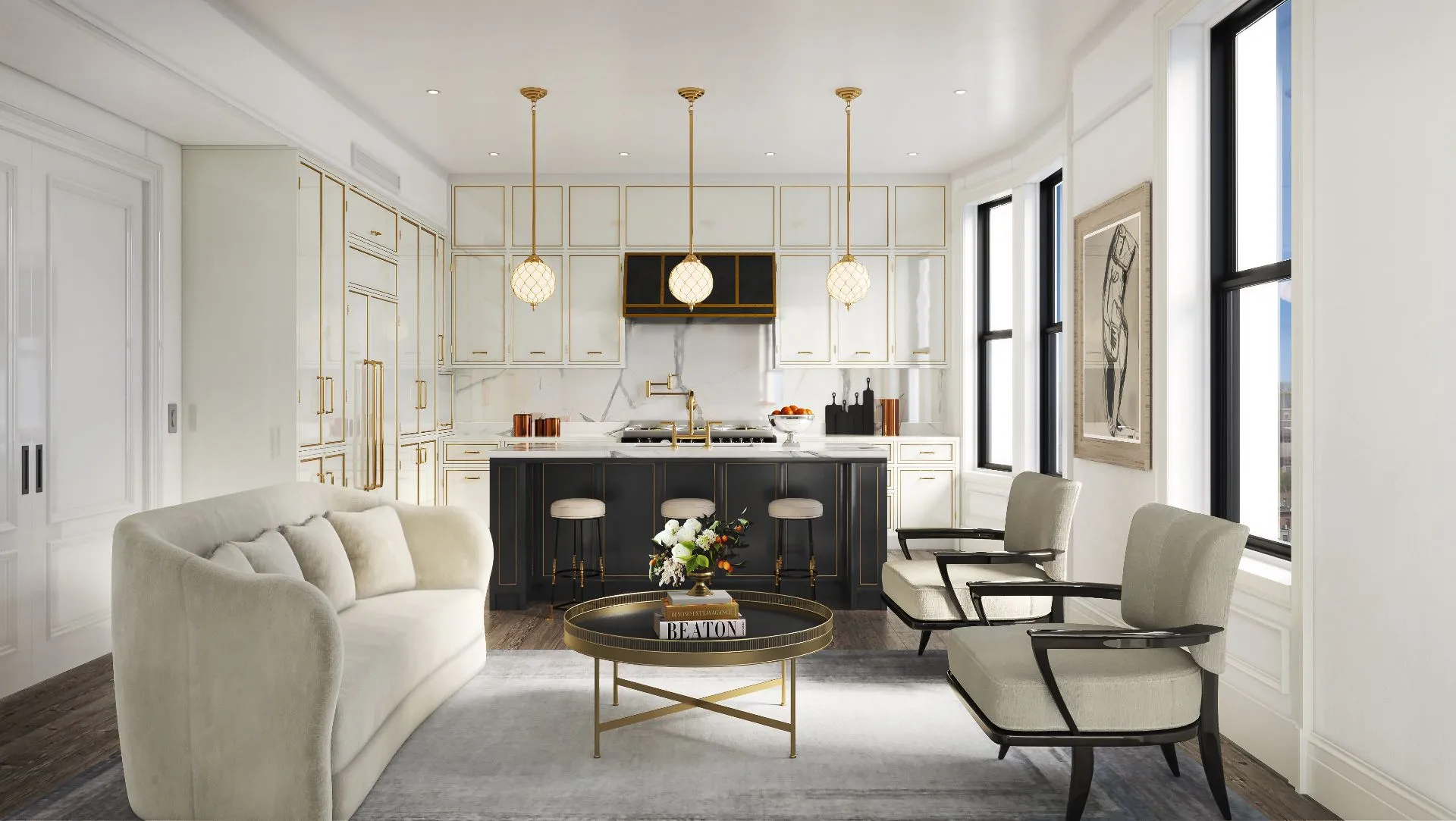
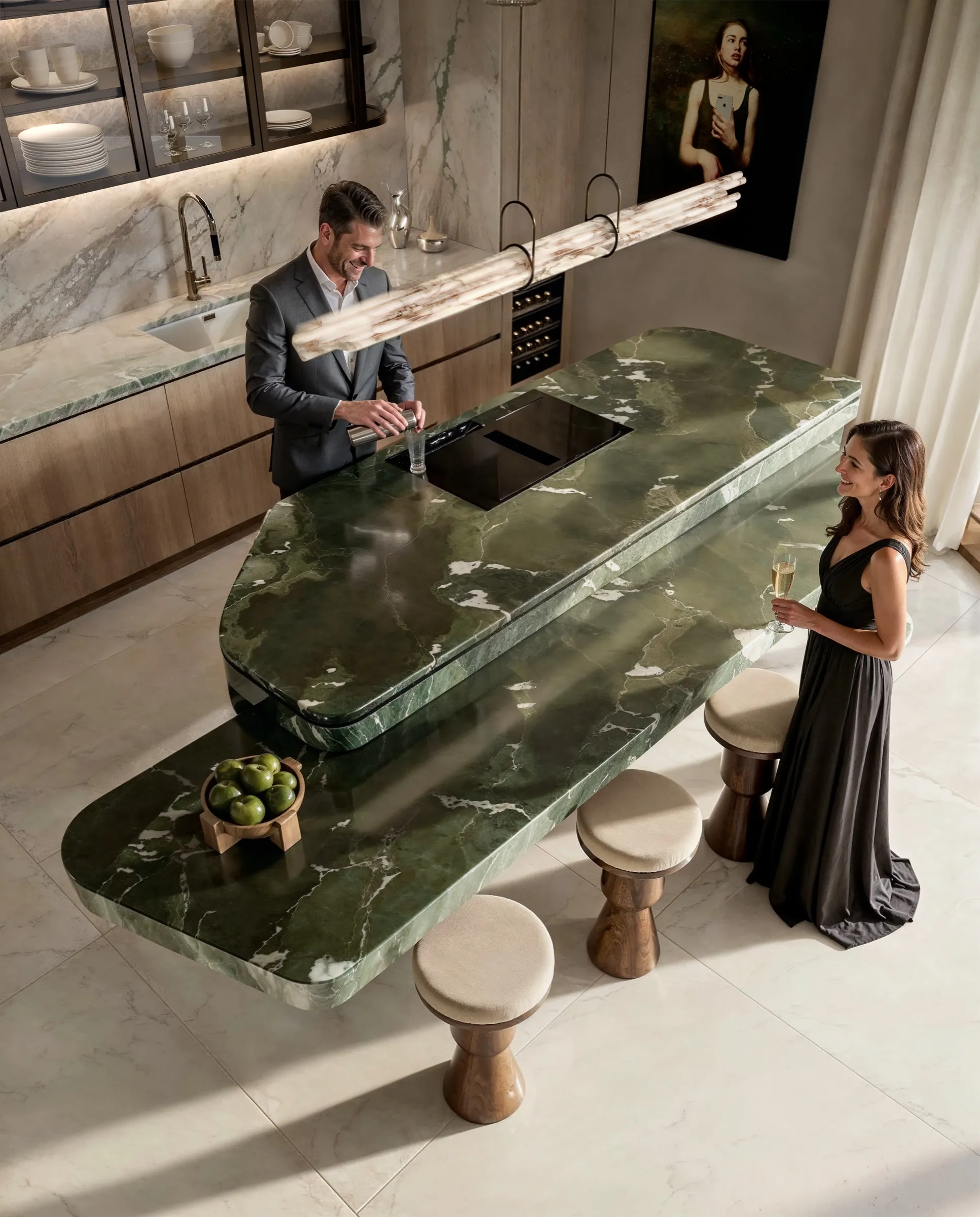
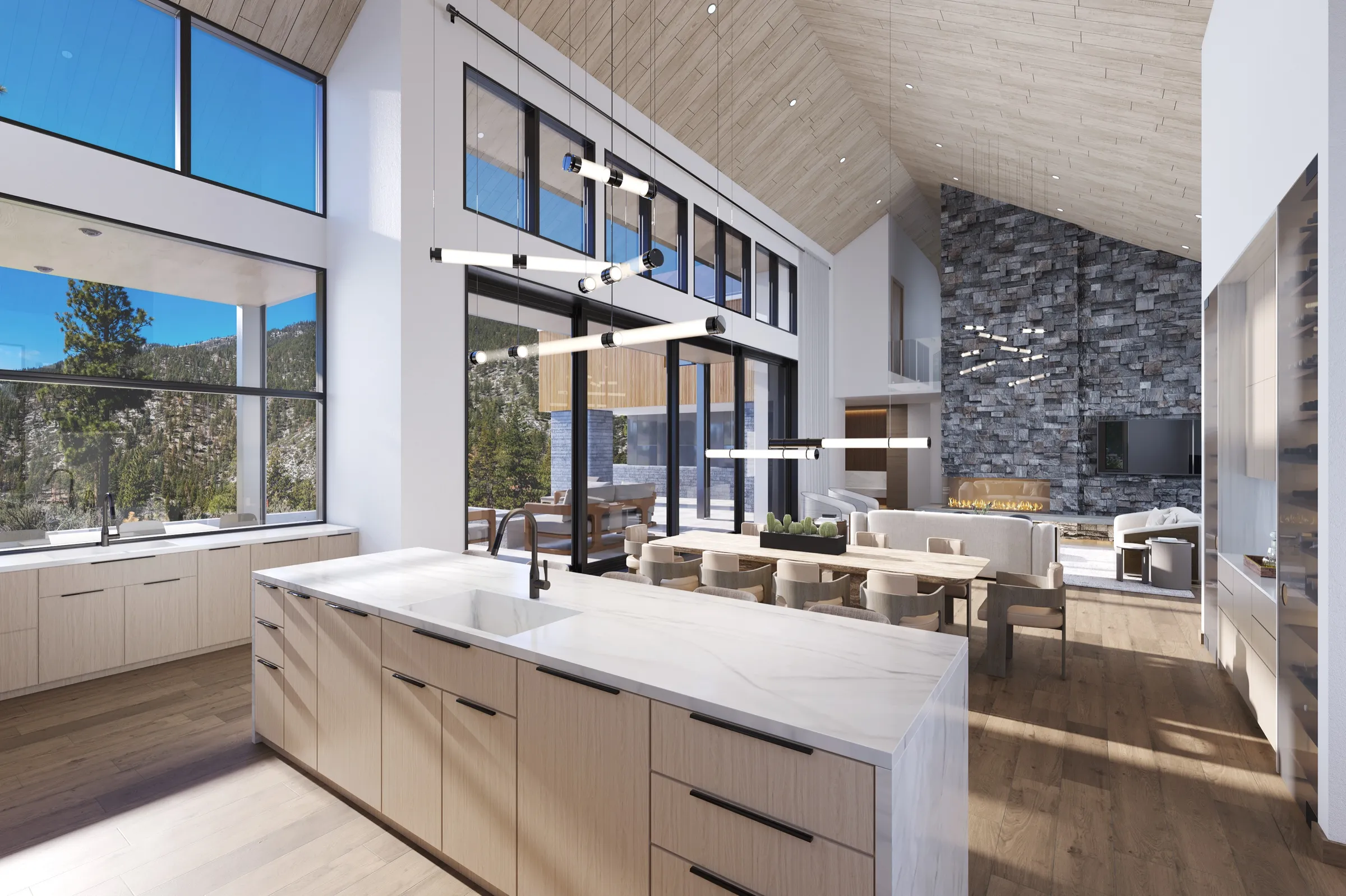
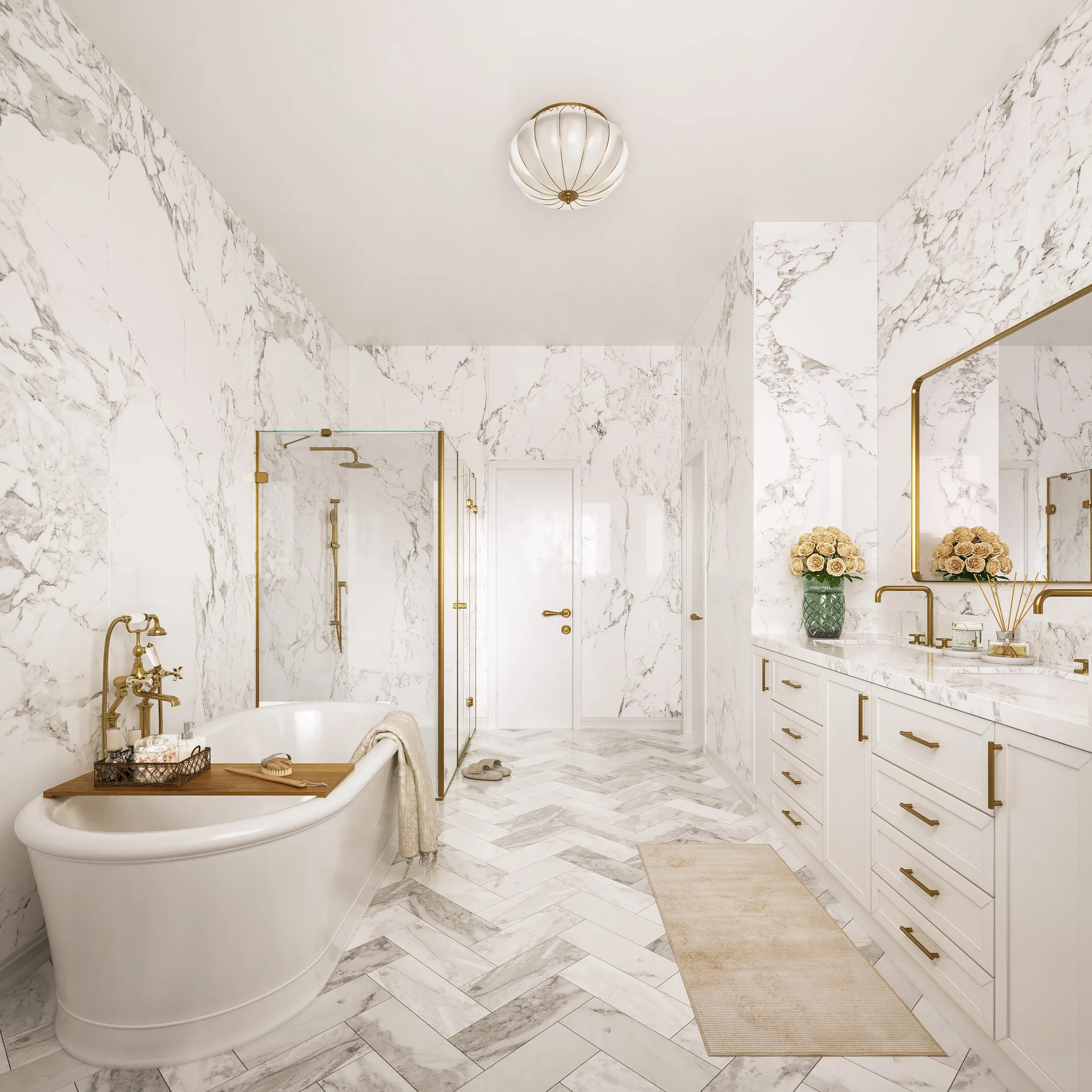
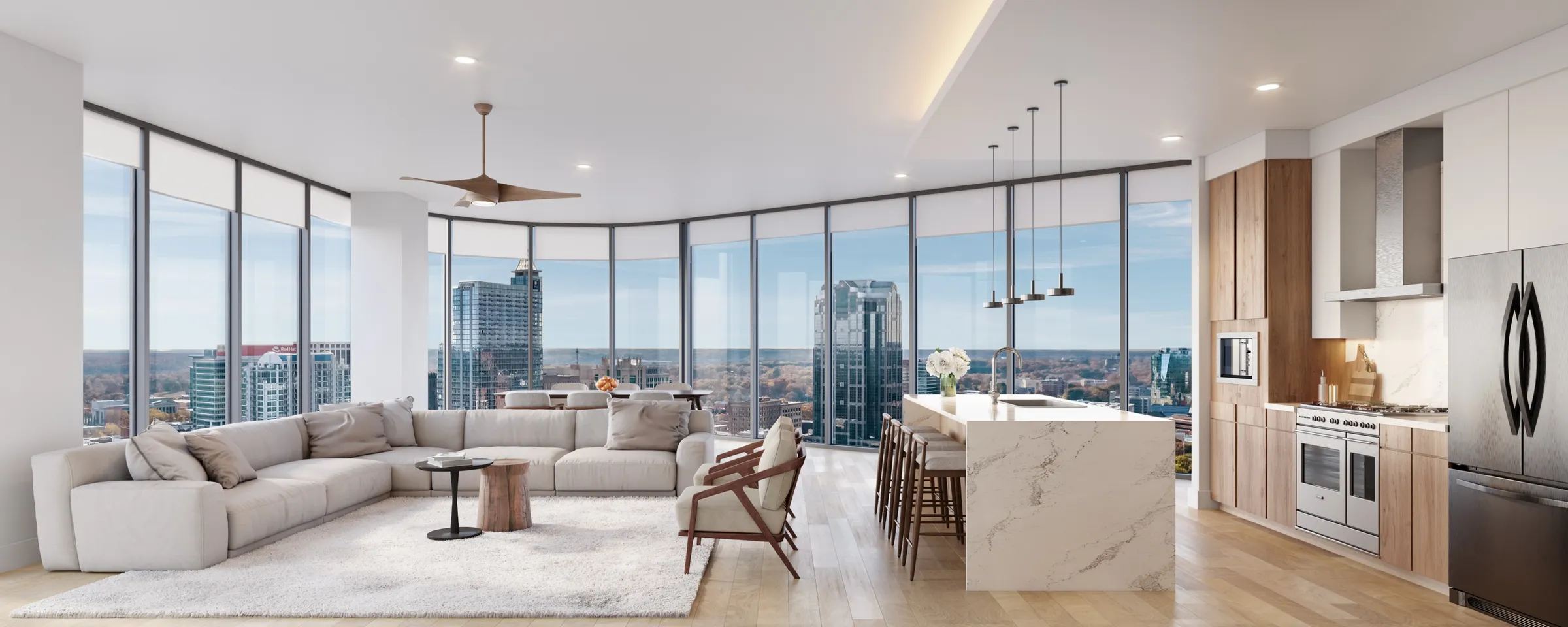
Yes. Kitchens and bathrooms are usually the rooms a buyer returns to most, and our kitchen and bath renderings follow the same process as the rest of the home: a furnished, lit, photoreal room matched to spec. Recent kitchen renderings include Italia by Solterra in Vancouver, Muse in Guildford, Surrey, a residence on Chatsboro Drive in Woodland Hills, and Haddon Hall at 29 Commonwealth Avenue, Boston.