Do you have an office in the Caribbean?
No. NoTriangle Studio is headquartered in the San Francisco Bay Area (Fremont, California), with its in-house production team based in Brazil, and has been in business since 2014. We deliver all Caribbean work remotely: every island project we have completed, in Barbados, Jamaica, the Dominican Republic and Turks and Caicos, ran fully online from the first call to the finished set. Caribbean time zones sit close to US Eastern time, so calls and reviews fit a normal working day. You can meet the people who lead every project on our About page.
Do you work in the Bahamas and the Cayman Islands?
Yes. We take on projects across the Caribbean, including the Bahamas and the Cayman Islands, delivered fully remote from our studio. Our published Caribbean work is in Barbados, Jamaica, the Dominican Republic and Turks and Caicos, and the same team, process and review tools run every island project. Tell us when you first write where the project stands and what the visuals must achieve, and we come back with how we would approach it.
How do renderings pre-sell a Caribbean home to buyers who never visit the island?
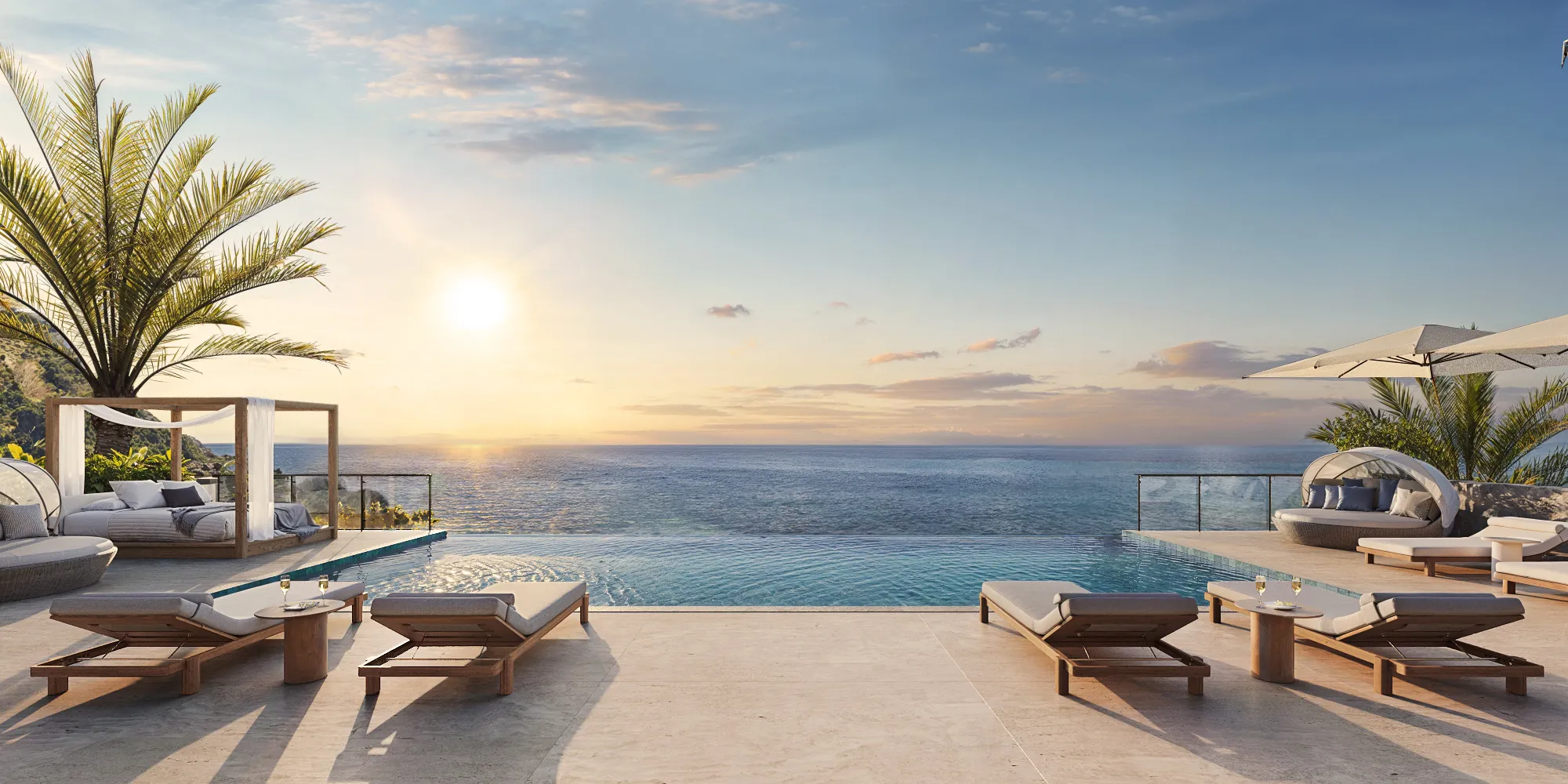
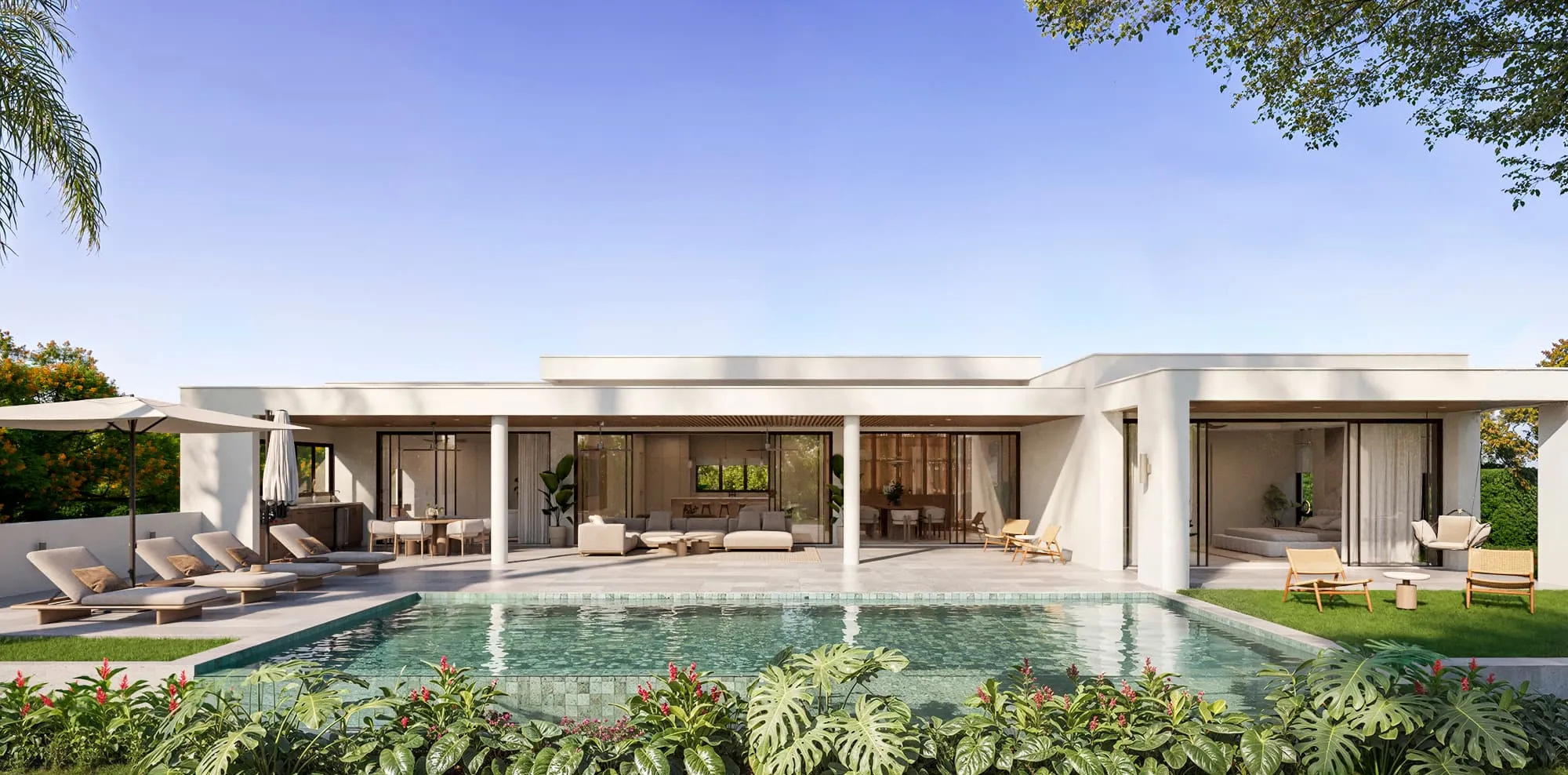
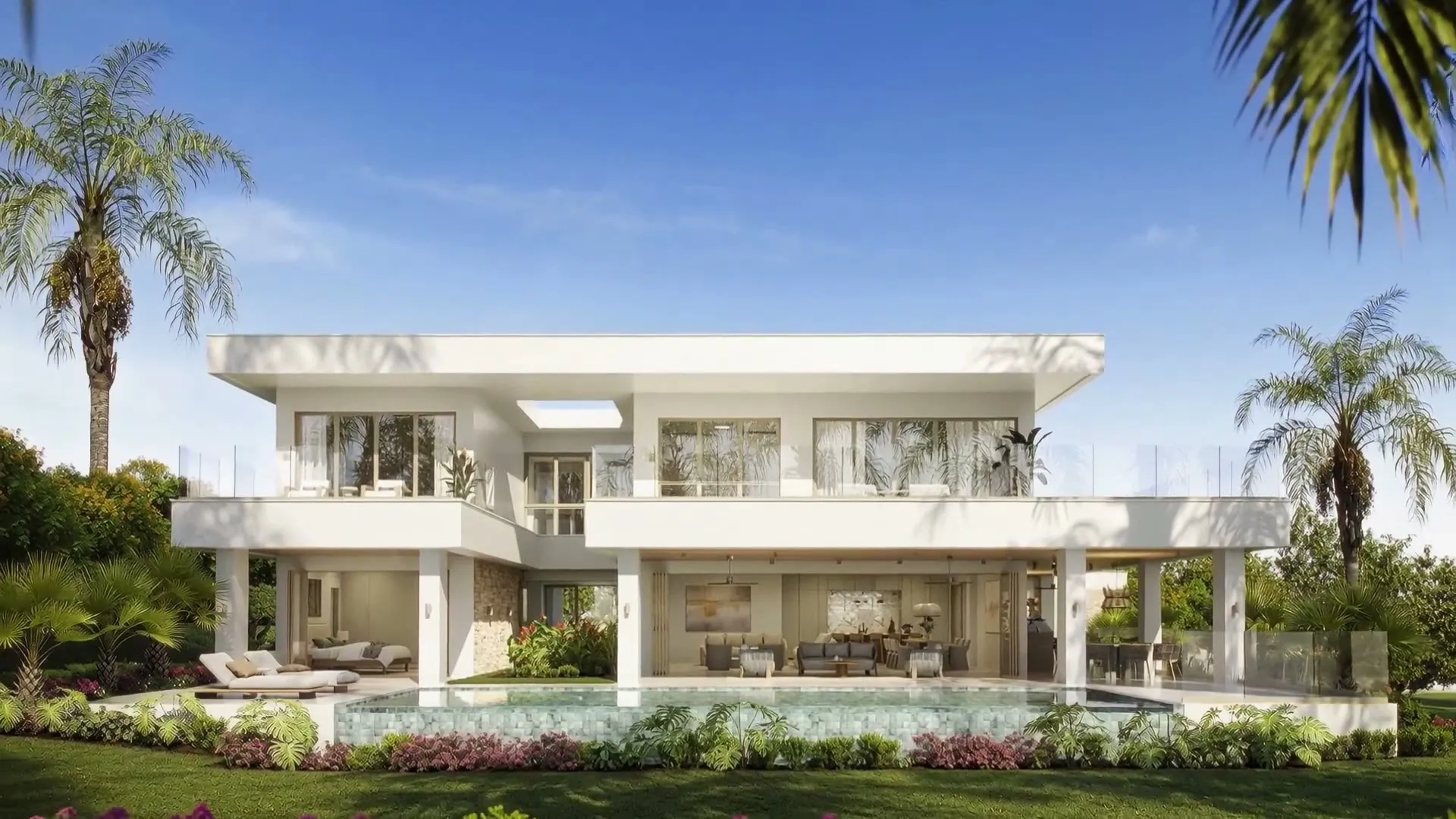
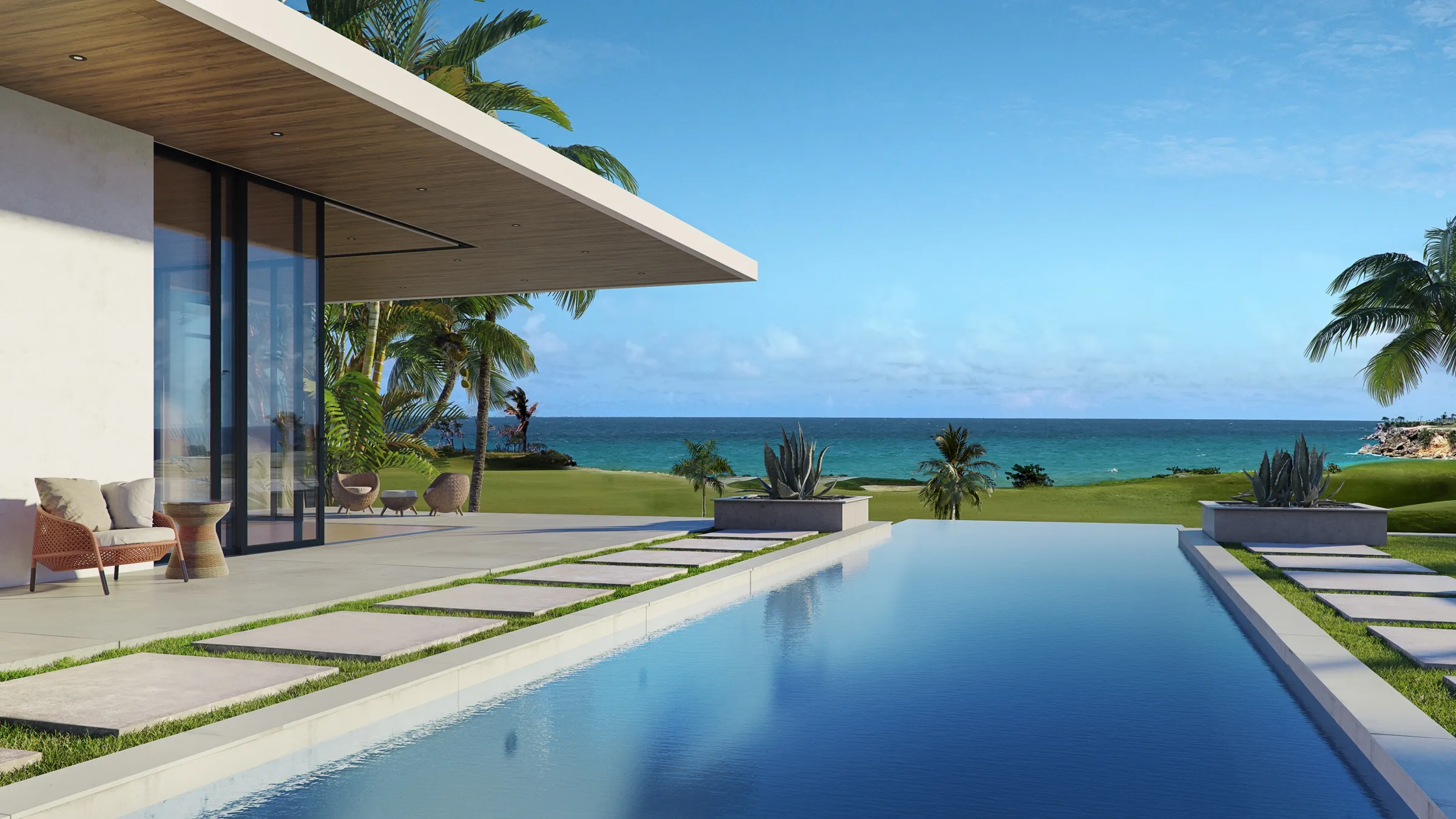
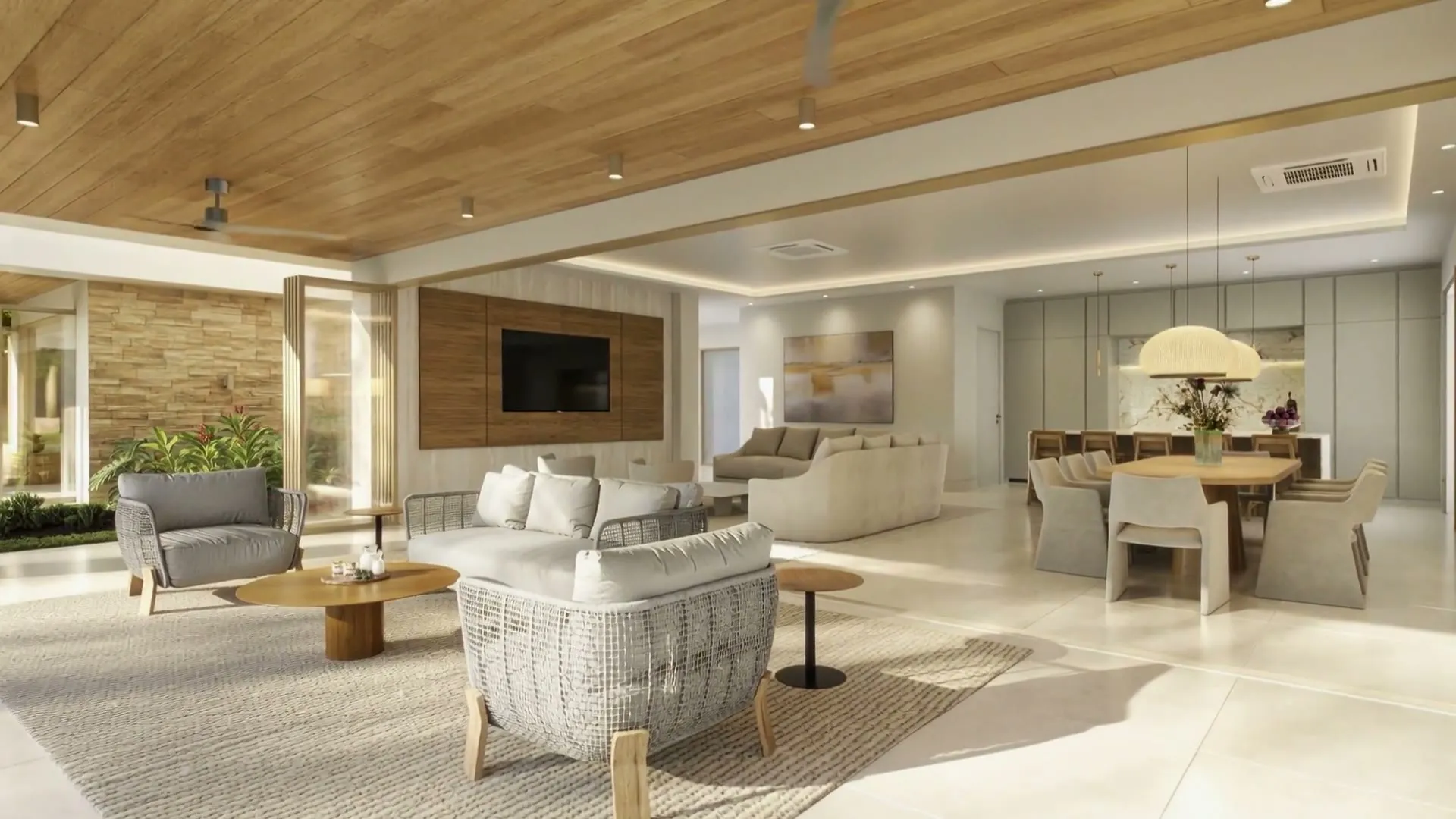
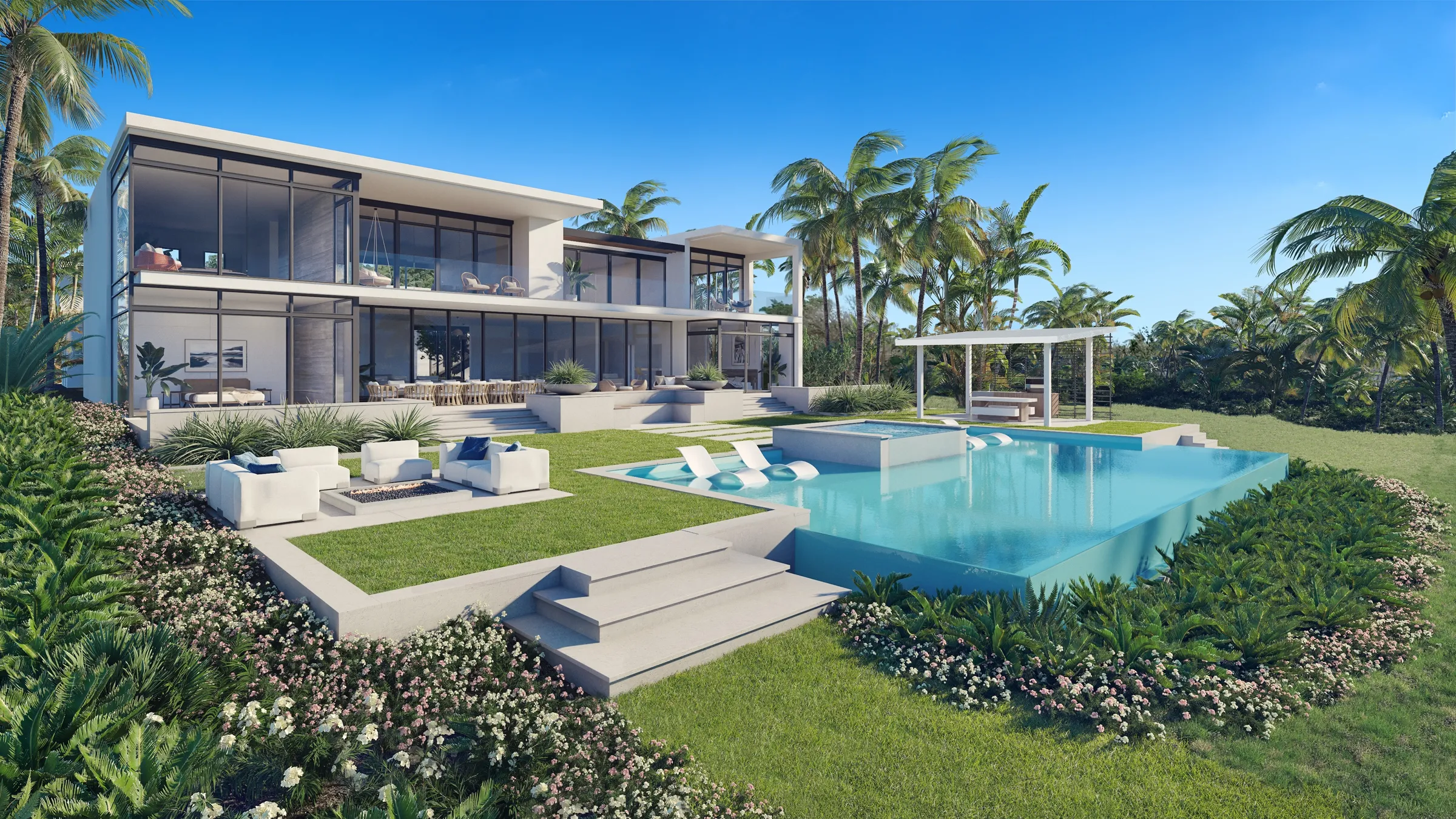
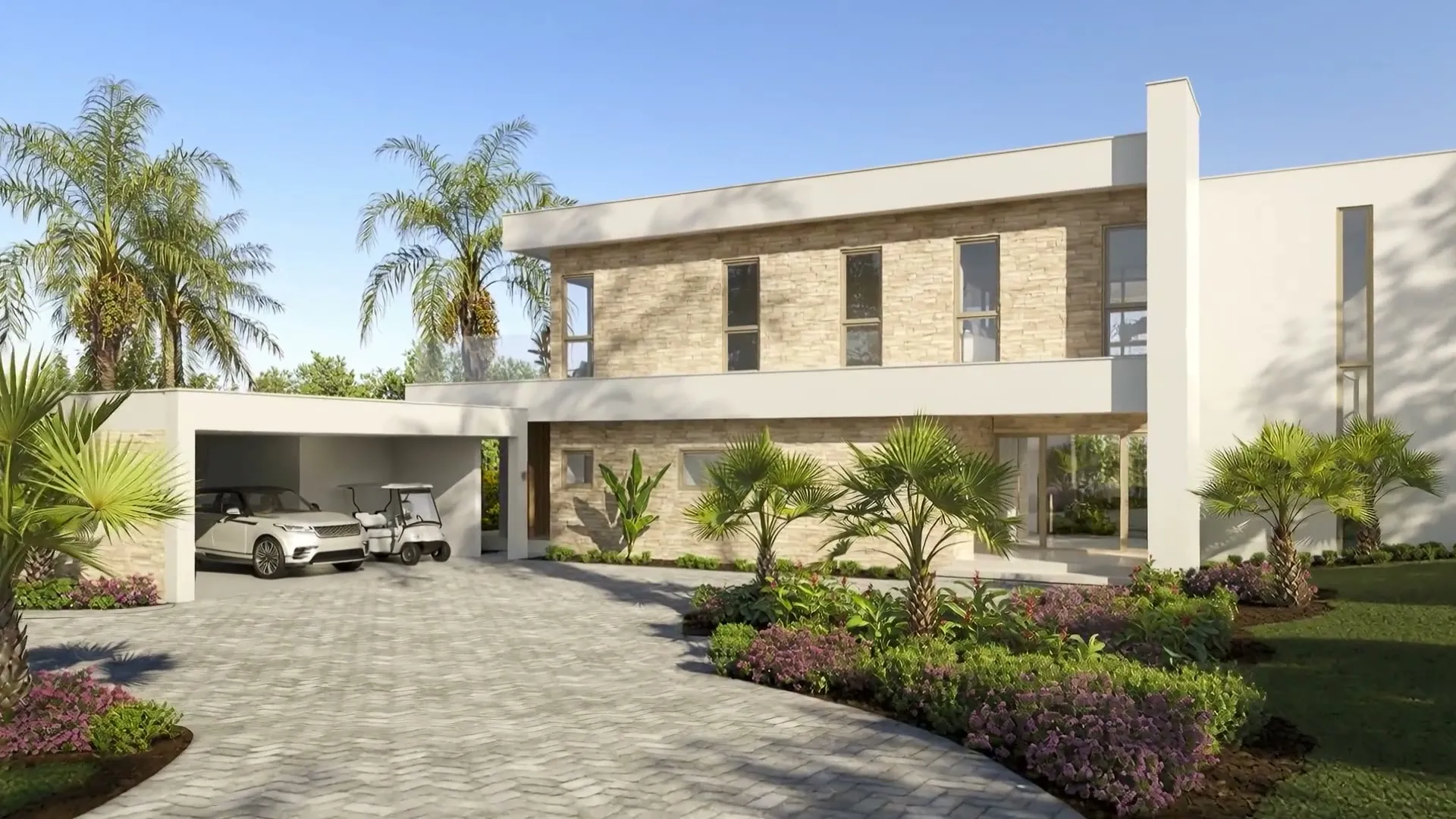
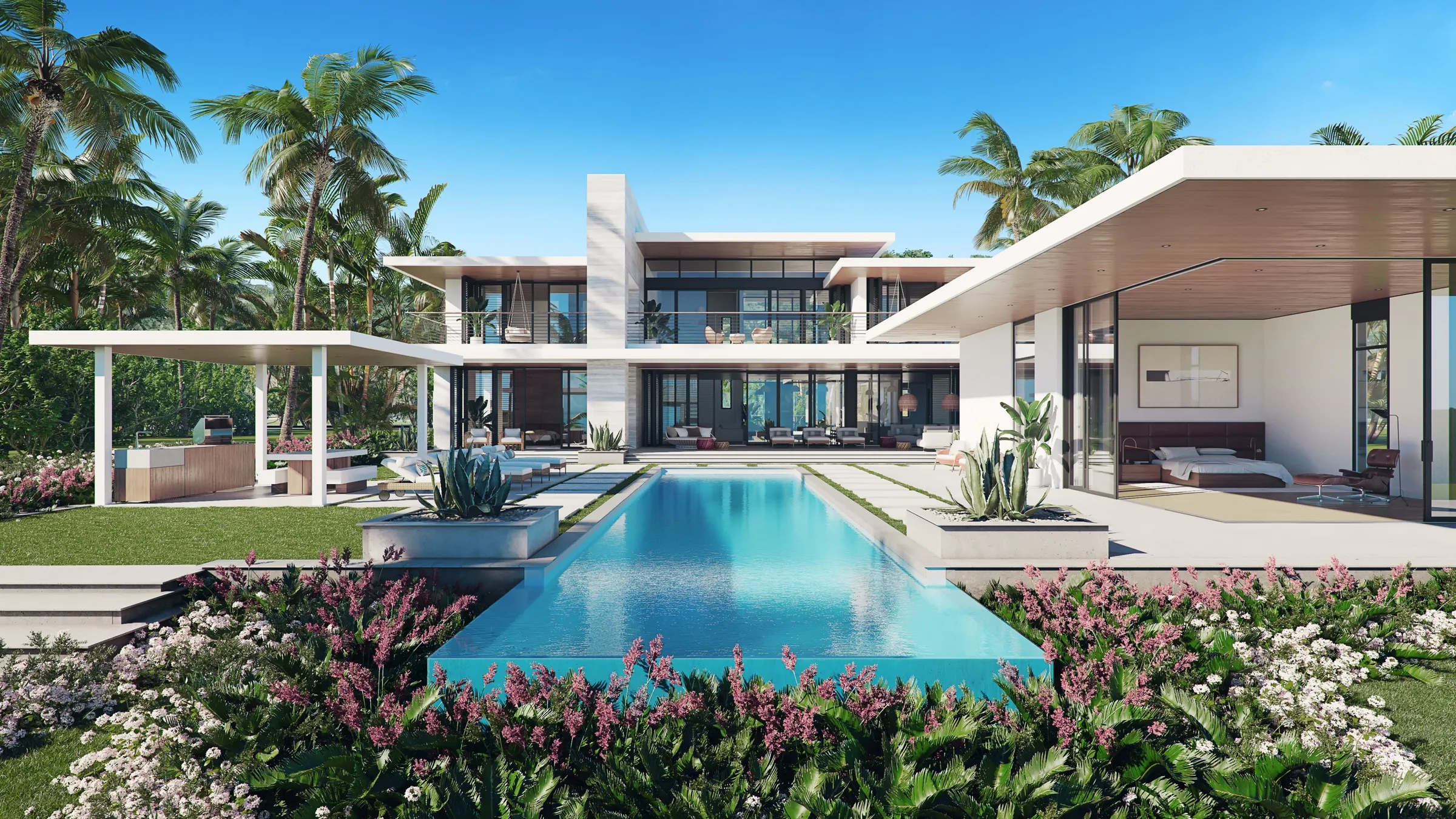
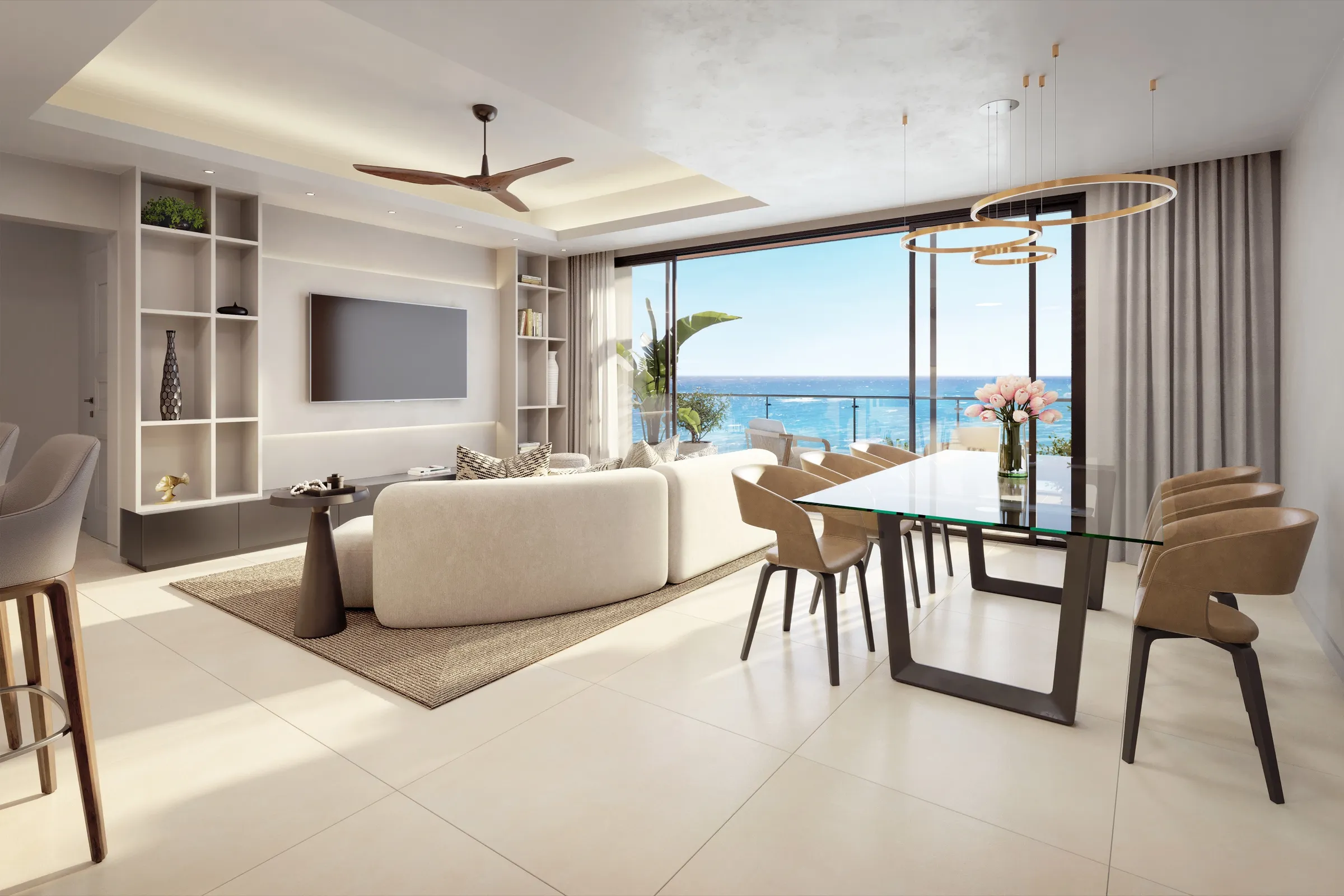
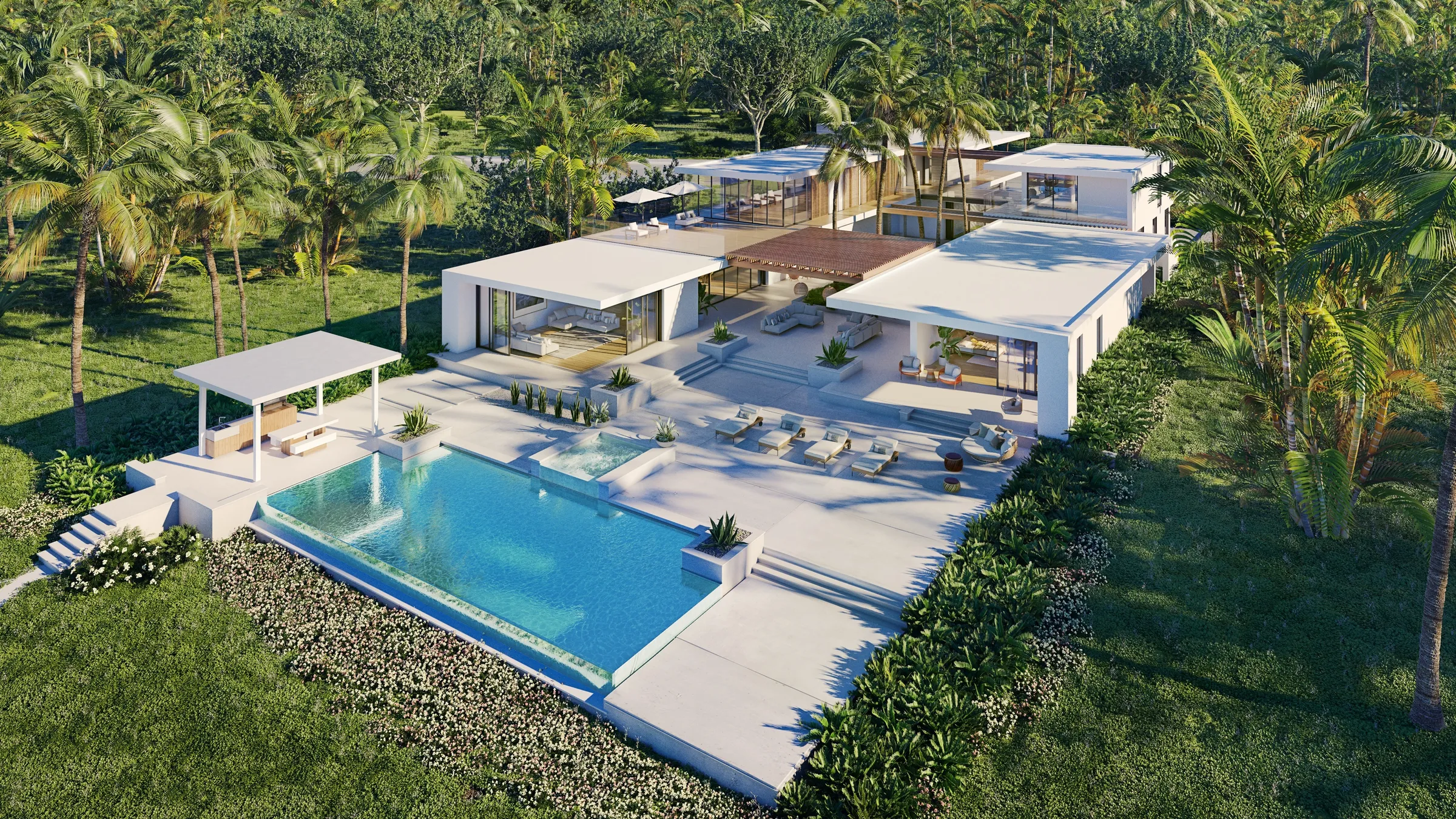
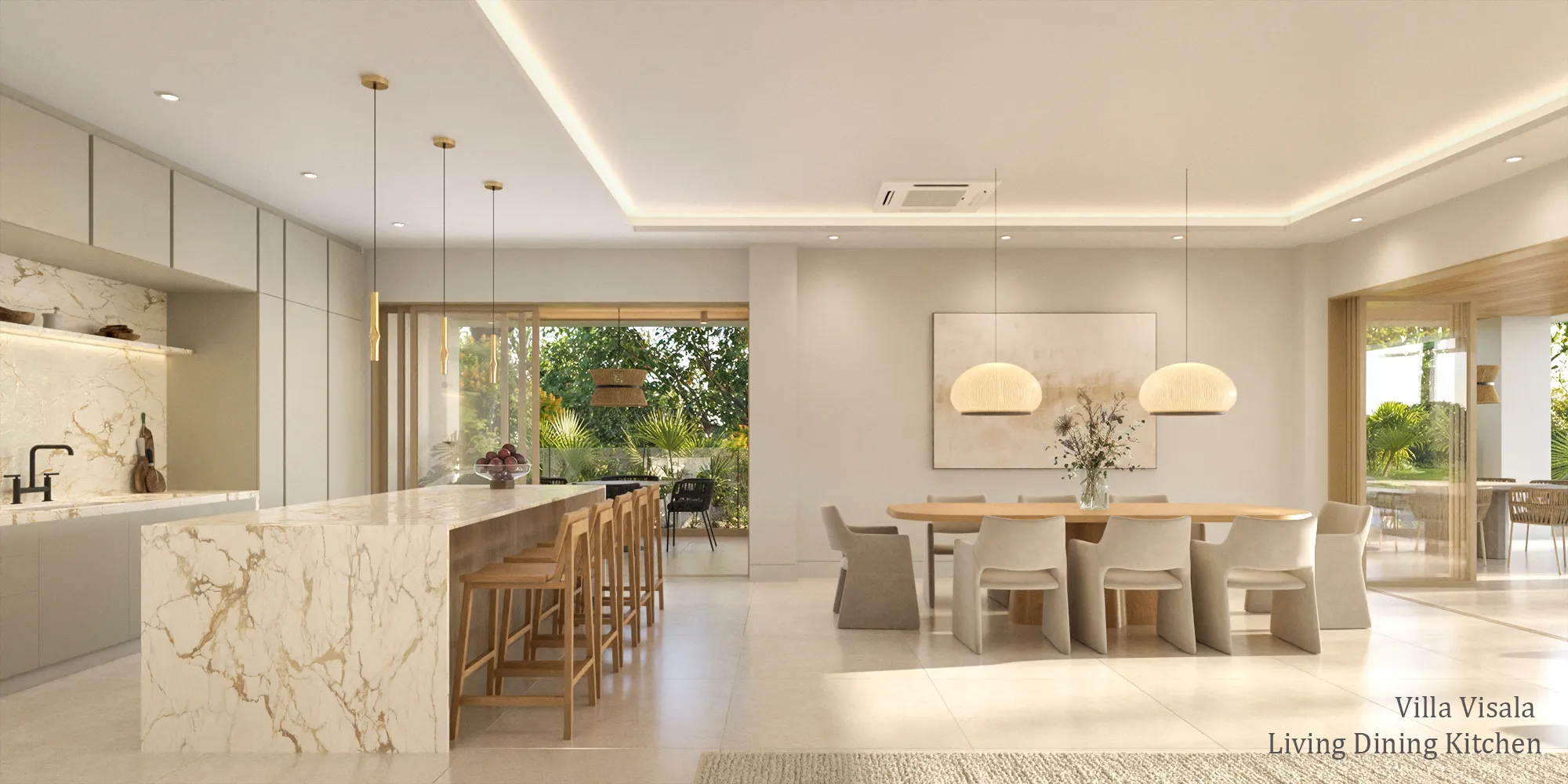
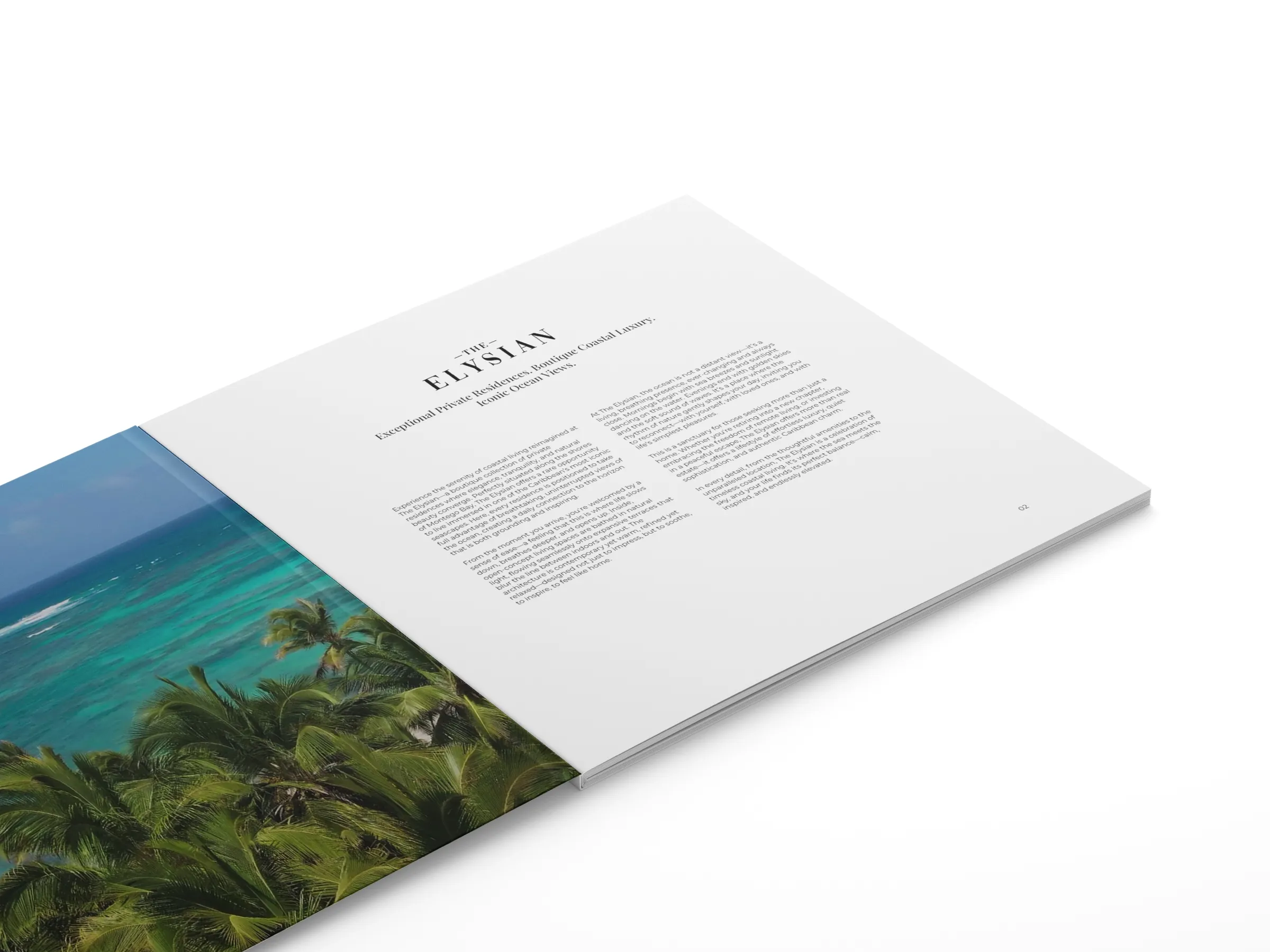
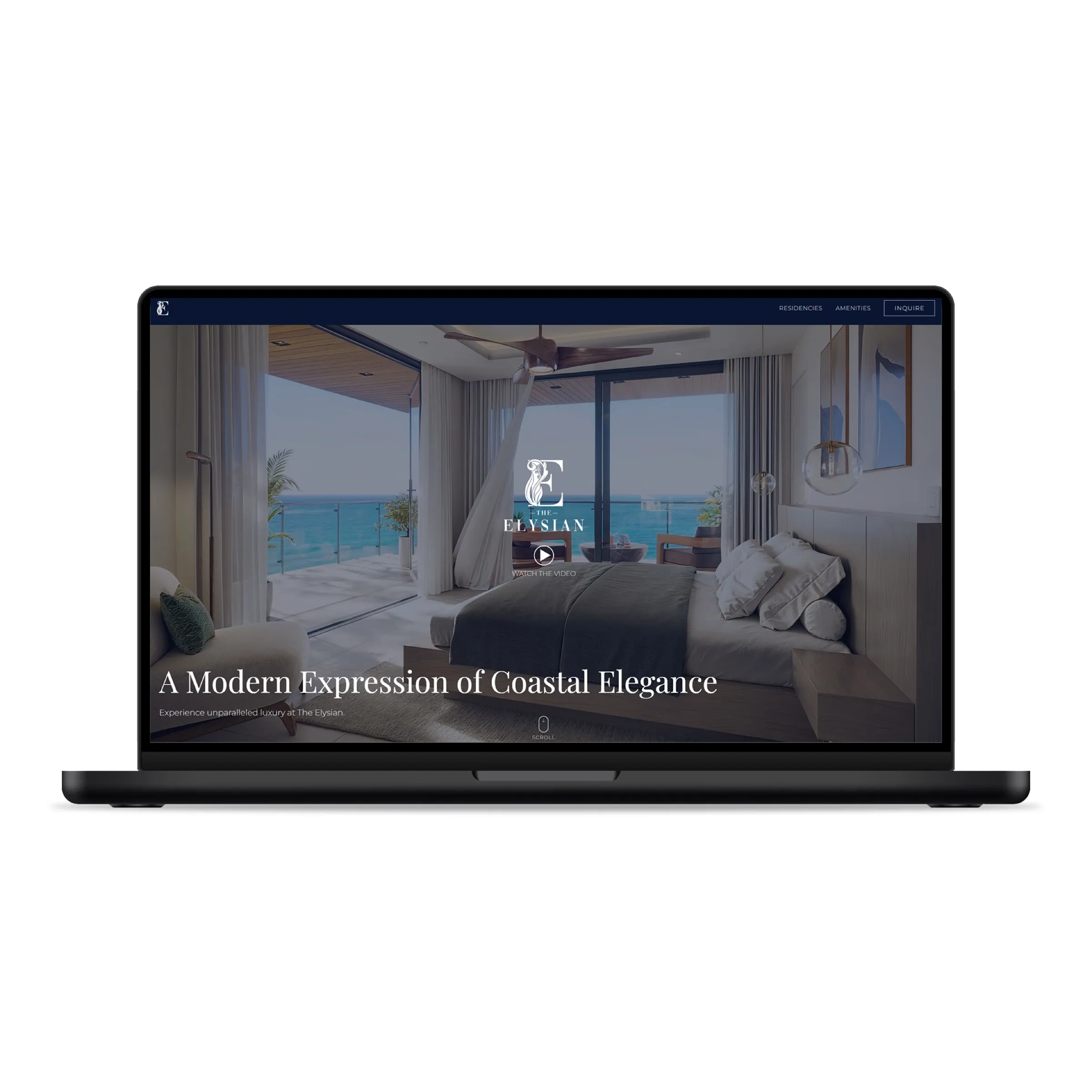
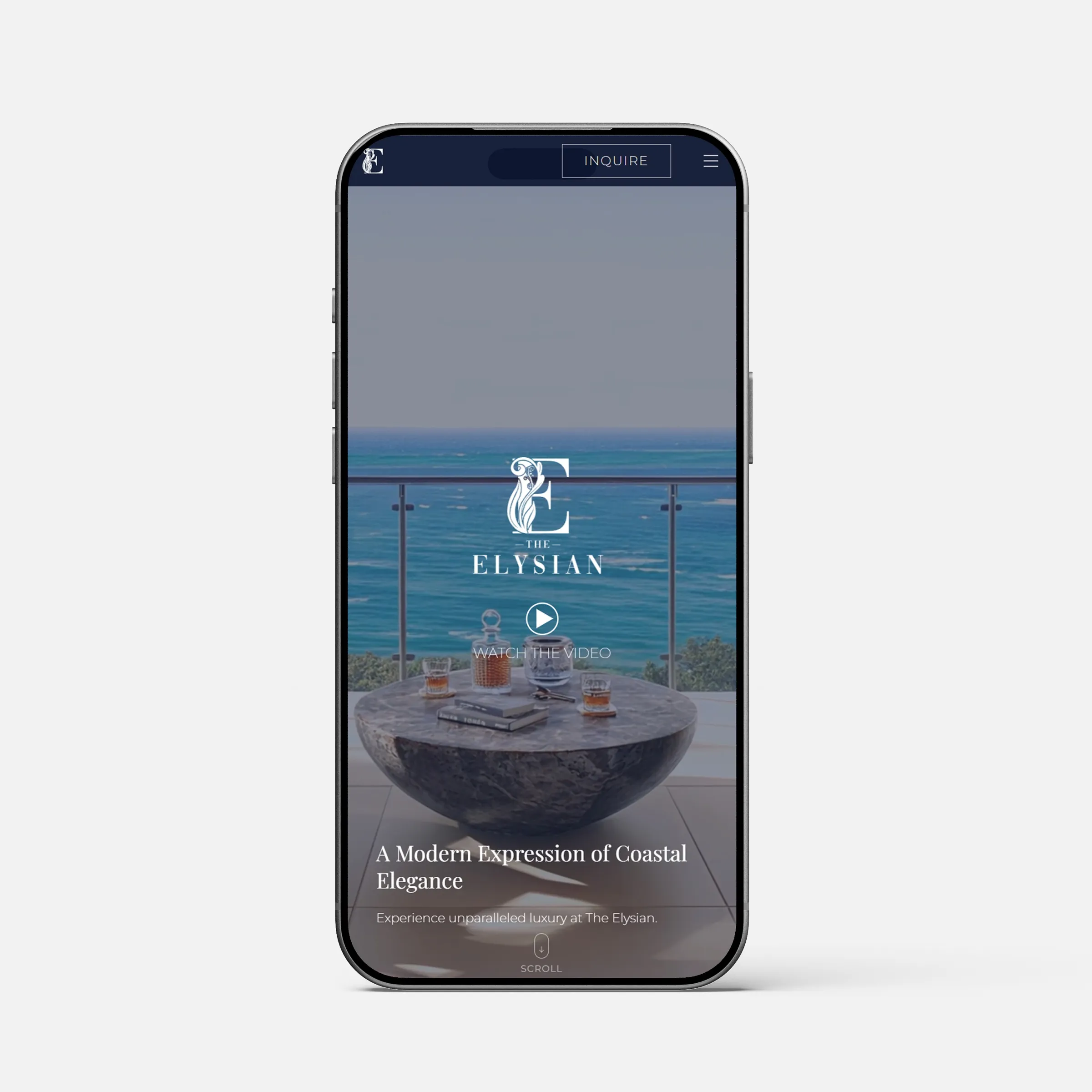
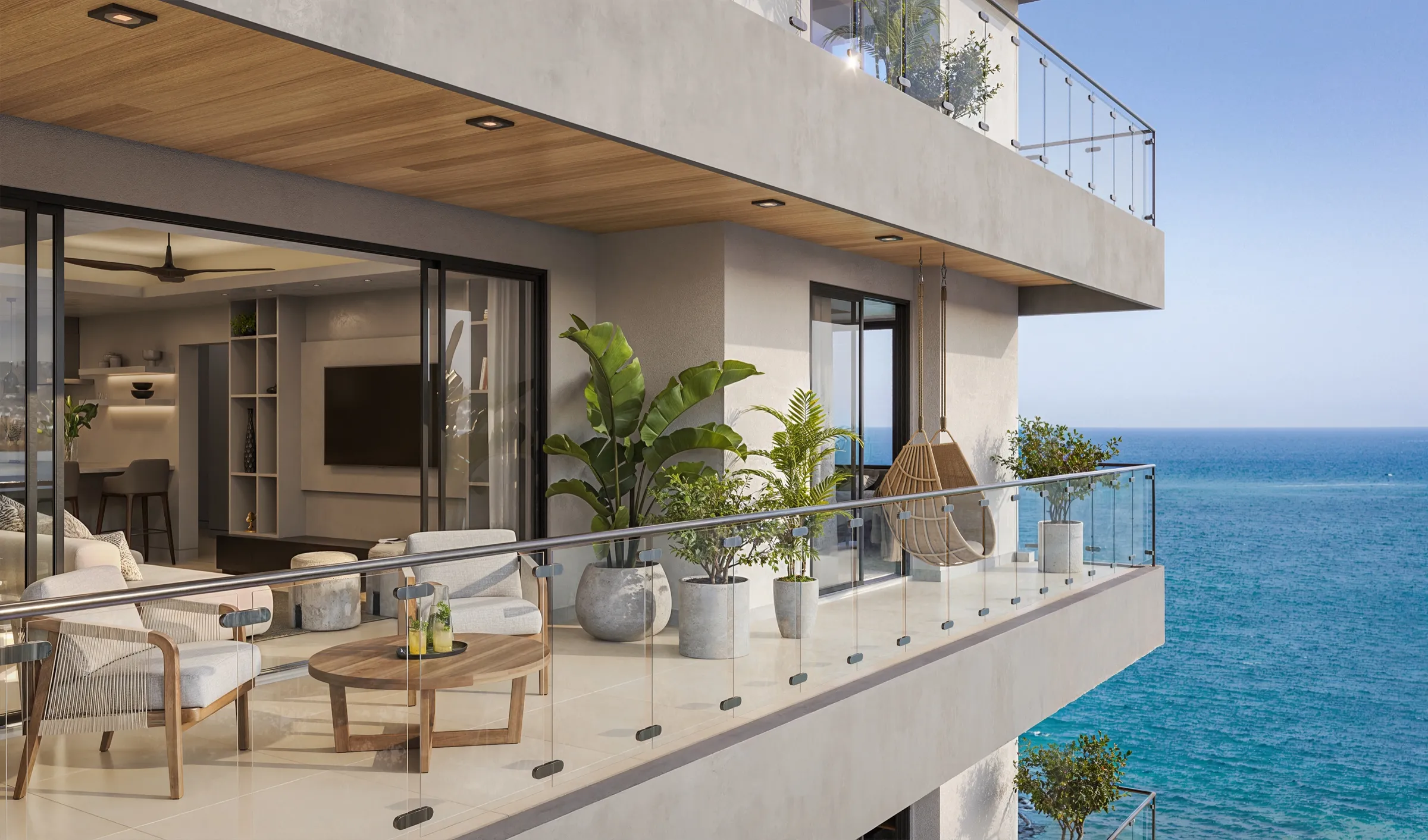
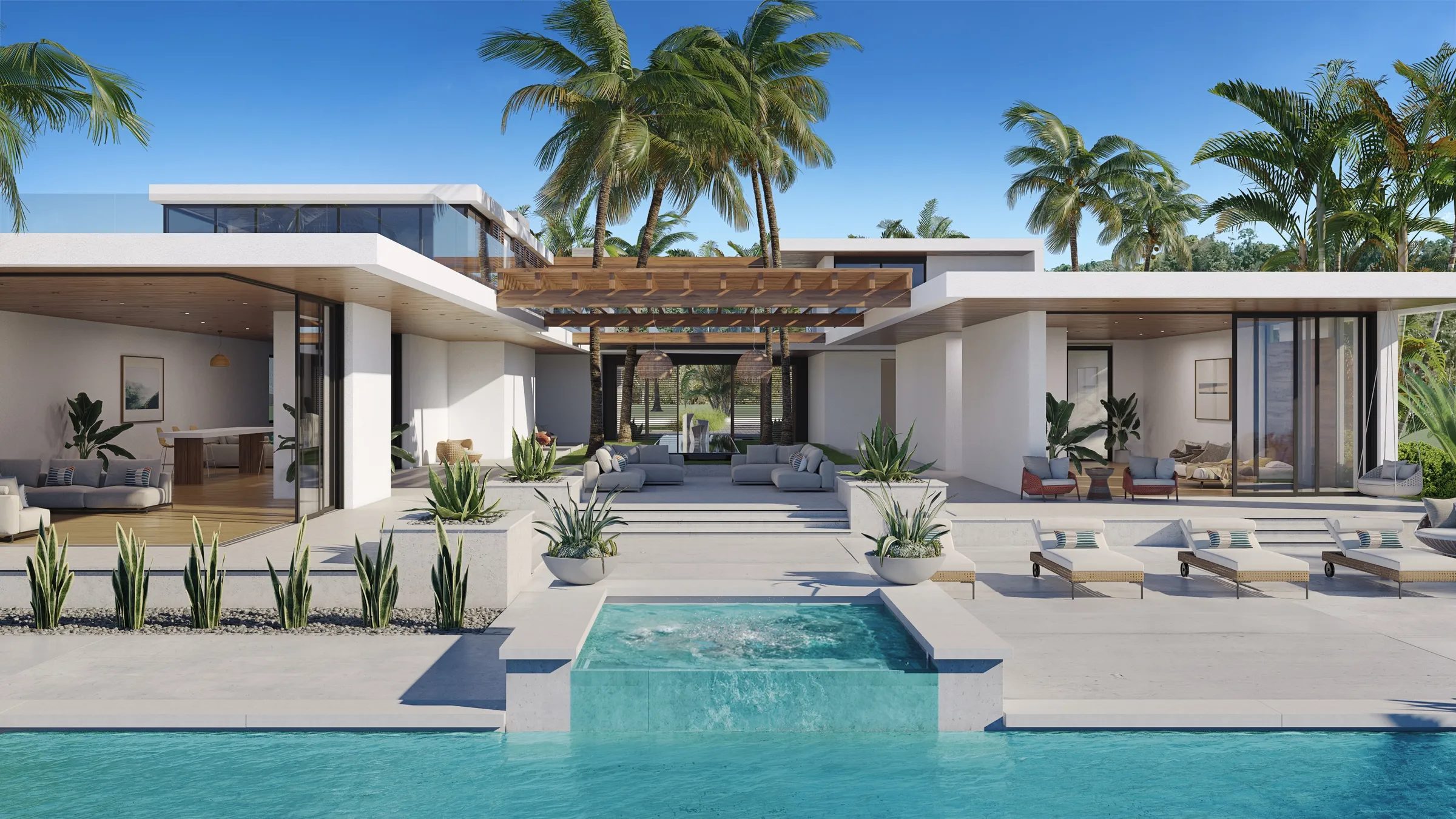
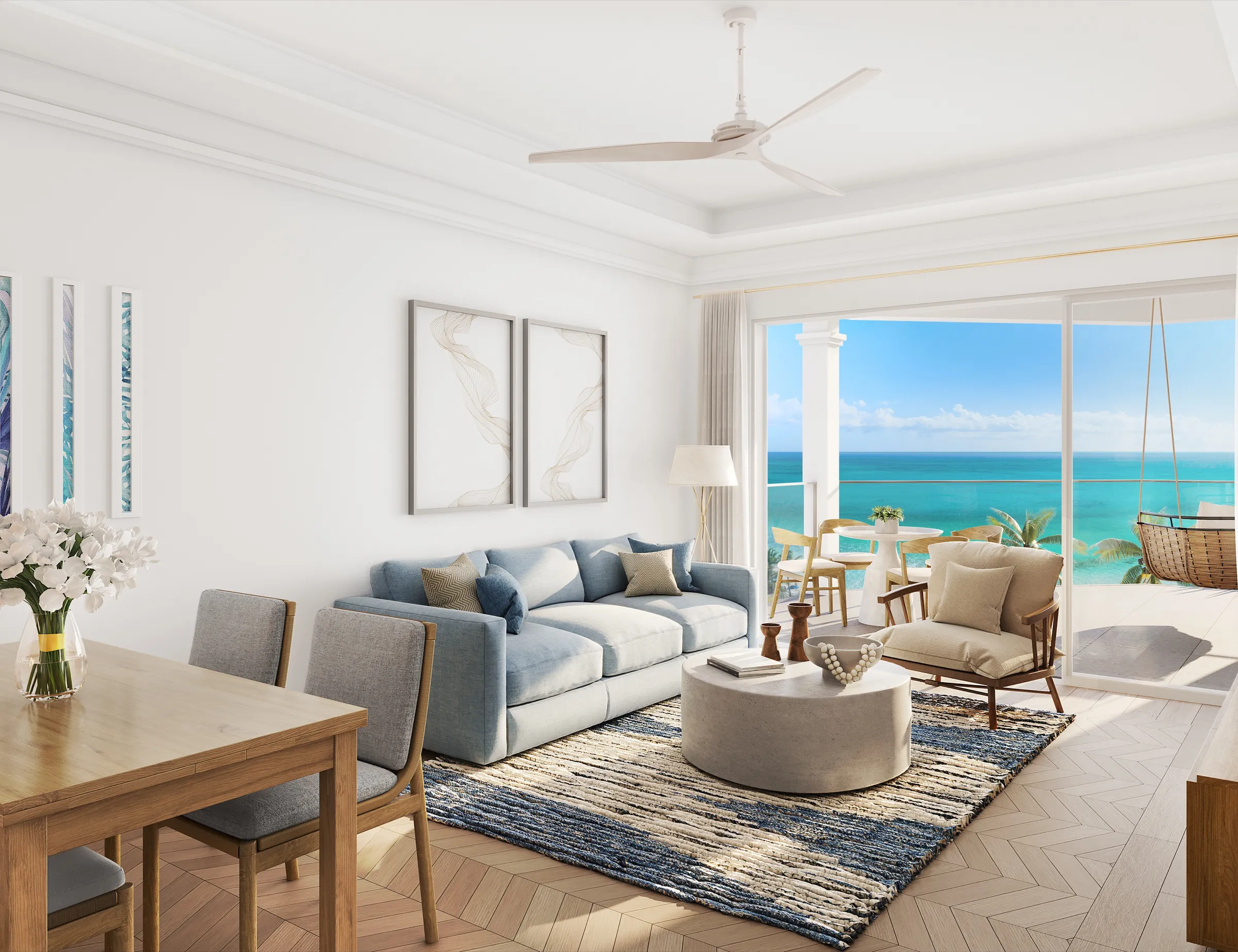
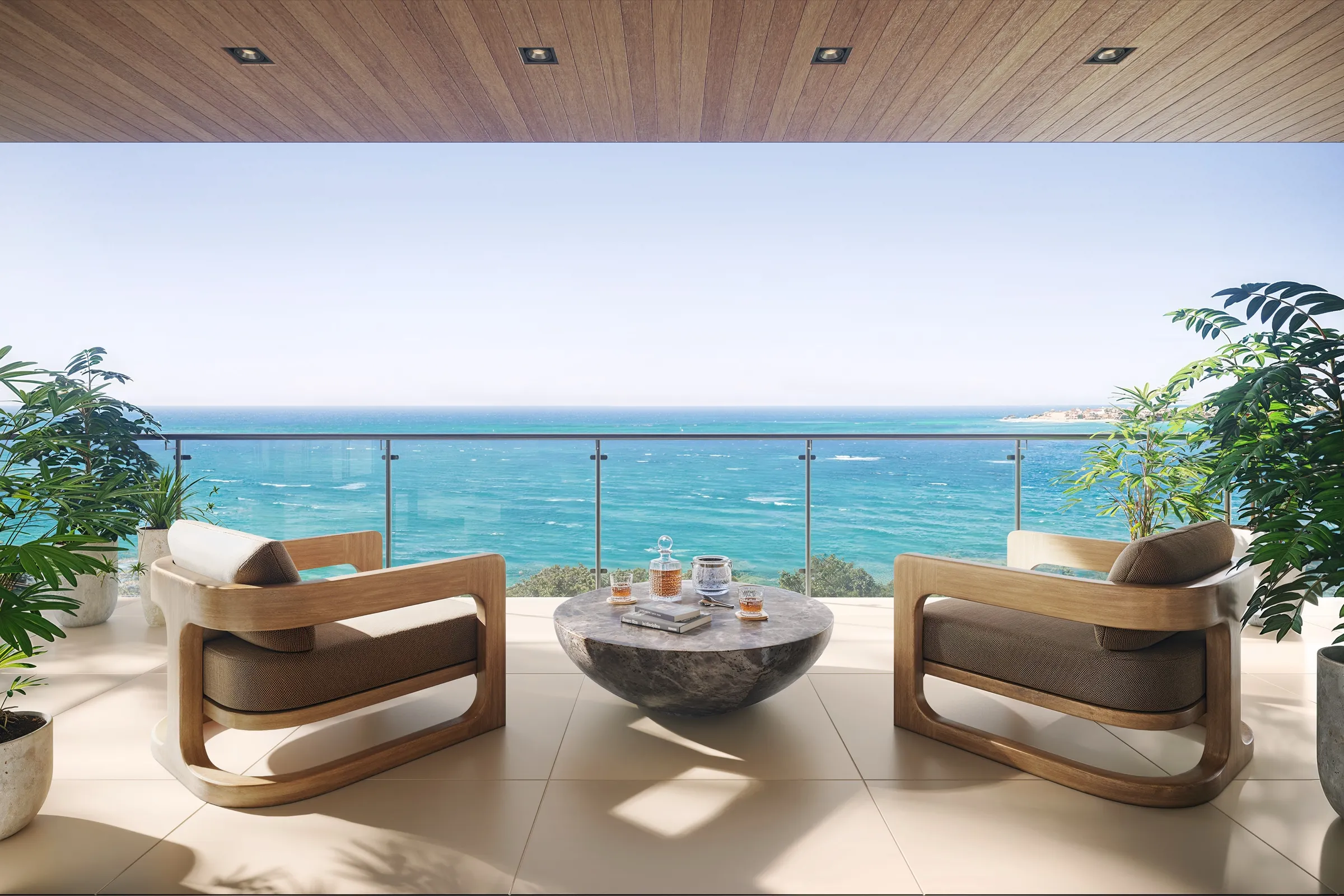
By answering in images the questions a buyer would otherwise ask on site: the view from each room, where the sun falls, how the terraces and pool connect, and what the finishes are. At Apes Hill, Barbados, Villa Solene sold before it was built, on its renderings and floor plan, with no finished home to walk through, and Villa Visala went to market off-plan on the same kind of imagery. For remote buyers we pair the stills with floor plans and, where it helps, an animation or a marketing website, as we did for The Elysian in Montego Bay. Our guide to pre-selling Caribbean real estate to remote buyers covers the full launch kit.
How do planning approvals work on each island, and can renderings help?
Approval always rests with your architect, your planner and the island's authority, and each island is different. In Barbados, applications go to the Planning and Development Department under the Planning and Development Act 2019, through its online ePortal, and coastal sites add a Coastal Zone Management Unit review of the setback from the high-water mark. In Turks and Caicos, applications go to the Department of Planning, larger projects file an environmental impact statement, and in September 2026 the government announced a temporary pause on certain developments on Providenciales. In the Dominican Republic, tourism projects can also seek CONFOTUR status under Law 158-01. Renderings help a board or neighbors understand a proposal: we place the building at the exact position, height and setback your architect has drawn, and never imply an approval the project does not hold. See our Barbados planning guide and Turks and Caicos 2026 guide.
Can you show the real ocean views and the actual site?
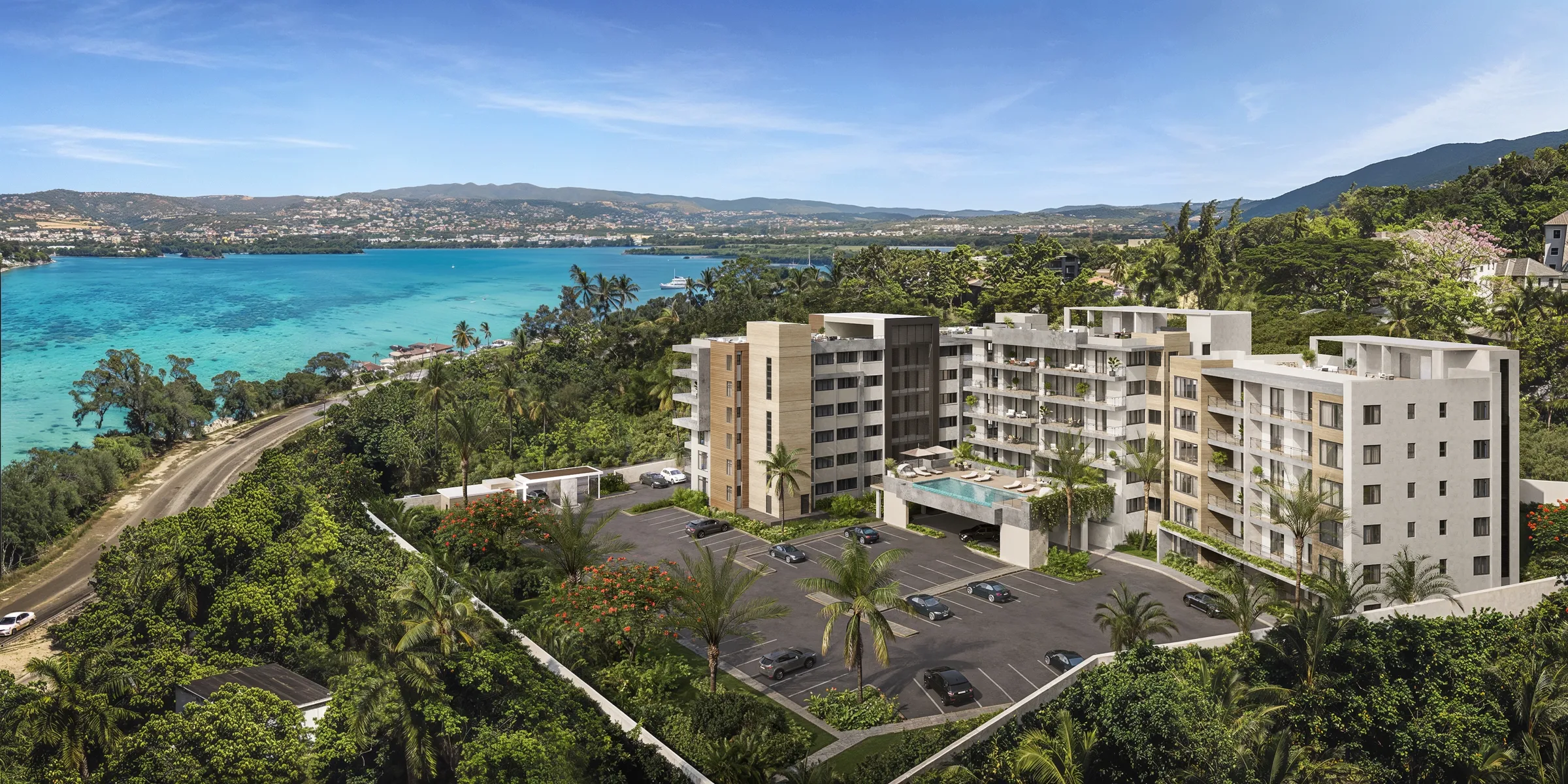
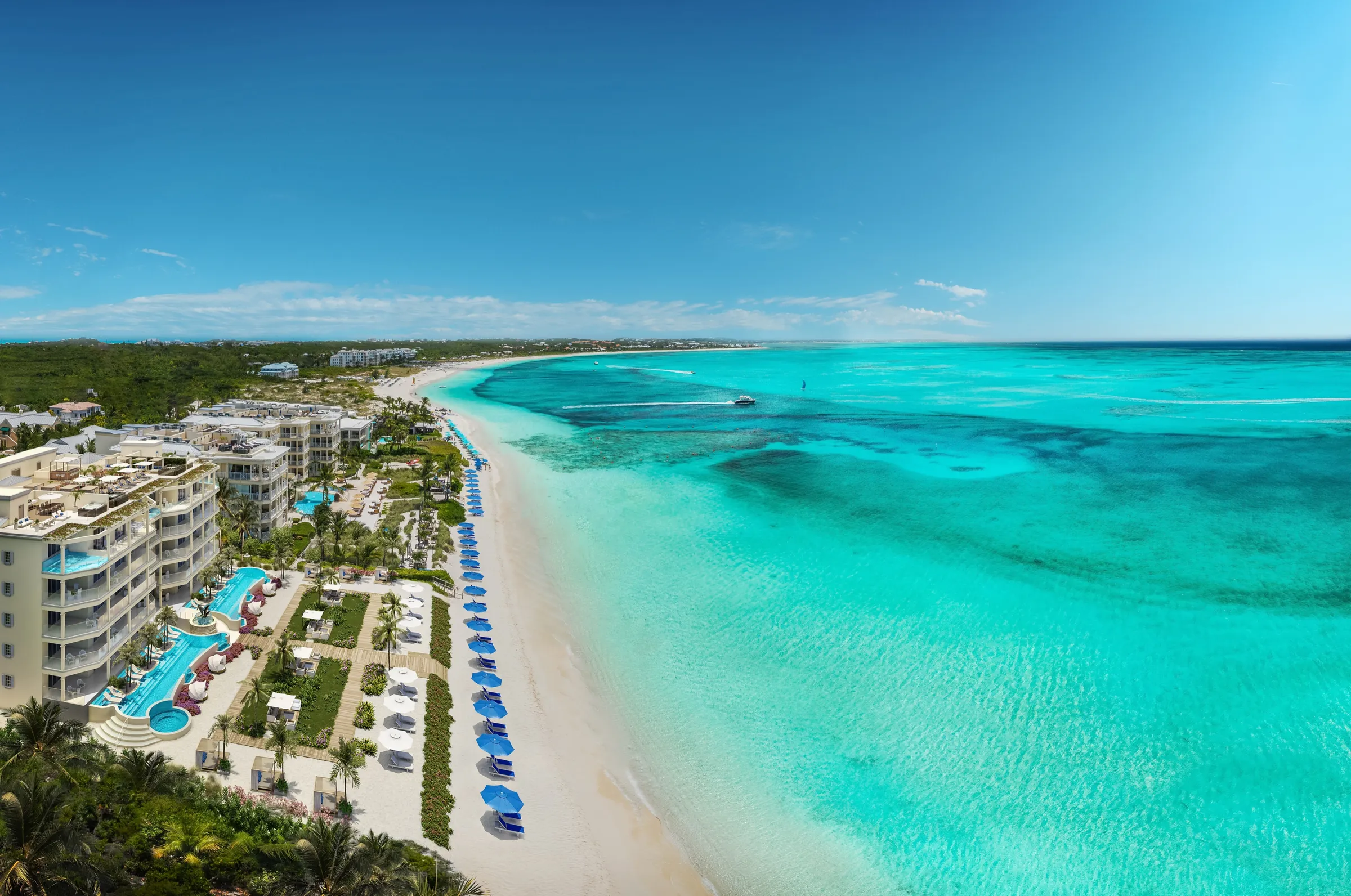
Yes. On our Turks and Caicos oceanfront resort work on Providenciales, the renderings were composited into real drone photography of the site, a drone photomontage, so the residences launched on the actual turquoise reef water. Where no footage exists yet, we write a drone guideline with shot positions, heights, and time of day, so your local operator captures the site at the exact angles our cameras use. We did the same for The Elysian in Montego Bay.
Do you work on branded and resort residences?
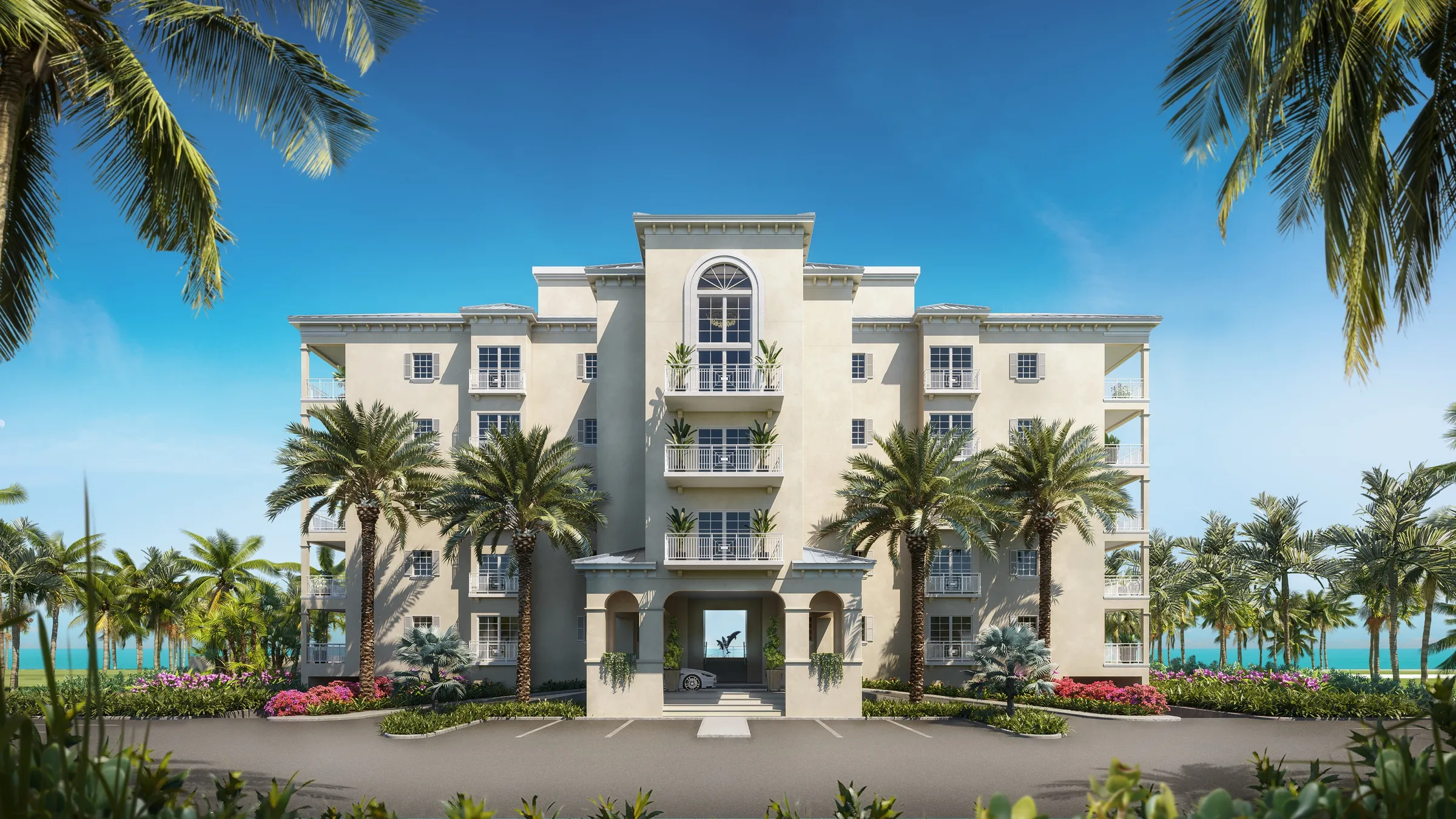
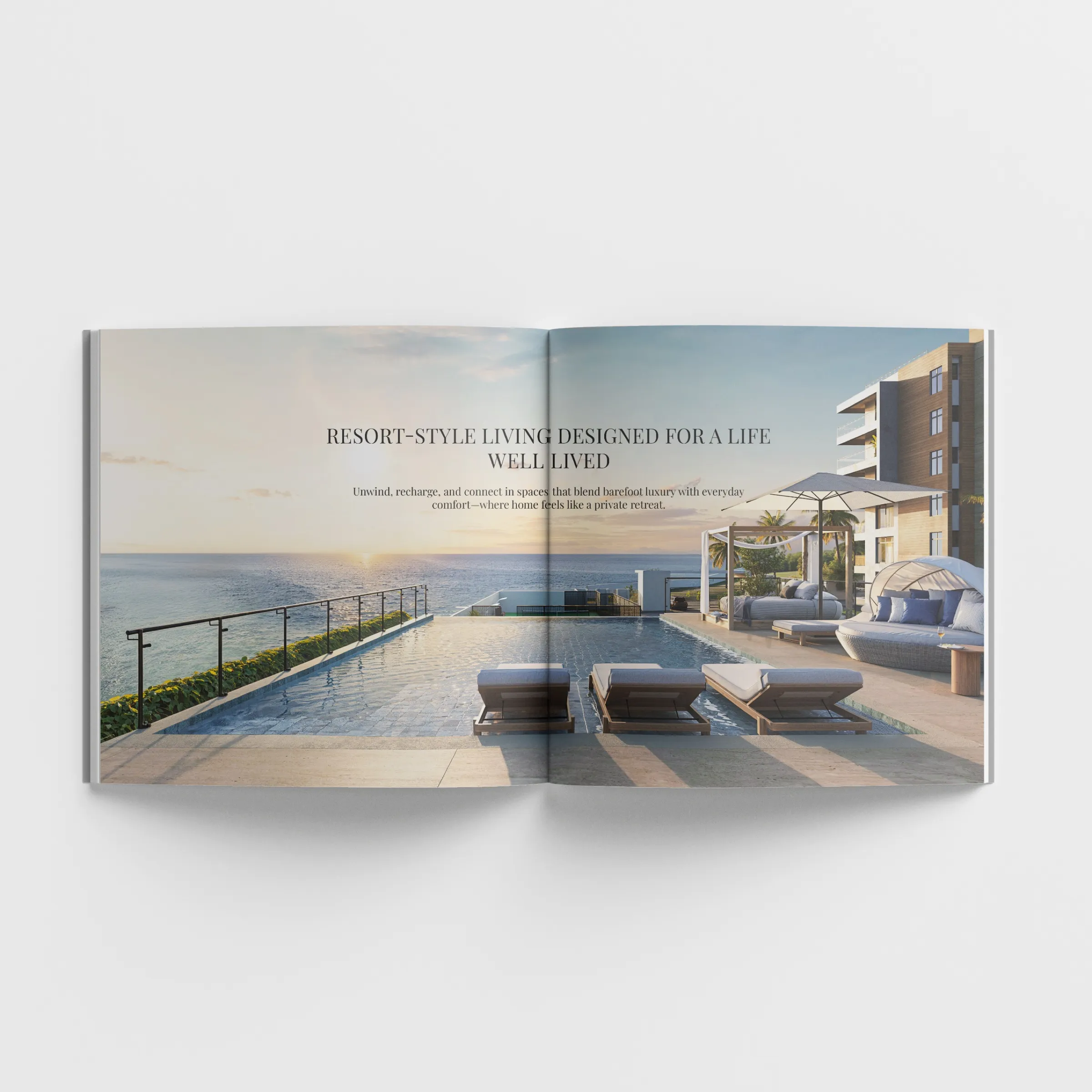
Yes. Resort and branded residences are a growing share of Caribbean development, and the imagery has to meet the operator’s brand standard as well as sell units. We have delivered a 48-unit resort condominium in Montego Bay and a phased beachfront condominium resort in Turks and Caicos, with exterior, aerial, rooftop, penthouse, and interior views, and we set up a single feedback channel when a brand, a developer, and an architect all review the work.
How does pre-sale imagery support project financing?
Off-plan pre-sales often fund construction, and lenders commonly want a set share of units sold before they release finance. That makes the renderings part of the financing, not only the marketing. On The Elysian, the renderings carried the investor conversations as well as the buyer presentations, and a marketing website we built put the renderings, animation, and floor plans in one place for both audiences.
How do you show hurricane-resilient and coastal design?
Accurately, and only as designed. We render the resilience features your architect has specified, such as storm shutters, impact glazing, raised floor levels, and roof and terrace details, so buyers can see them rather than read about them. We do not add features the drawings do not include, and we make no engineering or code claims. Those belong to your architect and engineer.