
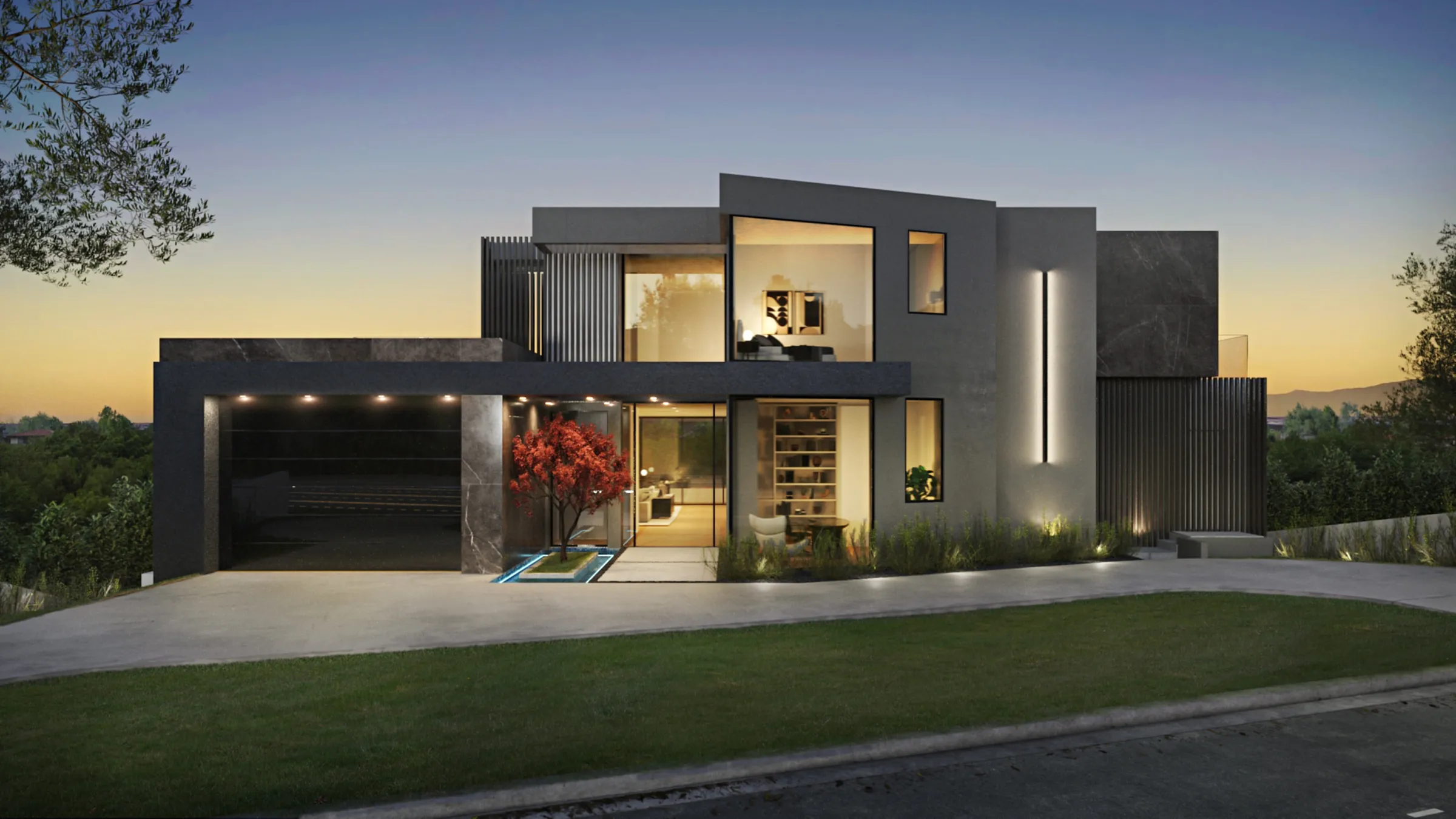
[ Pillar guide ]
The 3D rendering process: 7 stages, start to finish.
A good rendering is not a lucky image, it is the output of a process. This guide walks the seven stages of an architectural visualization project, what each one is for, what it protects, and why the order is not negotiable, because the process is what makes the imagery worth what it costs.
By Lukas Berezowiec, CEO, NoTriangle Studio
Updated
[ Quick answer ]
The architectural 3D rendering process runs in seven stages: analysis, design alignment, moodboard, white-model preview, photoreal rendering, revisions, and delivery. A discovery call comes before them, and animation, virtual tours and floor plans can follow from the same model. The key gate is the white model, where every camera angle is approved before color and light.
[ Start here ]
The renderings sit in the middle of a longer process.
Most people think architectural visualization is about making renderings. It is not, quite. The renderings sit in the middle of a longer process. Work happens before, to make the renderings possible and to make them the right renderings. Work can happen after, to extend them into everything else a project needs. What you are really buying, when you hire a studio, is that process, and the difference between a strong image and a weak one usually traces back to it rather than to raw skill at the final frame.
Every project we run moves through the same seven stages in the same order, wrapped by a discovery call before and optional extensions after. Below is what each stage does and, more usefully, what it protects, because the value of a stage is clearest when you look at what goes wrong without it. If you would rather see the whole thing drawn as a map, our how we work page lays out the three phases and seven stages visually.
[ The shape ]
Three phases around a core of seven stages.
The work divides into three phases. Phase one is before we begin: a discovery call where we learn what the project has to do, who the buyer is, what the deadlines are, and whether we are the right studio for it. We do not write proposals without it, because a price only means something once the project is understood.
Phase two is the core, the seven stages that turn an understood project into finished renderings. Phase three is after delivery: extending the model that now exists into animation, virtual tours, floor plans, and a site plan, without building any of them from scratch. The seven stages are where most of this guide lives, so we take them one at a time.
[ At a glance ]
The seven stages, side by side.
| Stage | Purpose | What the client provides | What gets approved |
|---|---|---|---|
| 1. Analysis | Understand the buyer, the market and what the images must do | Project brief, target buyer, launch or approval dates, comparable projects | The brief and the list of views |
| 2. Design alignment | Make architecture, interior and landscape files agree; flag gaps | CAD, Revit, SketchUp or other 3D files, PDFs as reference, landscape and interior packages | Resolution of every flagged discrepancy |
| 3. Moodboard | Fix look, lighting, time of day, materials and atmosphere | Finish selections, brand guidelines, reference images | The visual direction, signed off by all decision-makers |
| 4. White-model preview | Lock camera angles, composition and proportions before color | One consolidated round of comments on each angle | Every camera angle |
| 5. Photoreal rendering | Apply materials, light, furniture and styling | Any updated finishes or furniture specifics | First photoreal drafts go to review |
| 6. Revisions | Refine the images against the approved direction | One consolidated set of notes per round, from one person | Final sign-off per image |
| 7. Delivery | Full-resolution files with usage defined | Formats, sizes, print needs | Delivered files; the model is retained for extensions |
Revision rounds are included with every project, and the exact number is confirmed in the proposal.
[ The seven stages ]
Each stage, and what it protects.
Once a project begins, the first work is not modeling, it is understanding. Market analysis, competitor scan, buyer profile, project context: who is going to see the imagery, what they already look at, what the project has to compete with, and what level of finish that audience expects. This is the stage that decides whether an image will land with the people it is meant for.
What it protects: every creative choice downstream. The camera angles, the lighting, the time of day, whether a room is shown empty or lived in, are answers to questions the analysis raises, not aesthetic decisions made in isolation. Skip it, and you get a technically clean image that speaks to no one in particular, which is the most common failure in the whole field.
Before any modeling begins, the files have to be coherent and the design resolved. Architecture, interior, landscape, and structure often arrive from different teams and do not always agree. Discrepancies are flagged and settled with you, missing files are identified and sourced, and where a design is incomplete, design services can fill the gap before production starts rather than after.
What it protects: the entire budget and timeline. A discrepancy discovered mid-render is expensive rework; the same discrepancy caught here is a five-minute email. This is the least glamorous stage and one of the most valuable, because it moves the surprises to the front of the project where they are cheap.
With the design resolved, the moodboard fixes the visual language before a single asset is built: the look, the lighting, the materials, the atmosphere the images will carry. On a multi-stakeholder project this is the single most important alignment moment, the point where operator, marketing, architect, and capital lead agree what the work will feel like, in the room, together.
What it protects: you from subjective feedback wars later. Agreeing the direction up front, in reference images everyone can see, means the notes that come during production are about execution, not taste. Misalignment that is not resolved here resurfaces as expensive, circular revisions at the worst possible time.
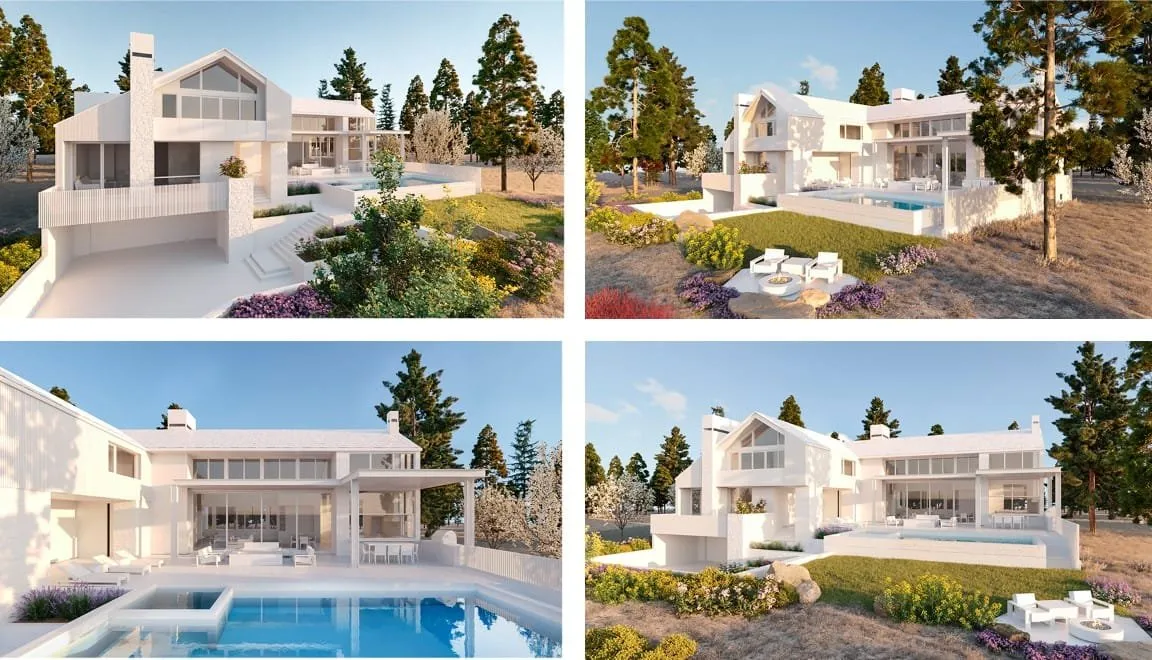
Before any color, material, or lighting is applied, every camera angle is rendered as a clean, untextured model, and you approve it. This is the stage that most separates a serious studio from an order-taker. It is where the composition, the proportions, and the framing get locked while changing them still costs almost nothing.
What it protects: the most expensive work in the project. A studio that jumps straight to a finished image is gambling, because if the angle is wrong you discover it after the costly lighting and texturing is already done. Approving the white model is where most of the real decisions actually happen; once the geometry and the camera are agreed, the photoreal pass is largely execution.
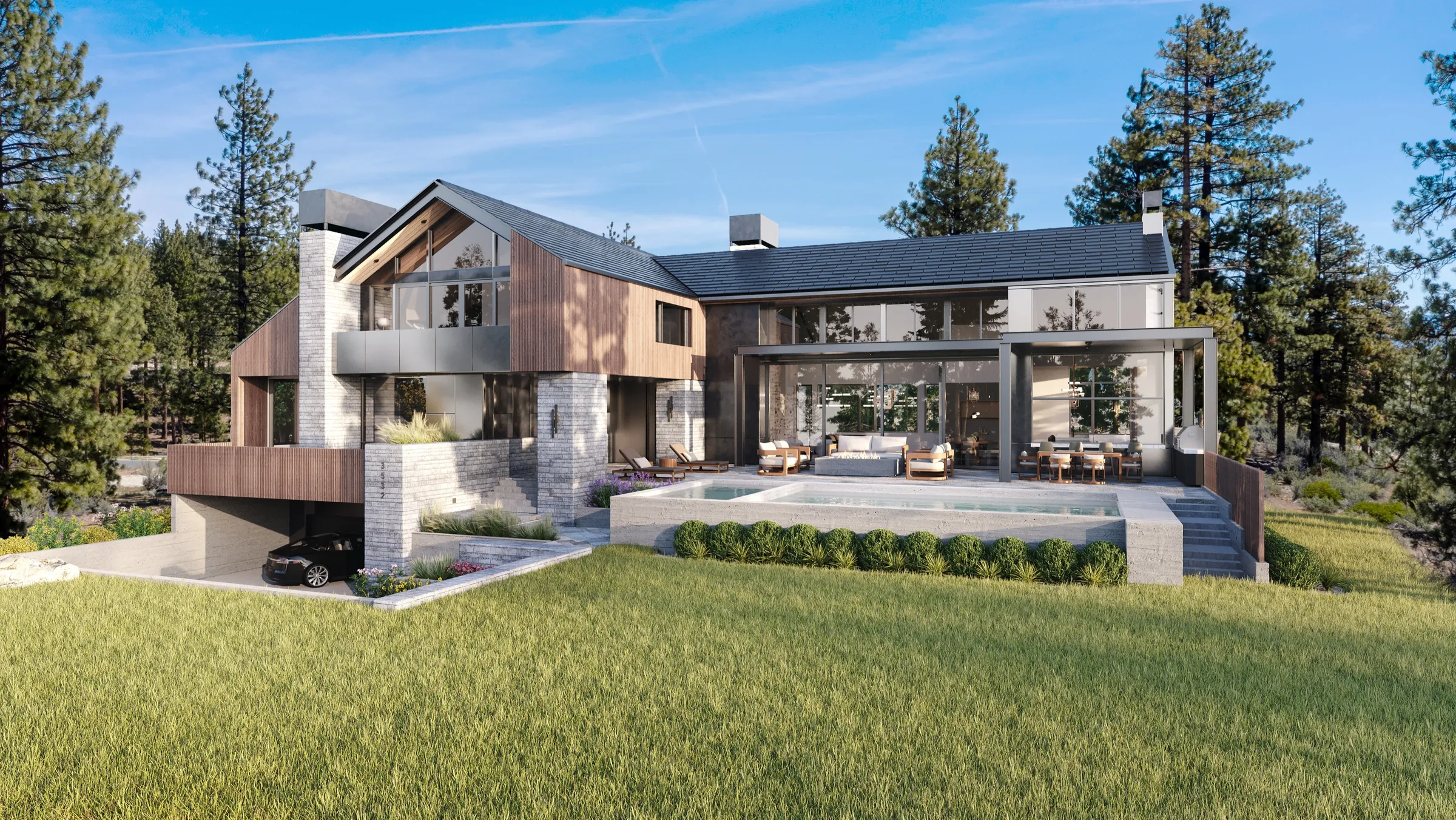
Only now, with the structure approved, do color, material, and light go on. This is the craft stage, and it is where the difference between a Standard and a Premium image lives: library furniture and fair lighting on one end, custom-modeled pieces and lighting used as storytelling on the other. The image finally looks like the thing it is meant to sell.
What it protects: the return on everything before it. Because the framing is already settled, the artists spend their time on what a buyer actually reads as quality, the finish, the props, the way the light falls, rather than on fixing a composition that should have been resolved two stages earlier.
Revision rounds are included, and the number is confirmed in the proposal. The distinction that keeps this stage sane is the one between a correction and a revision. Correcting something against the brief is not a revision, it is fixed as a matter of course. A revision is a refinement you request, a different angle after approval, a material swap, a lighting adjustment, and we tell you which one a request is before starting.
What it protects: the budget and the goodwill on both sides. Consolidated feedback, one channel and one decision per round, turns revisions into a short, finite stage. Scattered notes from many people at different times is the most reliable way to bleed rounds, and it is almost always a client-side habit rather than a studio problem.
The final renderings are produced at full resolution and delivered in the formats the project needs, with usage defined so you can market the property across your website, listings, brochures, and agent packages. The model that produced them is retained, which is what makes everything after delivery efficient to produce.
What it protects: your ability to keep using and extending the work. A studio that hands over images but not a usable model, or that leaves rights vague, quietly limits what you can do next. Clean delivery is not just the last step, it is the thing that keeps the door open to the whole of Phase III.
[ The order ]
Why the sequence is not negotiable.
The stages are ordered so that each one de-risks the next, and the single clearest expression of that logic is that color and light come last. Photoreal materials and lighting are the most time-consuming, most expensive part of an image. Applying them before the framing is approved means doing the costliest work on top of a composition that might still be wrong, which is why the white-model preview sits where it does: it forces the cheap decisions to happen before the expensive ones.
The white model is the tell of a serious studio. Stripped of color and materials, there is nothing to hide behind, so the angle, the proportions, and what each frame will and will not show get agreed while they are still free to change. Approve the white model, and the photoreal pass becomes execution rather than exploration. Skip it, and every problem you would have caught for nothing gets caught later for a great deal. A studio that shows you a finished render first, with no untextured stage in between, is telling you something about how it works. We go deeper on this in why we white-model every angle before adding color, and on how the review rounds that follow really work in how revision rounds really work.
[ After delivery ]
Everything the same model can still do.
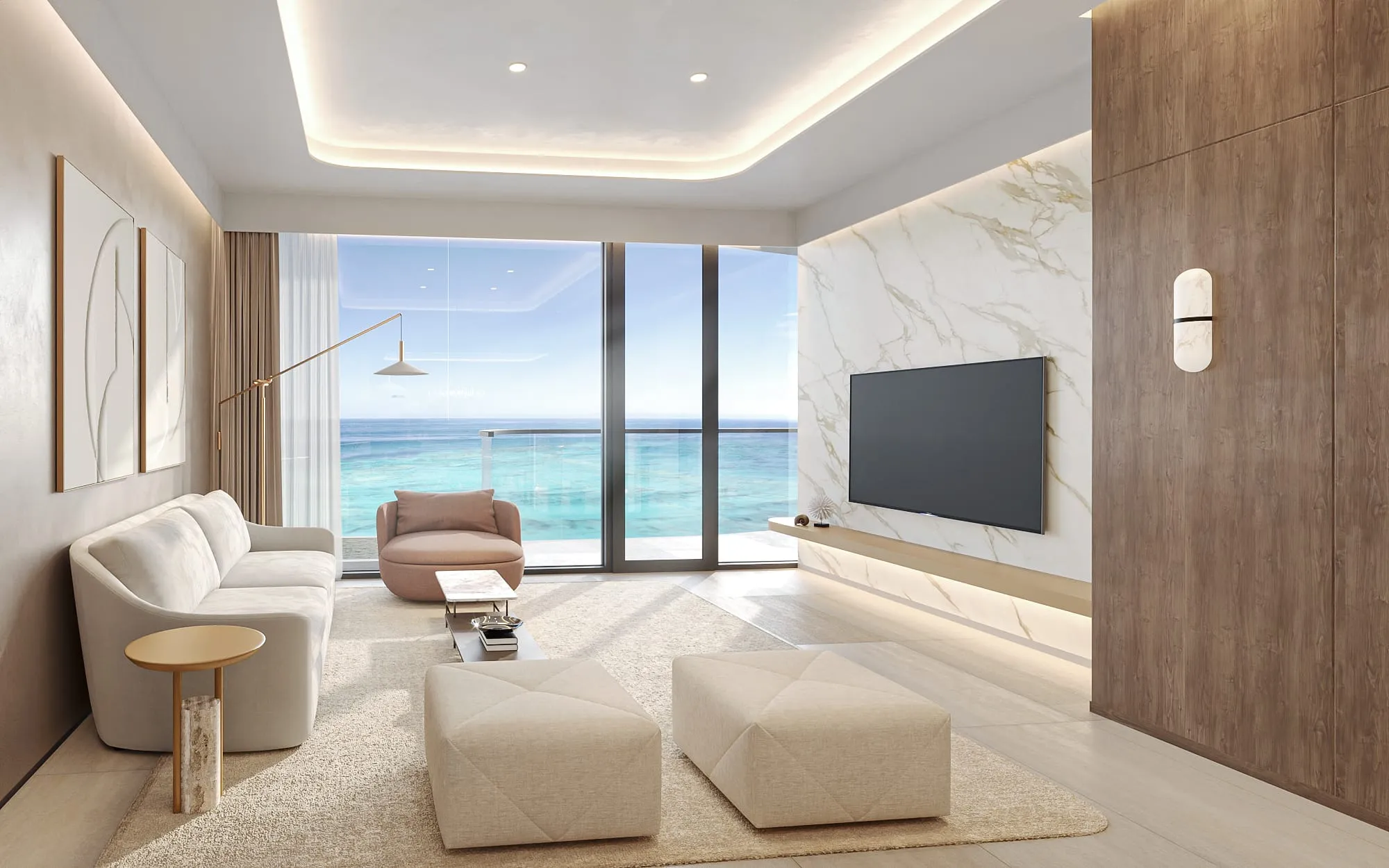
Delivery is the end of the core project, not the end of the value. Because the model, the materials, and the lighting already exist, they extend into other deliverables without starting each one from scratch. A 3D animation for the pitch and the launch. An interactive virtual tour, built from the same scenes as the still images. Stylized floor plans that a buyer can actually read. A site plan that shows a whole development at once.
This is why clean delivery and a retained model matter so much, and why the ownership question is worth asking before you sign. The studios that leave you with images but no usable model quietly close this door. Ours stays open, which is how a single project can grow into a full set of marketing assets over time. The economics of it are covered in the cost of renderings, and the deliverables themselves live across our animation and virtual tour services.
[ Under one roof ]
Why the whole process runs in-house.
A process is only as reliable as the team running it, which is why ours runs entirely in-house, with no subcontracting. When the same people carry a project from the discovery call through delivery, the analysis actually informs the moodboard, the moodboard actually informs the white model, and nothing is lost in a handoff to a vendor who never sat in on the brief. Accuracy, schedule, and confidentiality all stay under one roof.
A studio that quietly subcontracts is a broker, and the process breaks at every seam where the work changes hands. On a project that carries your brand and your buyers, the integrity of the process is not a detail, it is the product. If you are weighing studios, our guide on how to choose a 3D rendering studio covers the questions that surface how a studio really works, and why we keep the whole process in-house makes the fuller case.
[ Timeline ]
Where the time really goes.
When a project stretches into months, the cause is almost never the rendering itself. It is the waiting: on decisions, on selections, on feedback, and it sits almost entirely on the client's side. A stage cannot start until the one before it is approved, so a round of comments that takes two weeks to arrive adds two weeks to the calendar, whatever the production plan.
This is the most useful thing to understand about the process if you want it to stay on schedule, because the levers that control the timeline are the ones you hold. Arriving with a resolved design, gathering your material selections before production starts, and consolidating feedback into one clear round rather than a trickle of notes from several people will do more for the schedule than any amount of pressure on the studio. A defined process minimizes the back-and-forth, but it cannot make your decisions for you. The projects that stay on schedule belong to the clients who came prepared and kept their decisions moving, a pattern we have watched hold across hundreds of jobs and one we cover in what 500+ projects taught us about 3D rendering.
[ The process in practice ]
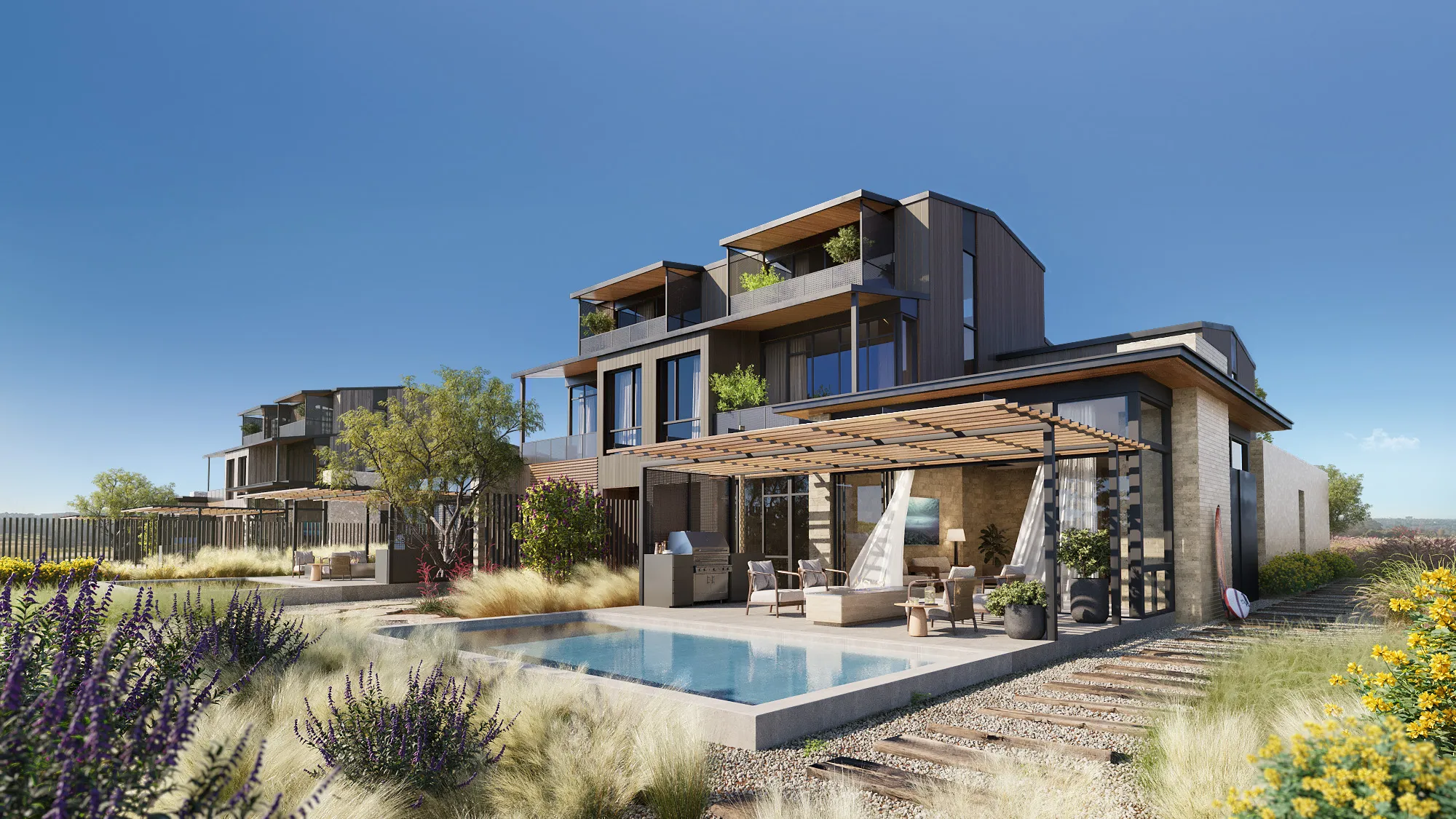
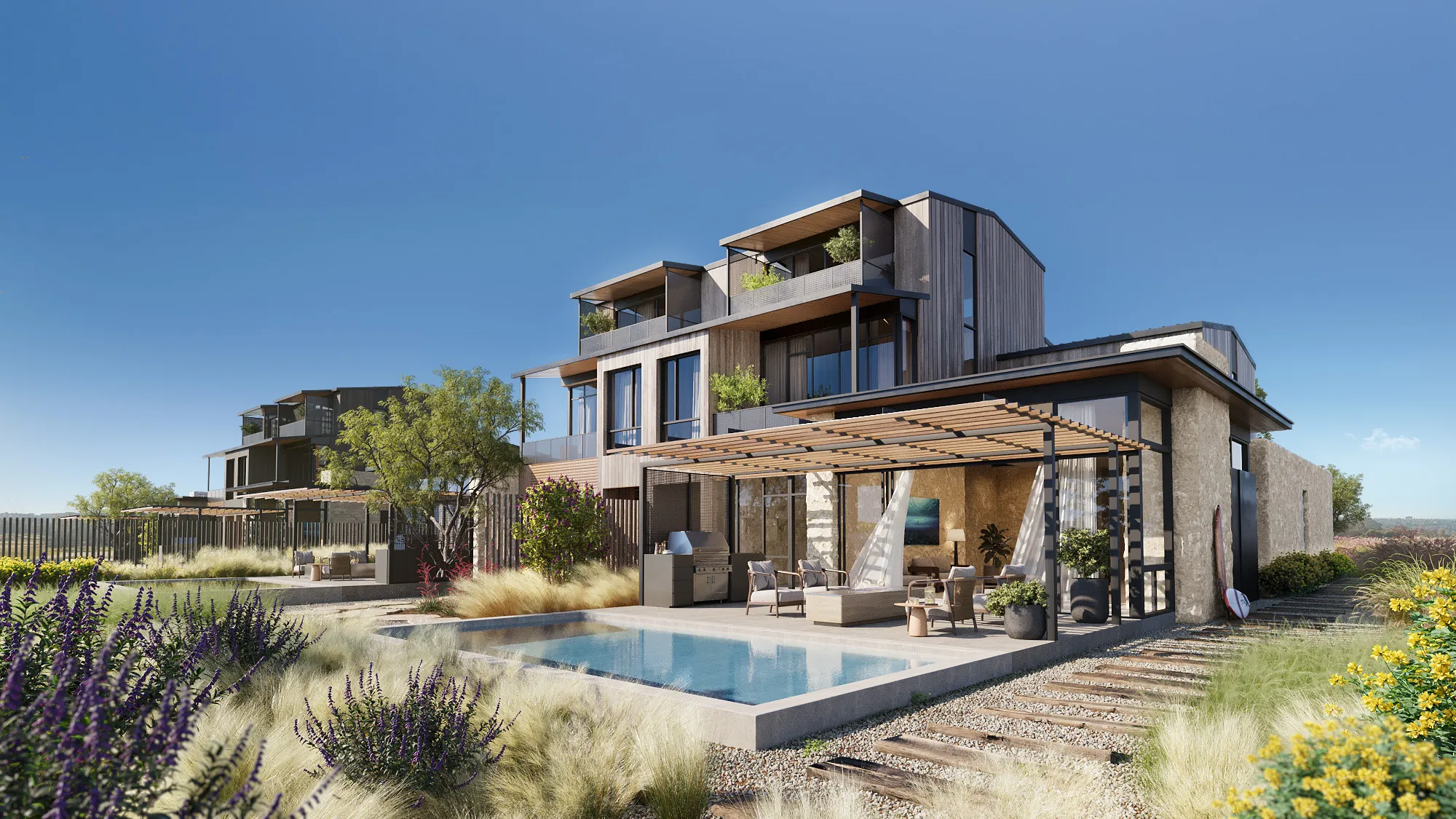
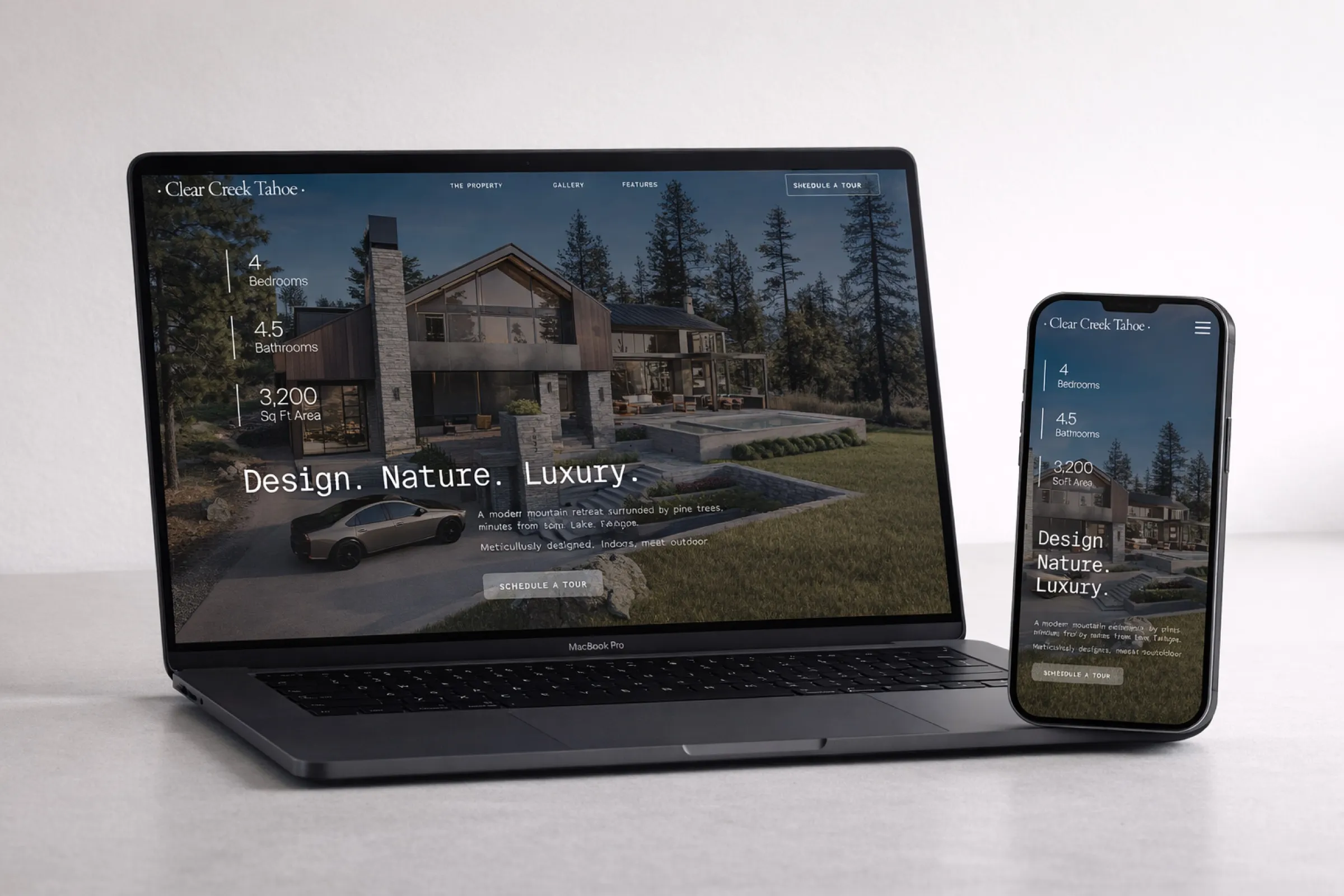
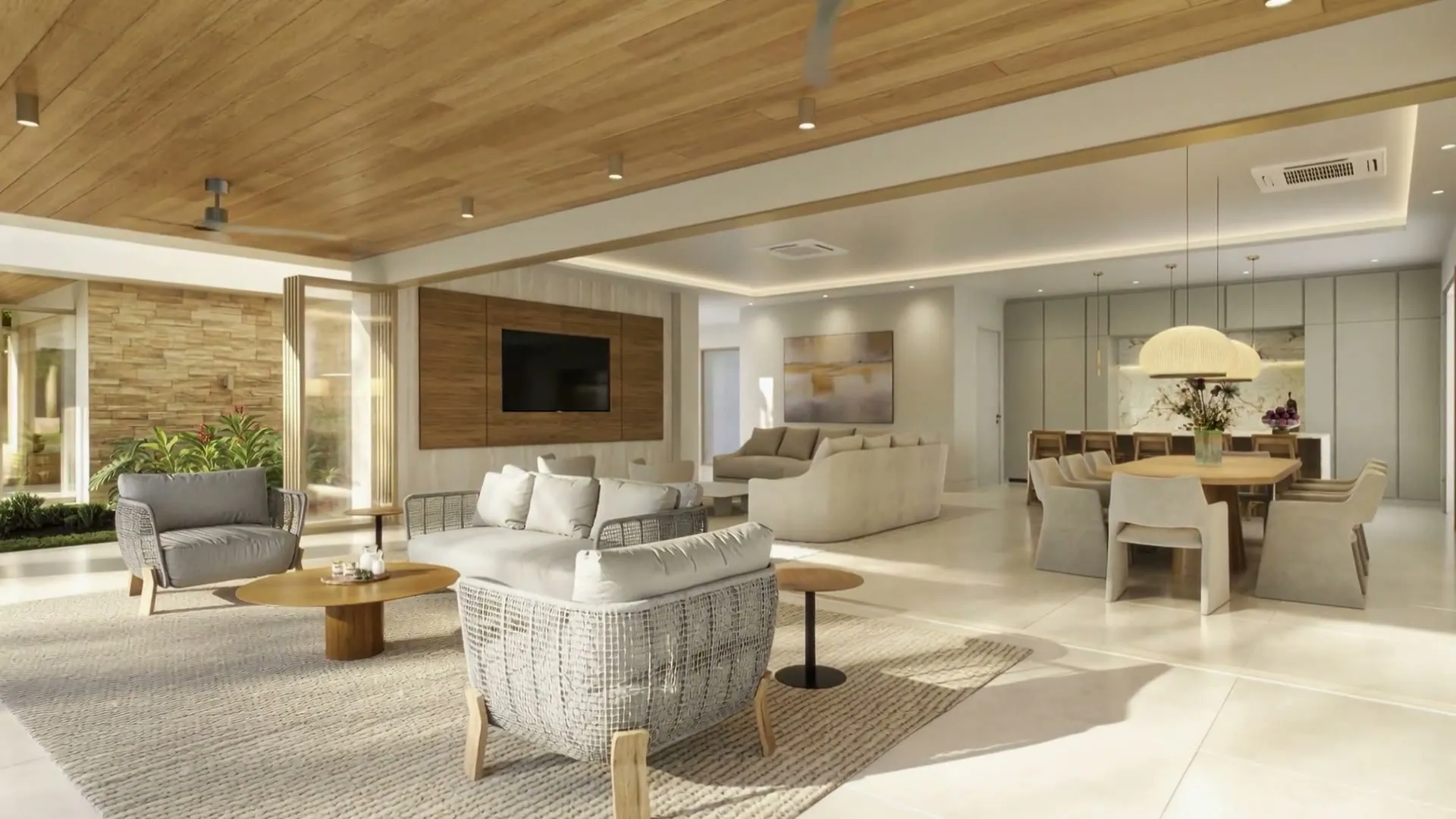
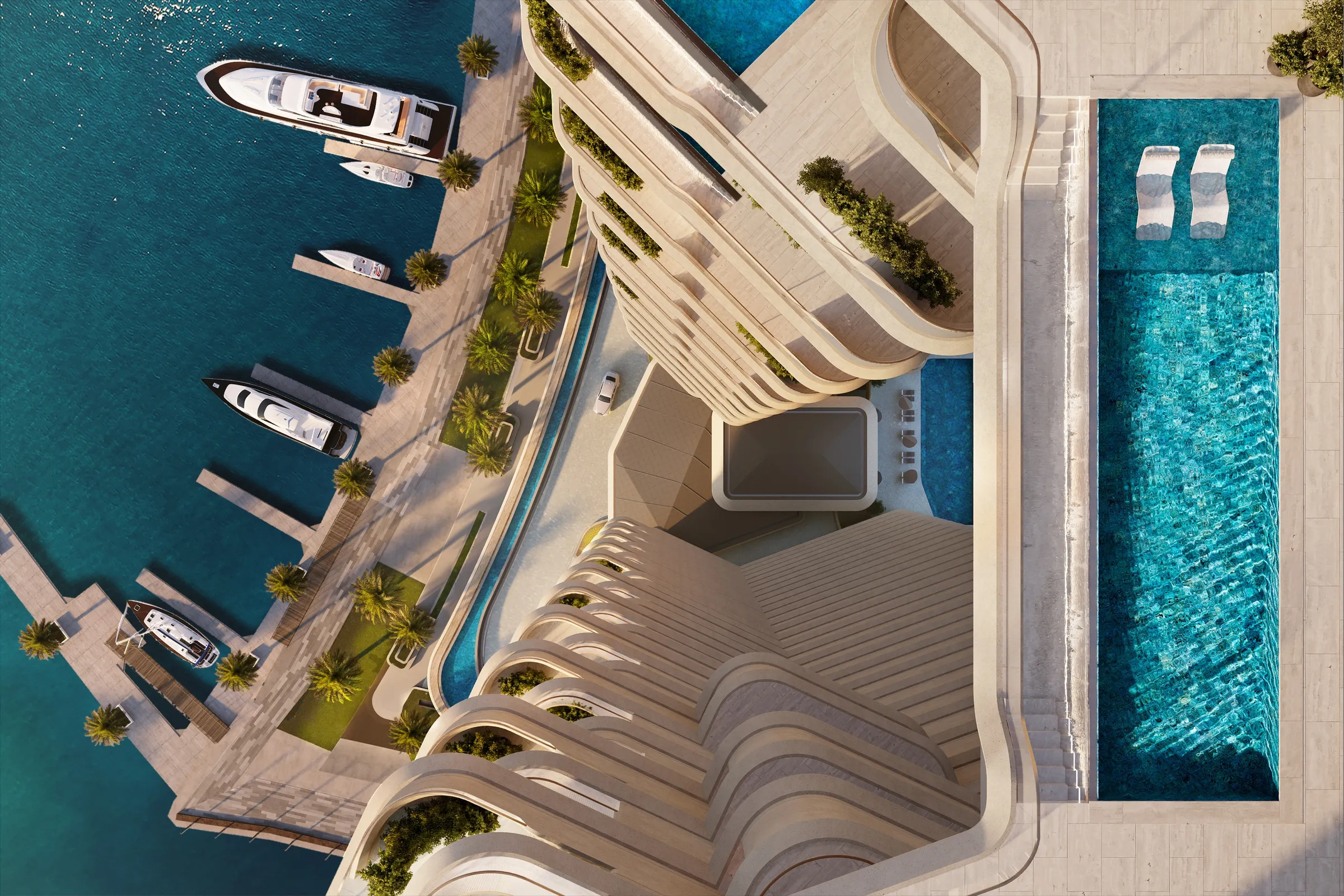
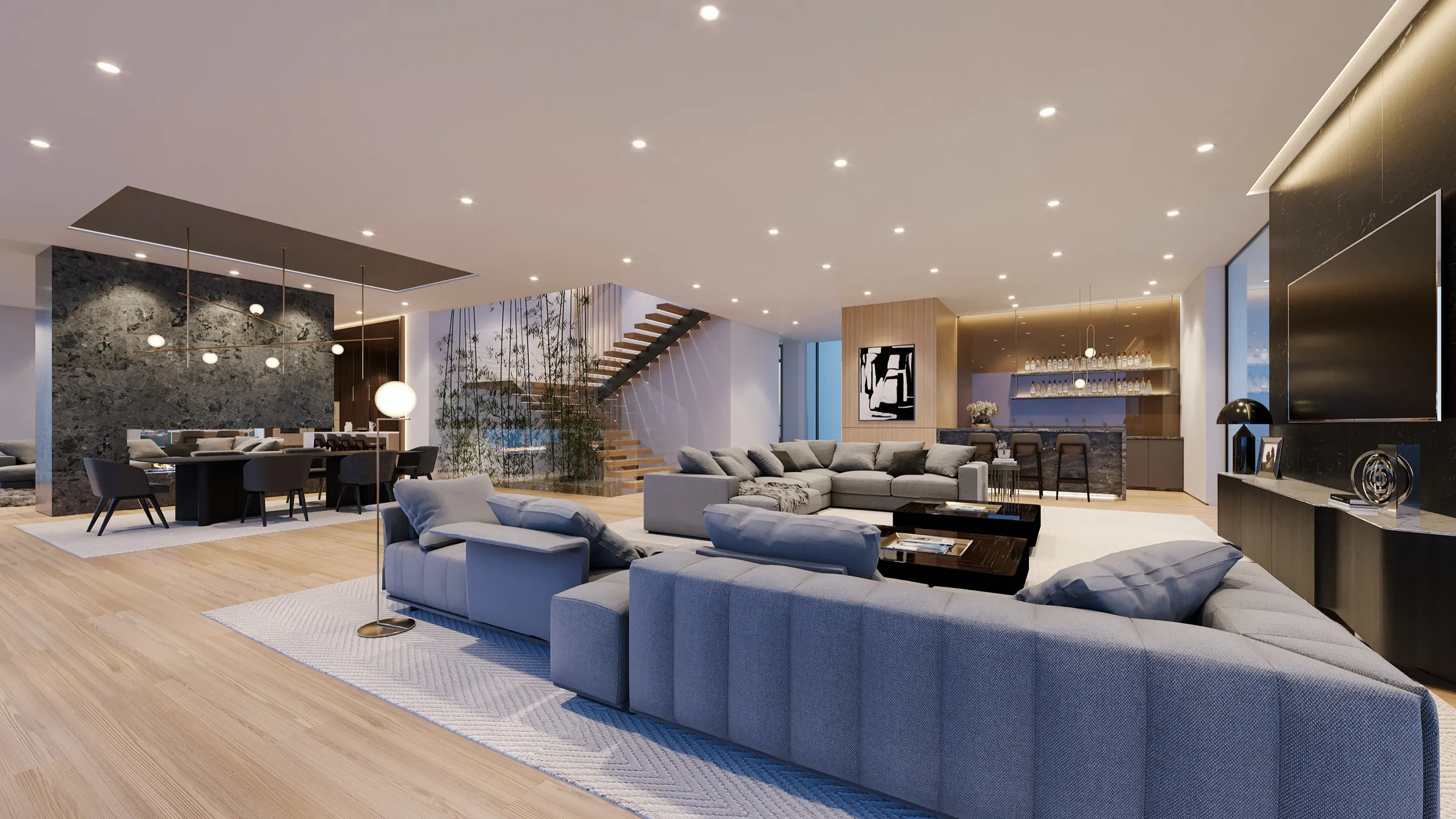
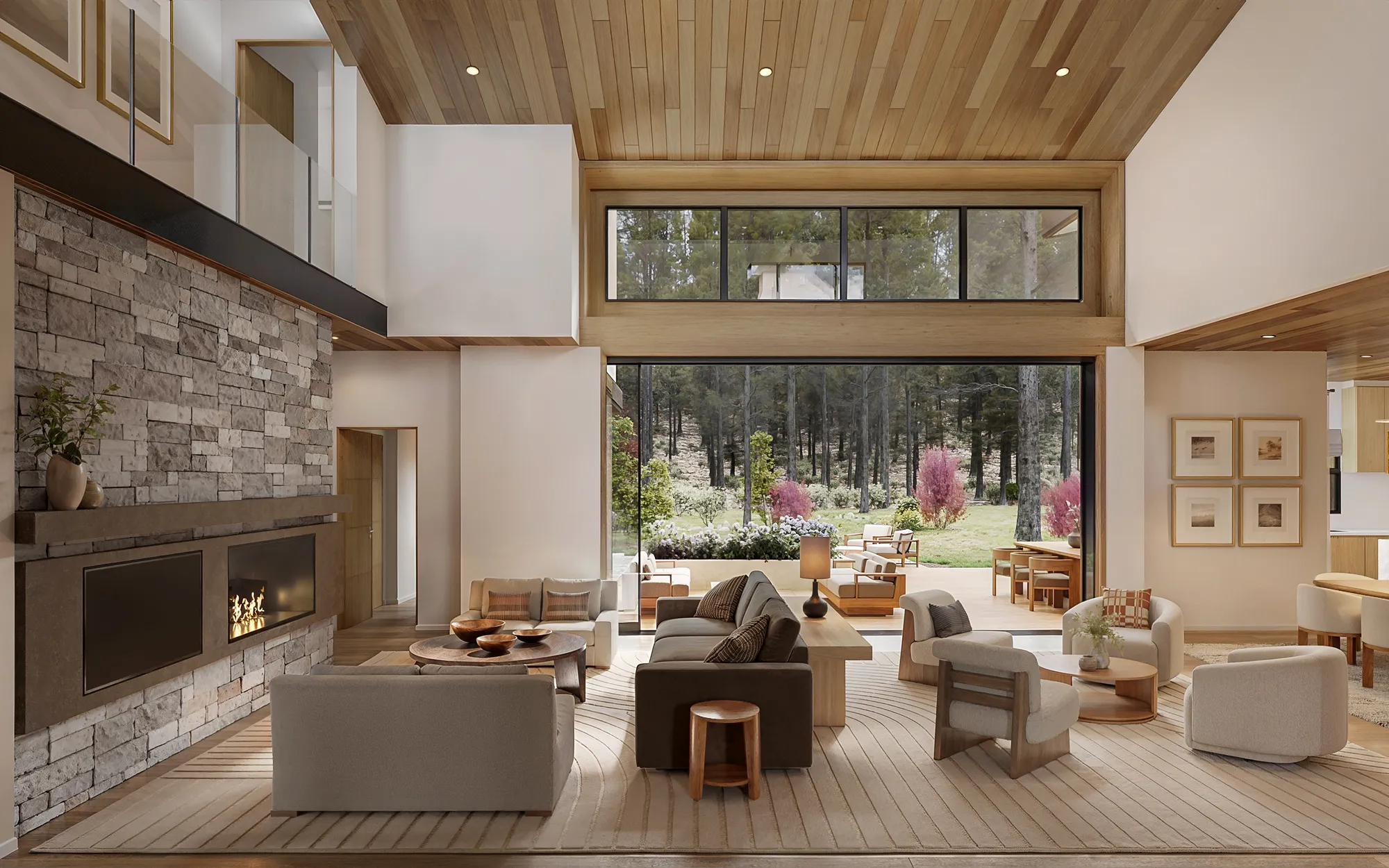
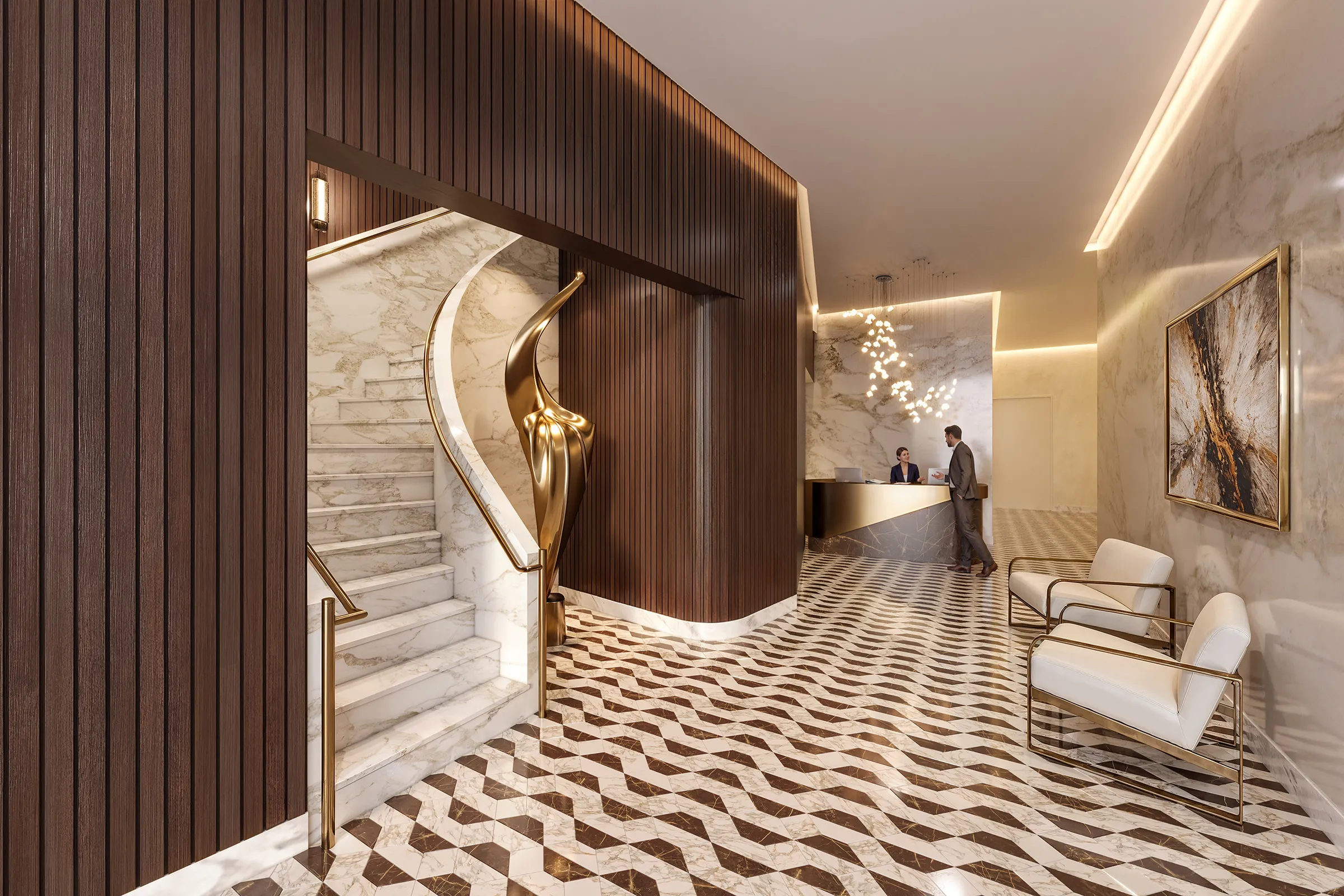
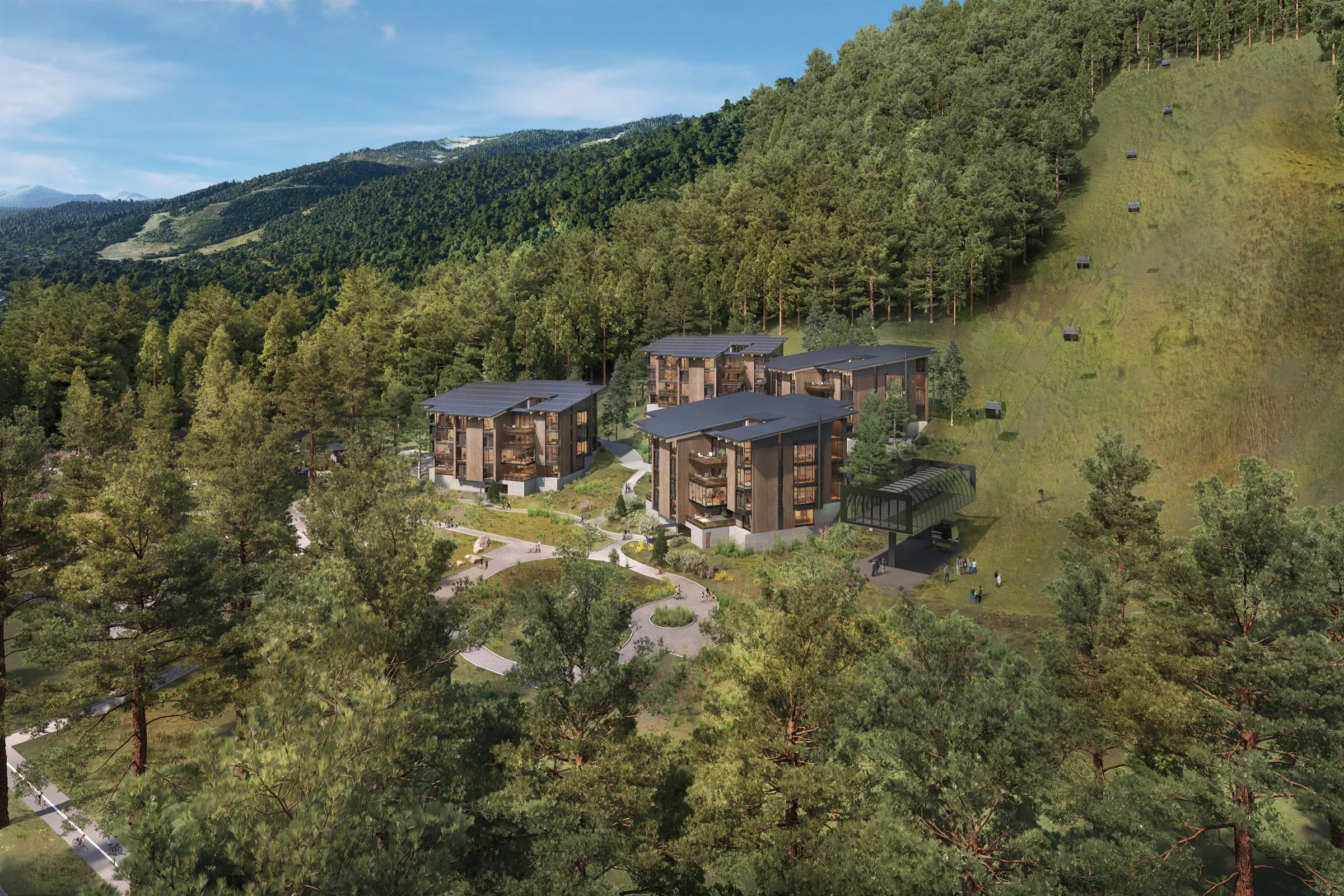
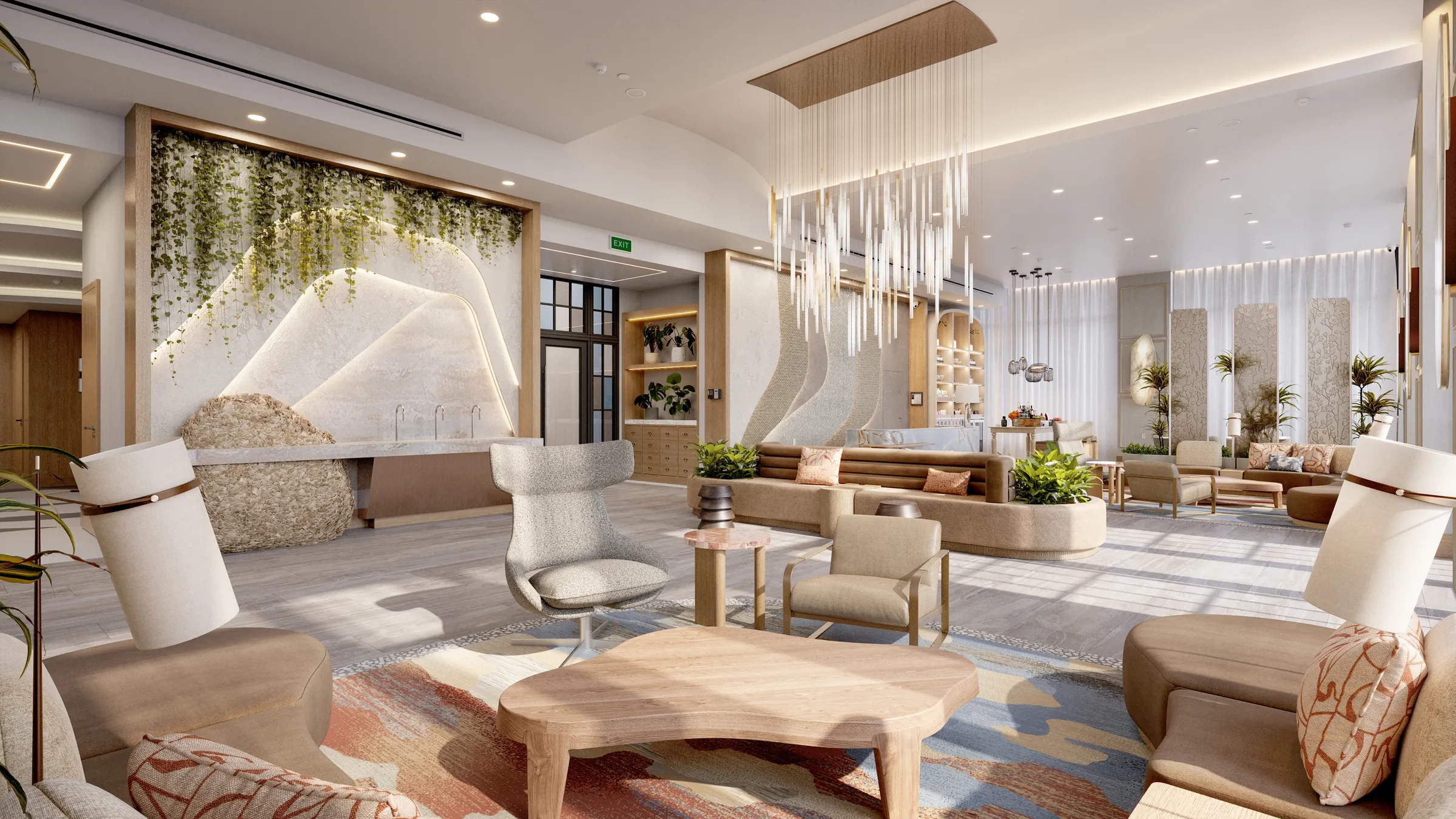
The same process, across every kind of project.
Frequently asked questions
What are the stages of the 3D rendering process?+
Seven, run in the same order on every project: analysis, design alignment, moodboard, white-model preview, photoreal rendering, revisions, and delivery. A discovery call comes before them to shape the project, and optional extensions, animation, virtual tours, floor plans, come after, built from the same model.
Why does the white-model stage matter so much?+
Because it locks the camera, composition, and geometry before any light or material is applied, when changes cost almost nothing. Approving the white model is where most of the real decisions happen. A studio that skips it is gambling that the framing is right, and discovering it is wrong after the expensive photoreal work is done is the costliest mistake in the process.
Why are color and lighting applied last?+
Because the structure and framing have to be right first. Photoreal lighting and materials are the most time-consuming part of an image, so applying them to an unapproved angle wastes exactly the work that costs the most. Getting the geometry and camera signed off first is what makes the photoreal stage efficient.
What is the difference between a revision and a correction?+
A correction fixes something that does not match the brief, and it is handled as a matter of course, not billed as a revision. A revision is a refinement you request after approval, such as a new angle, a material swap, or a lighting change. We tell you which one a request is before we start it, so there are no surprises.
Can you work from incomplete or inconsistent files?+
Yes. The design-alignment stage exists for exactly that: files are reviewed for compatibility and completeness, discrepancies are flagged and resolved with you, and where a design is unfinished, design services can fill the gap. The file review confirms what is there and what is needed before any production begins.
What happens after delivery?+
Because the model already exists, it extends into other deliverables without starting from scratch: an animation, an interactive virtual tour, stylized floor plans, and a site plan. Delivery is the end of the core project and the start of everything the same model can still do.
How long does the 3D rendering process take?+
It depends on the size and readiness of the project. We build the milestone schedule on the assumption that feedback comes back within two working days at each review point, and the timeline moves with that. The schedule is confirmed in the proposal, once we understand the scope and your deadline.
What files do I need to start a rendering project?+
Whatever design files exist: CAD drawings, a Revit, SketchUp or other 3D model, and interior and landscape packages where they exist. PDFs are useful reference but cannot be built from directly. Partial files are normal; the design-alignment stage confirms what is missing before production starts. See the files needed for 3D rendering.
Who should approve the white model?+
Everyone whose opinion can change an image later: developer, architect, interior designer and, on branded projects, the operator's brand team. Their notes should arrive as one consolidated round, because the white model is the cheapest point in the project to change a camera angle.
[ Proof ]
The process, run hundreds of times.
- 10+ years in business, 500+ projects delivered, 150+ clients.
- The same seven stages on every project, from a single home to a masterplan.
- A team of twenty to thirty people, all in-house. No subcontracting.
- 40+ Google reviews, every one five stars. Read them.
[ Explore further ]
Who it's for
Keep reading
- How we work, drawn as a map
- How to choose a studio
- What premium rendering costs
- What 500+ projects taught us
- Why we white-model every angle first
- Approval renderings vs sales renderings
- Documentary vs editorial rendering
- How revision rounds really work
- Why we keep production in-house
- Architectural rendering 101
- The cost of renderings
- Years in business
- 10+
- Projects delivered
- 500+
- Clients
- 150+
[ Start here ]
Every project starts with a discovery call.
Start with a discovery call. We will learn the project, who you are selling to, and walk you through exactly how the process would run for it.
Book a call