Approval Renderings vs Sales Renderings: What an Architecture Practice Actually Needs

Lukas Berezowiec · CEO of NoTriangle Studio
Updated · 8 minutes
Key takeaways
An approval rendering exists to get a design understood and signed off; a sales rendering exists to make a buyer want the place.
- Audience
- A different audience sets a different bar
- Principle
- Clarity, not interpretation
- Order
- Approval first, sales later
- Scope
- Scope, and the quiet third purpose
An approval rendering exists to get a design understood and signed off by an owner, a design review board, or a planning department, so it is clear, accurate, and evenly lit. A sales rendering exists to make a buyer want the place. Most architecture practices need the first, and paying for the second too early wastes budget.
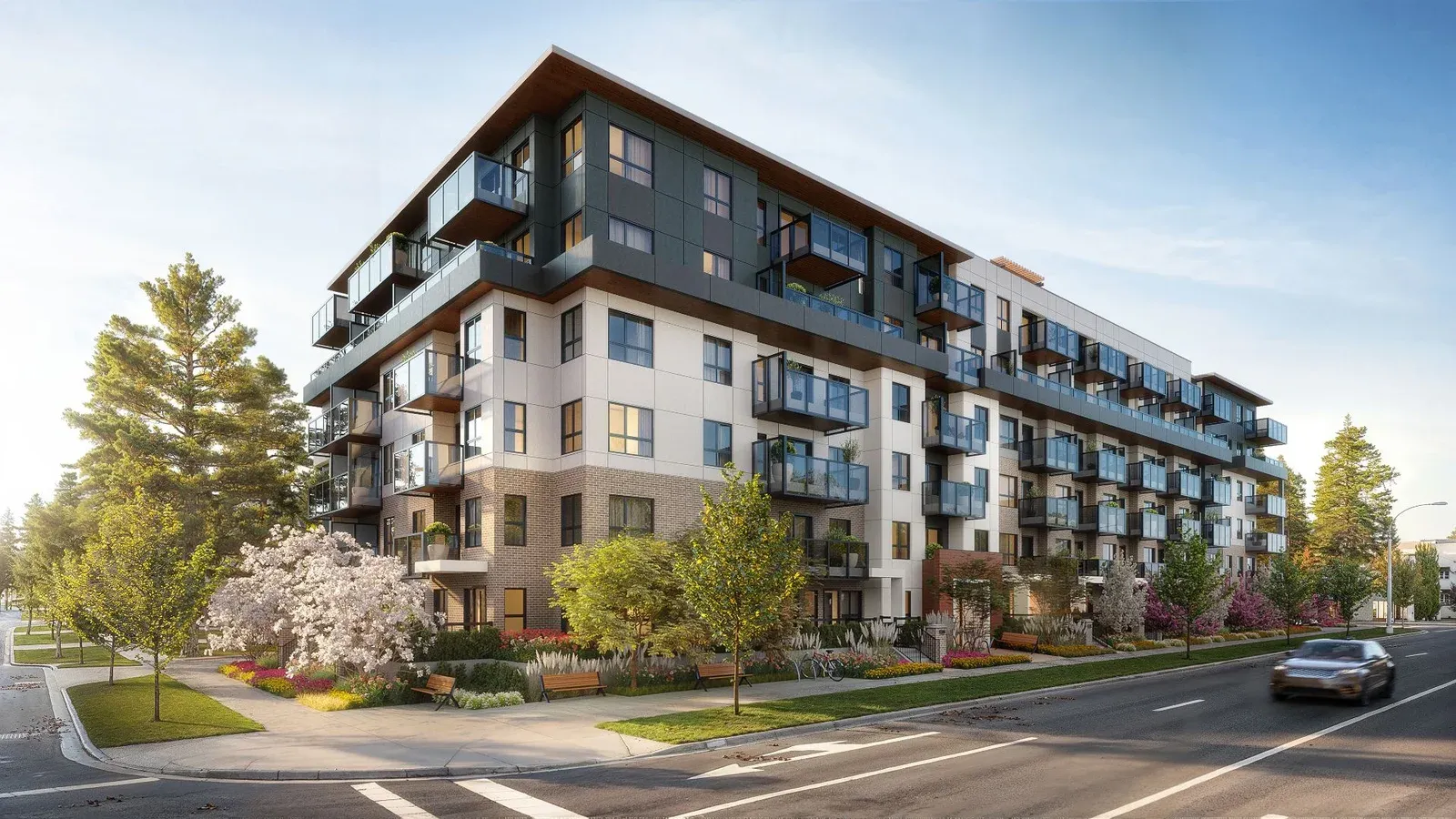
When a developer commissions renderings, the job is to sell something. When an architecture practice commissions them, the job is usually to get a design approved, by an owner, by a design review board, by a planning or zoning department. Those are genuinely different assignments, and a render built for one is often wrong for the other. The image that makes a buyer fall in love can be the exact image that a review board finds evasive, and the clean, faithful image a board wants can be the one a marketing team finds flat.
Most of the friction we see between architects and rendering studios traces back to this confusion. A firm that needs an approval render gets quoted, or sold, a sales render, and either overpays for drama it does not need or gets imagery that undercuts the very approval it was meant to win. Here is how the two differ, and why an architecture practice usually needs the first.
A Different Audience Sets a Different Bar
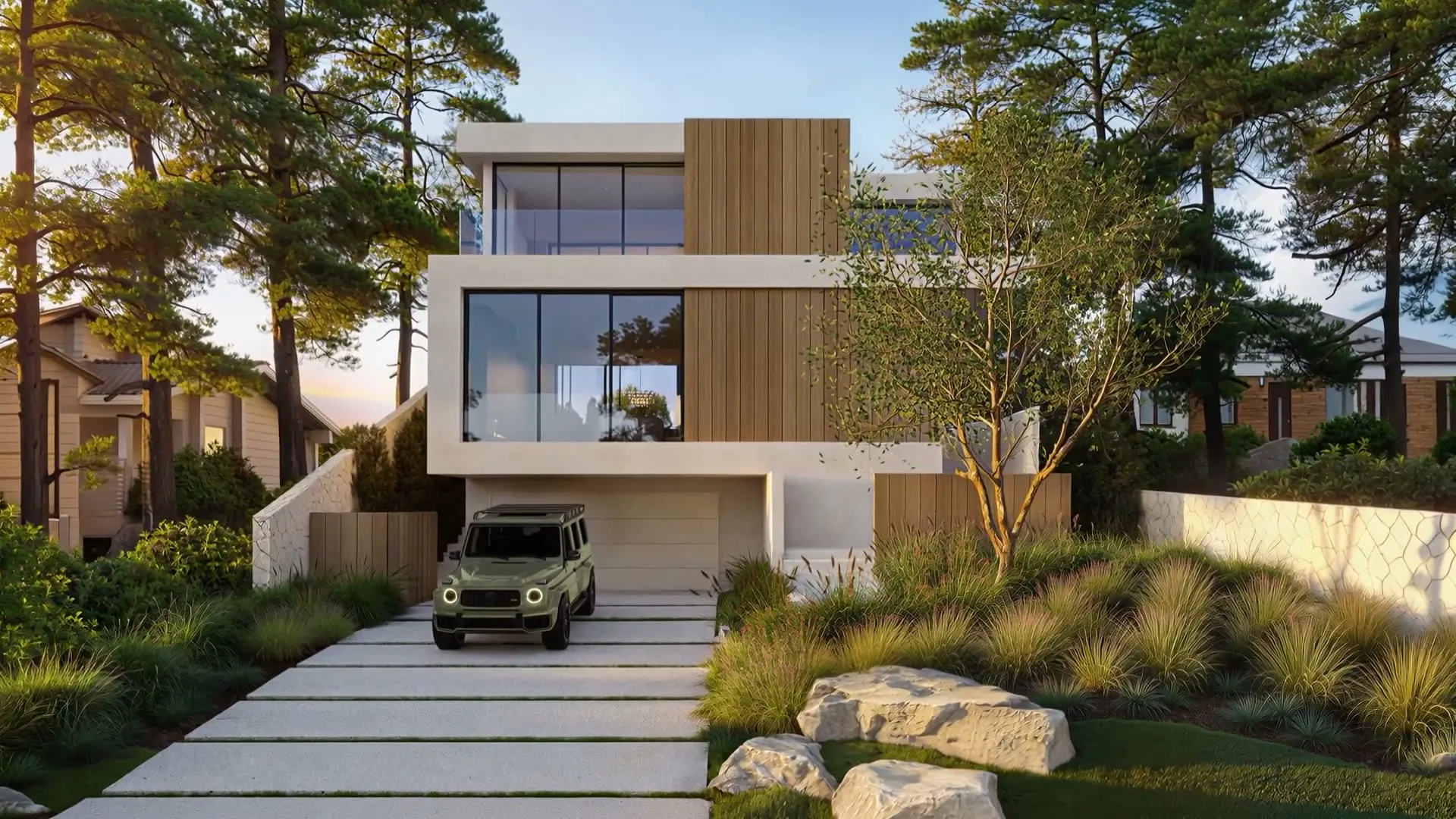
The audience for an approval render is not a buyer scrolling a listing. It is a group of people whose job is to scrutinize the design, and that changes what the image has to do. It has to be accurate and complete, because the reviewer is checking the design against rules, context, and expectations. On a project going in front of a town planning, zoning, and architectural review process, the architect was explicit that accuracy on the house and the site elements, the plants, the retaining walls, the pool, the equipment enclosures, was what mattered, because those were the things the board would examine. Nobody was asking for atmosphere. They were asking for a faithful account of what would be built.
Sometimes the approval audience wants the drama turned all the way off. One architect told us plainly that their client did not want a photorealistic rendering for the review board submission at all. A cleaner, less finished image read as more honest to that board, and honesty was the point. We have produced schematic views with plain white-block surroundings precisely for that urban-planning look, where the goal is to show the proposal in its context without dressing it up. A sales render aims to make a stranger feel something. An approval render aims to make a reviewer confident. Those are not the same craft.
Clarity, Not Interpretation
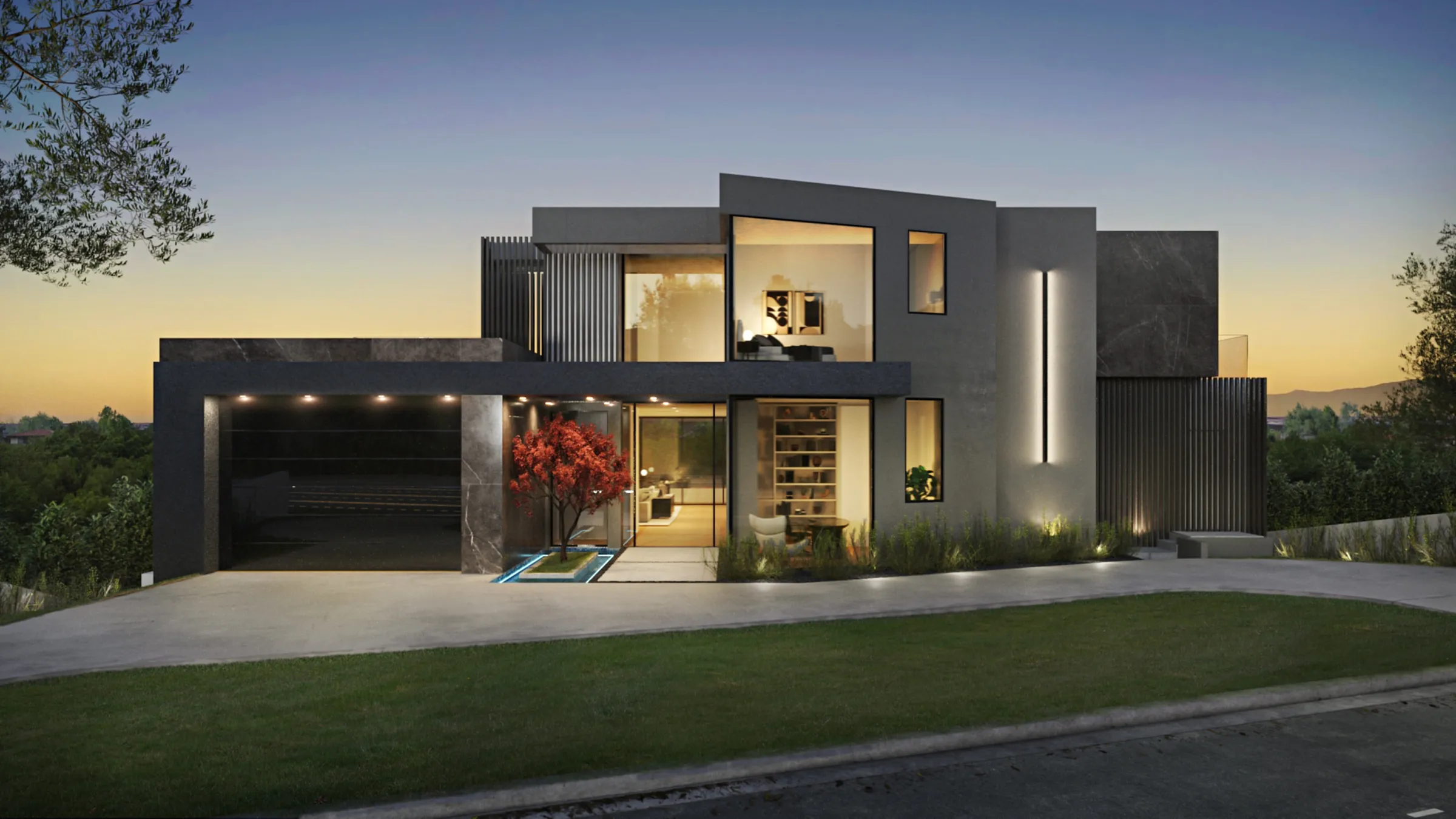
The guiding principle for an architect’s renderings is clarity, not interpretation. The angles are chosen to show the design plainly. The lighting is fair and diffused, set to show materials and finishes accurately rather than to dramatize them. The render communicates what you designed, and it does not editorialize. That is the opposite instinct from a sales image, which uses selective light and mood to create a feeling, and which quite deliberately shows less of the design in exchange for more atmosphere.
For an architecture practice, the choice between a documentary image and a dramatic one is usually already made by the job. Your renders exist to get a design understood and approved, which puts them firmly on the documentary side. That is not a lesser kind of image. Done well, a clear, faithful approval render is a harder thing to produce than a moody hero shot, because it has nowhere to hide. Every proportion and every material has to be right, in even light, with the whole design visible. That is the work an architecture practice actually needs, and a studio that only knows how to make things dramatic is not equipped to do it.
Approval First, Sales Later
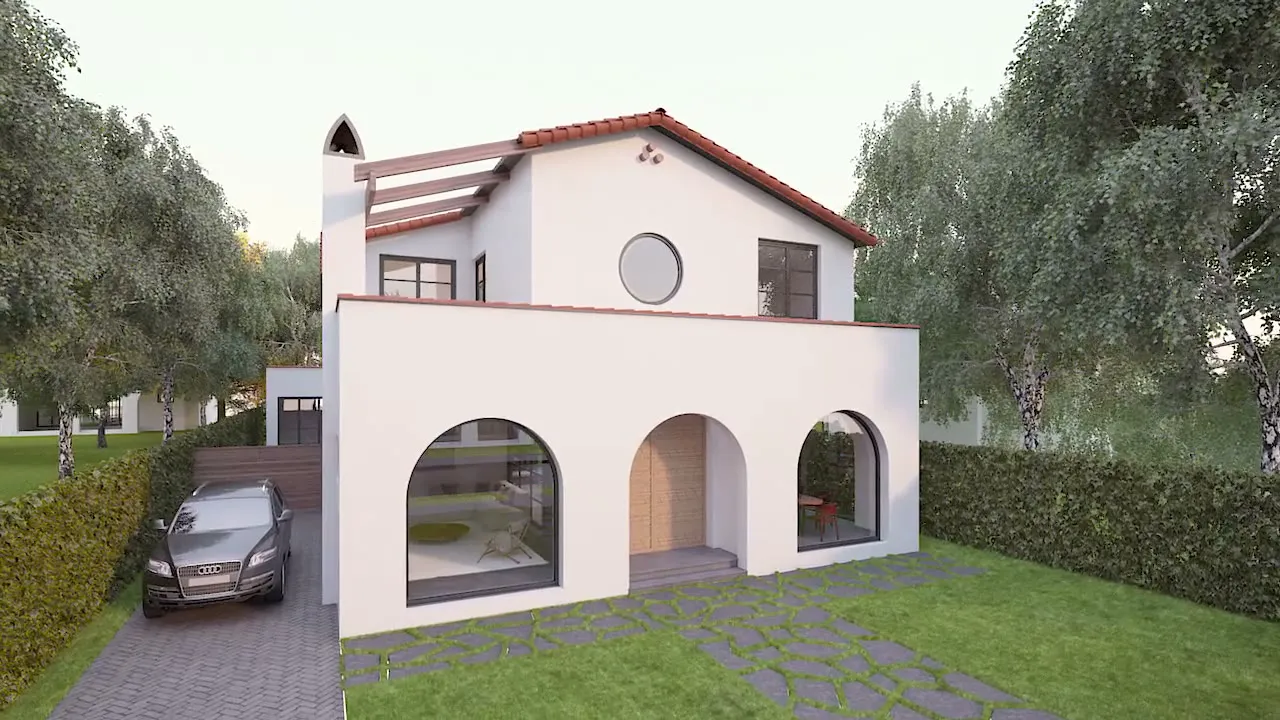
The two kinds of render are not rivals. They often belong to the same building at different stages of its life, in a specific order. The approval render comes first, because nothing gets sold until it gets built, and nothing gets built until it gets approved. The sales render, if it is needed at all, comes later, and often from a different budget. One architect described the sequence exactly: they had received approval from the review board for the design and its colors and were moving on to the next houses, and only then noted that they might want additional views of the approved house later, if the real estate brokers requested them. Approval was the job. Sales imagery was a maybe, downstream, on someone else’s prompt.
Understanding that order protects your budget. If you commission a full sales-grade set at the approval stage, you are paying for marketing polish months before anyone needs it, on a design that the board might still ask you to change. The efficient path is to render what the approval requires now, faithfully, and treat the sales set as a separate, later decision, made when and if the project moves into marketing, most likely funded by the developer rather than the practice.
Scope, and the Quiet Third Purpose
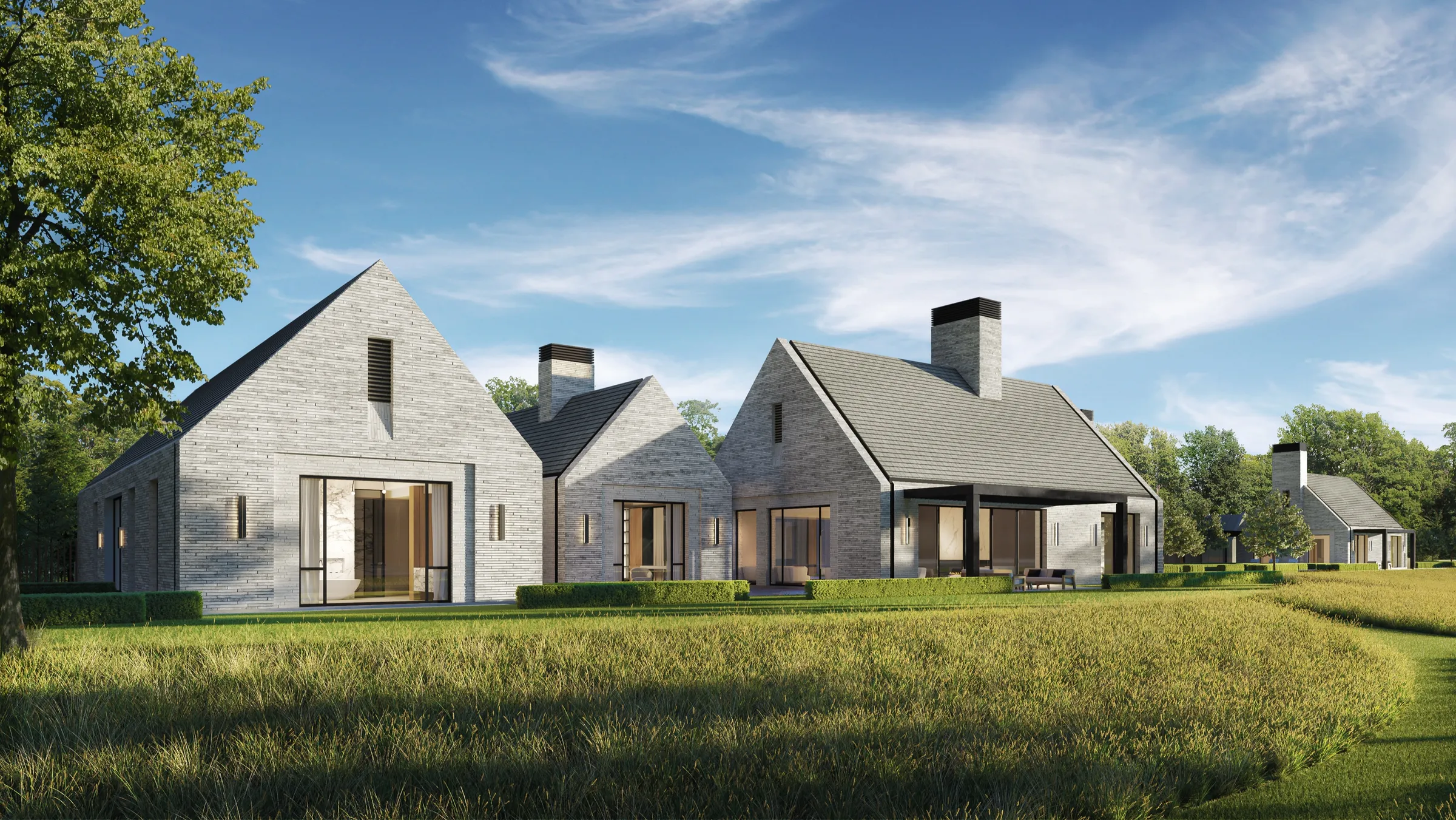
The scope of an approval package is usually leaner than a sales campaign, and that is a feature, not a compromise. Often only the key view needs to be fully rendered. One architect described their whole workflow around a single hero image: the exterior entry view is rendered and presented to ownership, who approve the project on the strength of it, and that one image then carries through into the permitting and zoning submissions, while the remaining elevations stay as 2D line drawings. Early in a design, when a team is still testing options, even simpler and non-photorealistic imagery is often the right call, because it lets many options be compared before anyone commits to a full production. Reaching for a full photoreal set at that stage is spending marketing money on a design decision.
There is also a quiet third purpose worth planning for: your portfolio. Plenty of approval renders earn a second life on a firm’s website and in its presentations, especially when a finished project cannot be photographed the way the practice would like. One firm told us their renders never really left the conversation with their client, used only to settle finishes, and then simply became a nice piece of photography in their portfolio. That is a legitimate reason to hold approval imagery to a high standard even when a board would accept less. Just note that portfolio and website use can carry its own confidentiality constraints from your client, so it is worth agreeing what can be shown before you publish anything.
The Practical Takeaway
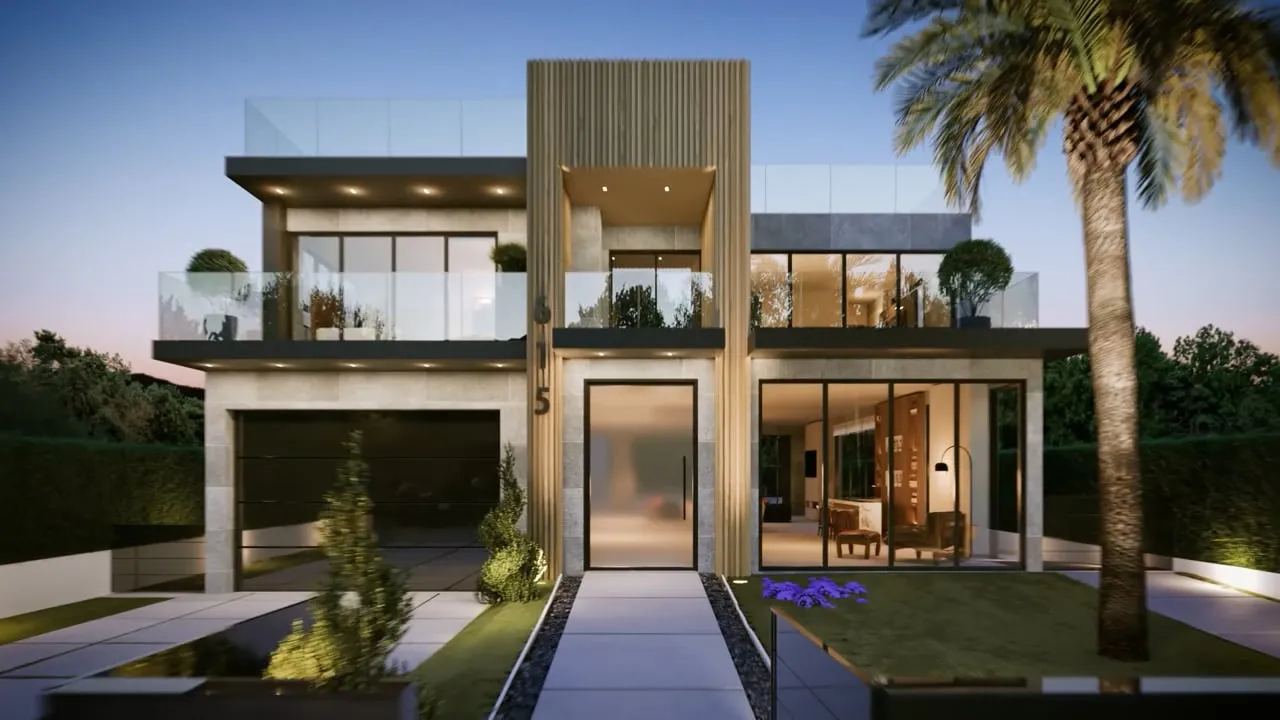
Before you brief a studio, be clear with yourself about which job you are buying. If the renders are for a board, an owner sign-off, or an entitlement, you want clear, accurate, faithful imagery, scoped tightly to what the approval needs, and you should not be paying for a sales campaign. If and when the project moves into marketing, that is a separate conversation, usually with a separate budget behind it. A studio that understands the difference will ask which one you need before it quotes, and will build the right image for the actual job.
See how we work as a visualization partner for architecture practices, read where approval fits in the wider visualization process. If you have an approval deadline coming, Book a call and tell us what the board or owner needs to see.
FAQs
What is the difference between an approval rendering and a sales rendering?+
An approval rendering shows the design plainly so an owner, review board, or planning department can check it: fair, even light, accurate materials, the whole design visible. A sales rendering uses light, mood, and styling to make a buyer want the place, and it often shows less of the design to do that. Same building, different job.
Do planning and design review boards want photorealistic renderings?+
Not always. Boards look for accuracy on the house and the site: planting, retaining walls, pools, equipment enclosures. Some clients ask us for a cleaner, less finished image for the submission because it reads as more honest, and we have produced schematic views with plain white-block surroundings for exactly that purpose. Ask what the board expects before you brief the render.
Should an architect commission sales renderings at the approval stage?+
Usually not. The design can still change after review, and sales imagery is normally a later decision, often funded by the developer rather than the practice. Render what the approval needs now, faithfully, and treat a sales set as a separate brief once the project moves into marketing.
Can approval renderings be used in a firm's portfolio?+
Often, yes. Many approval renders end up on a practice website and in its presentations, which is a good reason to hold them to a high standard even when a board would accept less. Check with your client first, because portfolio and website use can carry confidentiality terms.