
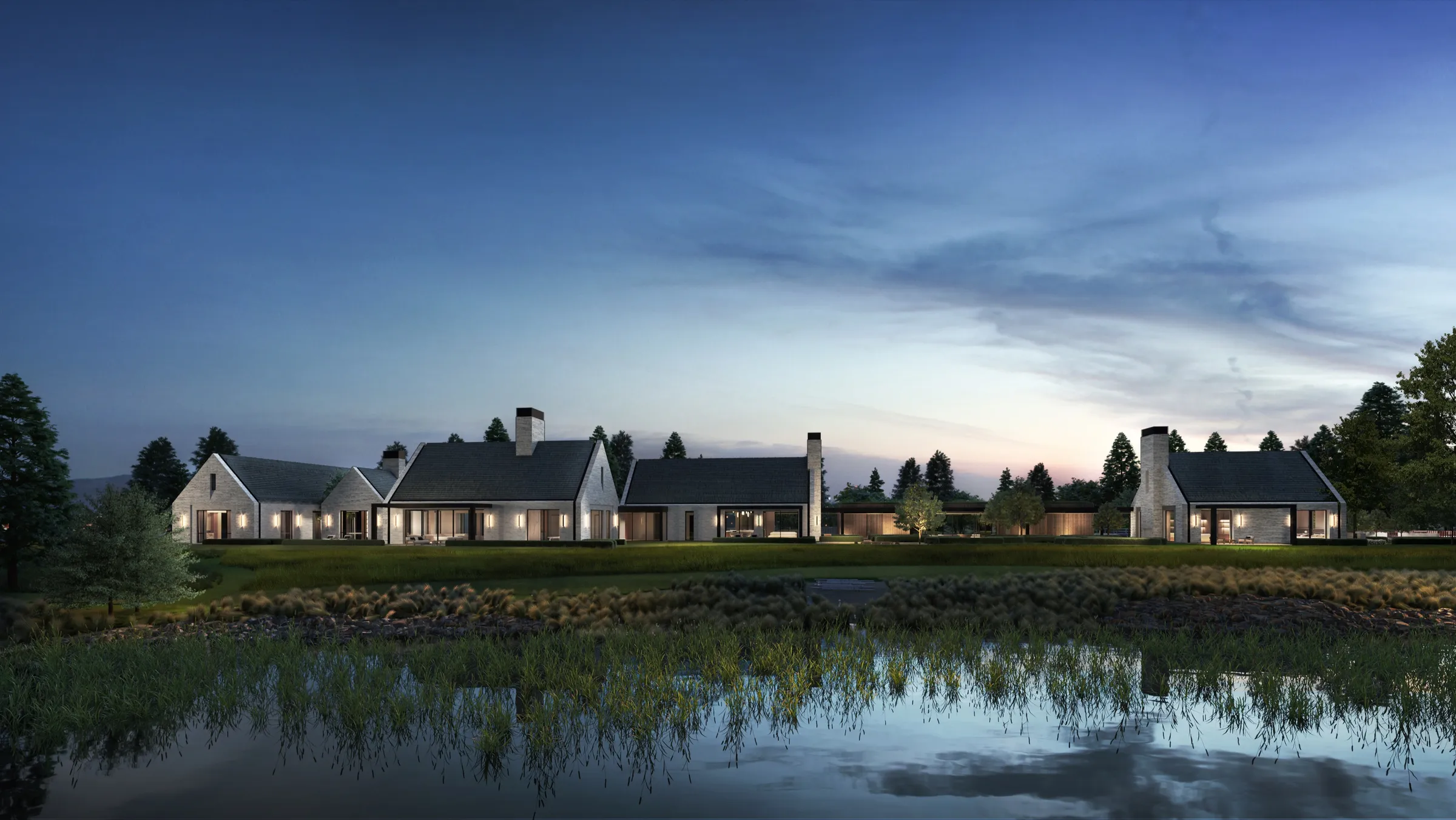
[ Pillar guide ]
How to choose a 3D rendering studio: questions to ask and red flags.
The studio you pick shows up in two places: the final image, and whether the project sells. Weak visualization is not the cheap option, it is the expensive one. This is the criteria a developer, agent, or design team should use to choose a rendering studio well, and the red flags that tell you to walk.
By Lukas Berezowiec, CEO, NoTriangle Studio
Updated
[ Quick answer ]
To choose a 3D rendering studio, start with what the images must do: sell, win an approval, or raise capital. Then ask whether production is in-house, who works on your project, whether every angle is approved on a white model, and whether they can show work like yours. Test the studio on one project before committing more.
[ Start here ]
Start with what the images have to do.
Before you compare studios, decide what the images are for. Selling homes off-plan, winning a planning approval, raising capital from investors, and protecting a brand are different jobs, and they call for different work. A studio that is right for a quick listing set may be wrong for a launch that has to hold a price against a well-funded competitor.
Start from the outcome and the stakes, then judge studios against that. The cost of the renderings is small next to the cost of a launch that stalls because the images did not carry it. If you are marketing before you build, our guide to pre-selling with 3D visualization covers what the images need to achieve.
[ Checklist ]
Questions to ask, and the answers to listen for.
| Question to ask | A good answer | Red flag |
|---|---|---|
| Is production in-house, or subcontracted? | "In-house. These are the people who will make your images." | A vague answer, or you only ever meet sales |
| Who works on my project day to day? | Named people, with senior involvement through delivery | A handoff to "the team" after signing |
| Do you show white models before the final render? | Yes, every camera angle is approved untextured first | Straight to finished images |
| Documentary or editorial: which do I need? | A recommended mix per milestone (approvals vs sales) | One style for everything |
| Can you show work in my property type? | Projects like yours, ideally with outcomes | Only a general highlight reel |
| Who owns the 3D model, and what usage do I get? | Usage defined in the agreement; the model question answered clearly | Images only, rights left vague |
| How are revisions counted? | Rounds stated in the proposal; corrections against the brief are not revisions | "Unlimited revisions", or no answer |
| How do you price? | Options (Standard, Premium, Hybrid) quoted after a discovery call | A flat per-image rate card, or "we are the cheapest" |
| What schedule can you commit to? | A realistic plan after scoping, with feedback speed named as the main variable | A promise of finished renderings in a few days |
| How do you use AI? | A tool for exploration, never a substitute for the real model | AI images sold as presale-accurate |
[ The criteria that matter ]
The questions that separate a studio that delivers from one that does not.
01
Is production in-house, or do they subcontract?
Ask directly, because it changes everything downstream. A studio that produces in-house owns the quality, the schedule, and the confidentiality of your project. A studio that quietly subcontracts is a broker: the people who pitched you are not the people making your images, consistency drifts, and your files travel further than you think. In-house is not a nice-to-have on a project that carries your brand and your buyers.
This is the question serious clients push hardest on. We have been on calls where a firm’s principals said their real fear was that the work quietly gets sent overseas and nobody they actually hired ever touches it. They wanted to know where the images are made and by whom. That is a fair thing to want. Ask it, and ask to be told who, specifically, will produce your project.
02
Who actually works on your project?
The senior people who win the work are not always the people who do it. Ask who runs your project day to day, and whether senior eyes stay on it from the first call to final delivery. On a launch that matters, you want the experienced people involved throughout, not a polished pitch followed by a handoff to whoever is free.
03
Do they have a process, or do they just take the order?
This is the clearest signal of all. A studio worth hiring starts before modeling: a review of your files and the market, a moodboard that fixes the look and lighting, and then white-model previews, plain untextured renders of every camera angle, that you approve before anyone applies light and materials. The white-model step is the tell. It means you lock the angle and composition when changing them costs nothing, instead of discovering the framing is wrong after the expensive work is done. A studio that jumps straight to a finished image is gambling with your time and budget.
04
Do they match the level to the purpose?
There are two honest kinds of rendering: documentary, which is accurate and evenly lit and shows the design fully, for approvals and design review; and editorial, which uses atmosphere, lighting, and a suggested lifestyle to sell. A dramatic image shows less of the building than a documentary one, and that is fine when the goal is to sell rather than to approve. A studio that understands the difference, and recommends the right mix for each milestone, is thinking about your outcome. A studio that only has one gear is not.
05
Can they show work like yours?
A highlight reel is easy. Ask to see projects in your property type and your market: the luxury home, the multi-unit community, the hospitality asset, the repositioning. Depth in work like yours is worth more than a broad portfolio of one-offs.
06
Do they act like a partner or a vendor?
A vendor executes what you ask. A partner tells you when your instinct is wrong, diplomatically and clearly: that two great images will outperform four ordinary ones, that the hero shot is the lake view at dusk and not the front elevation, that comments from five stakeholders should come through one channel so the work stays coherent. On a complex project, that judgment is worth more than raw rendering skill.
The developers who get the most from a studio invite that judgment. They ask the studio to make recommendations, to say which angle sells, to decide what a buyer will respond to, and they treat it as the expert in visualizing the project. If a studio only ever agrees with you, you have hired a pair of hands, not a partner.
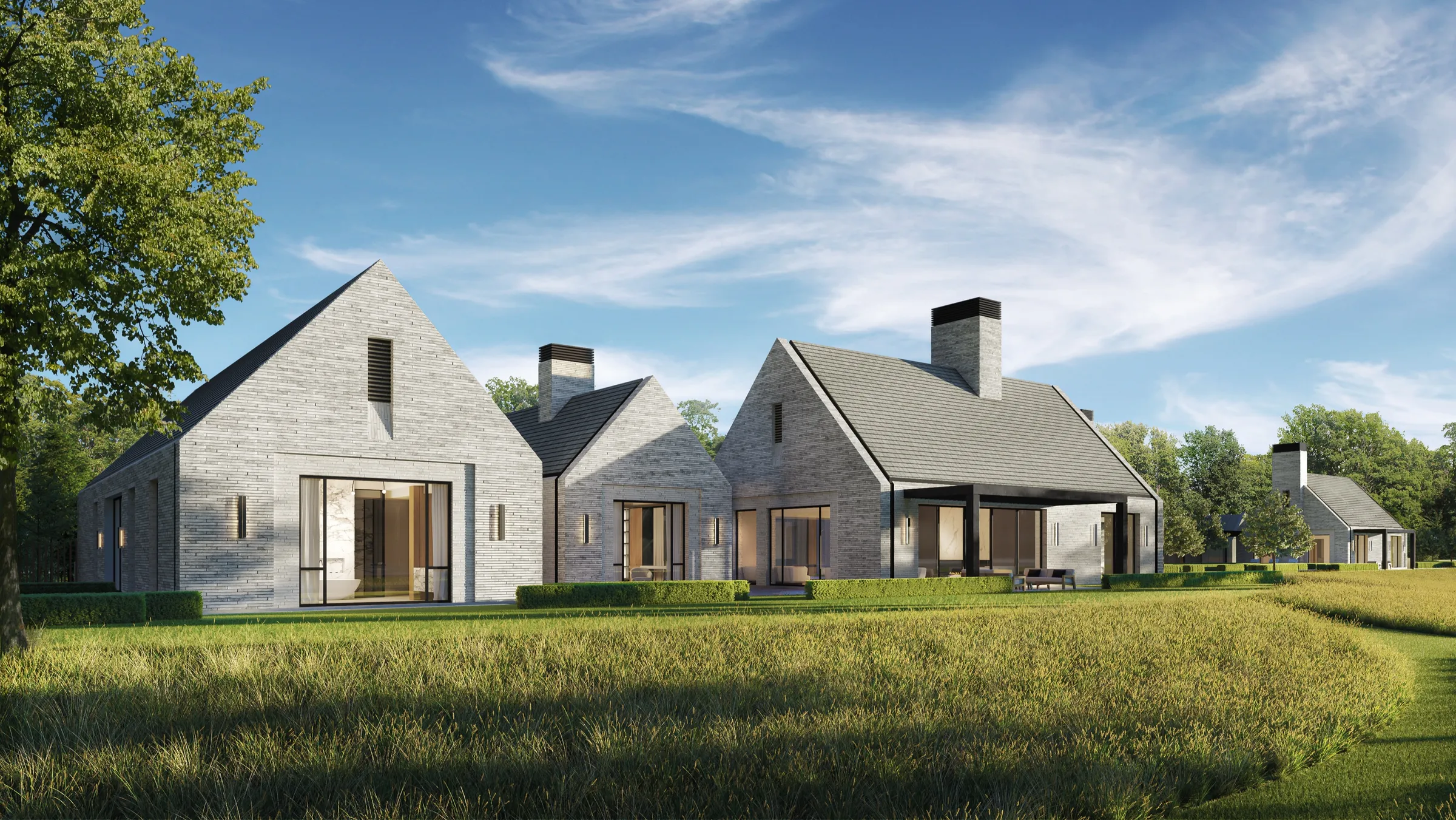
[ Location ]
Working with a remote studio.
Buyers often ask where a studio is based, and worry about hiring one they cannot visit. It matters less than it feels like it should. What matters is the process and the communication, not the pin on a map. NoTriangle is a US studio headquartered in the San Francisco Bay Area, and we work with developers, agents, and design teams across the country and worldwide. Projects run remotely as standard: regular calls, a single channel for comments, time zones handled, and senior people reachable when you need them.
A studio down the street with no process will serve you worse than a remote studio with a rigorous one. Judge the way they work, not the distance. In practice, where are you based is one of the first questions clients ask on a call, and it almost never changes the outcome once the work starts. What they end up judging us on is whether the calls happen, the comments get handled, and the images come back right.
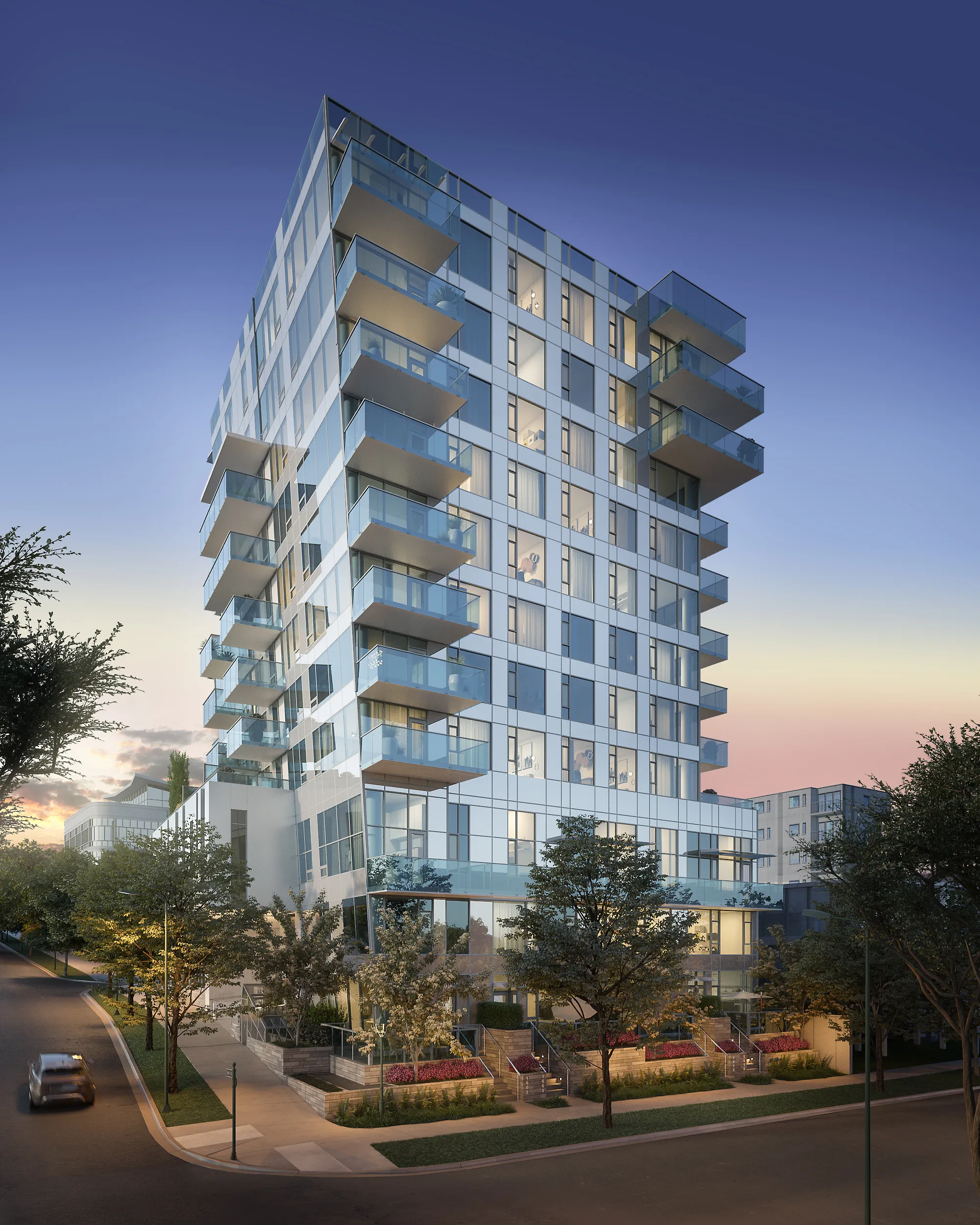
[ Files and rights ]
Files, rights, and existing work.
A good studio meets you where your design is. You provide what you have, CAD, a Revit model, a SketchUp or other 3D file, and the fuller design package where it exists. Partial files are normal, and the studio models what is missing. PDFs and drawings are useful reference for understanding the project, but a PDF cannot be imported and built from directly, so if that is all you have, a good studio tells you what it needs rather than pretending otherwise. Ask two more questions before you sign: can they take over a model or renderings another studio started, which is often possible if the model is sound, and do you own the final images. Usage should be defined in the agreement so you can market the property across your website, listings, brochures, and agent packages.
We see the cost of getting this wrong often. A developer inherits a project, and the renderings, from a team the owner was not happy with, and then discovers they were handed finished images but never the source 3D model. Without the model, a new studio cannot simply continue the work, it has to rebuild. So ask who owns the 3D files, not just the images. That one question decides whether your next studio can build on what exists or has to start from scratch.
[ AI ]
Where AI fits, and where it does not.
Every studio now gets asked about AI. The honest answer is that AI is a tool, not a studio. It can help explore a look or speed a rough pass, but presale-grade accuracy, a result that matches the real design and the developer’s brand, and control over what the image does and does not promise, come from a human, process-led team. Studios betting entirely on automated image generation produce pictures that look plausible and fall apart under a buyer’s scrutiny or an approval board’s questions. On a project where the image has to be true, people are the differentiator, not a liability.
The most telling thing is what sophisticated clients already do. They bring us their own AI images as a starting point, and they are the first to admit those images are not accurate enough to sell from. AI is where they explore an idea. A studio is where it becomes true to the real design.
One developer was blunt about his own earlier AI attempt: it looked horrible, and nobody was going to buy a house looking at those pictures. And yet, tellingly, more and more clients now find a good studio by asking an AI which one to use. AI is a fine way to explore an idea, and even a fine way to find a studio. It is not yet the thing that sells a home. For more, see our article on AI for architects.
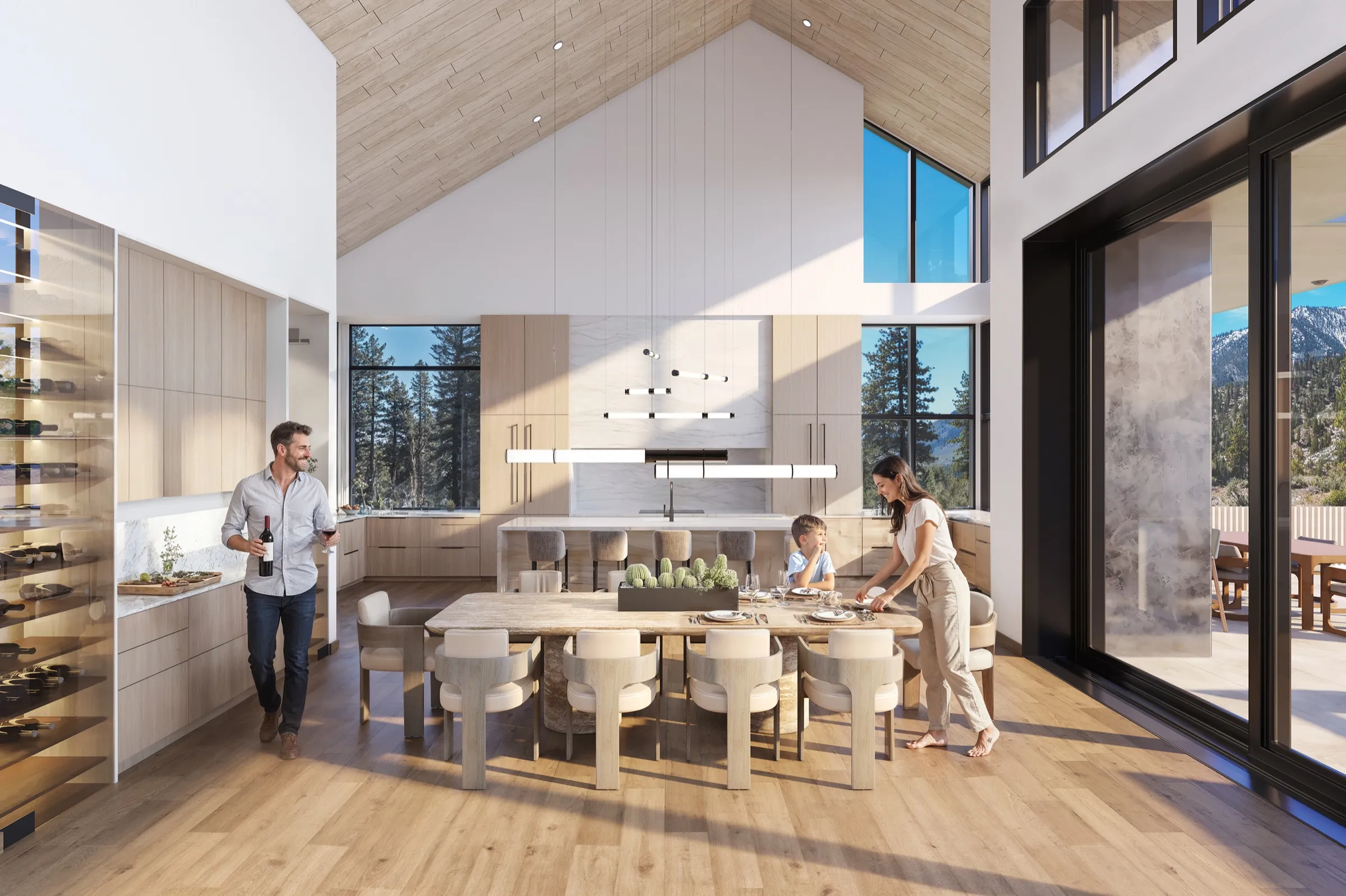
[ Cost ]
What it costs, and how to read a quote.
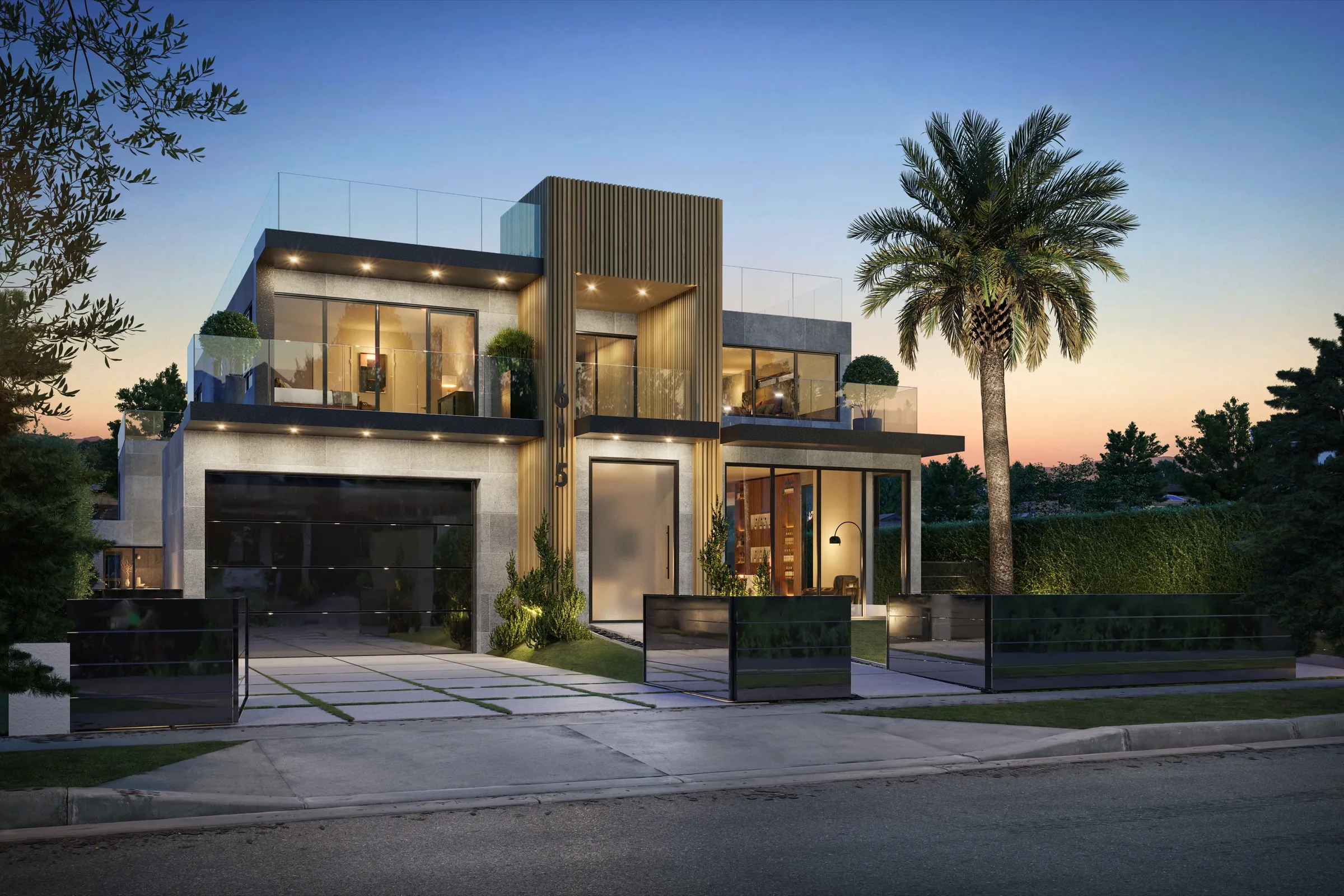
Price is the easiest thing to compare and the worst thing to choose on. On a multimillion-dollar project, the gap between a cheap studio and a strong one is small in absolute terms and enormous in effect: the cheap set that fails to sell costs a relaunch, new images, and lost weeks in the market. Read a quote for how it is built, not just the number. Options with reasoning attached, a Standard level, an editorial Premium level, and a hybrid that puts Premium on the hero shots, show a studio thinking about your outcome. A flat per-image price list is a commodity signal, and it anchors you low. Experienced developers know exactly where a cheap studio cuts: the details. A less expensive company always struggles to make the small things look right, the artwork, the props, the finish, and those details are what a buyer reads as quality. Serious studios confirm pricing in a conversation about scope, because the right number depends on what the images have to do.
One homebuilder told us exactly how this plays out. On an earlier community he had used the cheapest renderer he could find, and the images became, in his words, a business card: they looked fine, but they did not sell anything. Sales were slow at the start, and he traced it straight back to the quality of the visuals. The renderings were the one place he should not have saved. That cheap set did not cost him a few hundred dollars, it cost him momentum on a whole community.
[ Red flags ]
When to walk.
- Subcontracting the studio does not disclose.
- No process, or no white-model step before the finished render.
- No discovery call. A studio willing to skip straight to a quote has not understood the project.
- A pitch built on being the cheapest.
- Timelines that sound too good to be true.
- Accuracy promises with no disclaimer and no process behind them.
- No relevant work in your property type to show.
- Quality that slips as the studio gets busy. A common story we hear is that the great renderer someone hired got overloaded, the work was passed to someone else, and it was never the same. Ask who will actually work on your project, every time.
- A promise of finished renderings in three days. Be suspicious of anyone who promises three days, because you cannot make a good meal at fast-food speed.
[ The decision ]
How to run the decision.
Turn the criteria into a short process. Shortlist a few studios whose work in your property type stands up. Ask each to walk you through their process and tell you who will actually work on your project. Check their reviews and any press, and look for repeat clients, the clearest sign the work holds up over time. Then start with a single project. A studio confident in its work will welcome being tested on one before you commit a larger program, and one project tells you more than any pitch. The clients who choose well tend to do exactly this: one developer tested us on a single home, was happy with it, and then referred us for a much larger project. Being the studio someone tries first, and comes back to, is the whole game.
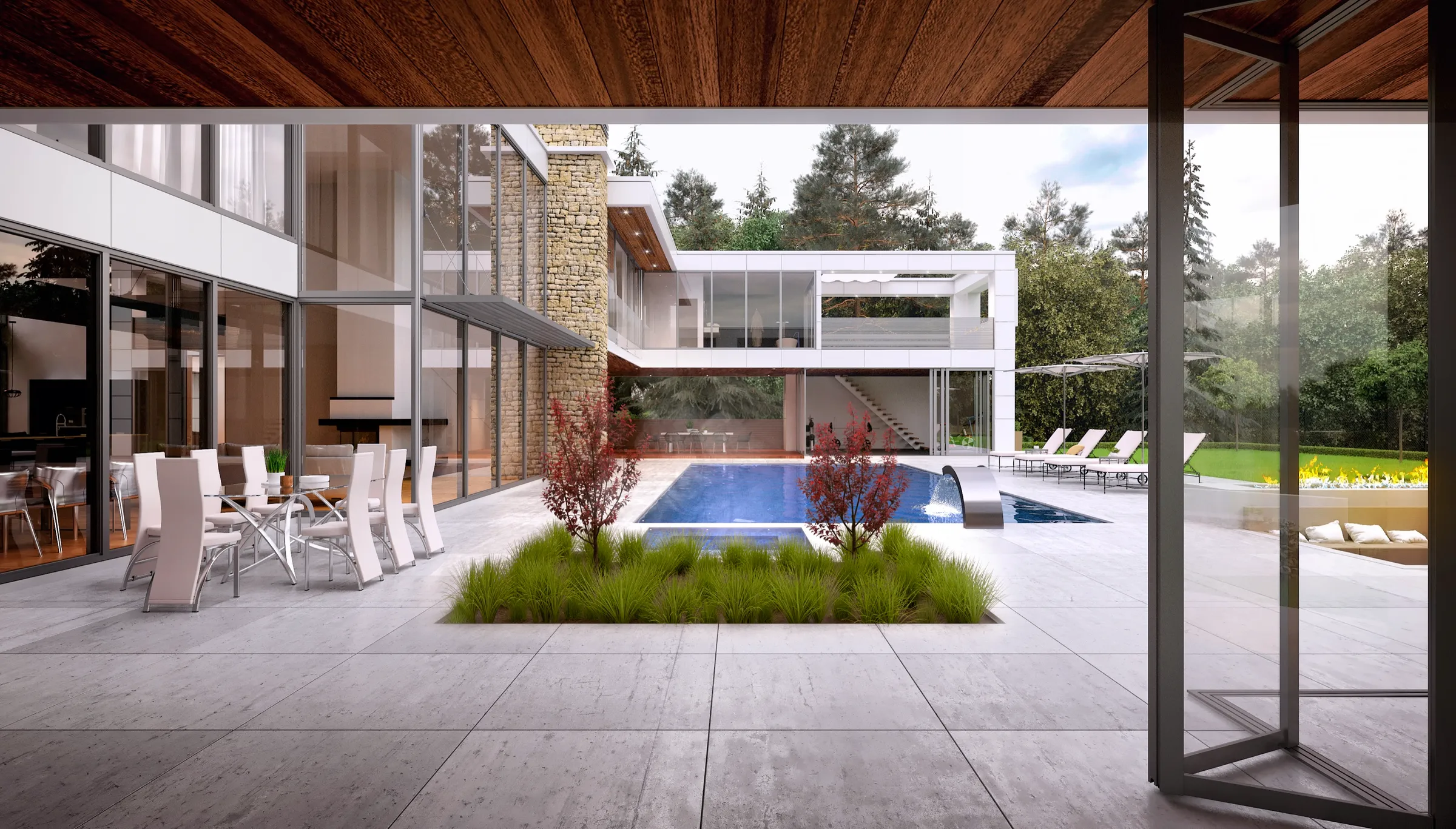
Two more things the clients who choose well always do. First, they get a clear good-better-best set of options they can take to whoever signs off, because on almost every project the person on the first call is not the only decision-maker. They are making the case internally, and a studio that hands them clean options makes that easy. Second, they insist on seeing work in their exact property type before deciding, a luxury spec home, a student-housing amenity deck, a co-working space, not just a general highlight reel. Relevant proof beats an impressive but unrelated portfolio every time.
[ See work in your property type ]
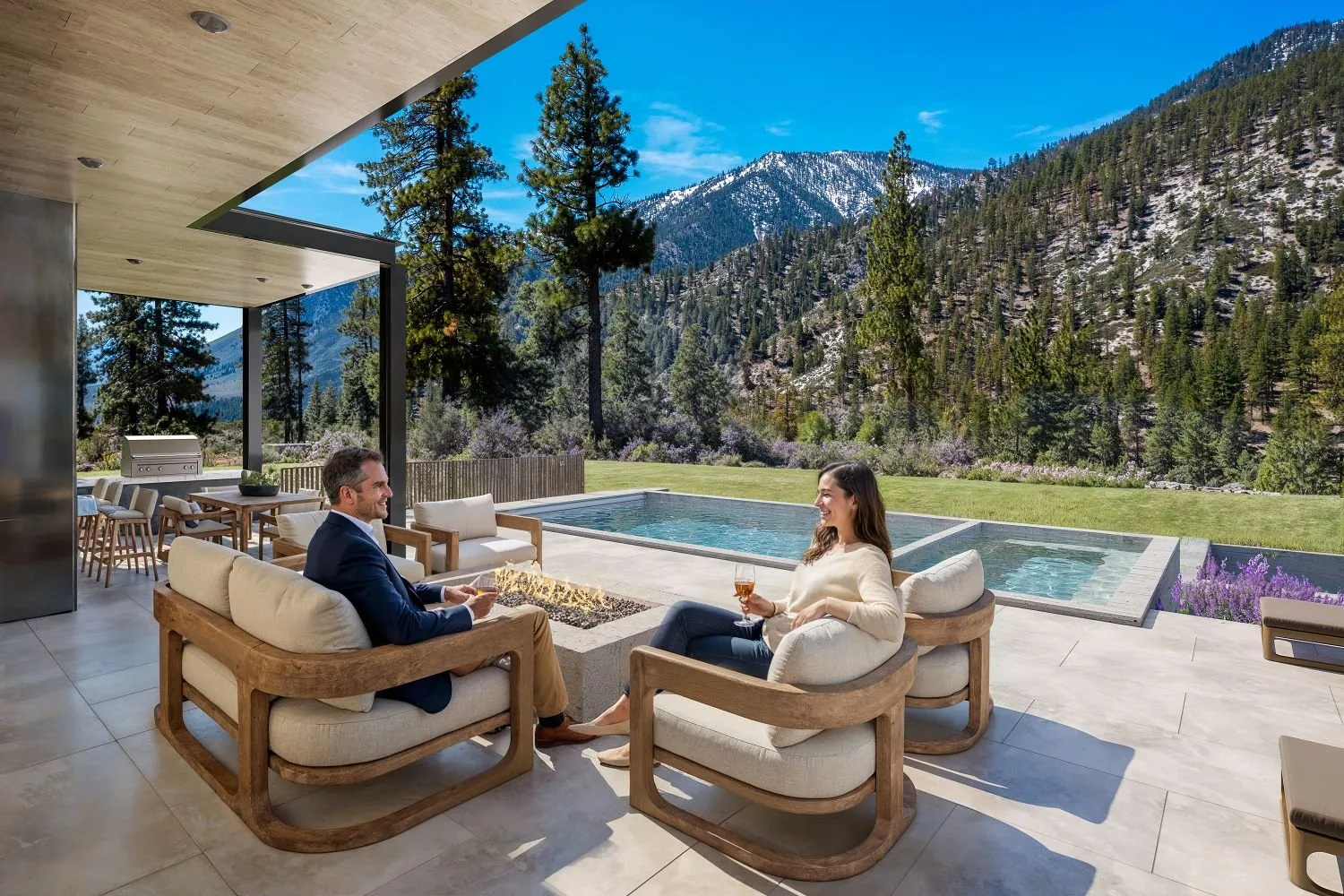
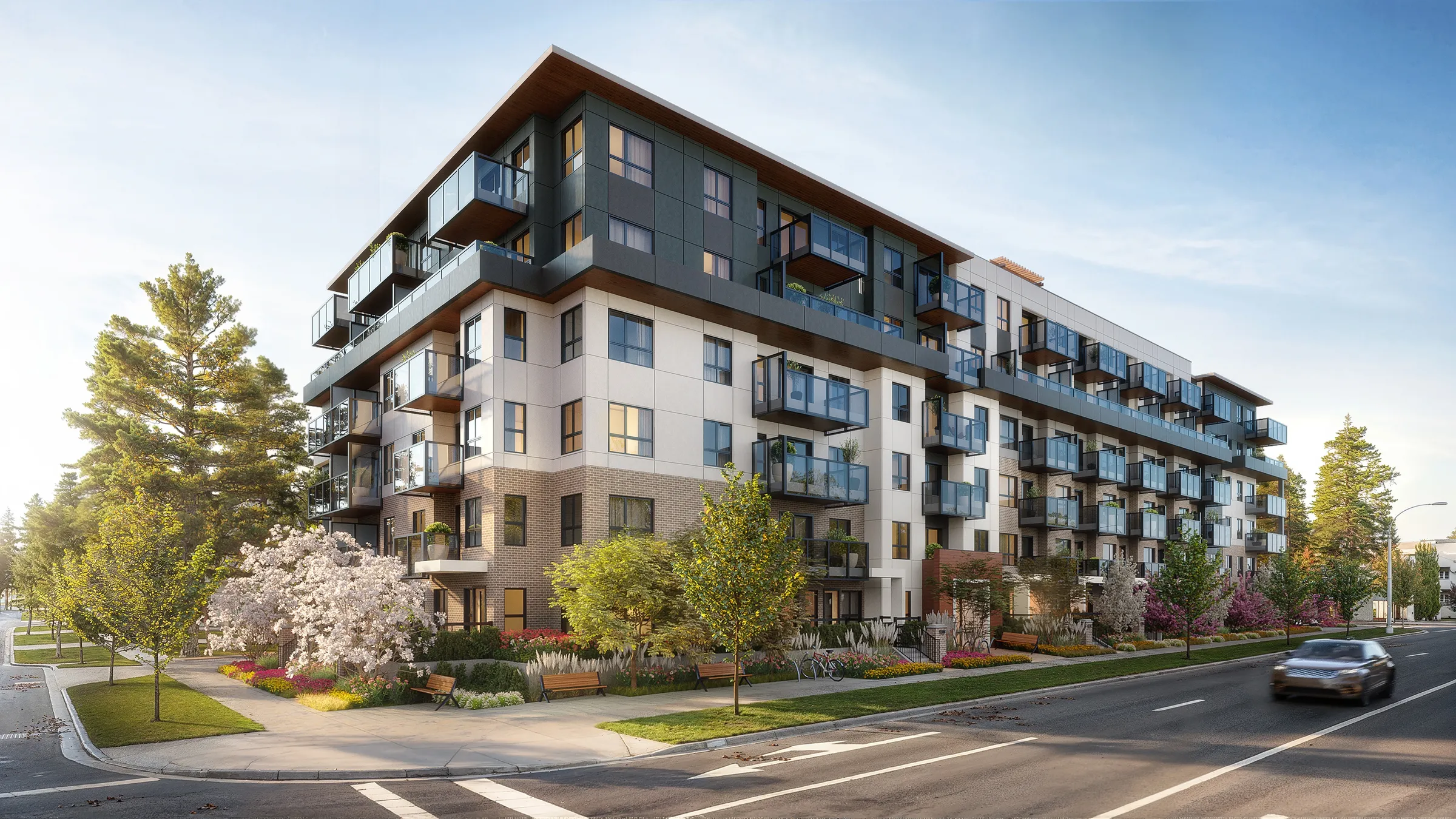
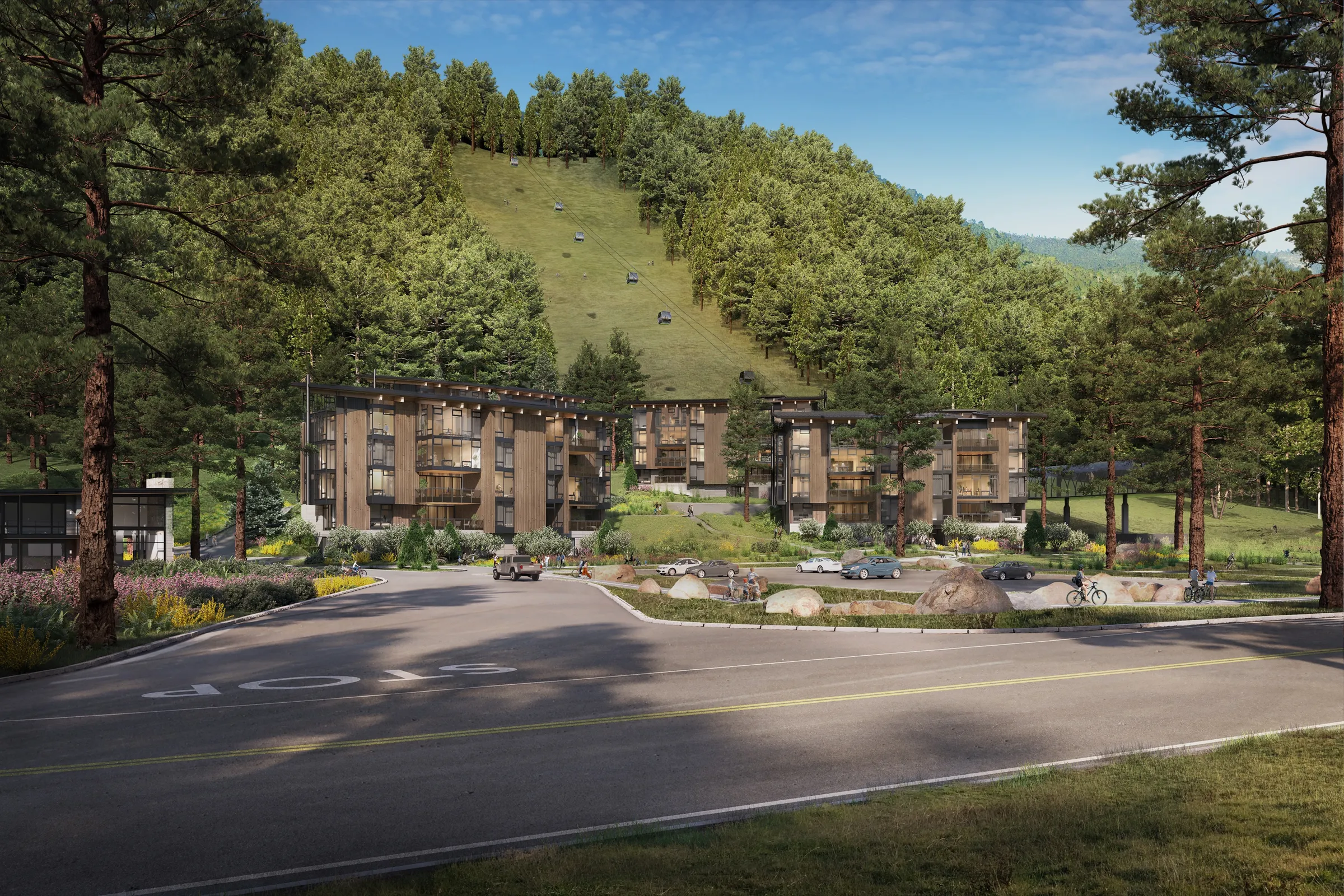
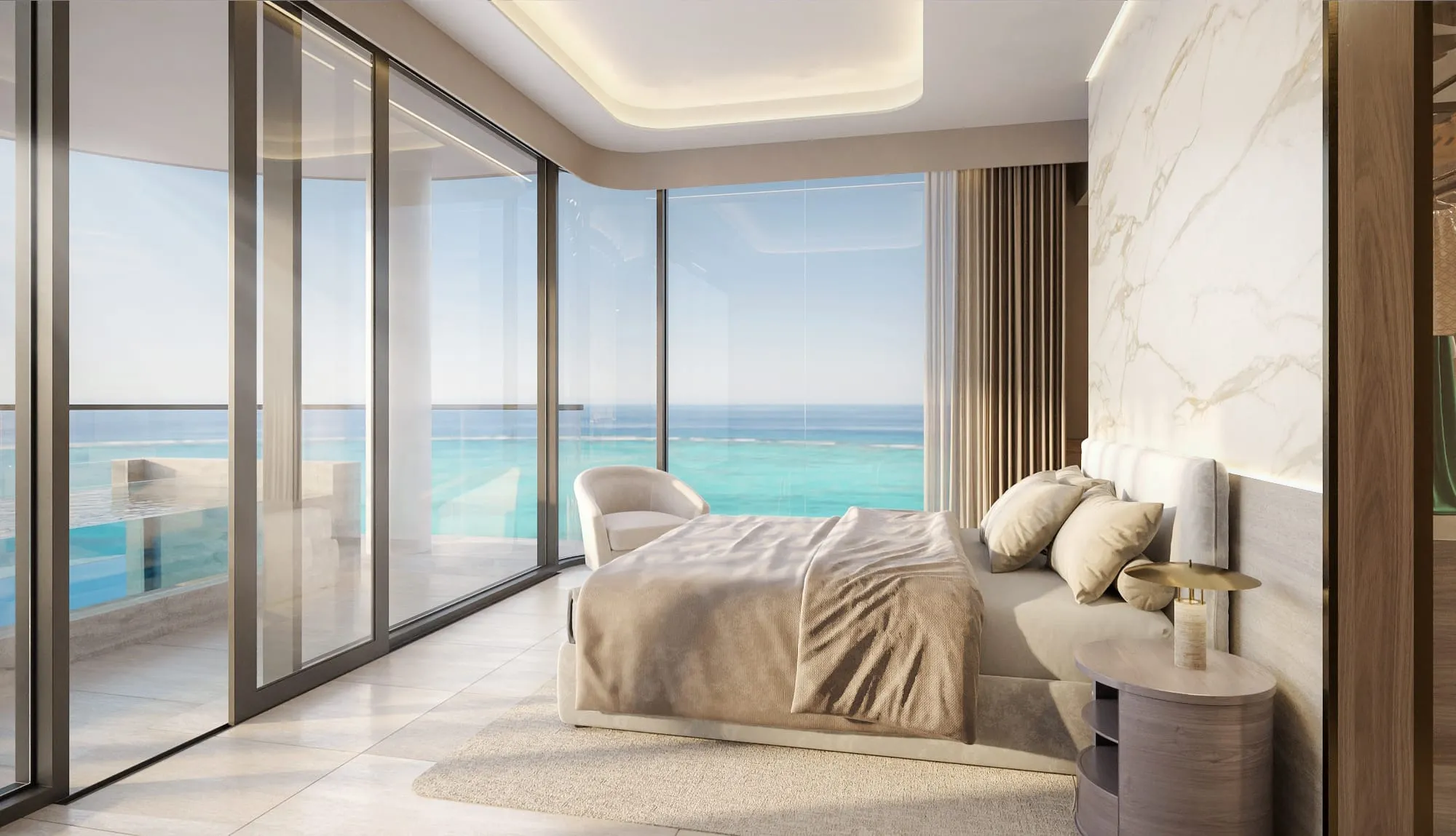
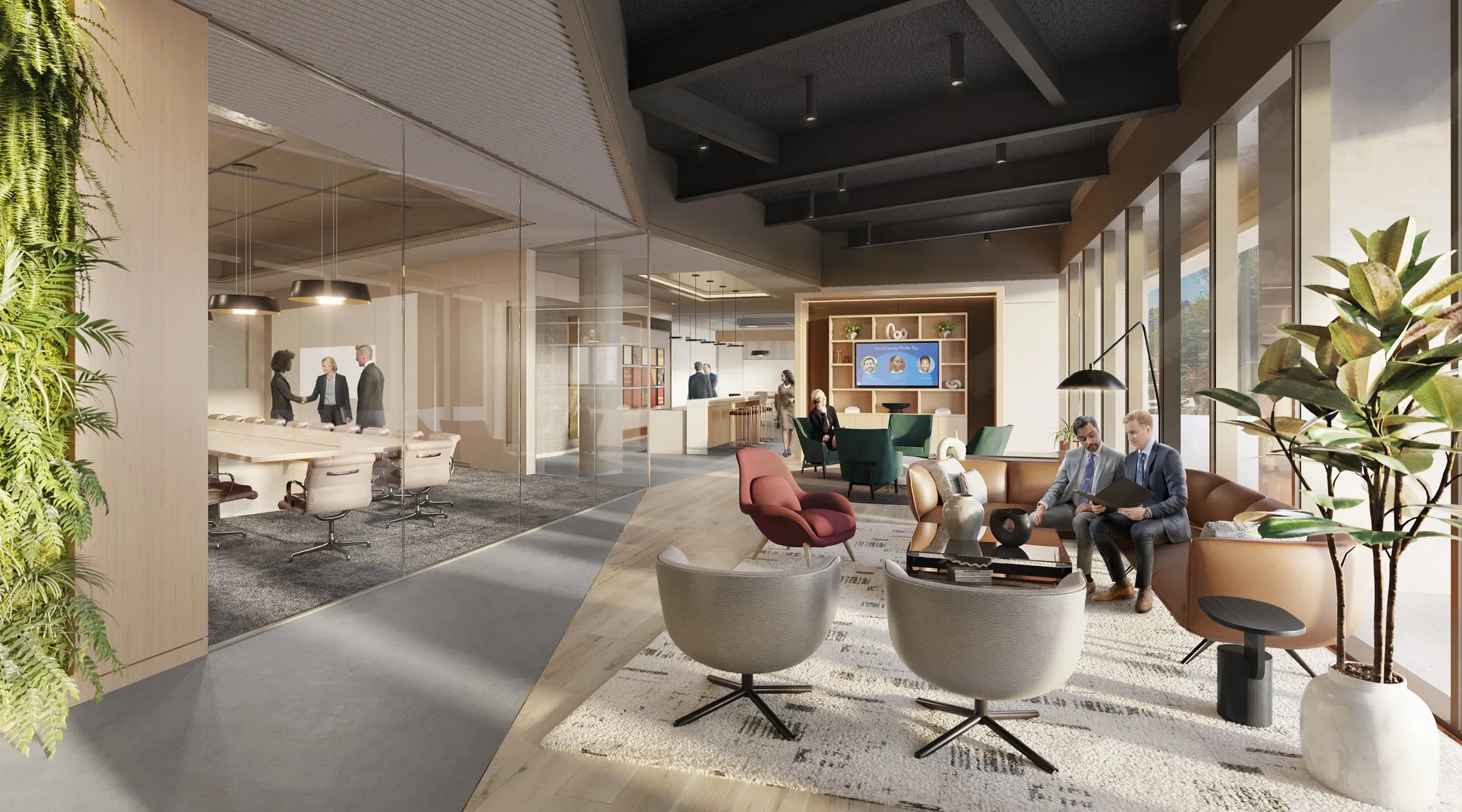
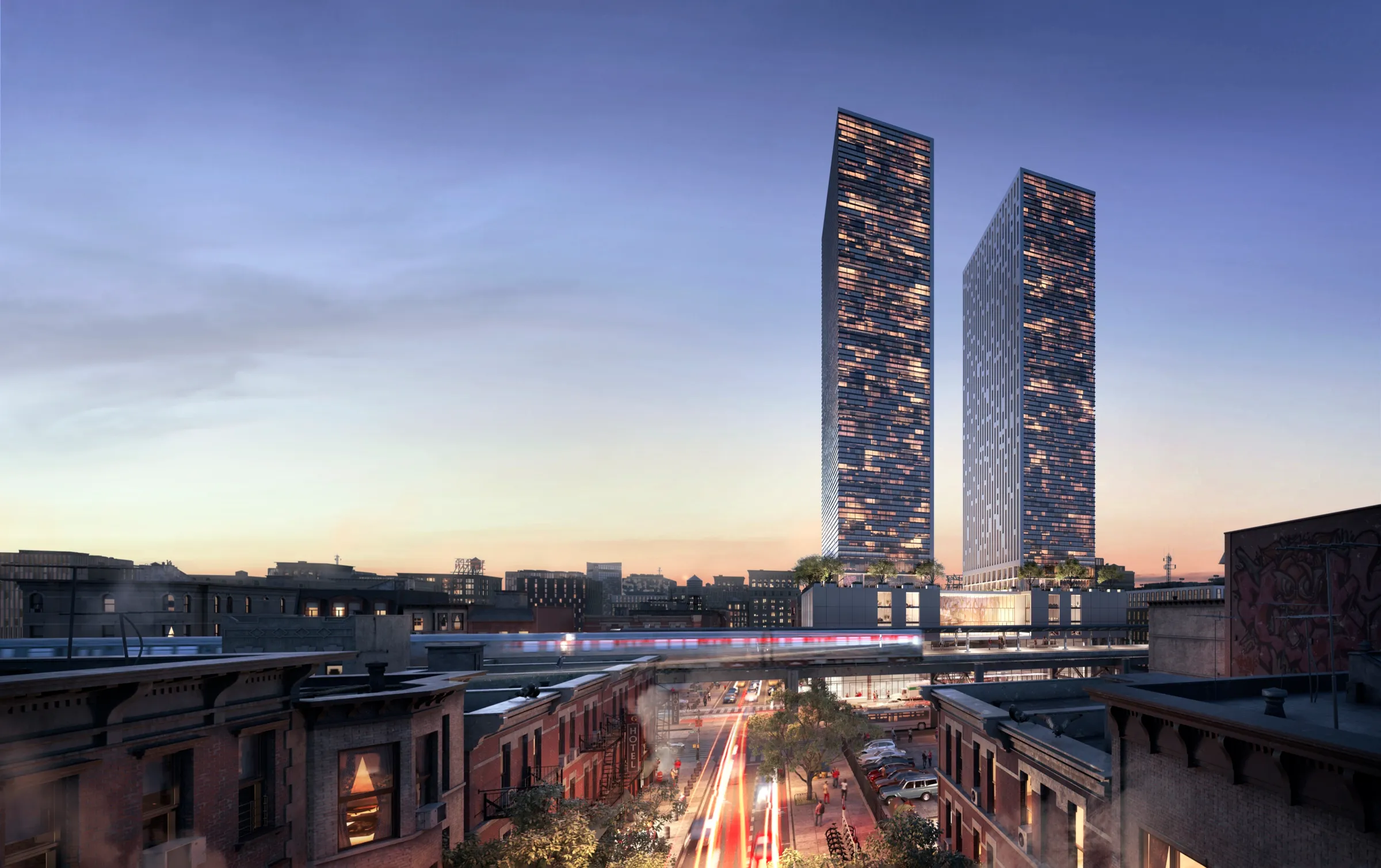
Ask any studio for work like yours. Here is ours.


Frequently asked questions
Where are you based?+
We are a US studio headquartered in the San Francisco Bay Area, with our in-house production team based in Brazil, and we work with clients across the country and worldwide, running projects remotely as standard.
Is production in-house or outsourced?+
Fully in-house. No subcontracting and no outsourcing, so the same team is accountable for quality, schedule, and confidentiality from the first call to delivery.
Do we own the final images?+
Usage is defined in your agreement so you can market the property across your website, listings, brochures, and agent packages.
Can you take over a model or renderings another studio started?+
Often, yes. Send us what exists and we will tell you honestly whether it is better to build on it or start clean.
Do you use AI?+
As a tool where it helps, never as a substitute for the process. Presale-grade accuracy and brand control come from a human, process-led team.
How do revisions work?+
Revision rounds are included and confirmed in the proposal. Correcting something against the brief is not a revision; a refinement you request is. We tell you which one a request is before we start.
What questions should I ask a 3D rendering company?+
Ask whether production is in-house, who works on your project, whether every angle is approved on a white model first, who owns the 3D model, how revisions are counted, and to see work in your property type. The table on this page lists a good answer and a red flag for each.
Should I hire a freelancer or a rendering studio?+
A freelancer can suit a single, simple image. A launch, an approval set or a multi-stakeholder project needs a team that can hold quality and schedule when one person is busy or away. Our studio vs freelancer comparison goes further.
How many studios should I compare?+
Usually two or three whose work in your property type stands up. Walk each one through the same brief, compare how they would run the process, then start with a single project.
How do we get started?+
Every project starts with a discovery call, where we learn the project, the buyer, and the launch calendar, and confirm we are the right studio for the work.
[ Proof ]
What to look for, and what you would find here.
- 10+ years in business, 500+ projects delivered, 150+ clients.
- 40+ Google reviews, every one five stars. Read them.
- A team of twenty to thirty people, all in-house. No subcontracting.
- Coverage in Boston Magazine, Apartment Therapy, New York YIMBY, MSN Money, Vancouver Magazine, and KX News.
[ Explore further ]
Who it's for
- Years in business
- 10+
- Projects delivered
- 500+
- Clients
- 150+
[ Start here ]
Every project starts with a discovery call.
Start with a discovery call. We will learn the project, who you are selling to, and whether we are the right studio for the work.
Book a call