The Pros and Cons of Outsourcing 3D Rendering

Lukas Berezowiec · CEO of NoTriangle Studio
Updated · 10 minutes
Key takeaways
Outsourcing 3D rendering gives firms professional expertise and a proven process, but it has its challenges, such as loss of control and potential communication barriers.
- Pros
- Budget control, access to expertise, a team that stays on the project, and easy scaling.
- Cons
- Loss of control, communication challenges, and quality variability.
- Watch for
- Ask whether the work is produced in-house or subcontracted to third parties.
- Bottom line
- Success hinges on finding the right partner who aligns with your goals and standards.
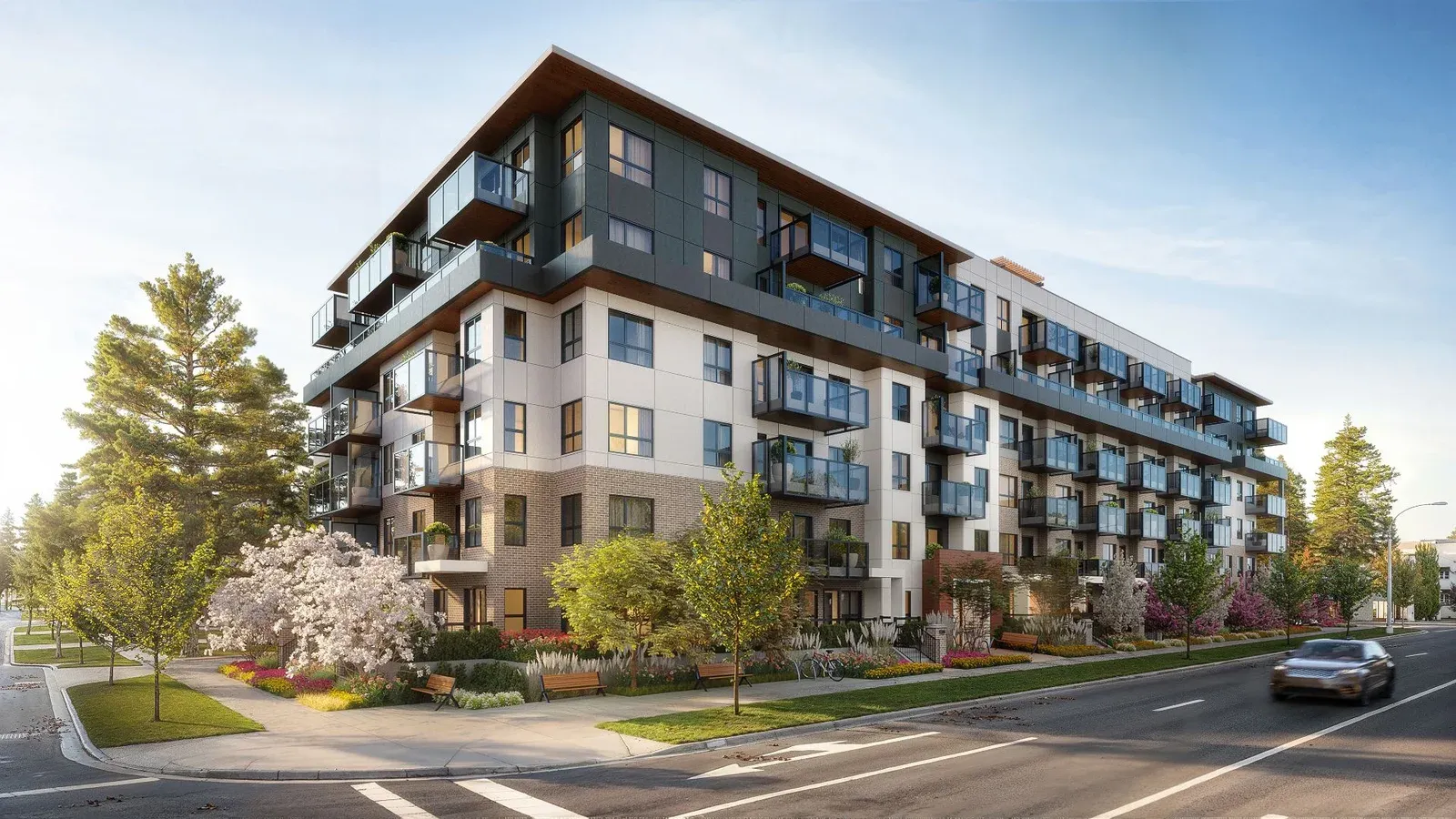
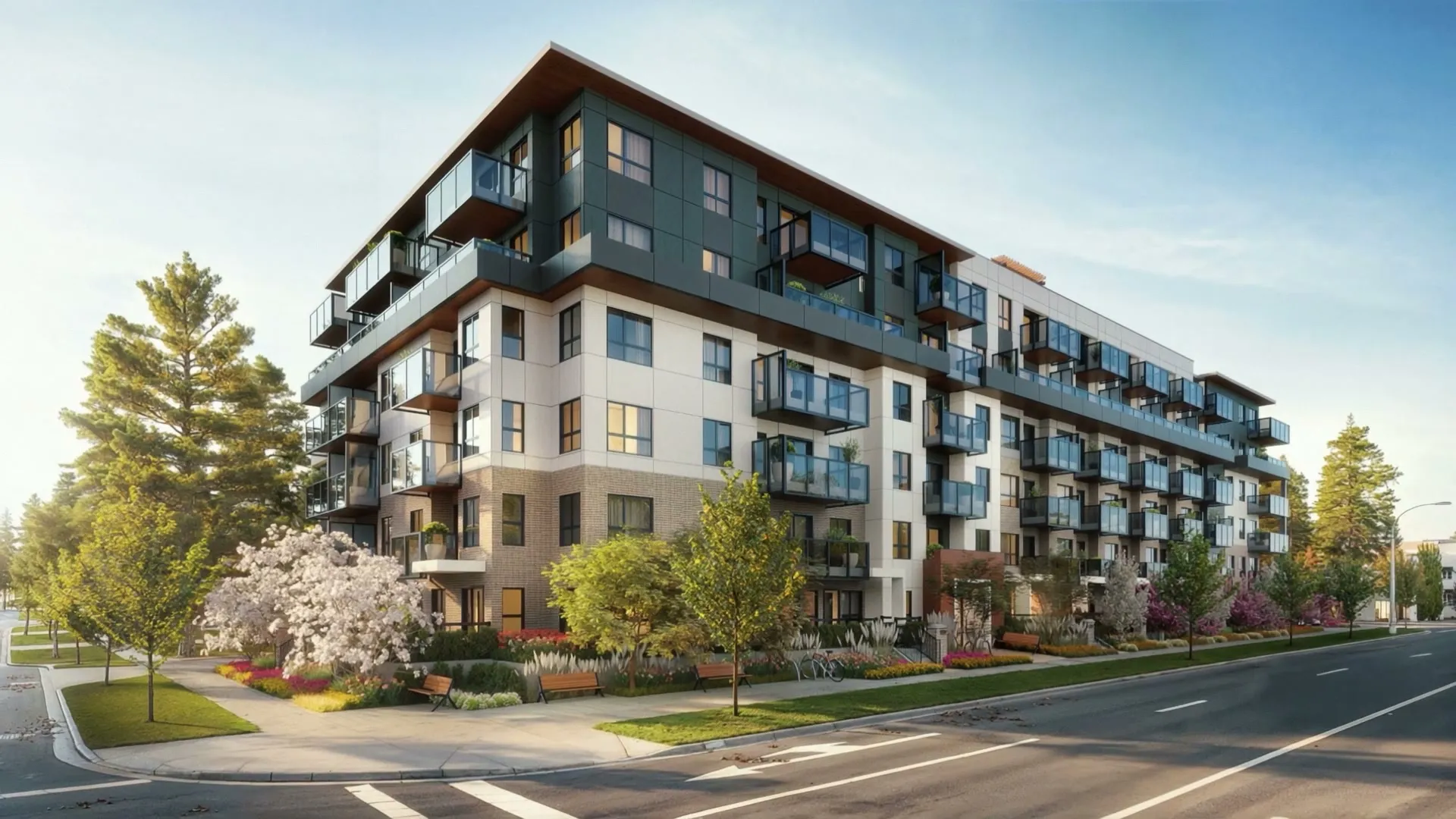
Outsourcing 3D rendering can be a smart solution for architectural firms and real estate developers looking to create high-quality visualizations without the burden of in-house production. By working with specialized 3D studios, businesses can access professional expertise and a proven process, and keep their own team focused on the project. However, like any strategy, outsourcing has its challenges, such as loss of control and potential communication barriers.
Pros of Outsourcing 3D Renderings
Budget Control: A Per-Project Quote Is Easier to Plan Than In-House Hours
3D studios tend to quote per project, meaning you have more control over the budget than with in-house artists. It’s often much harder to accurately calculate how many hours an in-house artist could spend on a project when taking into account potential delays or mismanagement.
Access to Expertise: You Gain Access to a Pool of Specialized 3D Rendering Professionals
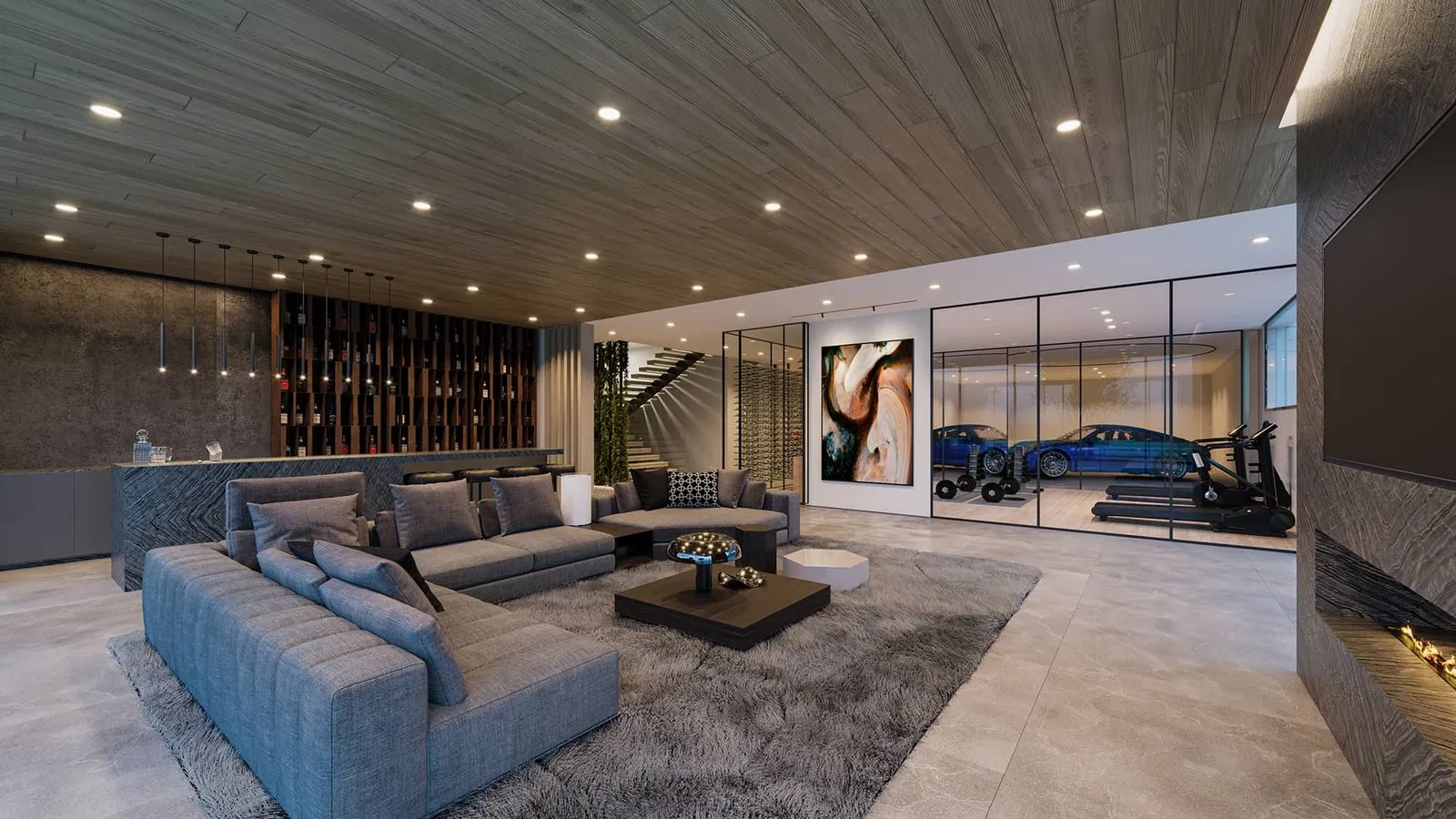
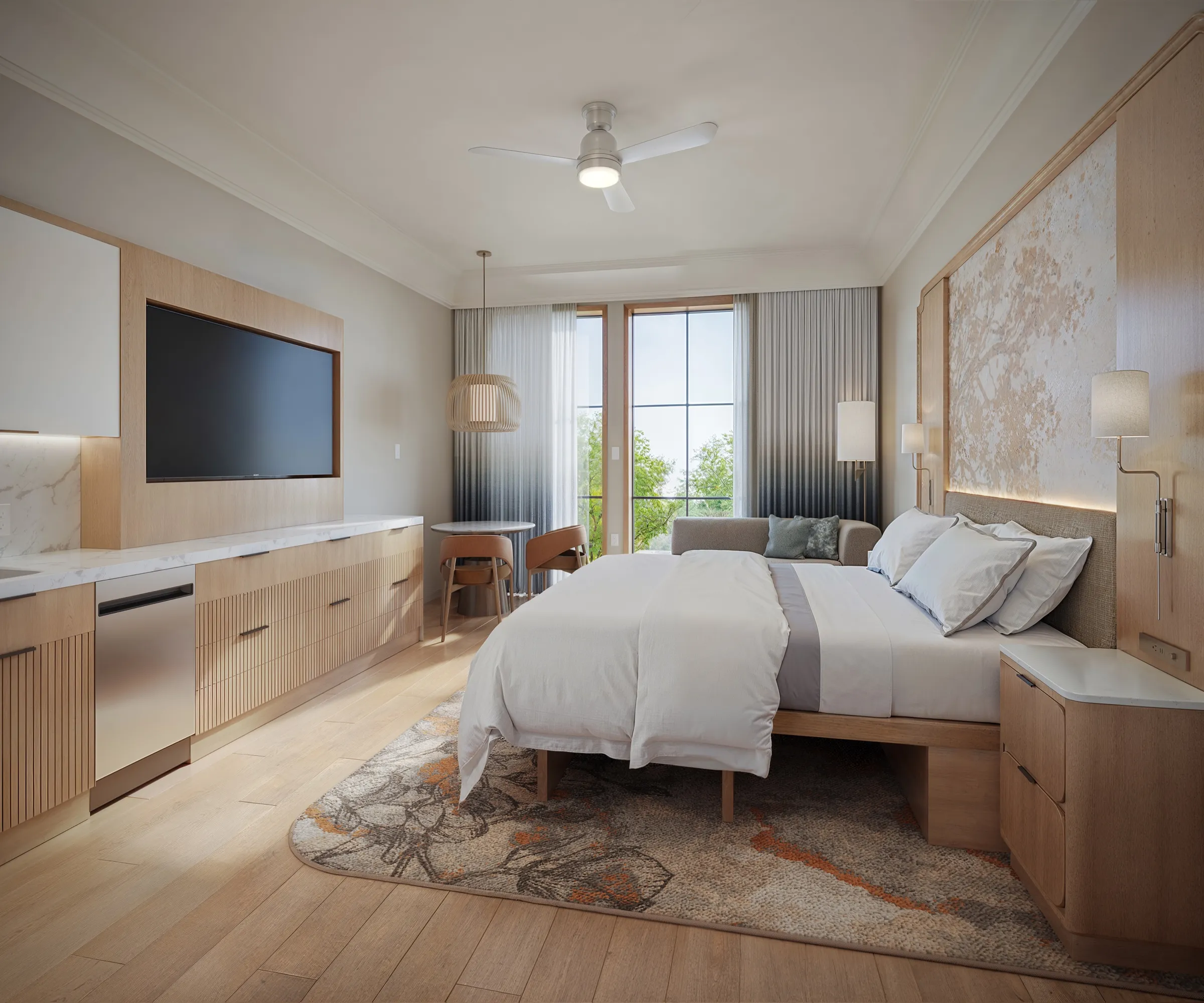
Provided you’ve chosen the right company, you’ll get access to a highly professional service difficult to match in-house. Just like a cardiologist is a better fit than a GP for heart-specific problems, a 3D studio is better equipped to handle your rendering needs, from exteriors and interiors to animation.
The caveat: you need to find the right company. See our pick for the Best 3D Rendering Companies.
Focus: Your Team Stays on the Project, Not on Production
Specialist studios run a structured process built around your approval and marketing dates. Running that in-house takes a significant time and financial investment to assemble a capable team.
Freelancers can be an excellent choice for smaller projects requiring a few images. For larger projects, freelancers often lack the resources and capacity required.
Reliability & Scalability: Easily Scale up or Down Your 3D Rendering Needs
Having a reliable partner gives you confidence, whenever you have a project that requires renderings, you have an efficient and trustworthy team. A high-quality 3D rendering partner can also facilitate business scalability.
Focus on Core Competencies: It Allows Your In-House Team to Concentrate on Other Critical Aspects of Your Business
For real estate developers, 3D rendering often doesn’t sit atop the priority list and typically demands a distinct skill set. Outsourcing emerges as a more efficient solution compared to acquiring these skills or establishing an in-house team.
Architects find their time better invested in strategic aspects: client acquisition, retention, and delivering exceptional design services.

Cons of Outsourcing 3D Renderings
Loss of Control & Trust
When outsourcing, you’ll have less direct control over the project. You won’t oversee every detail and need to place trust in another team. This may require some time, and there is always inherent risk with new service providers regarding quality.
However, when you collaborate with a top-tier 3D rendering company, many of these concerns are mitigated. To learn more, see our blog on the cost of renderings.
Communication Challenges
Effective communication is paramount in any successful collaboration with a 3D studio. Managing people in your own work environment is often simpler than overseeing a company located elsewhere, potentially in a different country.
These difficulties compound with time zone differences. The prevalence of overseas companies also means varying levels of proficiency in English.
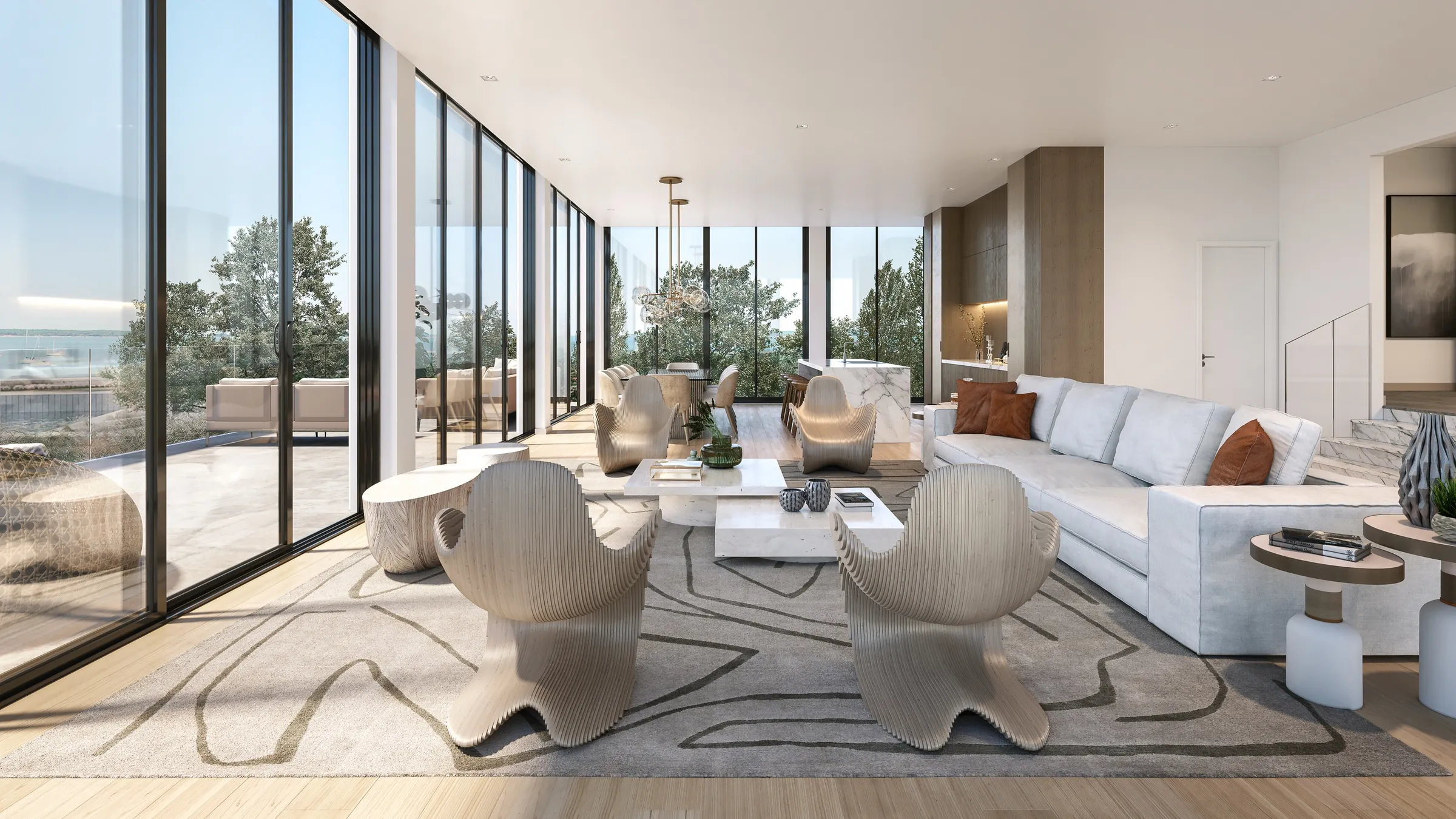
Quality Variability
There can be significant variations in quality depending on the company you choose. It can be disheartening to embark on a collaboration with high expectations only to discover the delivered images fall short of the portfolio.
One common reason for that gap is subcontracting. A studio wins the work on the strength of its portfolio, then farms the production out to third parties whose standard you never saw. Ask directly whether the work is produced in-house or subcontracted, because the answer tells you how much the portfolio can be trusted.
Ensure the company has plenty of genuine reviews, request to speak with current clients, engage in phone conversations to assess communication, and resist the presumption that cheaper equals better.

Conclusion
3D architectural rendering outsource can often be the best strategy to meet your rendering needs, but isn’t one without cons. The benefits, specialist expertise, a proven process, reliability and flexibility, can give a project a real edge in approvals and pre-sales.
However, acknowledge the drawbacks: loss of control, communication challenges, and quality variability. Success hinges on finding the right partner who aligns with your goals and standards.
Tips for selecting a partner:
- Start with a clear scope of work outlining specific requirements, style, and delivery deadline.
- Research potential providers, reviews, portfolios, references.
- Ask whether the work is produced in-house or subcontracted to third parties. It is one of the biggest causes of the gap between portfolio and delivery.
- Request quotes and compare pricing, factoring in initial fee, revisions, and any additional charges.
- Select a partner you trust to deliver high-quality results on time and on budget.
FAQs
What is outsourcing 3D rendering?+
Hiring external experts or studios to handle the creation of 3D visualizations instead of managing the process in-house.
What are the pros of outsourcing 3D renderings?+
Access specialized expertise and a proven process without the overhead of an in-house team, so firms can focus on core tasks.
What are the cons of outsourcing 3D renderings?+
Potential loss of control, communication barriers, and quality variability.
How do I find a reliable 3D rendering studio?+
Research studios with strong reviews, verified portfolios, and references. Request quotes and discussions to ensure alignment.
How can outsourcing 3D rendering improve project scalability?+
Scale up or down depending on project scope without hiring or maintaining an in-house team.
Does outsourcing 3D rendering save my team time?+
Yes. An experienced studio runs production, reviews and revisions, so your team gives feedback at set points instead of managing the work. The schedule itself is set by the scope and your key dates.