How to Outsource Rendering Services

Lukas Berezowiec · CEO of NoTriangle Studio
Updated · 9 minutes
Key takeaways
There are two main routes, working in-house or outsourcing, and the latter is becoming more popular because it gives access to specialist quality and a proven process without building a team in-house.
- Scope
- Get a rough idea of what scope of 3D services you're looking to get done.
- Choosing a studio
- Quality of work, in-house production, communication, time zone, reviews, and price.
- Brief
- Share the purpose, key dates, style references, and complete project materials.
- Feedback
- Delays on your end when sending feedback will ultimately impact the timeline of the project.
3D rendering has become an indispensable tool for real estate developers, marketers and architects. There are two main routes, working in-house or outsourcing, and the latter is becoming more popular because it gives access to specialist quality and a proven process without building a team in-house. This post explores the steps required to successfully outsource a 3D rendering project.
Why Outsource Rendering Services
Creating an in-house 3D rendering team can be very costly, time-consuming, and requires a lot of management skill. This is even more of a challenge for smaller companies who might not have the resources or have a limited knowledge of 3D.
Besides the evident challenges of management, there are also lots of costs associated with building an in-house team, training, HR, obtaining equipment, software and tools, and any benefits packages. 3D architectural rendering outsourcing helps to circumvent these issues, with little downsides if you find the right company to work with.
How to Outsource 3D Rendering: Process
Ensuring success when outsourcing rendering services requires following a few steps to avoid unnecessary back and forth and ensure the project goes smoothly.
Step 1: Determine the Project Scope
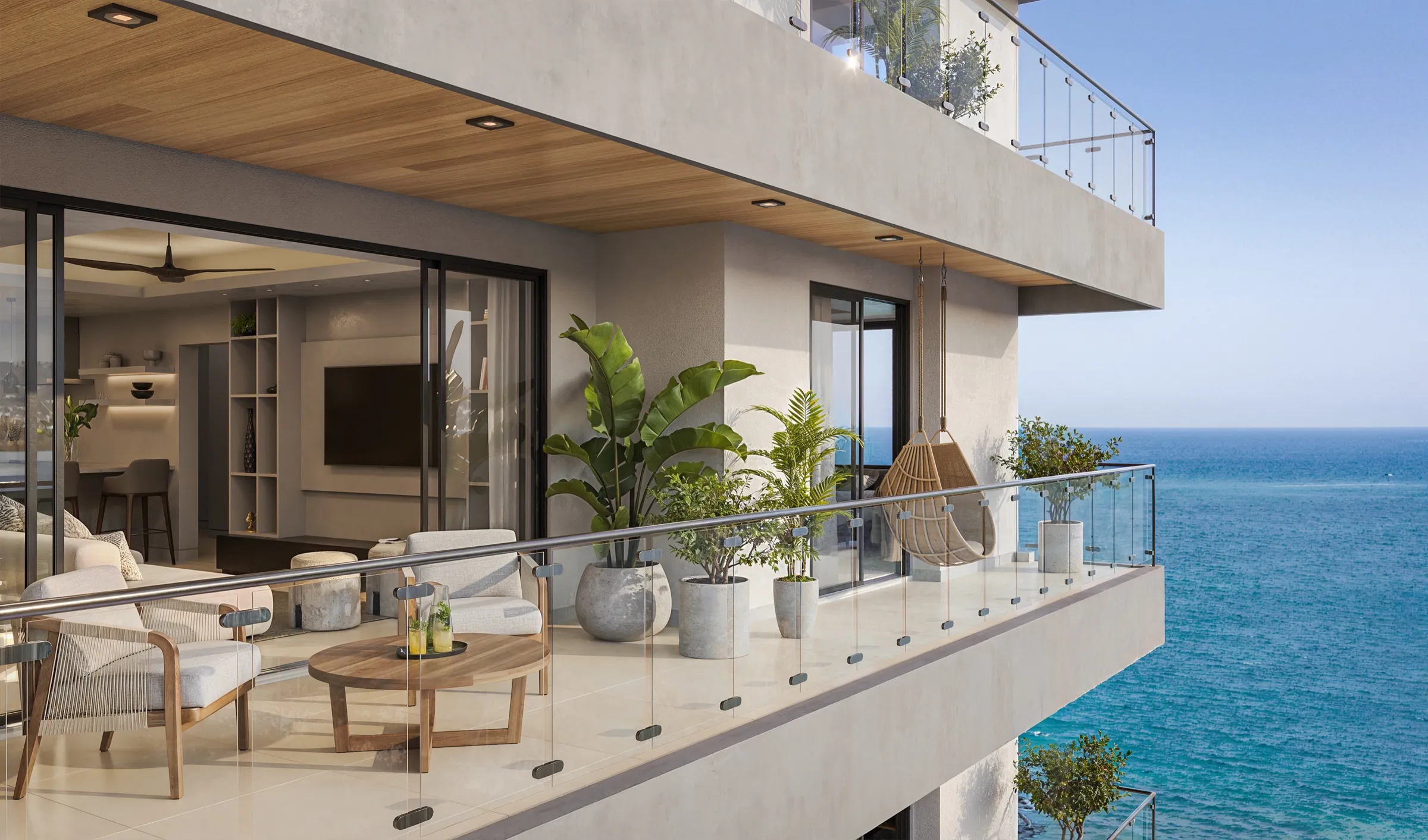
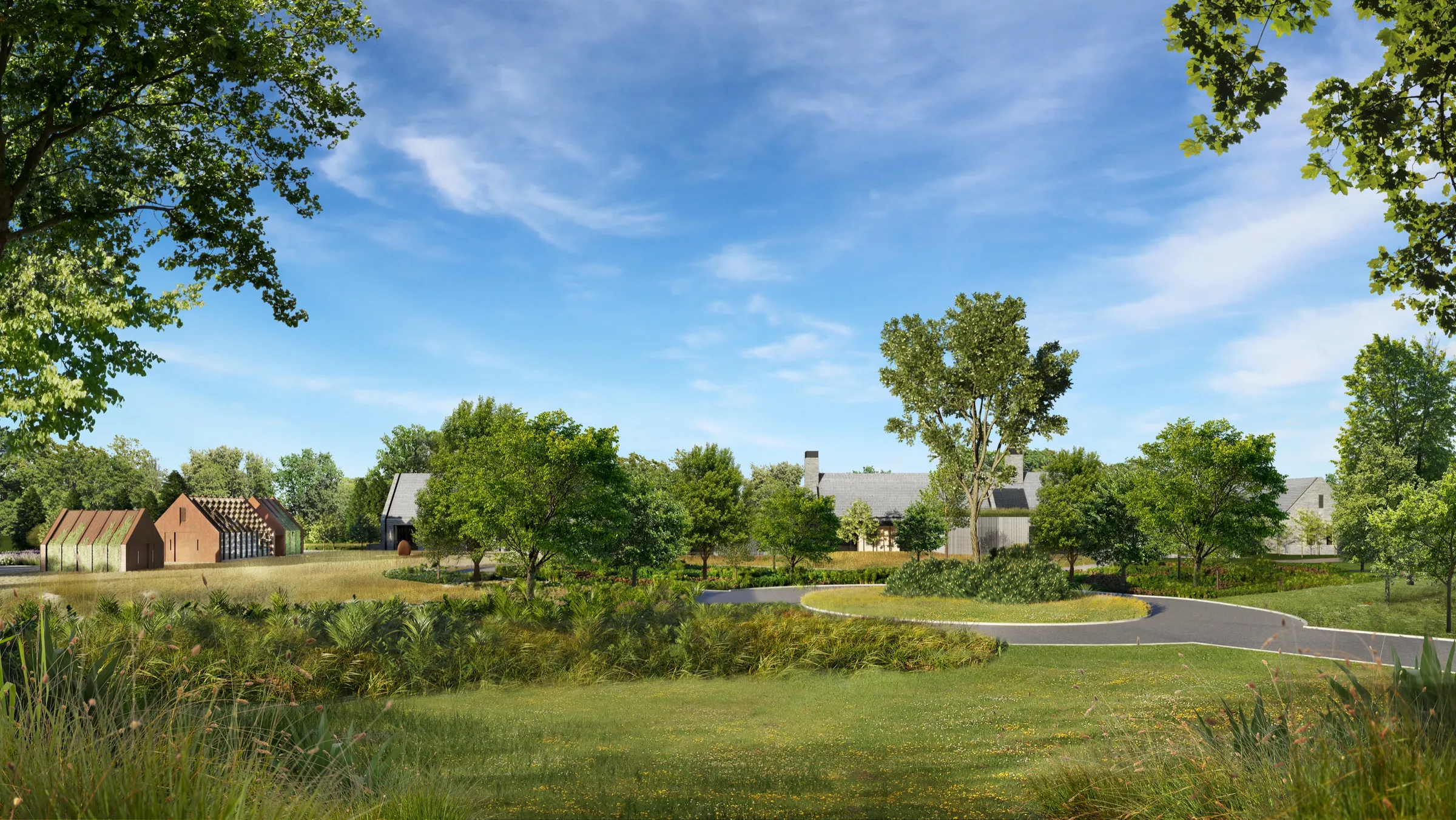
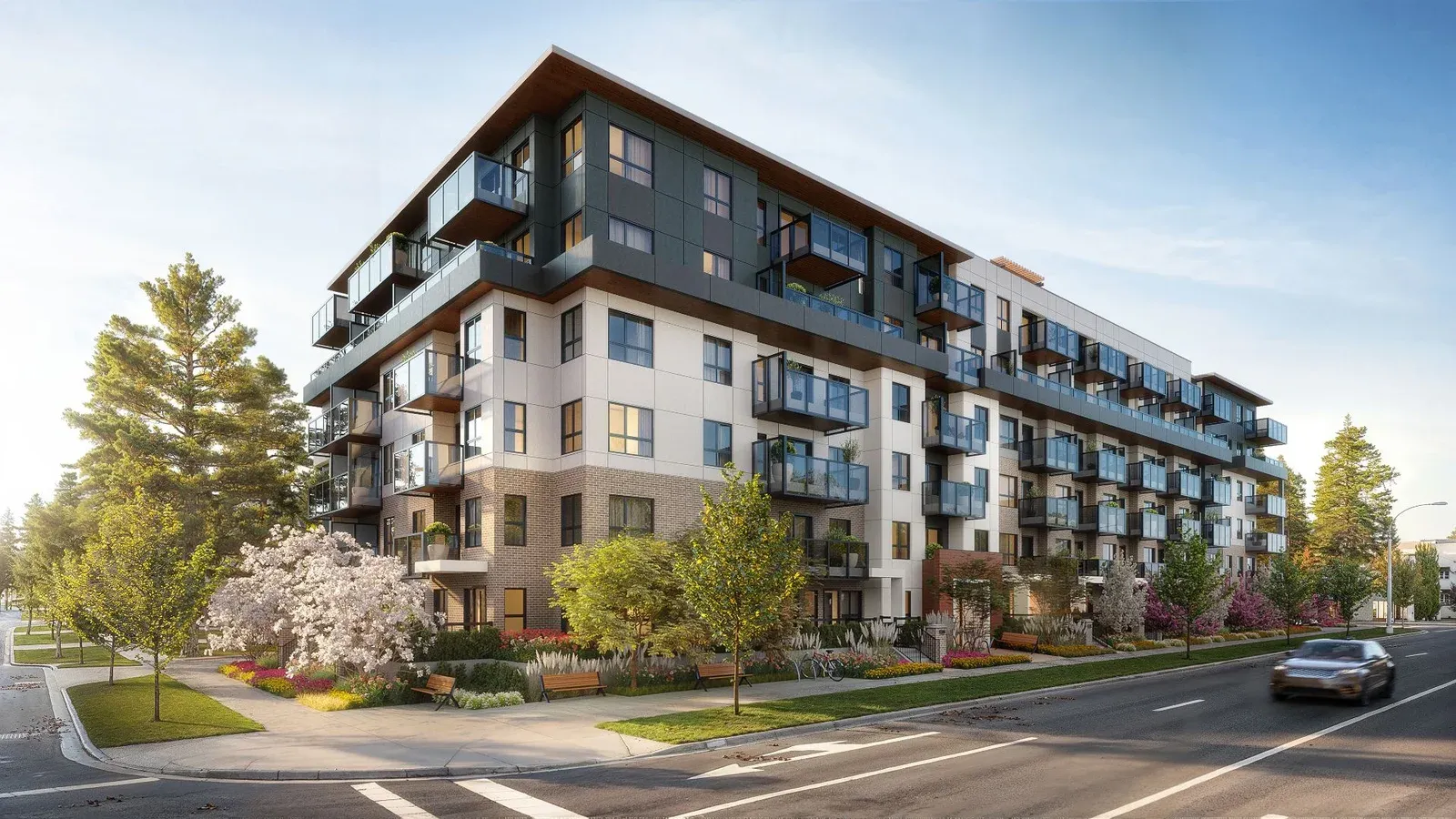
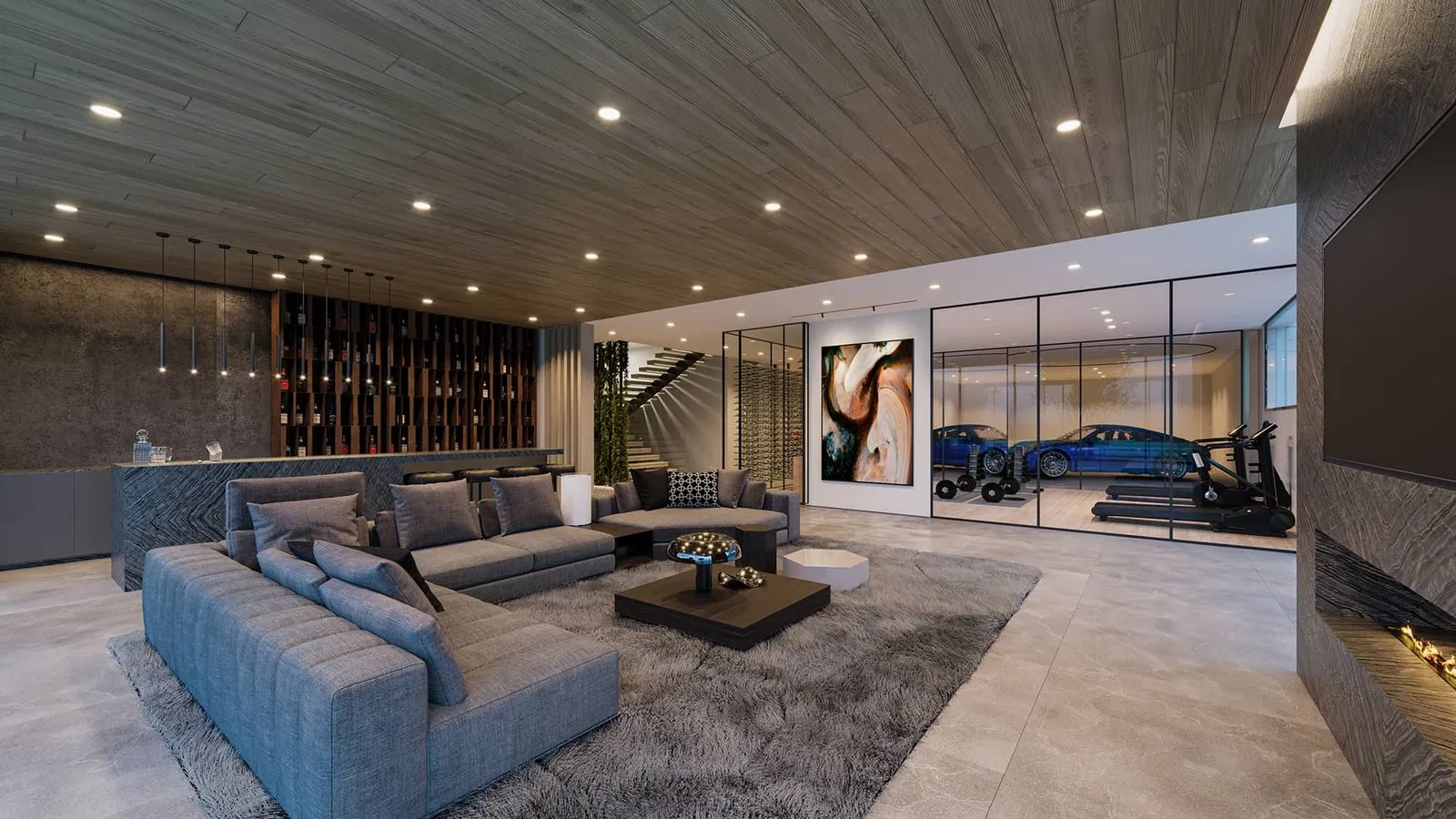
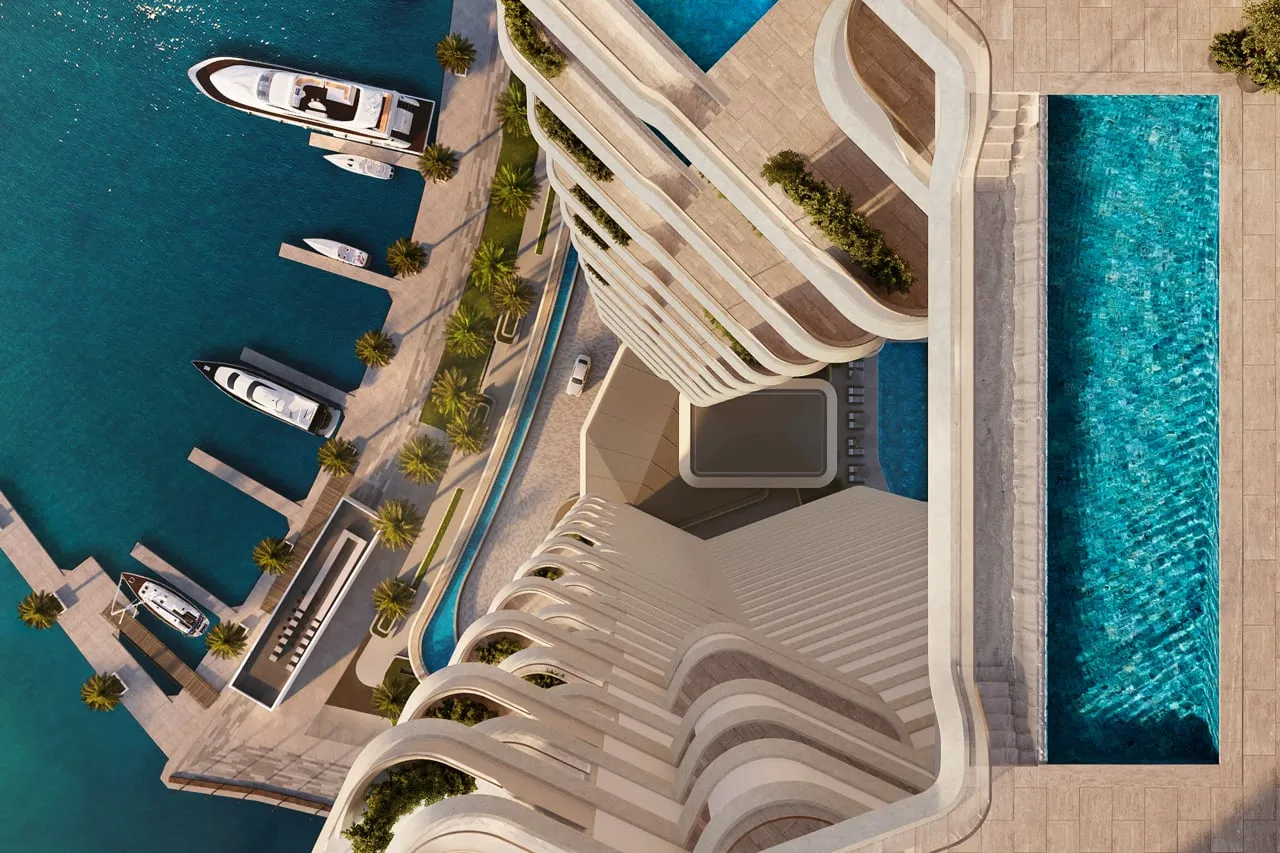
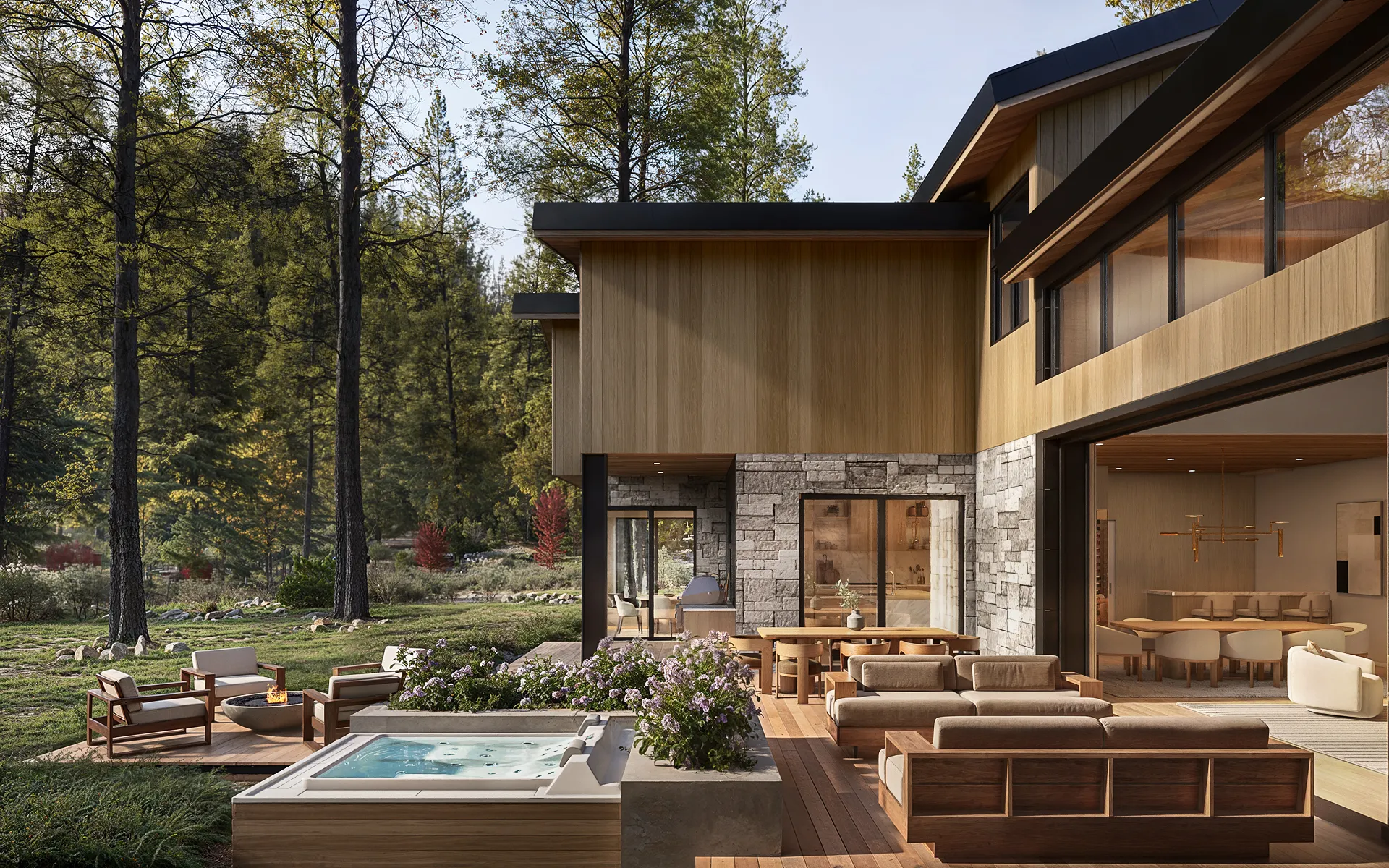
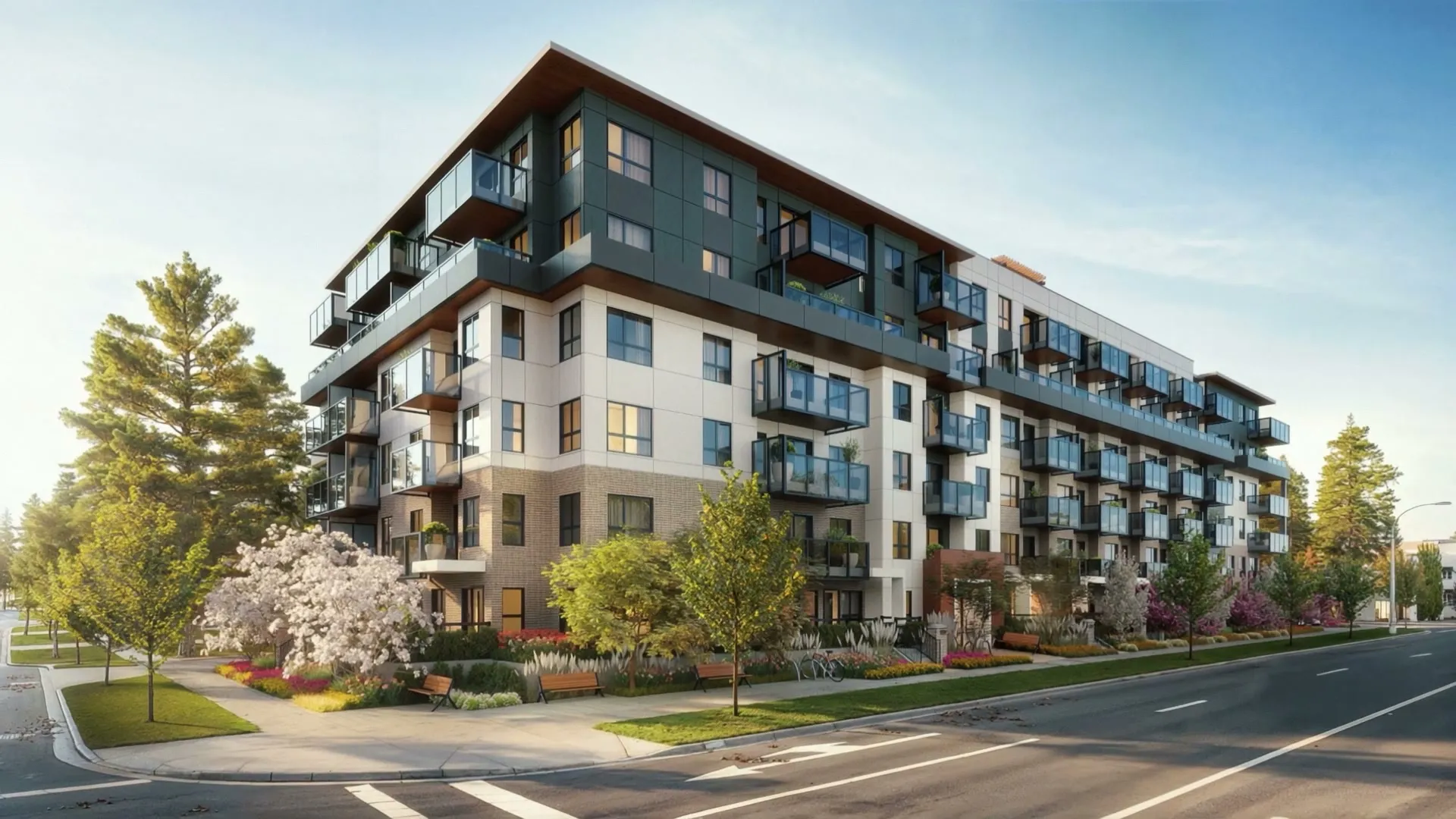
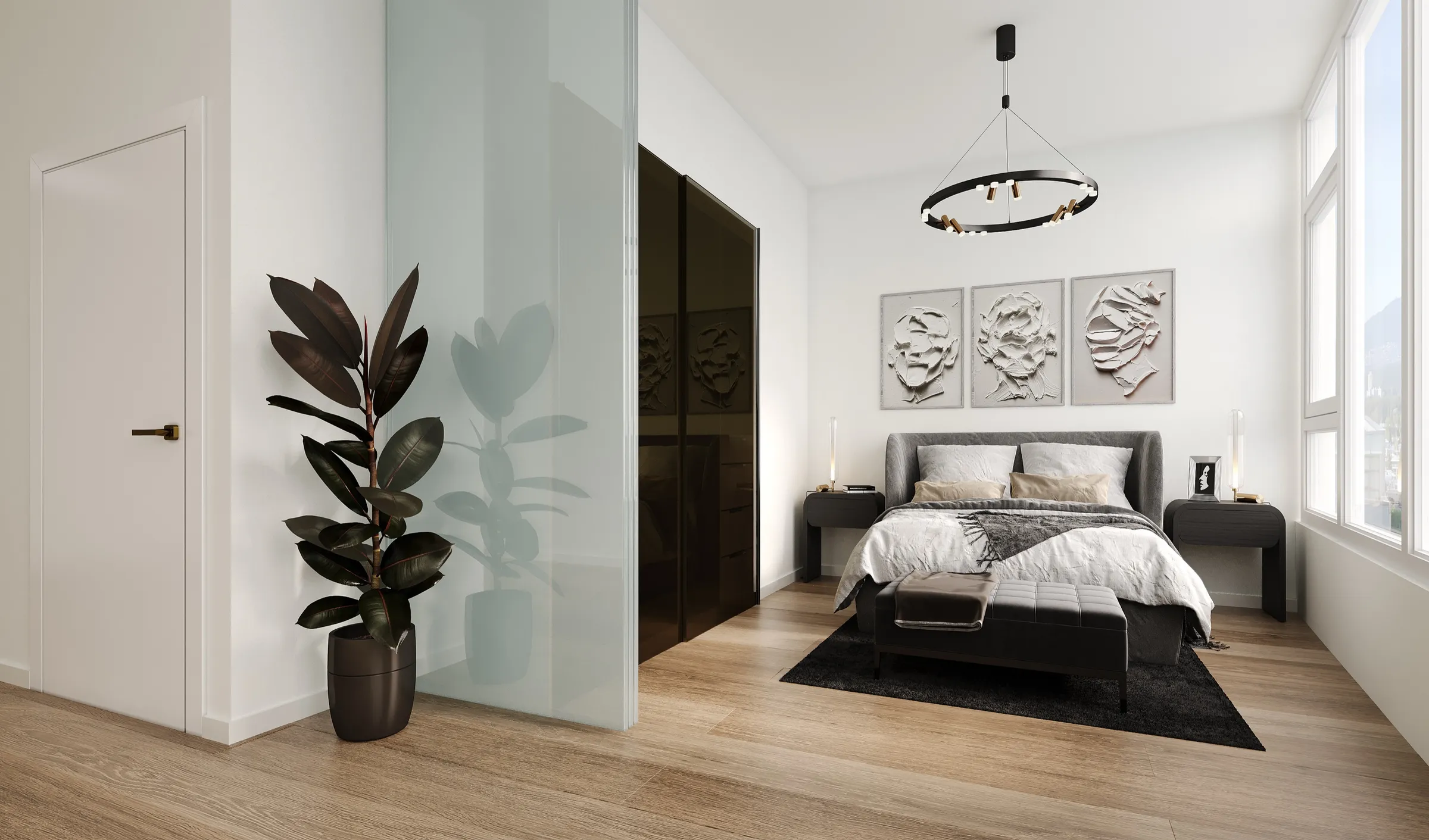
After choosing which project to outsource, get a rough idea of what scope of 3D services you’re looking to get done. For a standard residential project, renderings of both the exterior and interior can add up to 3–5 images, which generally meets most needs. If you’re unsure, talk to a 3D rendering studio to get an expert’s opinion.
Step 2: Find & Evaluate 3D Rendering Studios
Finding the right 3D rendering outsourcing service provider can be a challenge, but it’s one of the most important steps. The main things you should be looking for include quality of work, whether production is handled in-house or subcontracted to third parties, solid communication, time zone of the company, quality of reviews, and price. Our guide to questions to ask a rendering studio lists a good answer and a red flag for each.
Step 3: Communicate Your Needs & Expectations
It’s important to communicate the following to the studio:
- Purpose of the renderings, explain exactly how you plan to use the renderings so the studio can adapt their strategy.
- Key dates, share your approval, launch and marketing dates early. A good studio plans the schedule around them, and the earlier it knows, the better the plan.
- Quality/Style of the Images, if there’s a particular style you’re looking for, communicate it, with reference images usually being the most effective way.
Step 4: Provide Clear Instructions and Quality Materials
Provide the studio with complete materials of the project, which includes CAD drawings, a 3D model, elevations, floor plans, and an FFE package or clear references for the interior design. This helps the project go smoothly and avoids miscommunications.
Step 5: Set Realistic Expectations
Get a basic understanding of 3D rendering to make sure your expectations are aligned with those of the studio. When it comes to timeline, understand that creating quality renderings takes time, and rushing through the process can cause unexpected problems.
Step 6: Provide Feedback and Collaborate Throughout the Project
3D studios often provide you with online platforms such as Review Studio to organize your comments. Provide clear references whenever necessary for specific design elements, vague instructions often lead to miscommunications and unnecessary back and forth.
Most 3D studios don’t include the time waiting for feedback in their timeline, so any delays on your end when sending feedback will ultimately impact the timeline of the project.
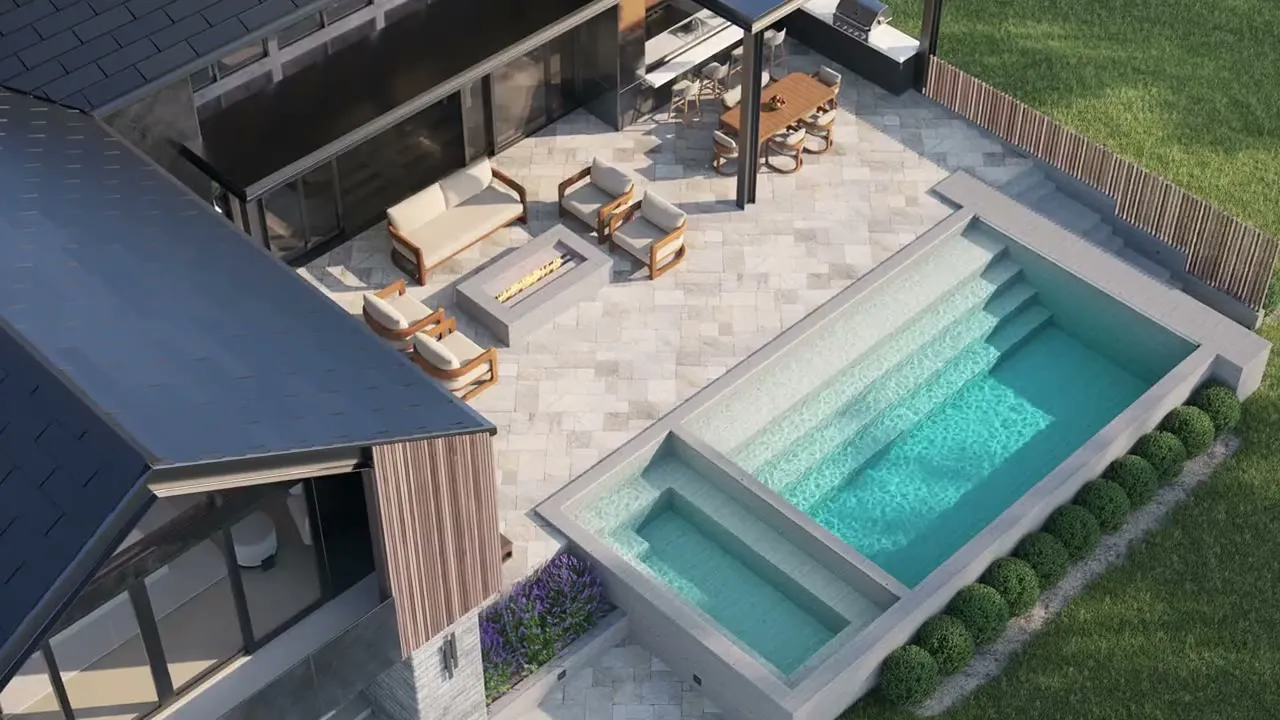
Step 7: Approve the Final Renderings & Discuss NDA and Other Protections
After going through the feedback process (the number of revision rounds is confirmed in the proposal), review and approve the final renderings. Discuss any NDAs that may be applicable when it comes to publishing the work. Most companies publish their work on social media, websites and client portfolios, if there’s any reason it can’t be published, make this clear to the studio.
Conclusion
3D architectural rendering outsourcing has emerged as a practical solution, particularly for companies that need specialist quality without the resources to build an in-house team.
To ensure a successful outsourcing journey, clearly define your project scope and carefully select a reliable 3D studio, focusing on factors like quality of work, communication, time zone, reviews, and price. Effective communication of your needs and expectations is pivotal.
FAQs
What are the benefits of outsourcing 3D rendering services instead of building an in-house team?+
Outsourcing gives you access to specialists using the latest tools and a proven process, without hiring, training, and maintaining an in-house team. The imagery is built to the standard your approvals and sales launch need, and the team flexes with your project pipeline.
How do I ensure the quality of work when outsourcing 3D rendering services?+
Thoroughly research potential studios, focusing on their portfolio, client reviews, and communication practices. Clearly define your project scope and expectations, provide detailed instructions and quality materials, and regularly communicate throughout the project.
What should I consider when choosing a 3D rendering studio to outsource to?+
Quality of previous work, communication skills, time zone, pricing structure, ability to meet deadlines, reviews, testimonials, and whether they can adapt their style to your specific project needs.
What legal protections should I discuss with a 3D rendering studio before outsourcing?+
Discuss confidentiality agreements and Non-Disclosure Agreements (NDAs) to protect your project's sensitive information. Clarify whether the studio can use the renderings in their portfolio or on social media, and agree on any terms regarding publication.