Working with One Rendering Studio Across Several Projects

Lukas Berezowiec · CEO of NoTriangle Studio
· 6 minutes
Key takeaways
None of this has to be explained again on the second project. These are the four things that change once a studio already knows your work.
- Takeaway 01
- A second project should not repeat decisions already approved
- Takeaway 02
- Phases sold side by side need one light, grade and camera language
- Takeaway 03
- One contact who remembers the brief beats re-briefing from zero
- Takeaway 04
- Each project still gets its own analysis of who it is selling to
Most developers choose a rendering studio one project at a time. The first project is where you find out whether the studio understands your buyers, your architecture and how you like to work. The real return comes on the second and third, when none of that has to be explained again.
This guide covers what carries over when the same studio works across several of your projects or phases, why it matters most when those phases are sold side by side, what should still change every time, and how to set the relationship up so project three starts where project two finished. If you are still choosing a studio for the first one, start with our guide on how to choose a 3D rendering studio.
What Carries Over from One Project to the Next
A first project spends a lot of its time on things that have nothing to do with the actual rendering: agreeing what finish and material language fit the architecture, finding the camera heights and lenses that suit the product, working out what time of day and lighting mood the brand wants, and establishing who on your side actually signs off. None of that is wasted. It is just not work a second project should have to repeat.
On project two, the materials are already approved. The camera language, the heights, the lenses, the time of day you preferred, is already decided. The team already knows the planting and landscaping style you like, the review rhythm you work at, and who has final say. The brief for the next project starts from that baseline instead of from a blank page, which is also why angle selection matters so much the first time around, something we cover in why we white model every angle first.
Consistency Across Phases
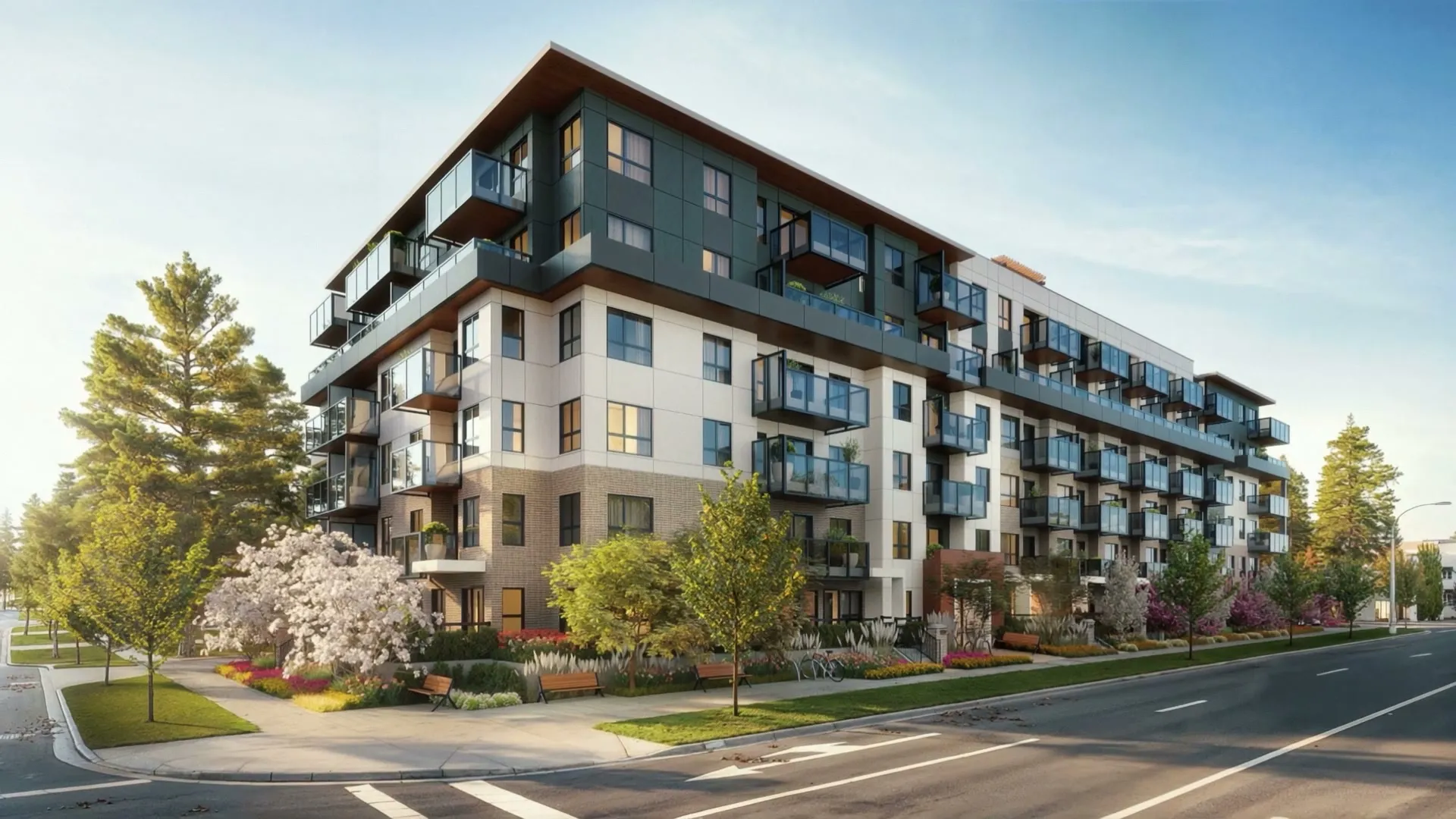
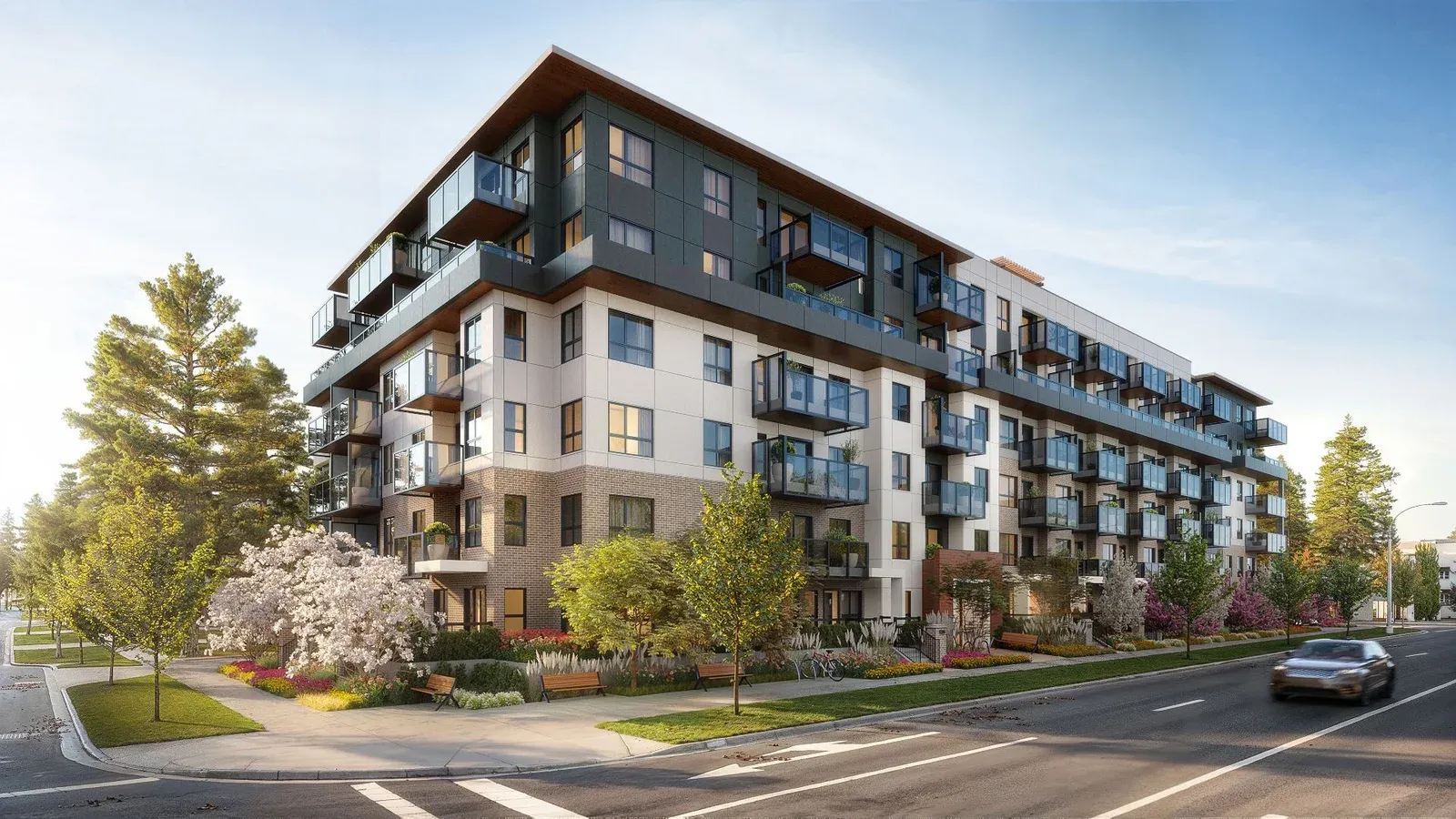
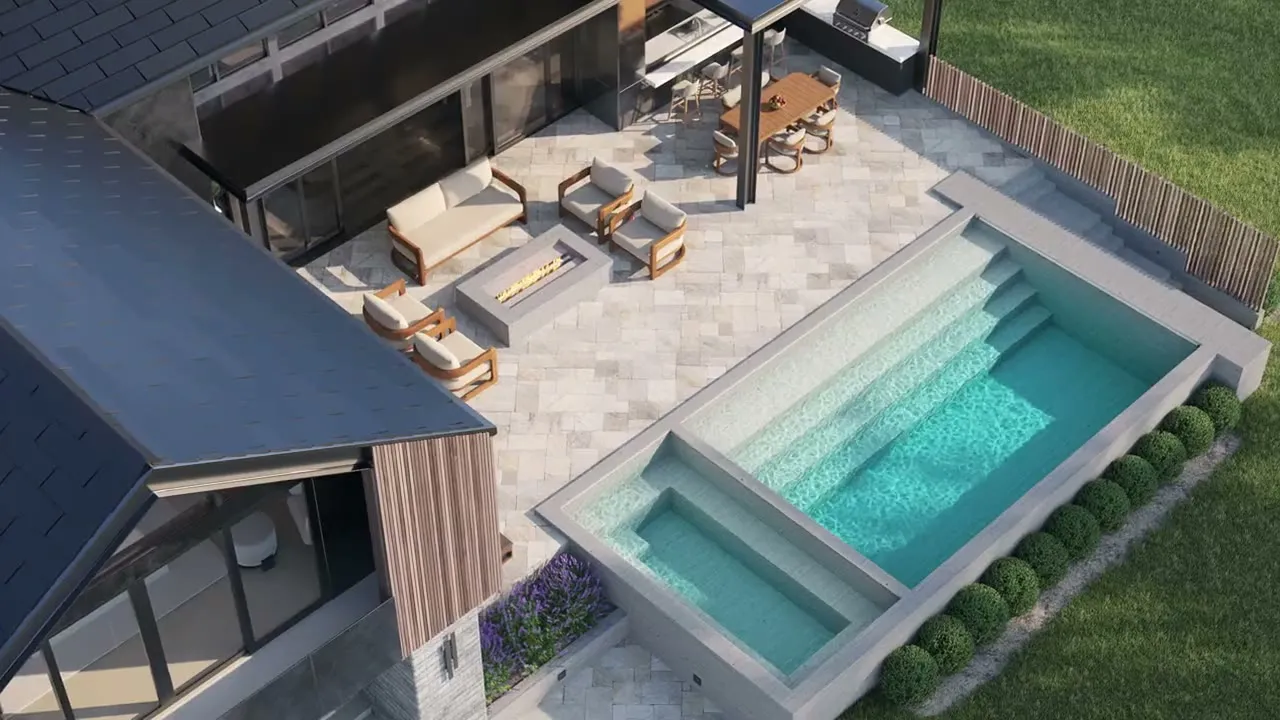
The case for staying with one studio gets stronger, not weaker, once a project has phases. Phase two of a community, or a second building in the same district, is sold next to phase one’s marketing. Buyers compare the two sets of images whether anyone intends them to or not, and if the renderings look like they came from two different studios, they notice.
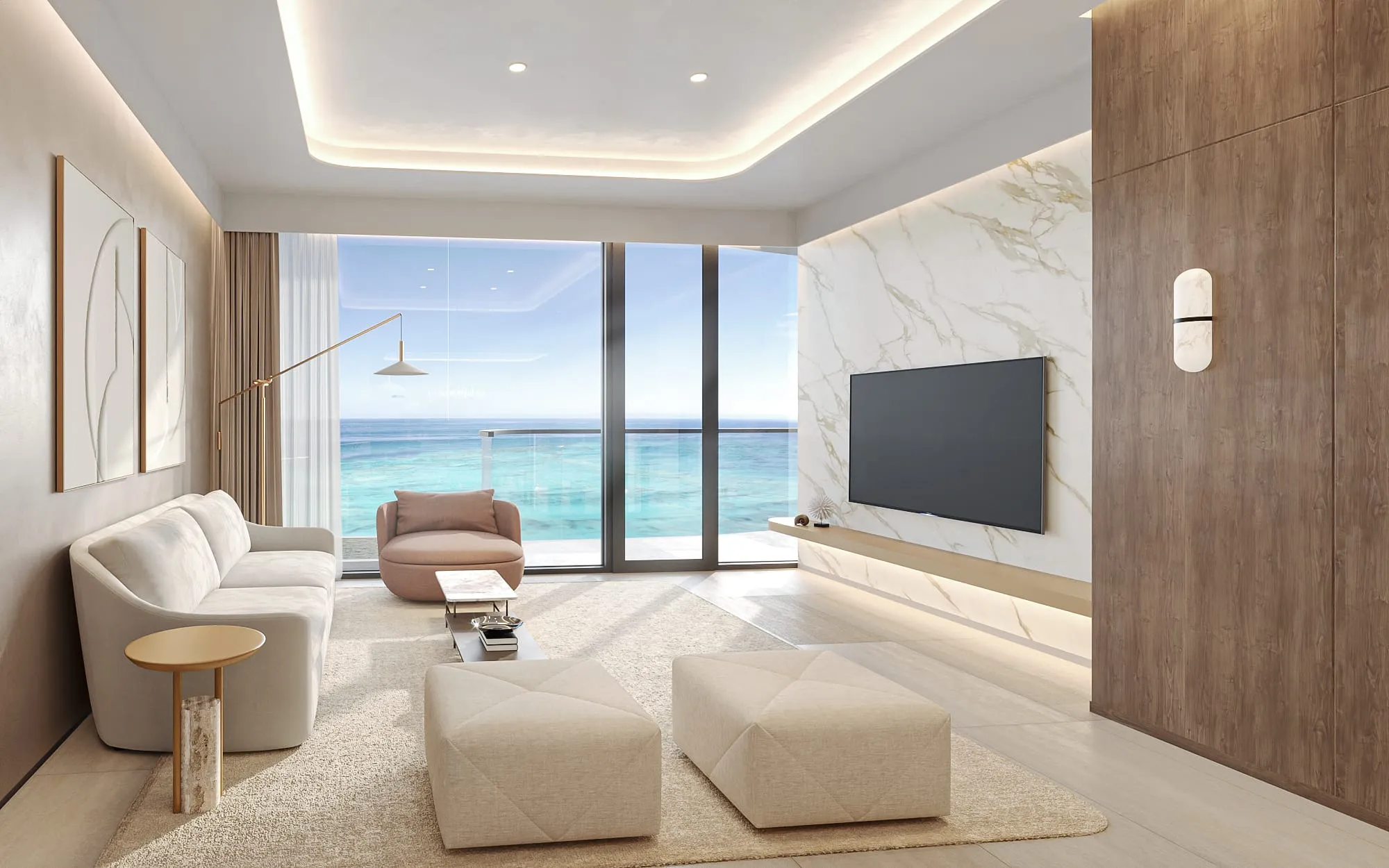
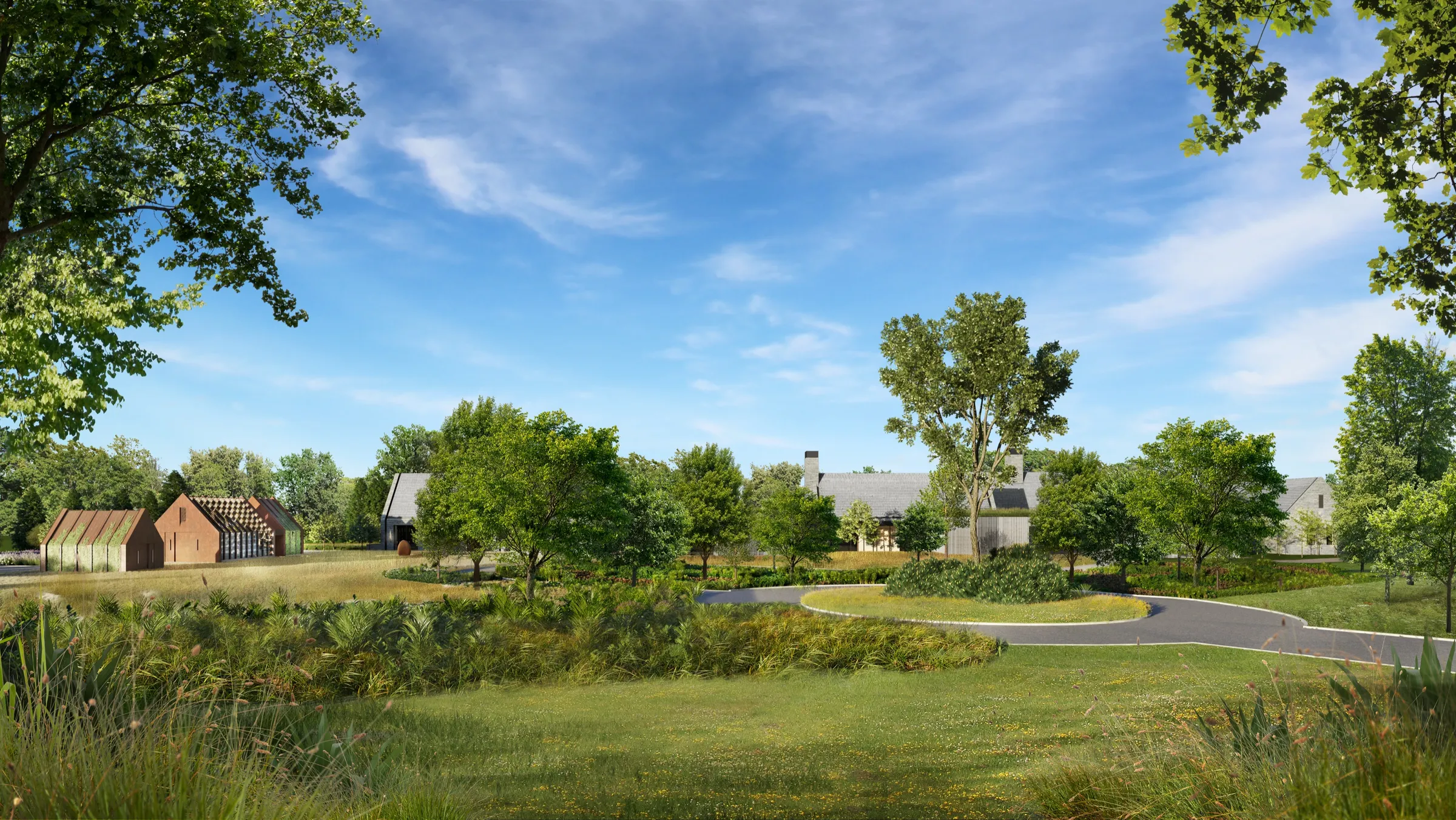
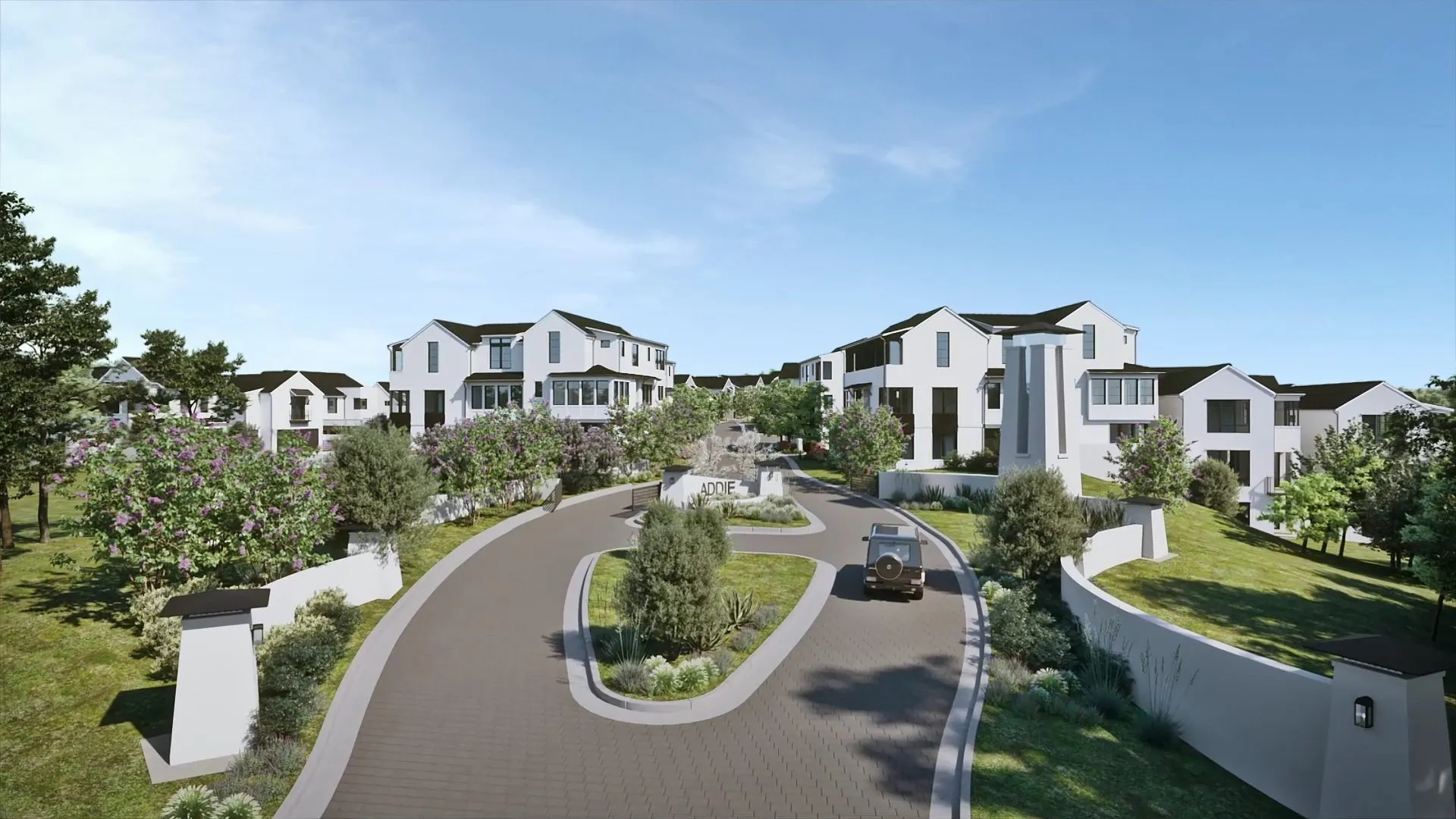
The same studio keeps the light, the grade and the camera language identical from one phase to the next, so the whole development reads as one visual story instead of a handoff between vendors. That matters just as much for a single site with more than one building type on it. A low-rise community with several house styles has the same problem as a multi-phase launch: every building needs its own character while the camera, the lighting and the landscaping keep the site reading as one coherent place.
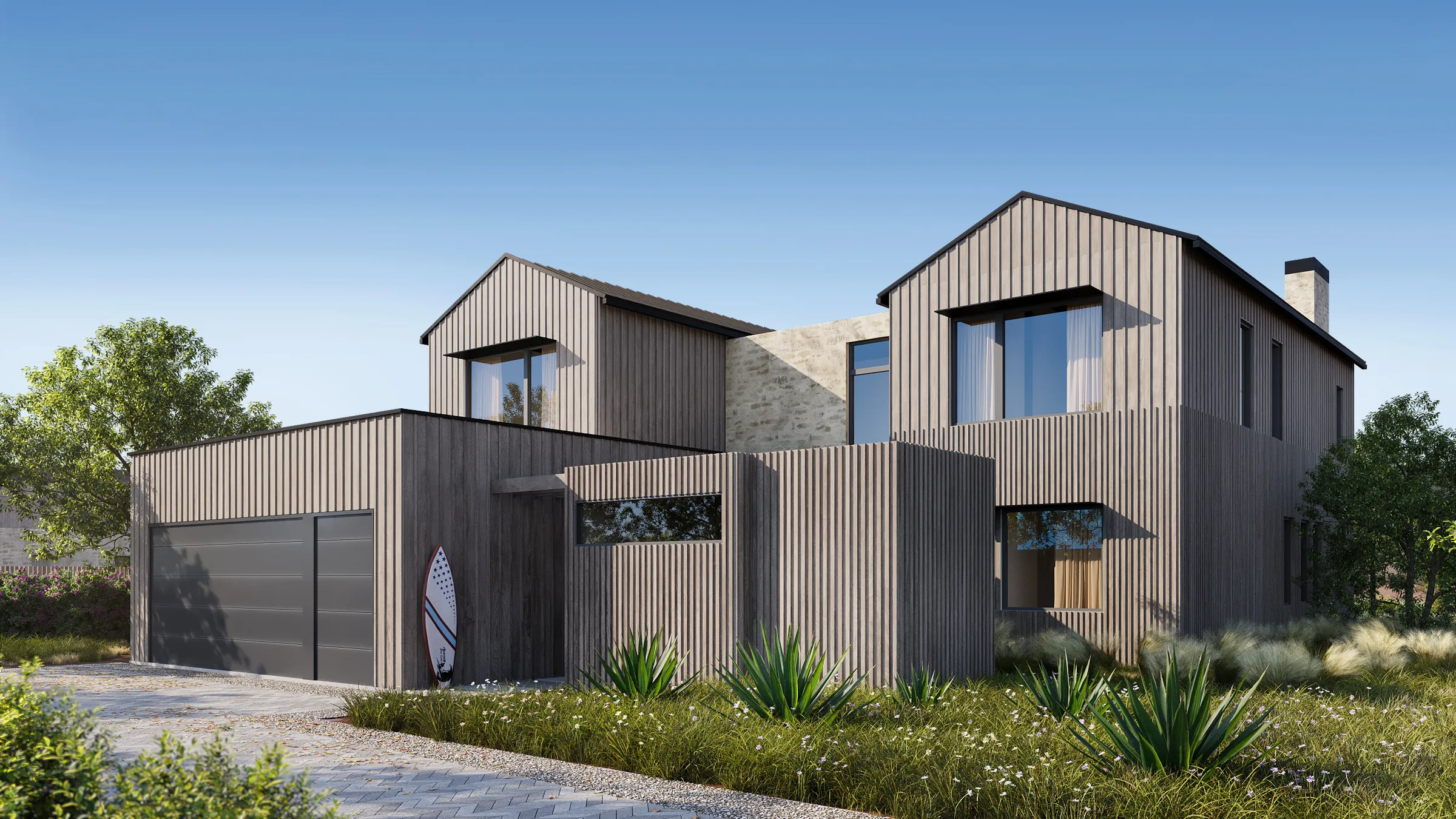
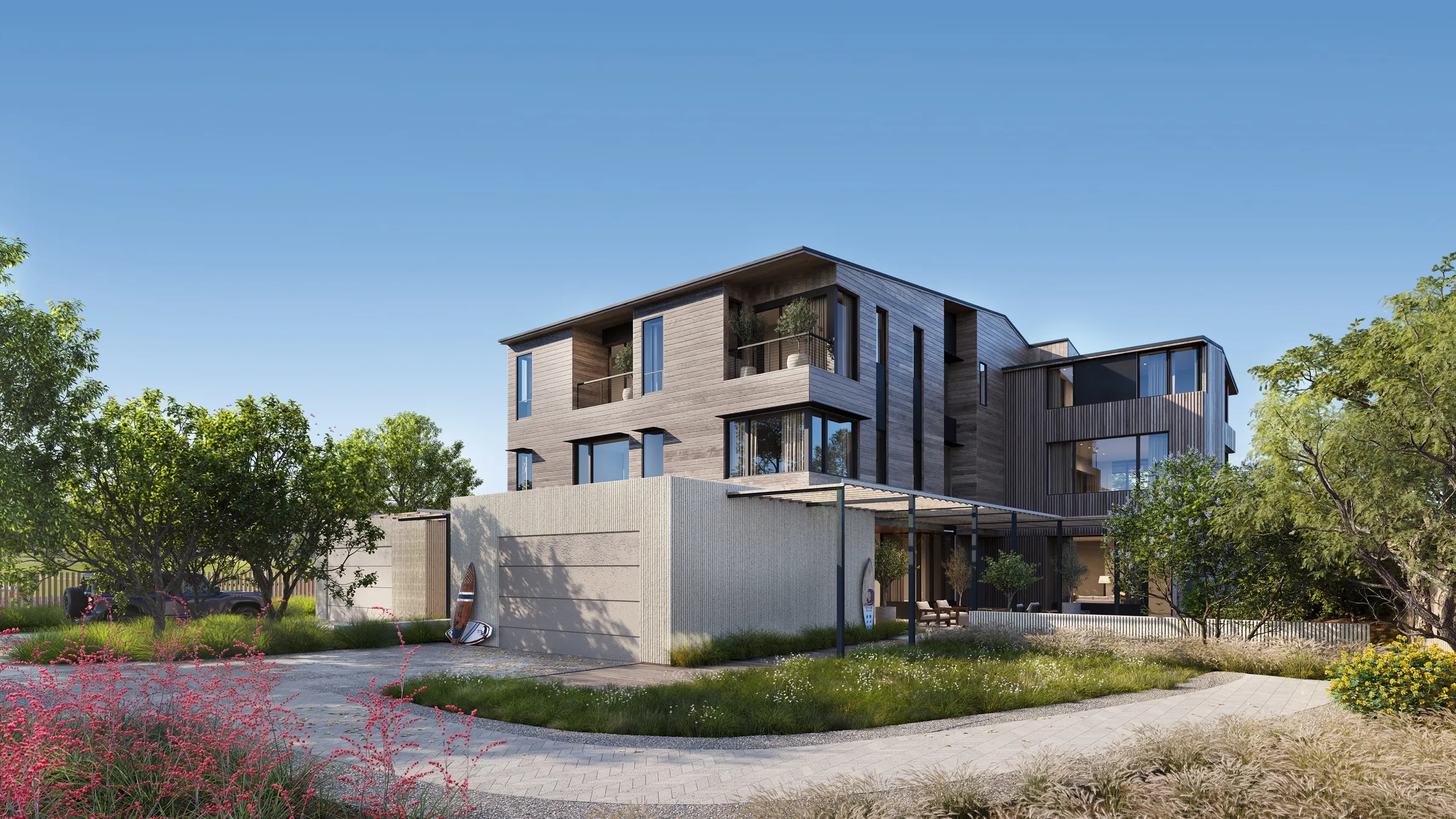
We go deeper on keeping one brand coherent across a launch in branded residences visualization.
One Point of Contact, No Re-Briefing
The other thing a repeat relationship buys you is a single senior contact who remembers the last project, and one comments channel instead of a new one being set up from scratch. The brief for project three becomes “same as last time, except…”, not a fresh start with a new producer learning your project from zero.
That continuity only holds if the same people are actually doing the work, which is part of why we keep production in-house. The team that worked on your first project is the team that remembers it, and that memory is what makes “except” a short note instead of a long one.
What Should Change Every Time
None of this means a partnership is copy and paste. Each project still gets its own analysis of who it is actually selling to, because the buyer for phase two is not always the buyer for phase one, and a workflow that worked on the first project is not guaranteed to be right for the fifth.
A studio that is paying attention will say so. If a new project in the relationship is becoming genuinely different from the ones before it, a different buyer, a different price point, a different market, that is worth raising openly rather than quietly reusing the last brief because it is easier. The value of the relationship is the shared history, not a template.
How to Set It Up
A few simple habits make the second and third project go smoothly rather than by luck. Ask your studio for a one-page style note after the first project, materials, cameras, grade, so the reference is written down rather than remembered. Keep the delivered files in one labeled set rather than scattered across projects, which is also where it is worth understanding what you actually own at delivery. Keep a named contact rather than whoever happens to pick up the thread. And after each project, take ten minutes for a short look-back on what to keep and what to change before the next brief gets written.
When Splitting Work Makes Sense
Staying with one studio is not the right answer every time, and it is worth saying so plainly. If a project needs a capability the main studio genuinely does not offer, or if two very different visual styles are wanted on purpose, for separate brands within the same portfolio, for example, splitting the work is the right call rather than a loyalty problem.
Taking over a project mid-stream from another studio is its own process, with its own set of questions to ask first. We cover that in taking over a model from another studio, which is the mirror image of everything above: what a new team needs to rebuild the continuity an existing one already has.
If you have more than one project or phase coming and want to talk through how the relationship would actually work, that is a conversation worth having before the first brief for project two gets written.
FAQs
Is it better to use one rendering studio for all our projects?+
Usually, when the projects are sold side by side or share a brand. The same team keeps materials, cameras and color consistent and does not need a fresh brief each time. It makes less sense when a project needs a very different style on purpose.
What carries over from one project to the next?+
The approved materials and finishes, the camera style you liked, the people and landscaping style, the review rhythm and a team that already knows who signs off.
Will phase two match the renderings from phase one?+
That is the main reason to keep the same studio. The light, grade and camera language from phase one become the reference for phase two.
Do you offer terms for several projects?+
Every multi-project relationship is set up around the projects themselves, so the best place to talk about it is a short call about your pipeline.