
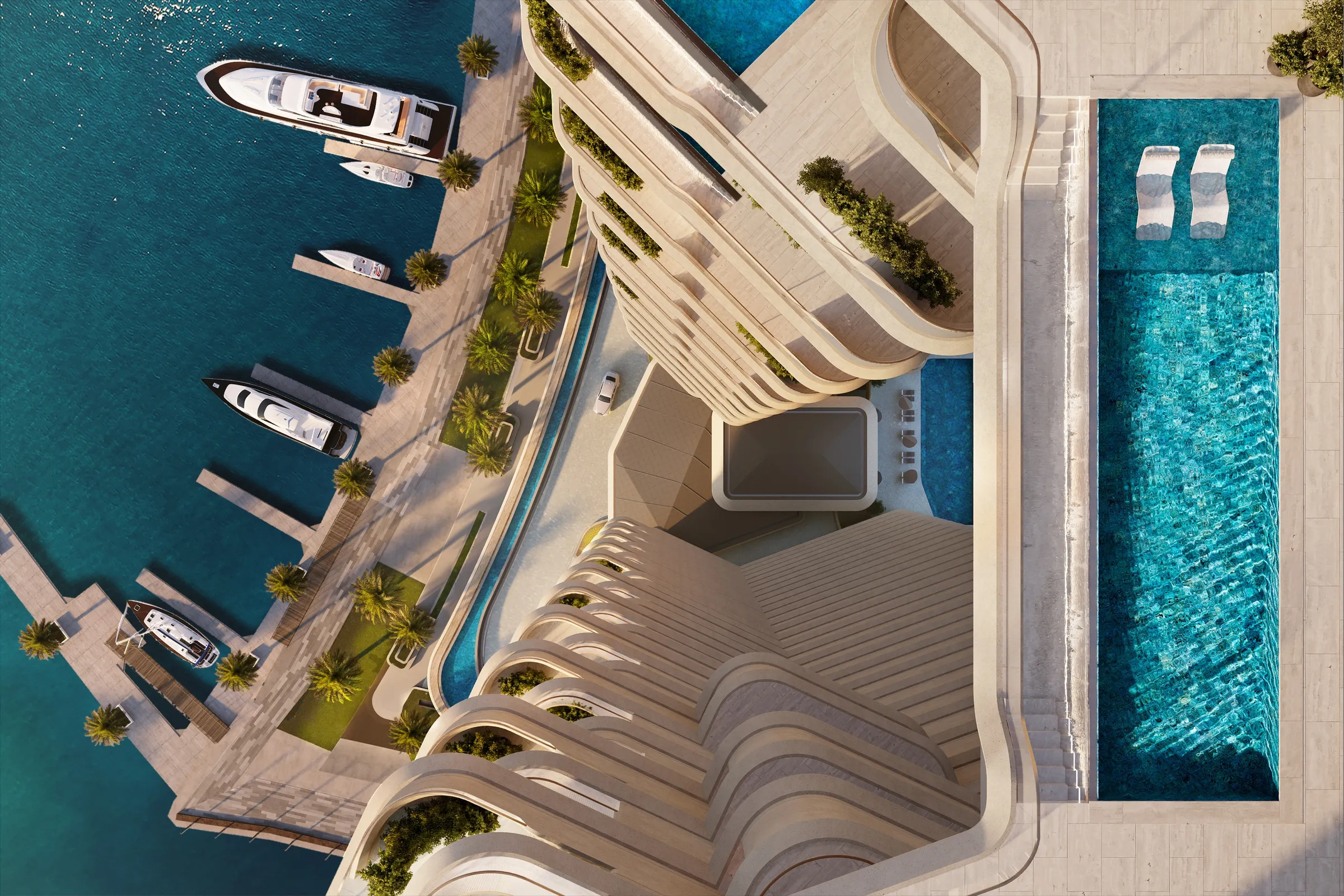
Phasing Visualization Across a Branded Launch

Shane O'Leary · Head of Project Management at NoTriangle Studio
Updated · 8 minutes
Key takeaways
A branded launch does not need every rendering on day one. Phase the visuals to the sales calendar.
- Phase 01
- A small, high-impact set for the PR moment and pre-sales
- Phase 02
- The full set for the main sales push
- Phase 03
- Interiors and animation once buyer interest is real and finishes are settled
- The schedule
- Plan each batch backward from its go-live date
A branded launch does not need every rendering on day one. Phase the visuals to the sales calendar: a small, high-impact set for the PR moment and pre-sales, the full set for the main sales push, then interiors and animation once buyer interest is real and finishes are settled. Plan each batch backward from its go-live date.
The instinct on a branded launch is to commission everything at once. The building, every unit type, all the amenities, the animation, ordered in a single block so nothing is missing when the sales team opens the doors. It feels thorough. It is usually the wrong shape. A large multi-unit or branded development does not consume its visuals all at once, so producing them all at once ties up budget in images the market will not see for months, and locks in details that are still moving.
On the projects that run smoothly, visualization is phased. It is sequenced to the sales and launch calendar, so each batch arrives just ahead of the moment it is needed. Below is how that phasing actually works, and why it protects both the budget and the quality.
Why a Launch Does Not Need Every Image on Day One
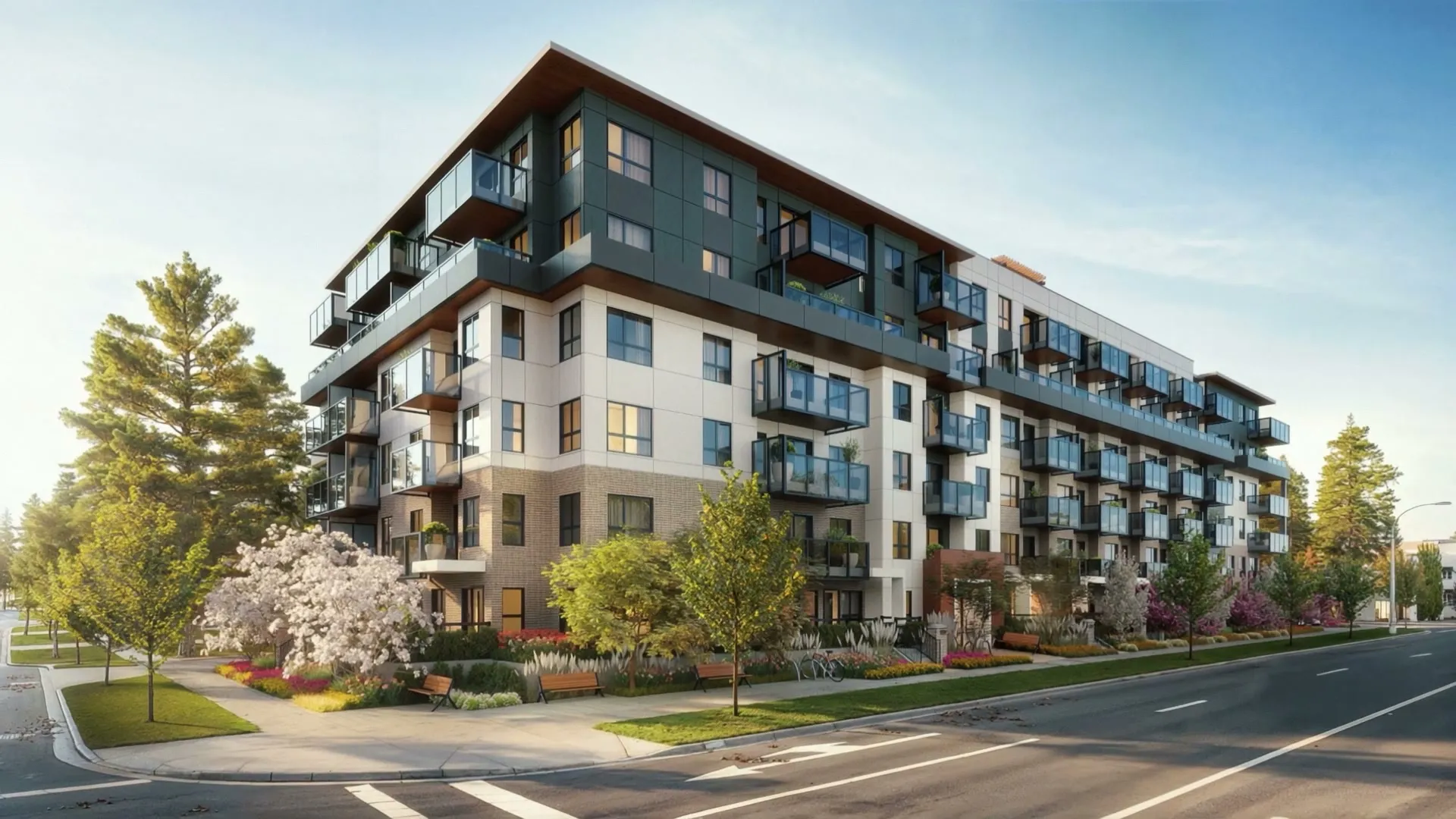
A branded launch happens in stages, so its imagery should too. There is a public-relations moment that needs a hero. There is a pre-sales window that needs enough to open reservations. There is a full sales push that needs the complete set. And there are interiors, which often can and should come later, once buyer interest is real and the finishes are settled. Ordering all of it up front collapses those distinct moments into one invoice and one deadline, and it forces decisions on rooms nobody will market for months while the design is still in motion.
The clients who feel the cost of skipping this say so directly. On one condominium launch, the developer’s marketing lead lamented that, normally, they would have had a proper launch date and a workback schedule to drive the whole production. That is the tell. Visualization on a large project is not a single deliverable, it is a schedule, and the schedule is the sales calendar read in reverse.
Start Lean: The Pre-Sale Batch
The first phase is smaller than most developers expect, and deliberately so. On an apartment building abroad, the developer put it plainly: because they needed renderings for the pre-sale, they would start with one exterior and three interiors of a single apartment in the first building, understanding that there were eight more to go after that. The opening batch was never meant to be complete. It was meant to be enough to start selling, with the rest sequenced behind it.
Our own guidance to launch clients pushes the same way. On a multi-property program for a prominent brokerage, we recommended focusing on three to five emotionally resonant, high-impact visuals per property to drive pre-sales momentum, and delivering all assets well in advance of the planned launches with time built in for refinements. The lean first batch is not a compromise on ambition. It concentrates the early budget on the few images that open the market, and leaves room to refine everything that follows.
Work Backward from Each Go-Live Date
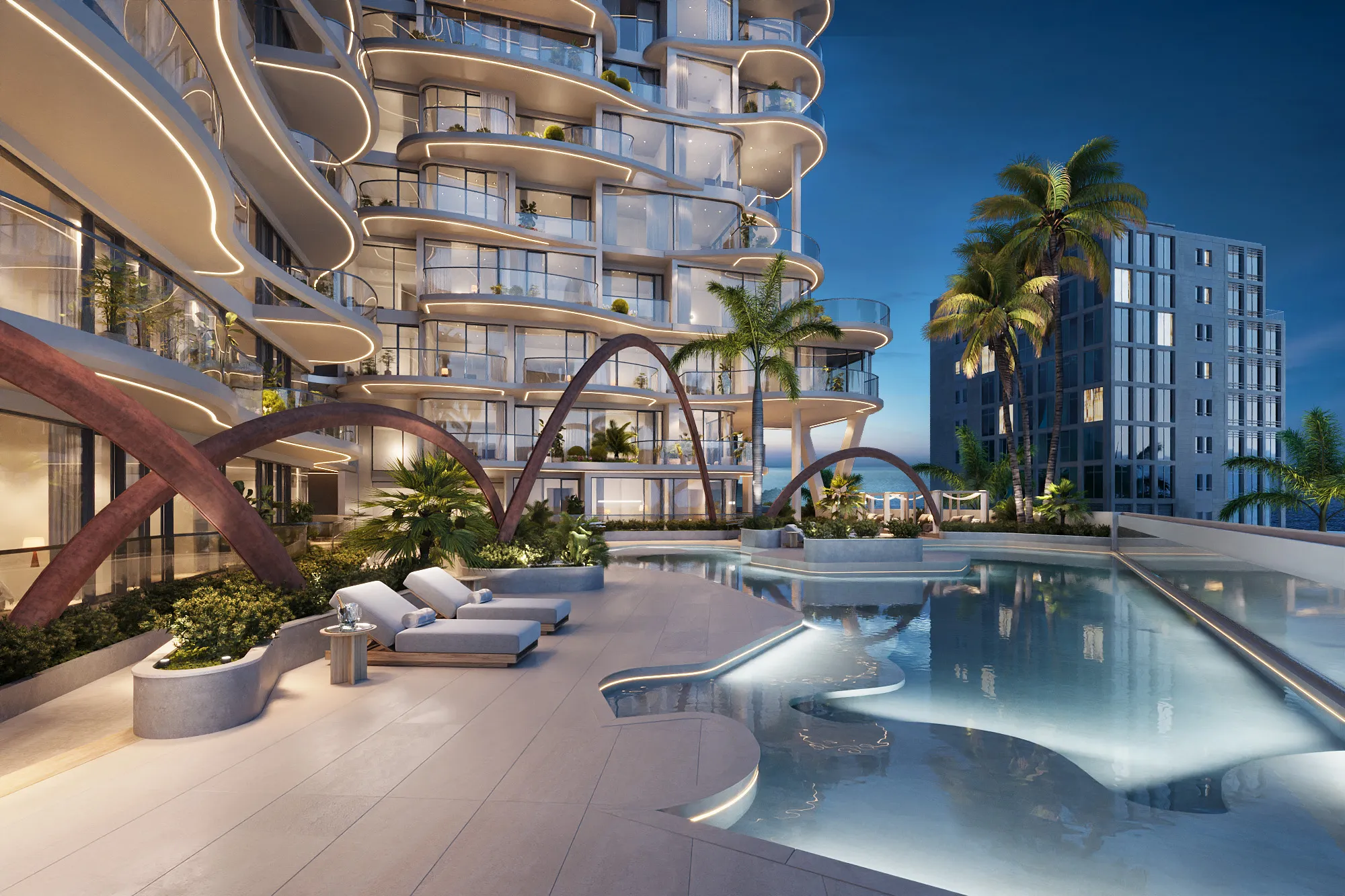
When a program has multiple listings or phases, each one has its own clock, and the renders are scheduled backward from it. On that brokerage program, the two properties had different timelines: one was going live at the end of the summer and needed images well before, the other would not launch until the new year but wanted its renderings ready by late summer regardless. We built the engagement as a per-property breakdown, target audience, launch date, deliverables, rather than one bulk order, so each set landed ahead of its own moment rather than all landing at once and aging on a shelf.
Sequencing also lets you lead with whatever the sales story needs first, which is not always the building. On one community, we suggested starting with the second-floor clubhouse while the rest of the scope was still being decided, on the logic that the amenity reveal carried the early narrative and the remaining views could follow once they were settled. Phasing is not only about spreading the work over time. It is about ordering it by what sells first.
The First Batch as a Pilot
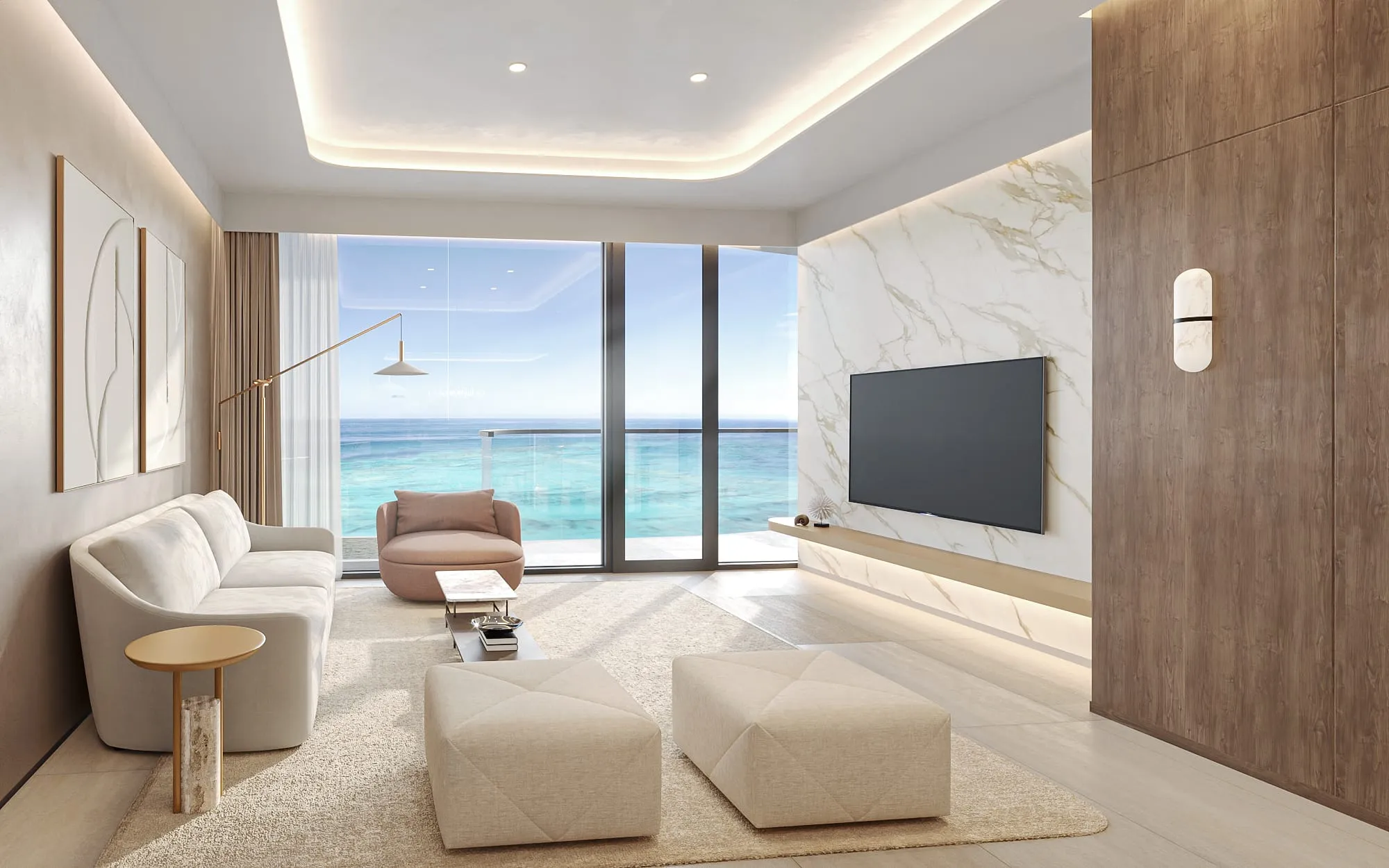
A phased approach has a quieter benefit: the first batch doubles as a pilot. On a waterfront twin-tower project, the client framed the opening set exactly that way, this was the start of the first batch, so let us see how it goes, and if it is working well we can do more along the way. Producing a lean first phase lets everyone confirm the look, the workflow, and the feedback rhythm on a handful of images before committing the full set to the same pipeline. It is far easier to adjust the recipe on batch one than on batch four.
Phasing also lets the images track a design that is still firming up. On the same project, we agreed to handle the furniture arrangement in the first batch and leave a modeling adjustment for the next phase, so the early marketing was not held hostage to a detail still being resolved. Later phases are where the motion pieces tend to arrive too, a short animation timed specifically to the pre-sales push, added once the stills have established the look. Each phase inherits a firmer design and a proven process from the one before it, which is exactly why the sequence, not the volume, is what keeps a branded launch on schedule.

Bringing This to Your Project
If you have a launch coming, start from the calendar, not the asset list. Map the public-relations moment, the pre-sales window, the full sales push, and the point where interiors will actually matter, then work each batch backward from its date. You will keep early spending in step with the launch, keep the images aligned with a design that is still moving, and have your strongest work ready exactly when the market is looking. If you have a launch date, Book a call and bring the sales calendar; we will map the batches backward from it with you.
For the wider picture, read our guide to pre-selling real estate with 3D visualization, see why branded projects need operator-brand, hospitality-tier creative, or look at how we work with branded and multi-unit developers. You can also see phased, branded work on Esme Beach Residences and Sankari Place.
FAQs
Do we need all our renderings before pre-sales start?+
No. Most branded and multi-unit launches open reservations with a lean first set: a hero exterior and a few key interiors or amenity views. The full set follows for the main sales push, and later phases add the remaining interiors and animation. Each batch is timed to the moment it is needed, so nothing ages on a shelf.
How many renderings does a pre-sales launch need?+
Fewer than most developers expect. For launch clients we usually recommend three to five emotionally strong, high-impact visuals per property to open pre-sales, delivered with time for refinements before the launch date. The rest of the scope follows once the first set is working in the market.
How do you schedule renderings across a multi-phase launch?+
Backward from each go-live date. Each property or phase gets its own line: target audience, launch date, deliverables. That way every set lands ahead of its moment instead of all arriving at once, and later sets pick up design decisions that were still open when the first batch was made.
Why treat the first batch of renderings as a pilot?+
Because it is the easiest place to adjust. A handful of images confirms the look, the workflow, and the feedback rhythm before the full set goes through the same pipeline. Changing the recipe on batch one is far simpler than changing it on batch four.