

An Agent's Brief: What to Give a Rendering Studio Before a Launch

Lukas Berezowiec · CEO of NoTriangle Studio
Updated · 9 minutes
Key takeaways
The listing agent chose the studio and set the standard, so the brief is theirs to own.
- Buyer
- Name the buyer, then choose the views for them.
- White model
- Approve the white model before you approve the finishes.
- Files
- Hand over files, not PDFs.
- Feedback
- One voice into the studio: one consolidated round of notes per stage.
The developer trusted you with the marketing. You chose the studio, you set the standard, and your name is on the result. That makes the brief yours to own, and the brief is where a launch is quietly won or lost. A studio that starts with a clear brief produces images that sell. A studio that starts guessing produces images that need three rounds of revisions and still miss.
After a decade of launches, here is what the agents who get the best work consistently decide and hand over before we model anything. (For how to choose the studio itself, see our separate guide.)
Name the Buyer, Then Choose the Views for Them
The first line of a good brief is not a shot count. It is a buyer. On The Orson in Williamsburg, the listing agent defined the audience before anything else, first-time buyers and Brooklyn professionals doing well in their careers, and every downstream choice followed from that. The views, the staging, the level of finish all point at a specific person.

Once the buyer is named, choose the views that sell to them, and be honest about which ones carry the weight. Every property has one or two features doing most of the selling. As one luxury developer told us, the home was “really getting sold off the view from inside the house looking out,” so the whole brief was built around getting “that million dollar shot.” Name that shot. If you are not sure which angle does the most work, say so. The most experienced agents we work with often hand us the decision directly, one leasing rep put it as, “what are you thinking as someone who’s done this before,” and a good studio should have an opinion. The wrong instinct is to pick the angle that flatters the architect’s favorite elevation. The right one is to pick the angle that makes a buyer reach for their phone.
Approve the White Model Before You Approve the Finishes
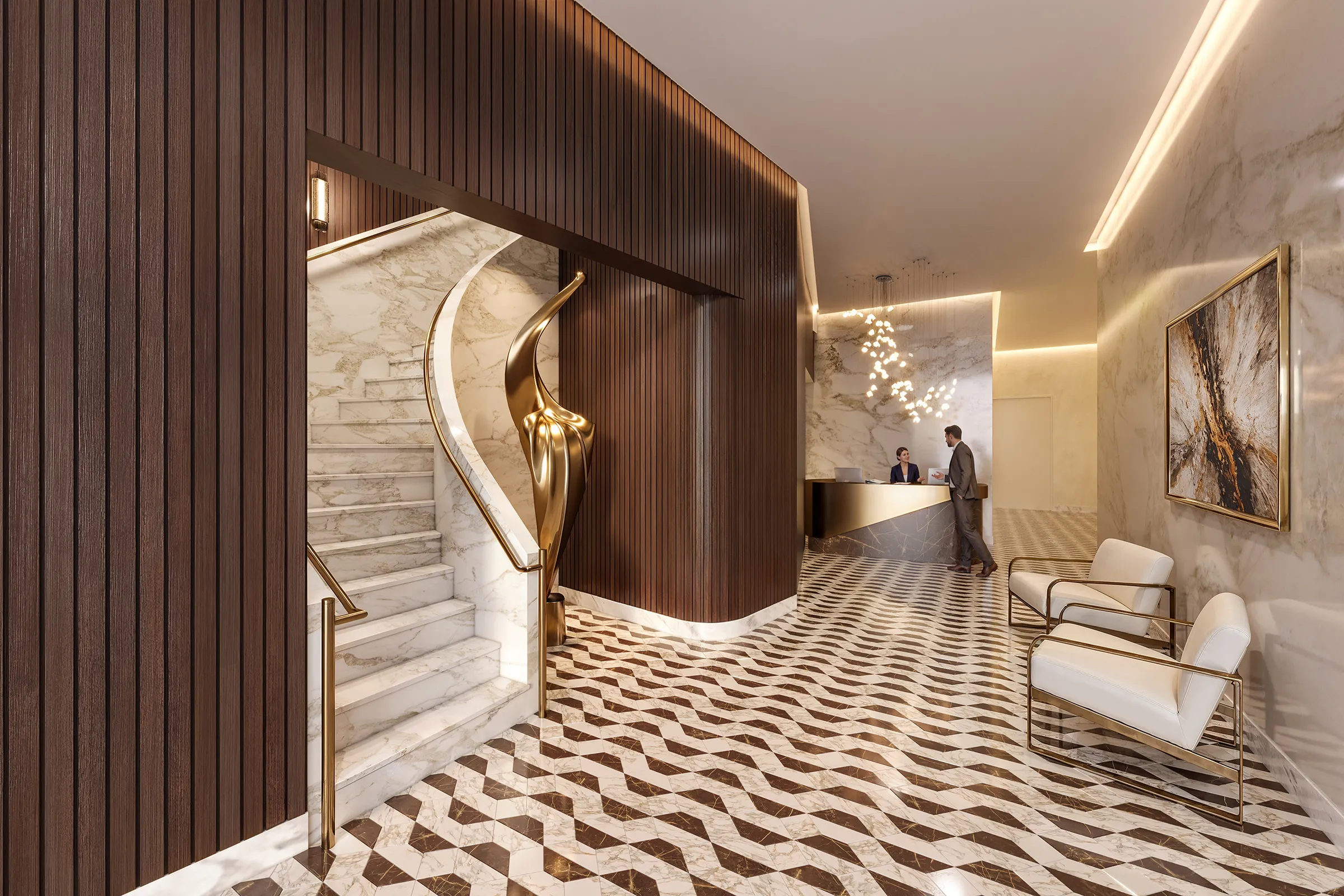
This is the single most important step in the brief, and the one agents new to renderings tend to skip. Before any color, material, or lighting goes in, a good studio builds the scene as a plain untextured model and sends you the camera angles to approve. You decide the framing on a clean model, when it is cheap to change, rather than after finishes are applied, when it is not.
On a repeat account with a Vancouver developer, the rule was explicit in our own process notes: “camera angles were locked in white models before any furniture or finish went in, because the angle decision is easier to make on a clean model.” On a mixed-use building in Manhattan, when early renders drifted from the exact vantage the agent needed, we went back to sending white models specifically so the camera angle could be signed off before we moved forward. When you get white-model views, do not rush them. That is the moment you are actually directing the shot.
Hand over Files, Not PDFs
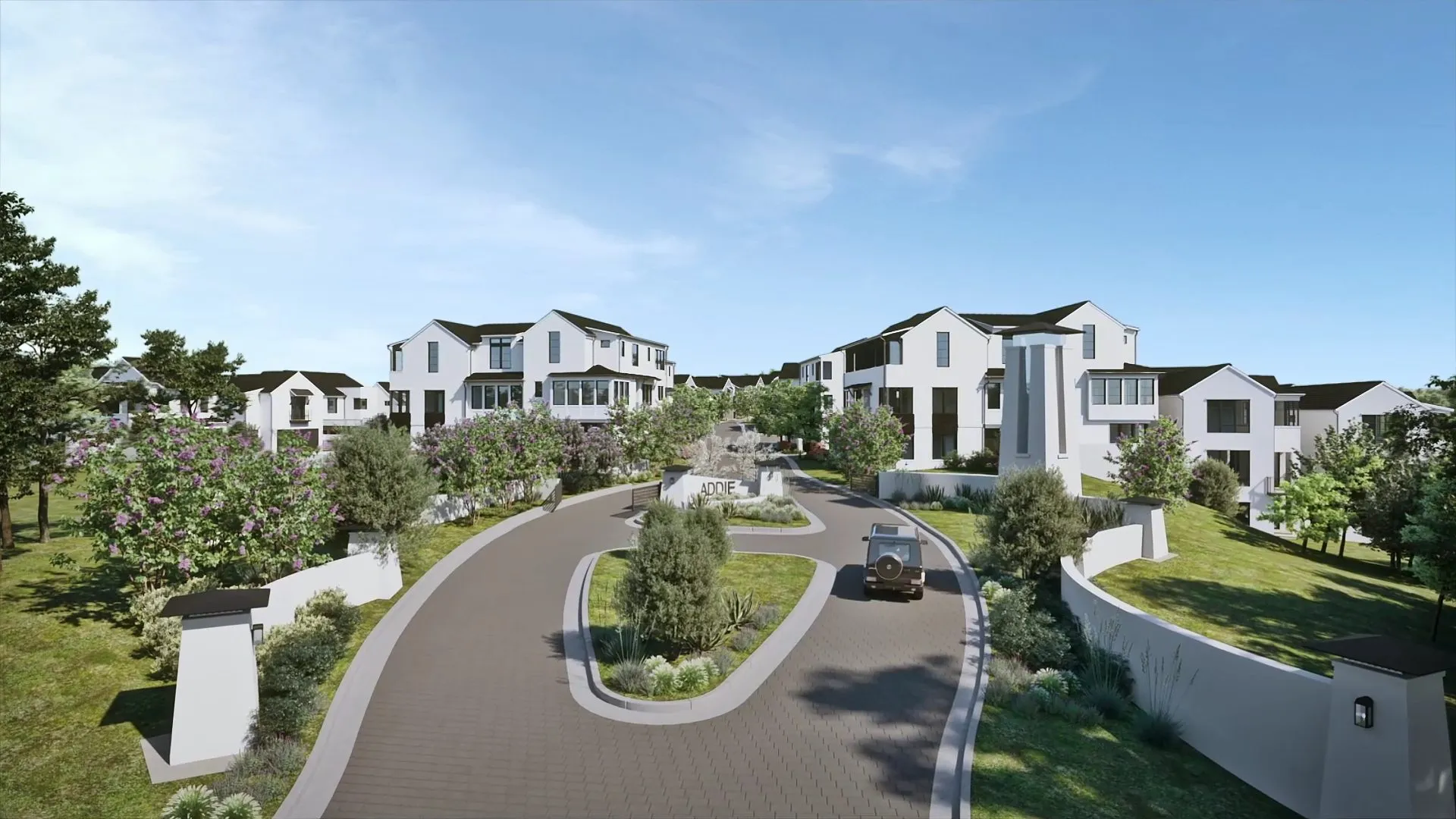
The physical contents of the brief matter as much as the direction. The most accurate projects start when the agent connects the studio to the developer and architect for the real source files. On a Pacific Palisades home, the engagement opened with the architect sending, in their words, “our latest and greatest cad and Revit files for the entire project.” That is the ideal handoff.
The most common thing that slows a launch is the opposite: the studio receives only a PDF or a set of flat plans and has to rebuild geometry from scratch. It takes far longer to model from PDFs and photo references than from a native CAD or Revit file. If the goal is speed to a launch date, chase down the model, the elevations, the finish schedule, and the furniture specs early. A brief that arrives with real files attached is a brief that ships on time.
The Best Brief Protects the Buyer from Disappointment
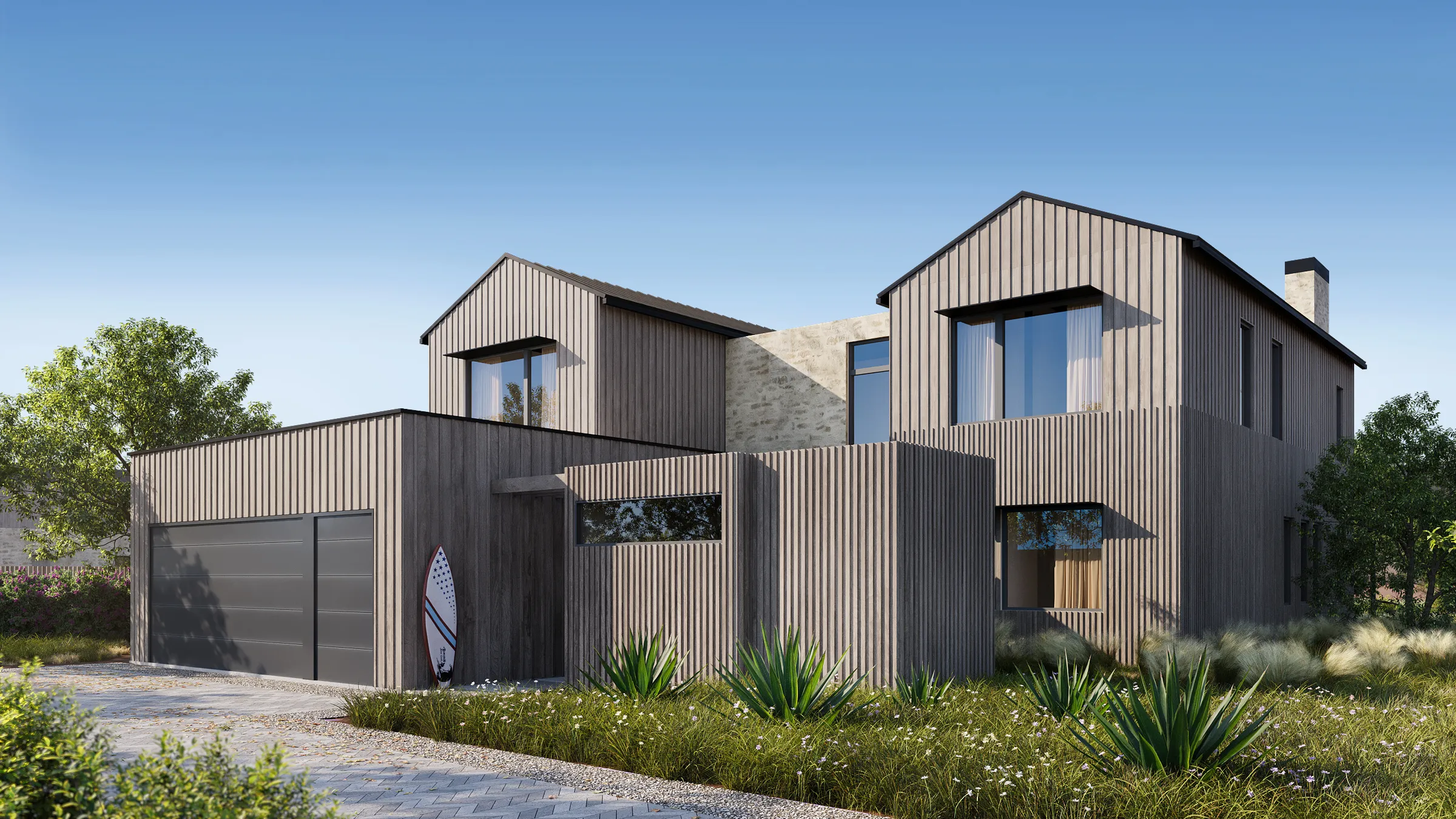
A rendering that oversells is a liability, not an asset, and the sharpest agents brief against it. On a Manhattan residential building, the agent kept correcting the renders so they would never promise something the finished space could not deliver: no imaginary windows, no drapery hiding a wall that is actually there, no room made to look bigger than it is. In their words, “I don’t want them to view the rendering and find flaws before they walk in.” The render has to make the buyer want the home and then hold up when they see it.
The same discipline applies to the property itself. On a Martha’s Vineyard estate, the brokerage insisted the rendered pool match the pool that was actually permitted, not a prettier version that encroached on protected wetland, so the image could be used as proof of what could genuinely be built. Accuracy is not the opposite of aspiration. It is what lets the aspiration survive the walk-through.
One Voice into the Studio
A launch has a lot of stakeholders: the agent, the developer, the architect, the interior designer, the marketing team. Renderings go sideways when all of them send comments directly and the notes conflict. The cleanest projects run through a single point of contact who consolidates feedback before it reaches the studio. As one marketing lead described her own role to us, “I would be kind of like the filter to you, funneling all the feedback.” Be that filter, or appoint one. One consolidated round of notes per stage keeps the launch calendar intact and keeps the revisions from multiplying.
The Short Version
Before you brief a rendering studio for a launch, have answers to these:
- Who is the buyer, in one sentence.
- Which one or two shots are doing most of the selling.
- Which rooms and exteriors are in the set, and why each is there.
- What source files exist (CAD, Revit, floor plans, finish schedule, furniture specs) and who can send them.
- What is true about the property that the render must not exaggerate.
- Who is the single point of contact for feedback.
Bring that, approve the white models carefully, and the set will do its job across every interior and exterior rendering. See how we work with agents against a launch calendar, read how renderings sell a development before the model home opens, or see the agent-led work on 66 East 55th Street and Muse.