How Renderings Sell a Development Before the Model Home Opens

Lukas Berezowiec · CEO of NoTriangle Studio
Updated · 8 minutes
Key takeaways
When a developer hands the marketing to a listing agent, they are handing over one number to move: how many units are committed before the model home opens.
- The window
- The renderings are the only version of the property that exists during the exact period you are being measured on
- The set
- The hero image announces the property; the rest of the set does the converting
- The deposit
- Sometimes the render is the thing the sale is contingent on
- The deliverable
- Every unit that commits before the model home opens is a unit the developer does not have to carry
When a developer hands the marketing to a listing agent, they are handing over one number to move: how many units are committed before the model home opens. That window, between the launch and the first day a buyer can physically walk the space, is where a new development is won or lost. It is also the window in which nothing exists to show except the renderings.
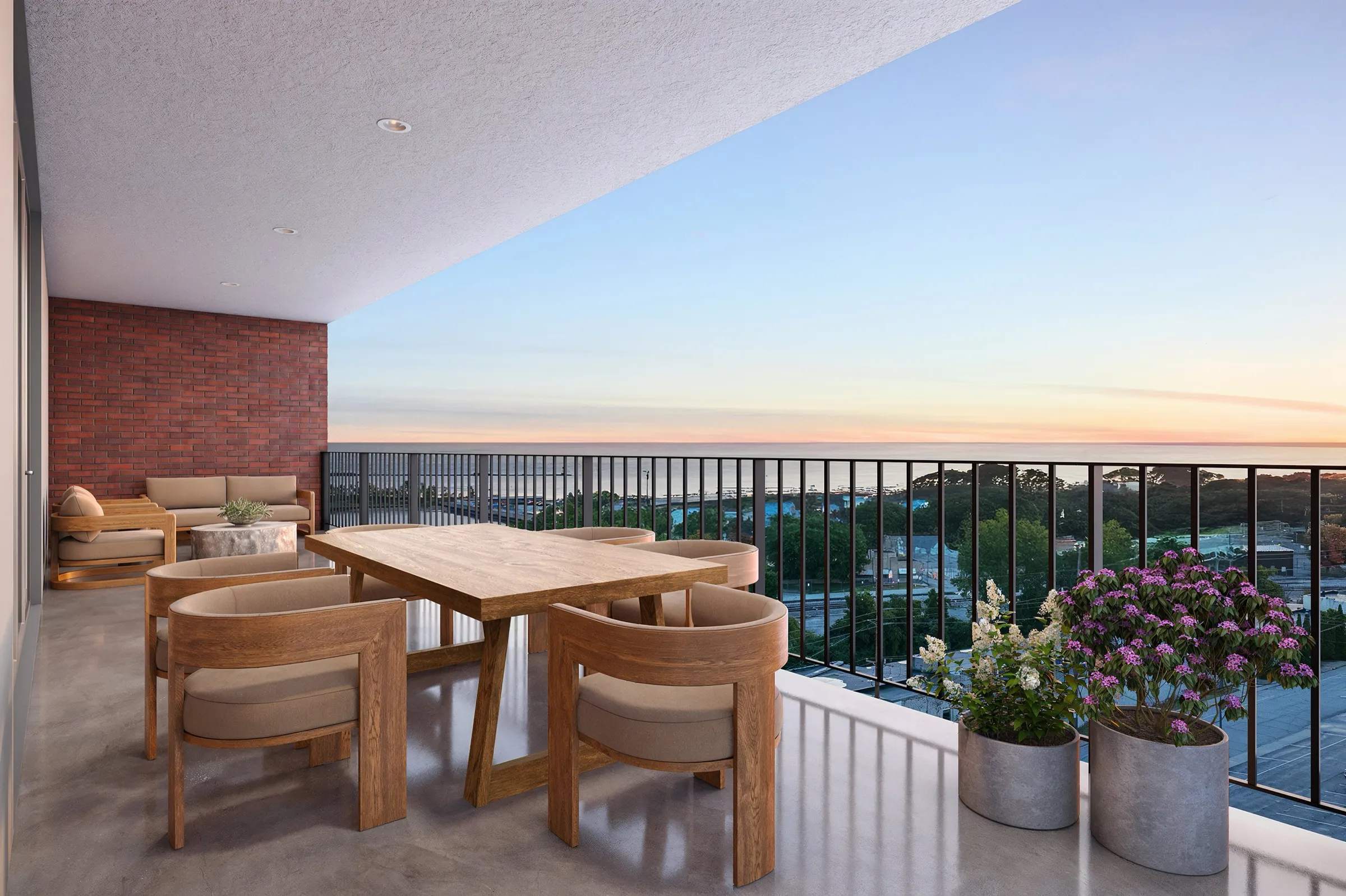
So the renderings are not marketing decoration. They are the only version of the property that exists during the exact period you are being measured on. Below is how that plays out on real launches we have worked on, and how to make the imagery earn the job.
The Window You Are Actually Selling Into
On a new development, the sales clock starts long before the physical product is ready. The building tops out months after launch. The model home opens later still. Listing photography is not possible until close to completion. Yet the developer’s carrying costs run the entire time, and the units that sell earliest are the ones that de-risk the project.
That gap is the agent’s problem to solve. As one listing agent marketing a new-construction townhome project put it to us, in the plainest terms we have heard: the homes “don’t have to be built to be sold.” A buyer standing on a construction site, or reading a listing with a floor plan and a spec sheet, has nothing to commit to. A buyer looking at an image that shows the finished living room at dusk, the view from the terrace, and the way the lobby feels on arrival has something to want. The renderings close the distance between an abstract plan and a place a person can picture themselves living.
What “Sell Before It’s Built” Looks Like in Practice
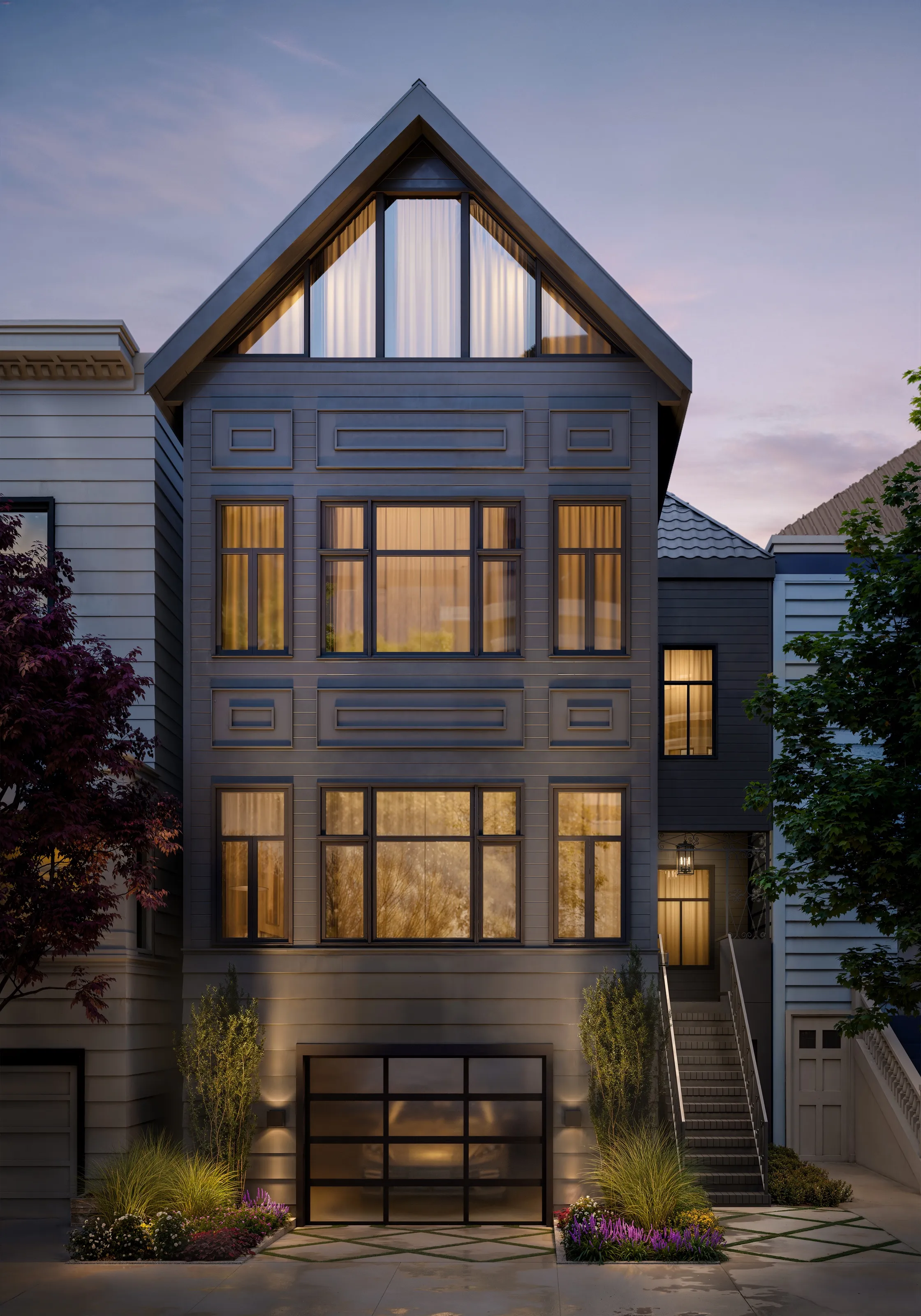
The clearest version of this we have seen came from a San Francisco listing team marketing a designer residence still under construction. They already had a single-property website live and roughly twenty-five buyers on an interest list. Their brief to us was not about art. It was about speed to sale: use the renderings to open a sales gallery within the week and get the home into contract before it was finished. The images were the thing standing between a waiting list and signed paper.
On a luxury home at Clear Creek Tahoe, the pre-sale intent was designed into the project from the start. When our team asked the interior designer for final furniture specifications, the answer was that ownership was withholding them on purpose: “the primary focus is for this to sell prior to furnishing.” At that point, in the designer’s own words, “framing has not begun yet.” The renderings were not documenting a house. They were the product being sold while the concrete foundation was still curing. The home later sold for over twelve million dollars, which the listing brokerage announced as the highest-priced residential sale year to date in Northern Nevada outside the Tahoe Basin.
Neither of those is a story about pretty pictures. Both are stories about an agent using imagery to compress the time between launch and commitment, on a property that did not yet physically exist.
The Hero Announces, the Set Converts
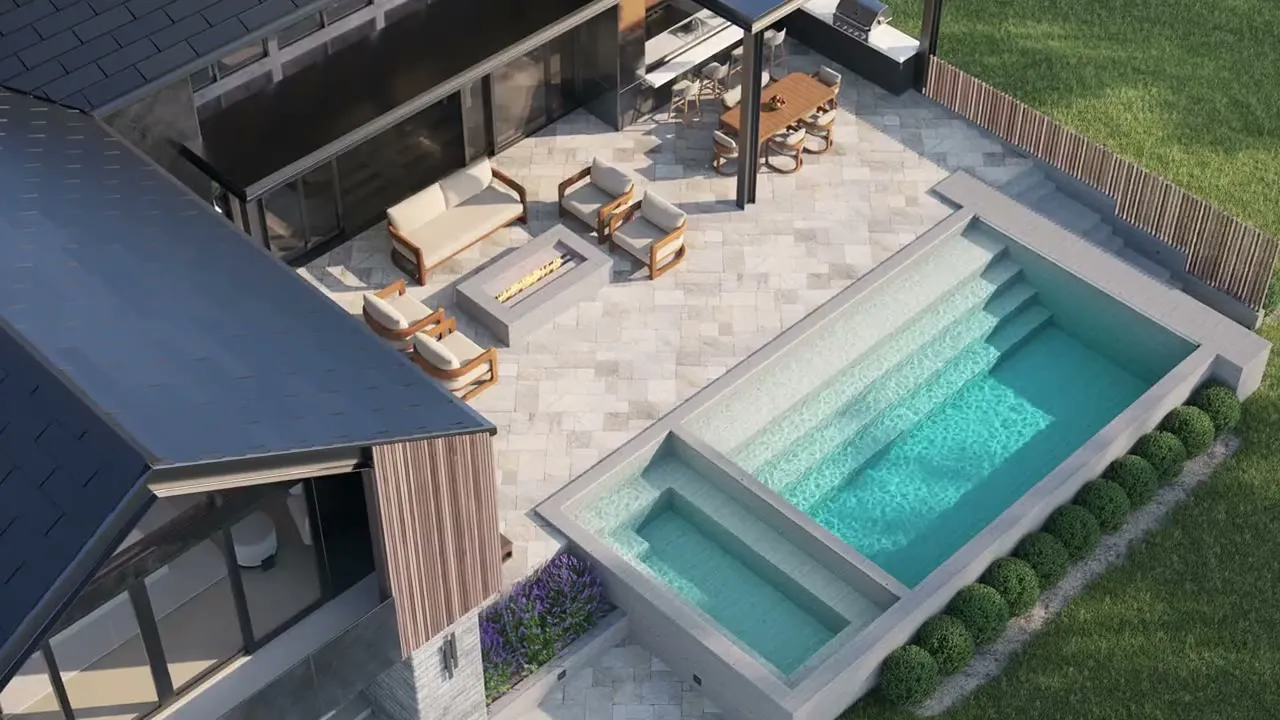
There are two different jobs inside a launch, and it helps to keep them separate. The hero image announces the property. It is the one that goes on the launch email, the press drop, and the top of the listing. Its job is to make a stranger stop scrolling. The rest of the set does the converting: interiors, unit types, amenity spaces, and lifestyle imagery are what a genuinely interested buyer studies before booking a call or placing a reservation.

The agents who sell out early treat the set as a coverage decision, not a wish list. On The Orson, a boutique Williamsburg condominium, the listing agent deliberately directed the interior render to depict the standard unit, because that layout applied to four of the six homes and the image could be reused across multiple listings. She named her target buyer plainly, first-time buyers and Brooklyn professionals doing well in their careers, and briefed the shot list against them: a hero of the facade, a landscaped roof with the city skyline behind it, and a kitchen. That is an agent choosing images by what they will have to do in the market, not by what is easiest to render.
When the Render Becomes the Deposit
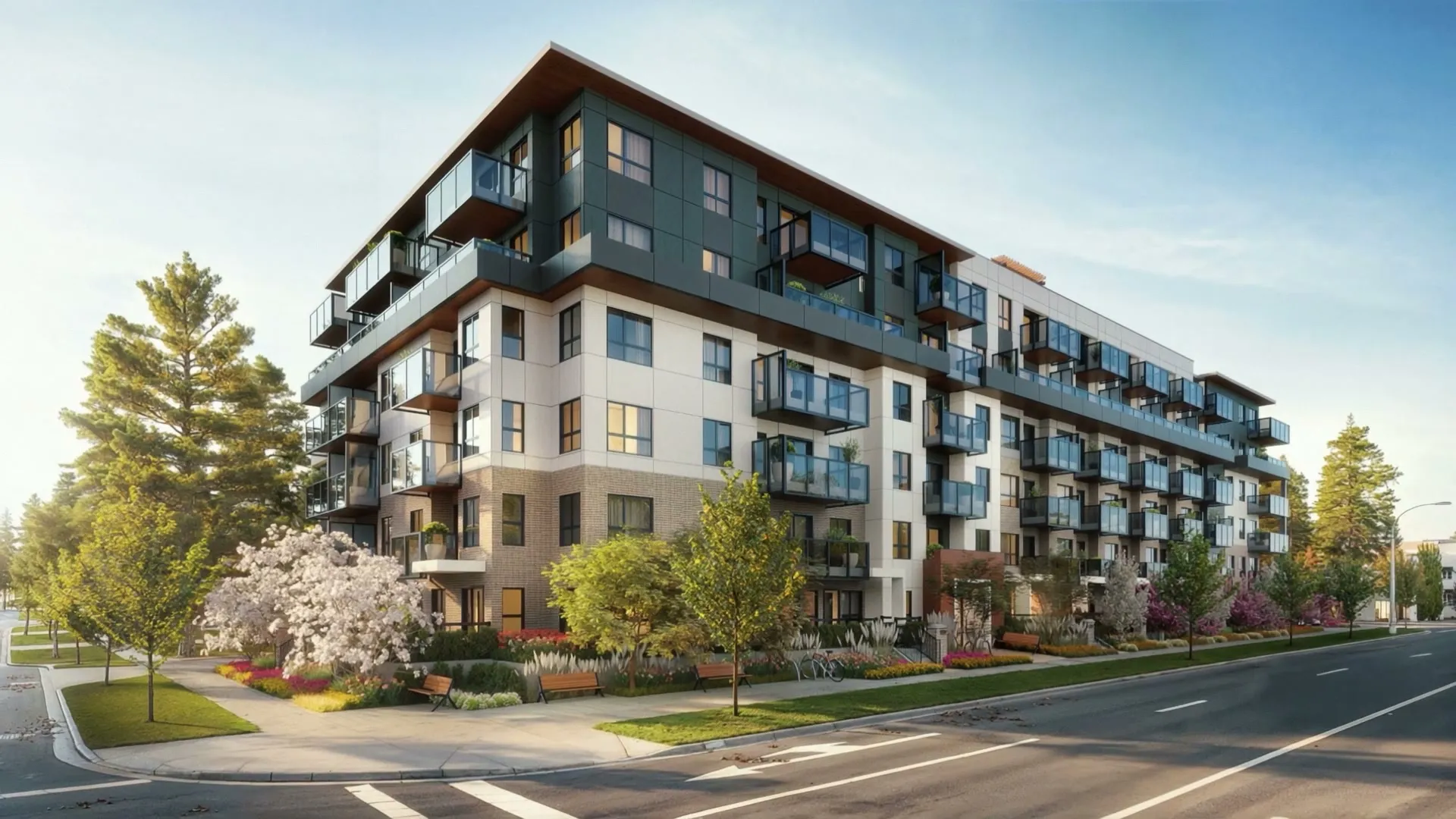
Sometimes the render is not marketing that leads toward a sale. It is the thing the sale is contingent on. On a Vancouver-area penthouse, the developer’s marketing director asked us to hit a Thursday deadline for the first colour previews because a buyer had already written on the home and the offer was subject to seeing that first set of renderings, even in draft. The building was still rising. The image was the condition of the deal.
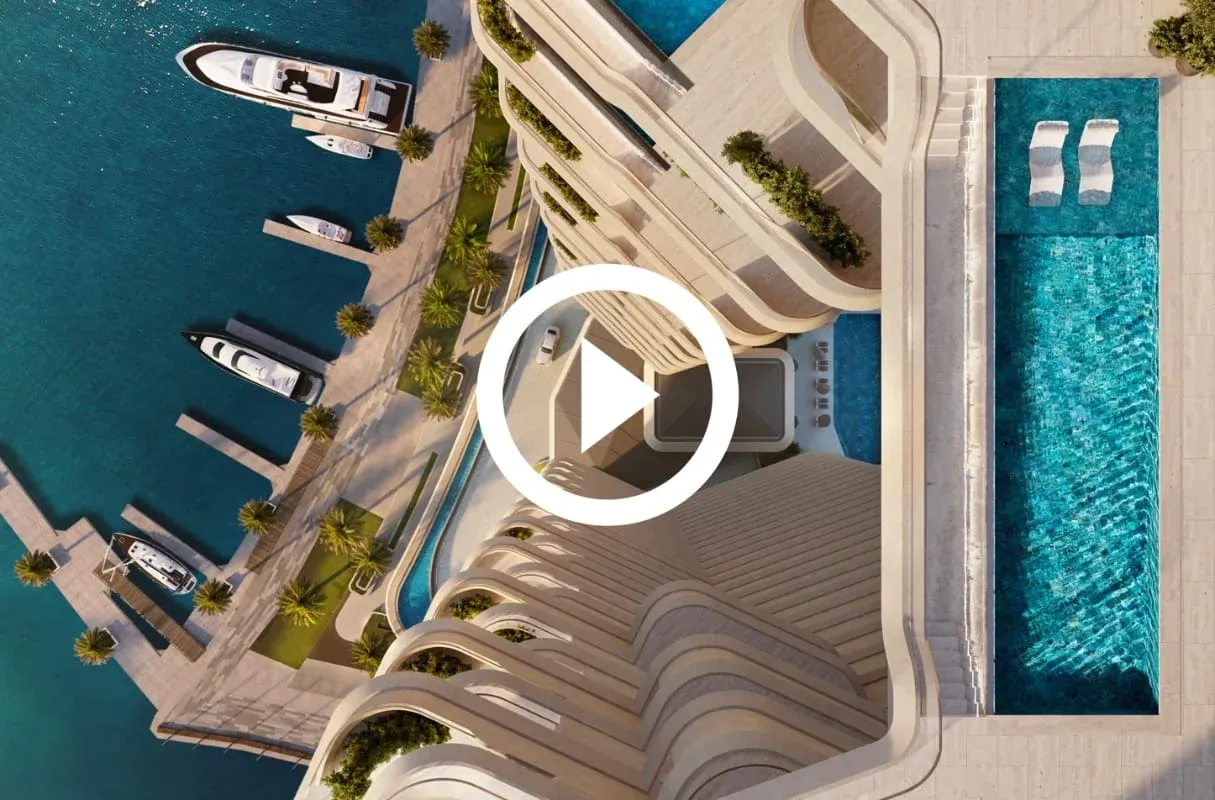
The same logic scales up. For a resort-residence launch in Montego Bay, we produced the renderings and the animation and then built the launch website itself: a landing page with a short looping teaser in the background, a play button opening the full film, and a register call to action that captured buyer interest directly. The developer described the animation as a movie trailer he replayed on a loop. That is the funnel in one project, from the image to the film to the lead, and it ran before construction was complete.

Pre-Sale Velocity Is Your Deliverable to the Developer
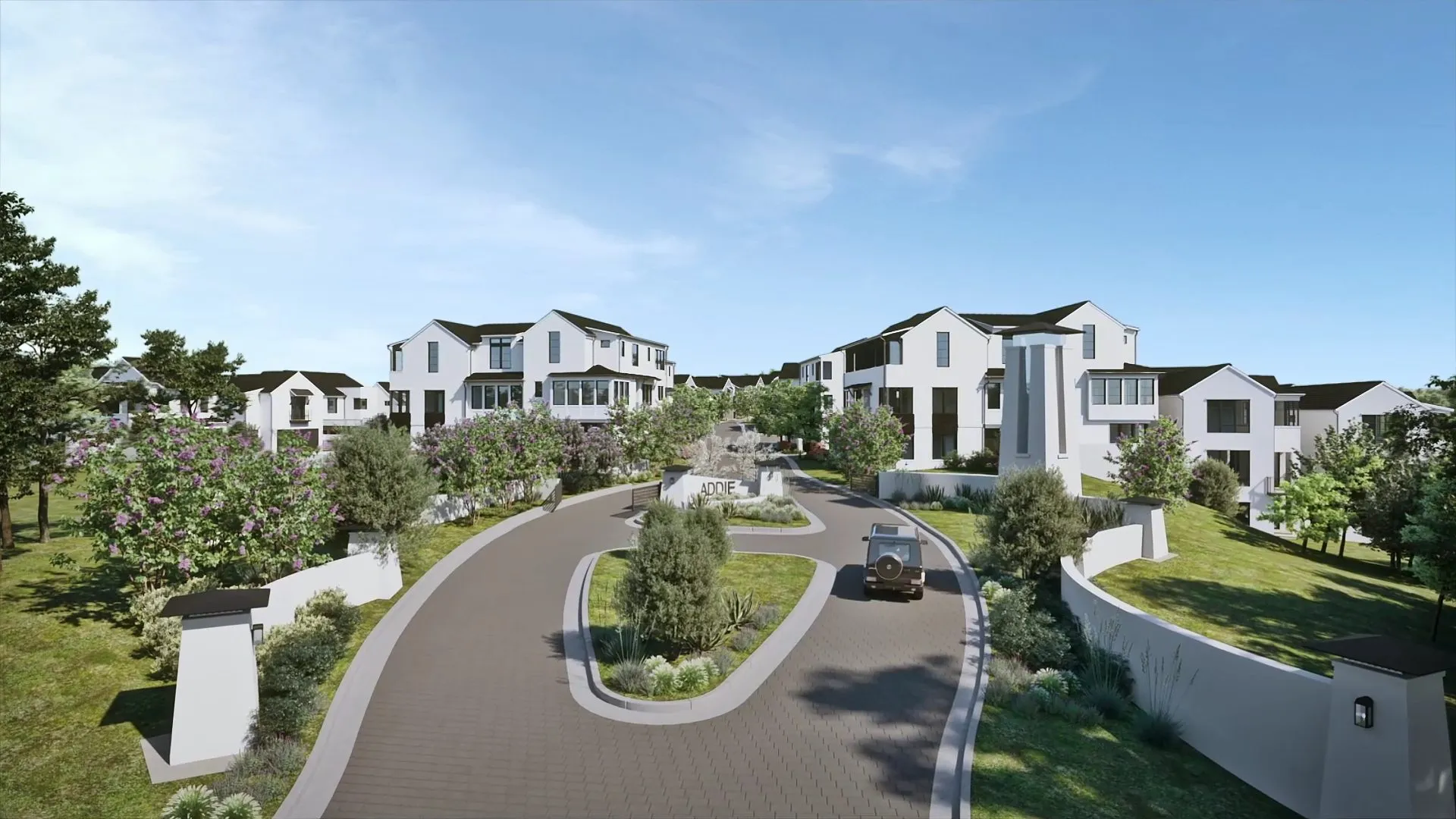
The developer did not hire you to produce pretty pictures. They hired you to shorten the time between launch and sold, because that is what protects the pro forma. Every unit that commits before the model home opens is a unit the developer does not have to carry. The argument for premium imagery is not aesthetic, it is financial: the longer a project sits on the market, the more it costs in interest and holding, so imagery that helps it sell faster tends to pay for itself many times over. Buyers who commit early also commit at the asking price, before any pressure to discount.
That is worth stating honestly in both directions. When demand is already overheated, a developer may not need much marketing support at all. One club community we work with declined renderings for a cabin release because interest was strong enough to sell without them. That is the exception, and a good agent knows the difference. In the more common case, where a buyer has to be convinced to commit to something that is not there yet, the imagery is the instrument that produces the number you are accountable for.
Bringing This to Your Next Launch
If you are taking a new development to market, the question worth asking before any images are produced is simple: does this set answer what it feels like to arrive, what it feels like to live in the rooms that close the sale, and what this property has that the others do not. If it does, it will do the work in the window that matters. If it does not, no amount of listing effort later will make up the difference.
See how we work with listing agents against a launch calendar, read the complete guide to pre-selling with 3D visualization, or look at how the imagery carried Clear Creek Tahoe and The Orson in Williamsburg through their pre-sales. If you have a launch coming, that is a conversation we are happy to have.