Matching Operator-Brand, Hospitality-Tier Creative

Lukas Berezowiec · CEO of NoTriangle Studio
Updated · 8 minutes
Key takeaways
Renderings for a branded residence answer to the operator, not just the developer, and the job is to look unmistakably like that brand in every frame.
- Point 01
- When the renders answer to a brand, the operator's standard defines them.
- Point 02
- On a branded project, "on brand" is specific, not a vibe.
- Point 03
- With a flagged hotel, the renders are built off the operator's spec package.
- Point 04
- The operator's own marketing leadership reviews the work, so the bar is higher.
Renderings for a branded residence answer to the operator, not just the developer. They follow the operator’s brand guidelines, photography guide, and spec package, and the operator’s own marketing team signs them off. The job is not to look luxurious in general. It is to look unmistakably like that brand, in every frame.
When a home is just a home, the renderings answer to the developer’s taste. When a residence carries a hotel or luxury operator’s brand, they answer to something stricter: a brand. There is a brand team, a set of written guidelines, an established visual standard the operator applies across everything it touches, and often the operator’s own photography guide describing exactly how its world is supposed to look. On a branded project, the job is not to make an image that looks expensive. It is to make one that is unmistakably on brand.
That is a different and higher bar, and it changes how the work is scoped, produced, and approved. Below is what matching operator-brand, hospitality-tier creative actually involves, from the guidelines down to who signs off.
When the Renders Answer to a Brand
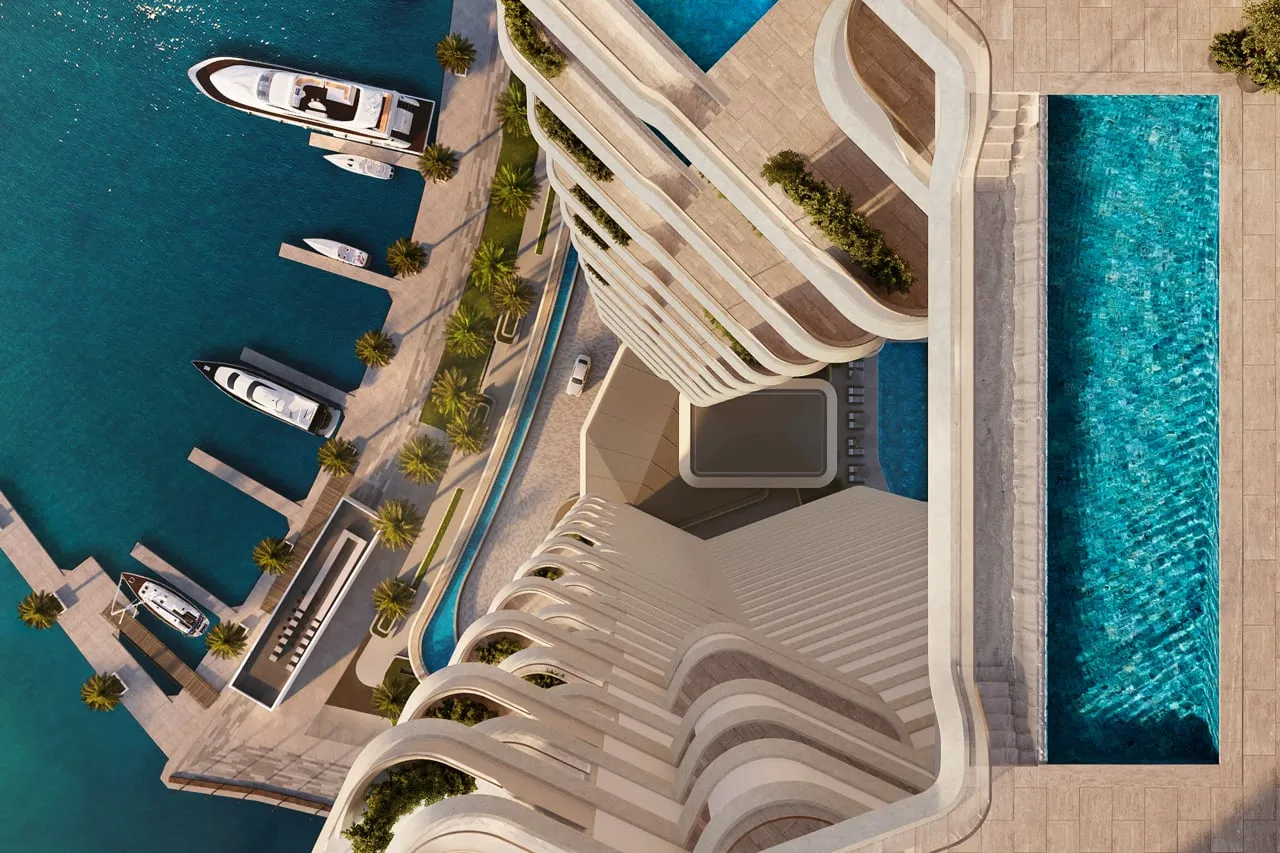
On a branded residence, the operator is a party to the creative long before a buyer sees anything. On one hotel-operator-branded residence, the developer told us at kickoff that a great deal of the project was about brand: the team had run a briefing session with the brand team from the hotel operator, who owned all the work on the brand guidelines, and our task, in the client’s words, was to match this new branding. This was not a preference. The operator manages the residents’ experience once the building opens, so the marketing that sells it has to belong to the same world from the first image.
That reframes what we are producing. It is not a luxury rendering that happens to carry a logo. It is a piece of the operator’s brand, made to sit alongside everything else that brand puts into the world, and judged by whether it holds up in that company. The developer’s budget pays for it, but the operator’s standard defines it.
What “On Brand” Actually Means Here
On a branded project, “on brand” is specific, not a vibe. On that same residence, the client handed us the operator’s brand guidelines and, separately, the hotel’s own photography guideline, telling us it would give us the inspiration and the principles to follow so the renders would fit. The brand even had a governing idea the images had to embody, a concept built on contrast, two very different elements existing together in a single frame, and we were told we could lean on the brand’s colors as well. That is the level of direction a hospitality brand brings: a written aesthetic, a photographic language, even a philosophy the pictures are meant to express.

Our job on these projects is to internalize that language and render inside it, rather than imposing our own house style. The moodboard step matters more than usual here, because it is where we prove, before any expensive frame is produced, that we have read the guidelines correctly and that the mood, the light, and the composition all land inside the brand’s world. Getting that agreement early is what keeps a branded project from an expensive round of “this is beautiful, but it is not us.”
Building Off the Operator’s Spec Package
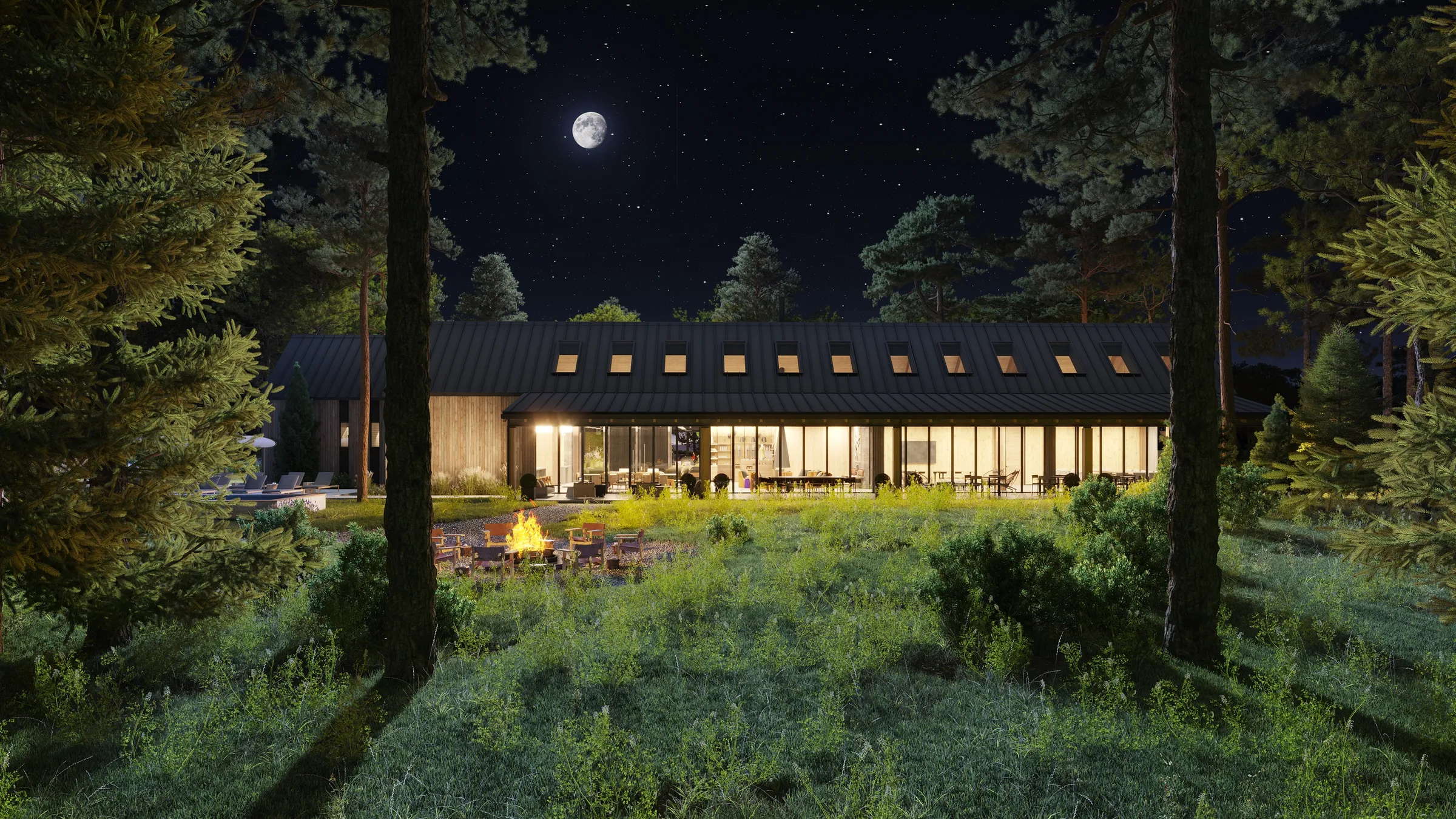
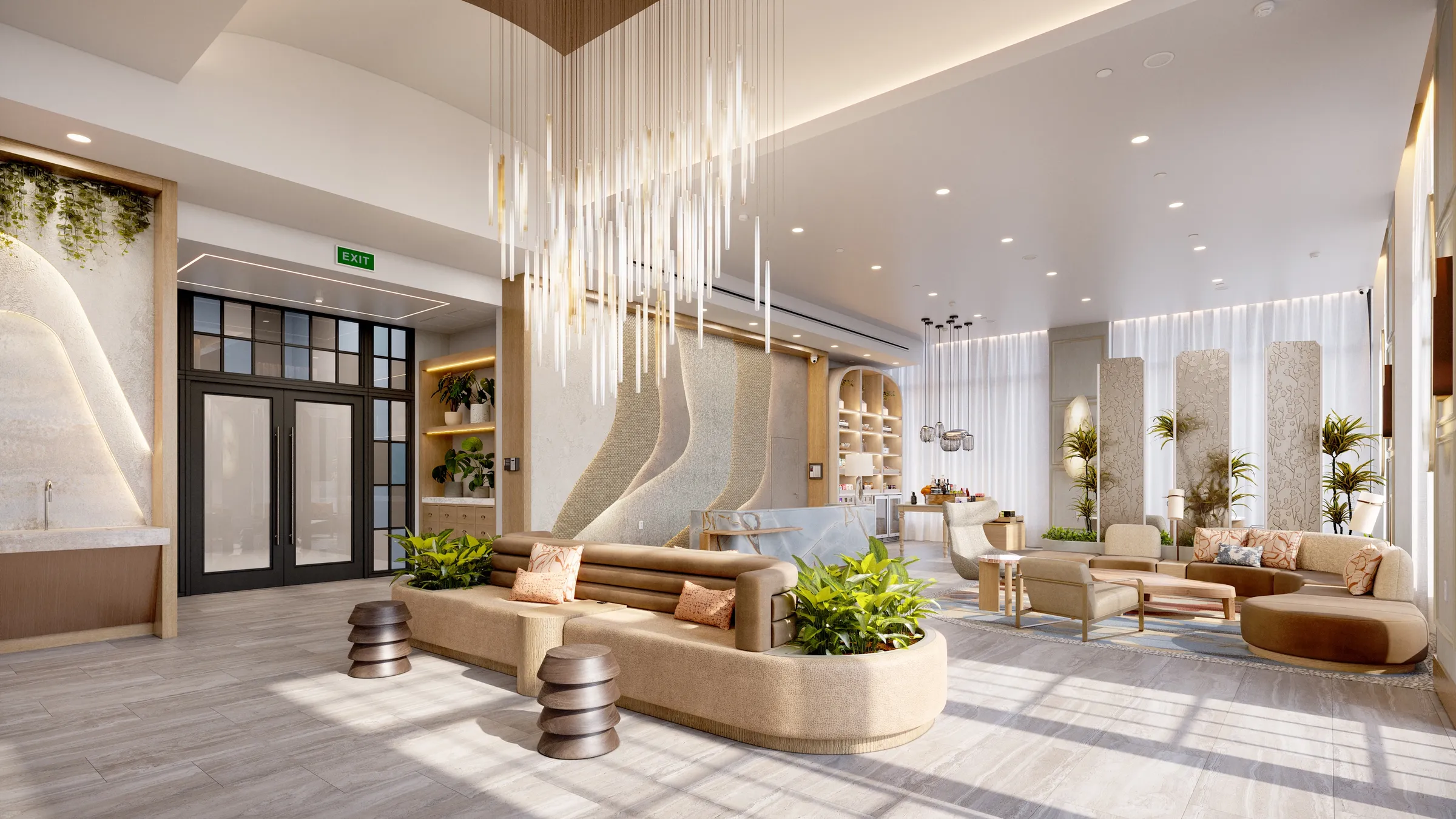
With a flagged hotel, the brand standard is not just a mood, it is a documented specification, and the renders are built off it. On one flagged hotel project, the operator’s official brand-standard spec package defined the finishes, the room types, and the details, and the interiors ran through the operator’s own brand-experience design firm. When we started, our producer’s reaction was telling: because we already had the project’s specs in hand, the work would be far easier, since so much of what an image needs was already fixed by the brand. On a project like that, even mirror sizes and fixture layouts trace back to the brand’s prototype standard. The creative freedom sits inside a box the operator has already drawn, and the value we add is executing flawlessly within it.
This is why branded work rewards a studio that treats specifications as a gift rather than a constraint. A documented brand standard removes guesswork. It tells you what the sofa is, what the light is, what the palette is, so the effort goes entirely into making the image excellent rather than into inventing details the brand has already decided.
Who Signs Off, and Why the Bar Is Higher
On a branded project, the developer is not the last word. The operator’s own marketing leadership reviews the work. On one hotel-branded development, the renderings were approved not only by the developer but by the hotel’s director of sales and marketing, the same person responsible for how that brand presents itself everywhere. When the operator’s marketing team is in the approval loop, the images are being measured against the brand’s global standard, not just against the developer’s expectations, and the studio has to clear that higher bar to get a sign-off at all.
That is the real reason hospitality-tier is a step above ordinary luxury real estate. A five-star-branded project expects five-star creative, because the operator has spent years teaching the market what its name looks like, and a rendering that falls short does not just undersell a building, it sits wrong next to the brand. Matching that standard is a discipline of restraint and precision: read the guidelines, work the spec package, render inside the brand’s language, and earn the operator’s sign-off. Do that, and the images extend the brand instead of diluting it.
Bringing This to Your Project
If your project carries an operator’s brand, bring the guidelines and any photography standard to the very first conversation, and make sure your studio treats them as the brief rather than a reference. Ask how they will prove alignment before the expensive work begins, and confirm the operator’s marketing team is built into the review. On branded work, matching the standard is the job, and the studios that respect that are the ones whose images make it through operator sign-off the first time. If your project carries an operator’s brand, Book a call and bring the guidelines with you; we will show you how we would work inside them.
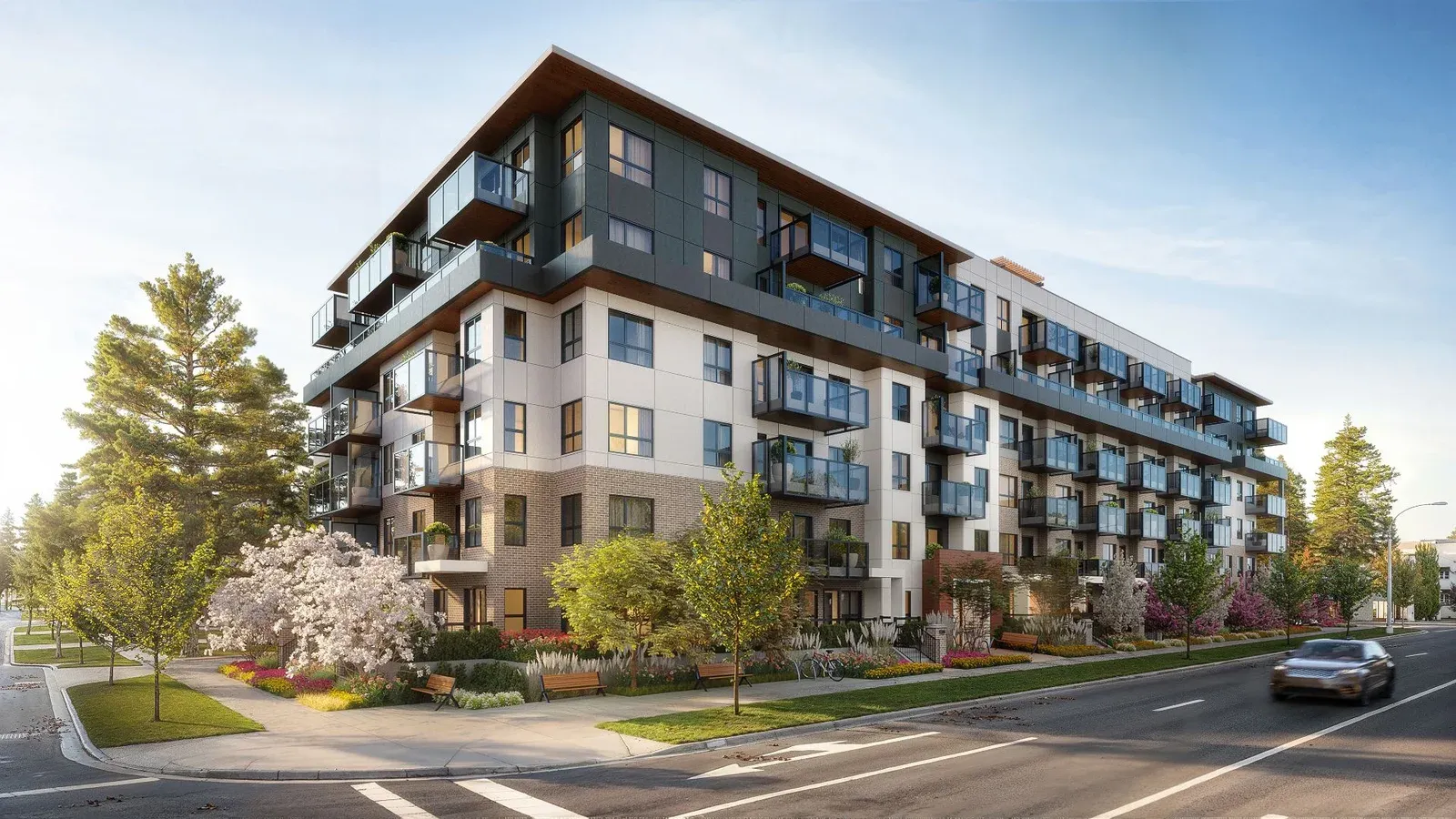
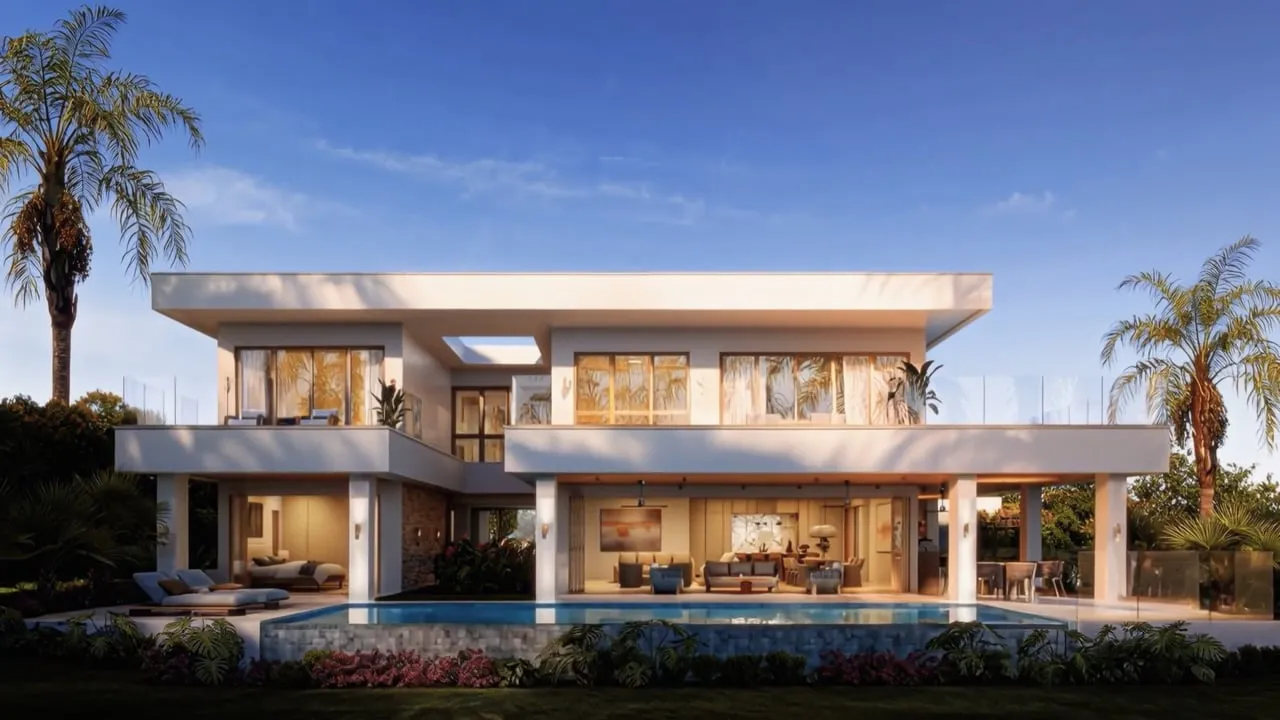
For the bigger picture, read our guide to branded residences visualization or see how we work with branded and multi-unit developers. You can also see branded, hospitality-tier work on Sankari Place, AutoCamp Cape Cod, and Esme Beach Residences.
FAQs
What makes renderings for a branded residence different?+
The operator's standard defines them. A hotel or luxury operator brings written brand guidelines, often a photography guide, and sometimes a governing idea the images must express. The renders have to sit comfortably next to everything else the brand publishes, and the operator's marketing team usually reviews them before anything is released.
What should a developer send the studio at the start of a branded project?+
The operator's brand guidelines, any photography or imagery guide, the brand-standard spec package for finishes and room types, and the name of the person on the operator side who signs off. The earlier the studio has these, the earlier it can show at the moodboard stage that it has read the brand correctly.
Who approves renderings on a branded residence?+
The developer and the operator. On hotel-branded projects we have worked on, the operator's director of sales and marketing reviewed the renders alongside the developer, measuring them against the brand's global standard. Build that review into the schedule from the start rather than adding it at the end.
How does a studio show it has matched the brand before the final renders?+
Through the moodboard and the white model. The moodboard shows the light, mood, and composition we plan to use, checked against the guidelines, and the white model locks the camera angles before any color goes on. Agreement at those two points is what avoids a late round of "beautiful, but not us".