
What should a developer tell a rendering studio before the work starts? More than a set of drawings and a deadline. The brief decides who the images are for, what they must do and which views earn their place, and those decisions shape the result more than any later revision round. This guide walks through a developer’s brief section by section, and gives you a free template to copy.
If you are the listing agent or marketing lead rather than the developer, read an agent’s brief for a rendering studio, which covers the same ground from the agent’s side.
Why the Brief Matters More Than the Revisions
Revision rounds fix details: a tile that reads too dark, a chair in the wrong place. They cannot fix a set of images aimed at the wrong buyer, or a hero view of a room nobody will buy. Those are brief decisions. When the brief is clear, the studio spends its time making the right images better. When it is vague, the first rounds are spent finding out what you wanted.
A brief does not need to be long. Two pages that answer the ten questions below are worth more than a folder of drawings with no note.
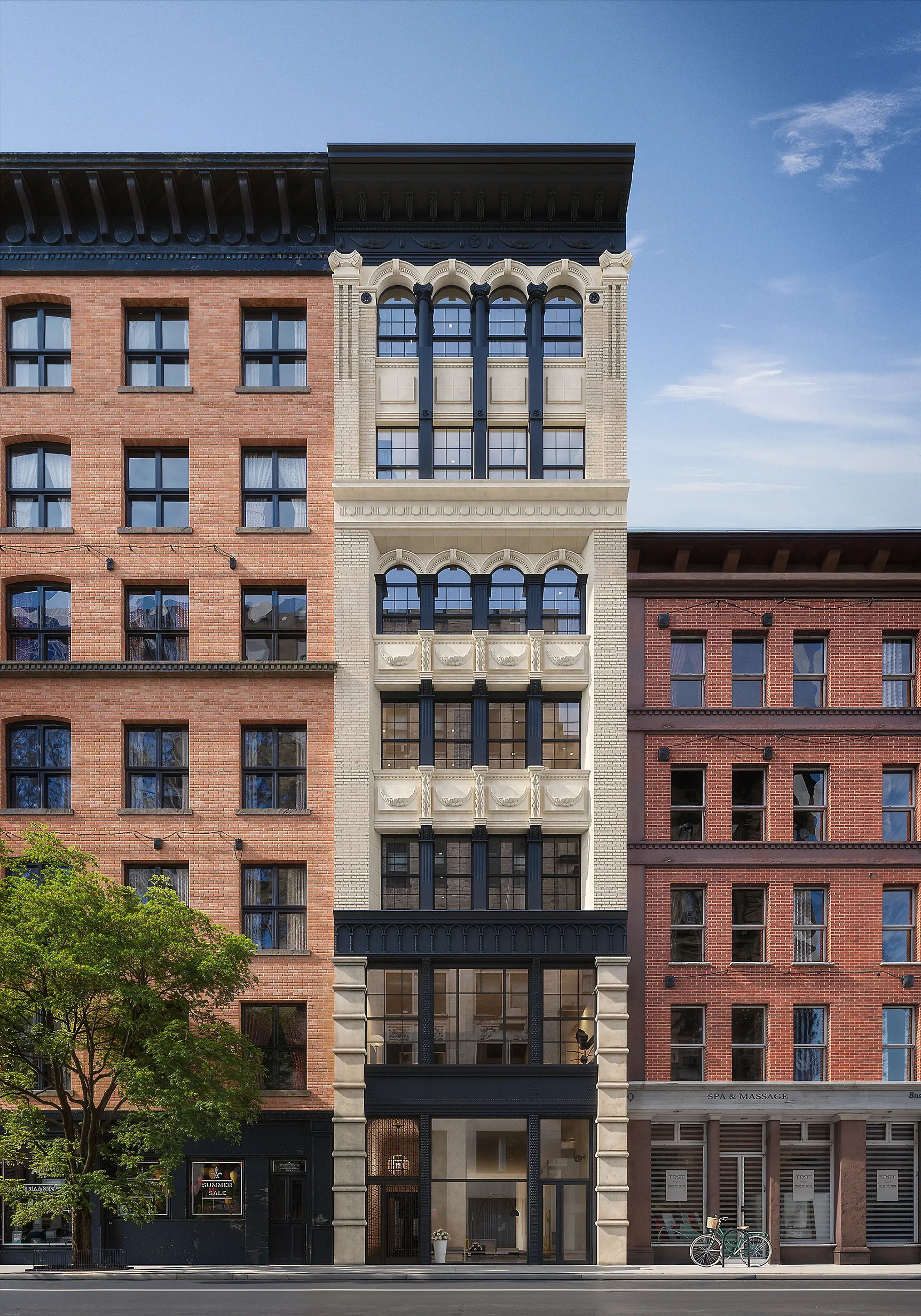
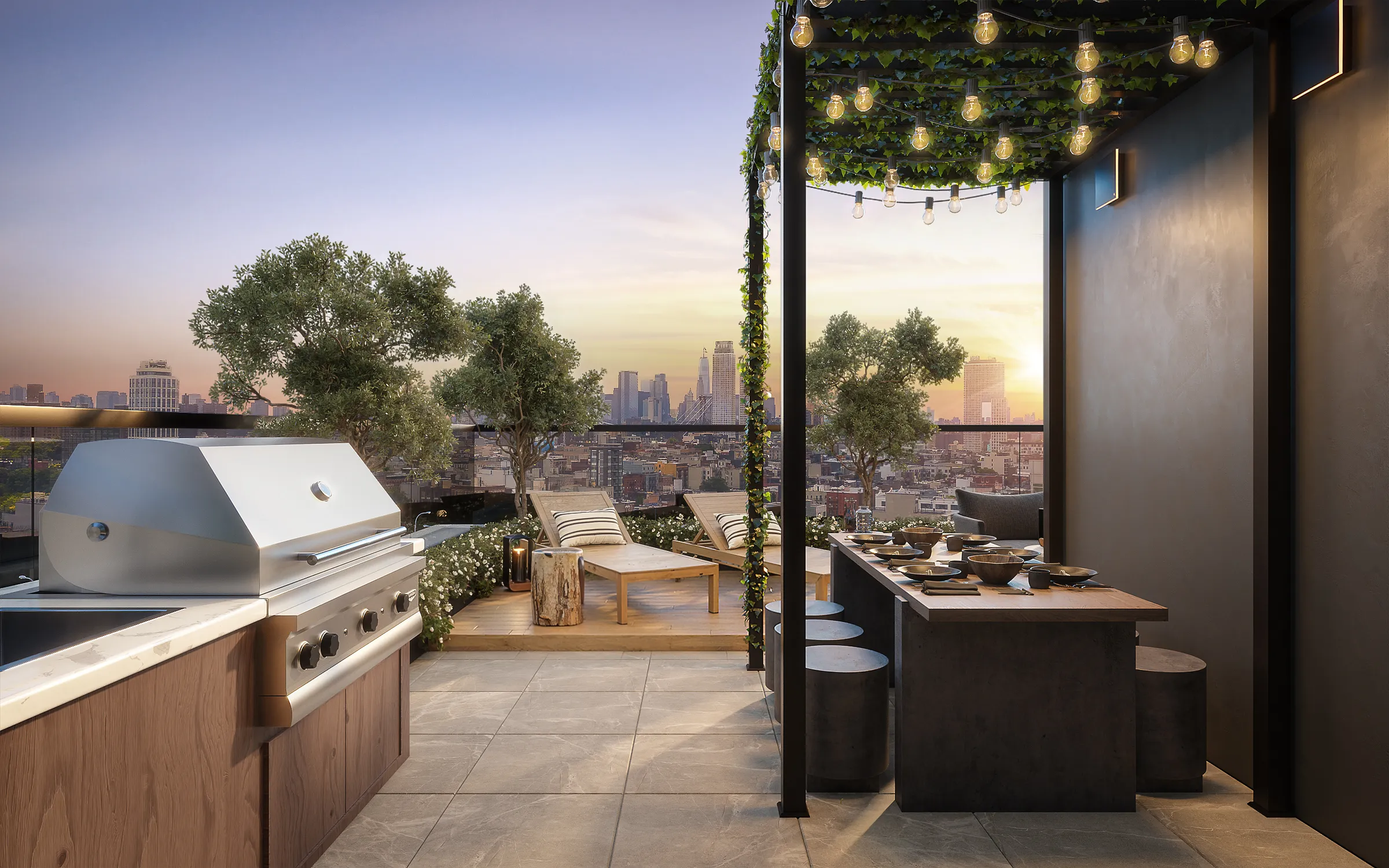
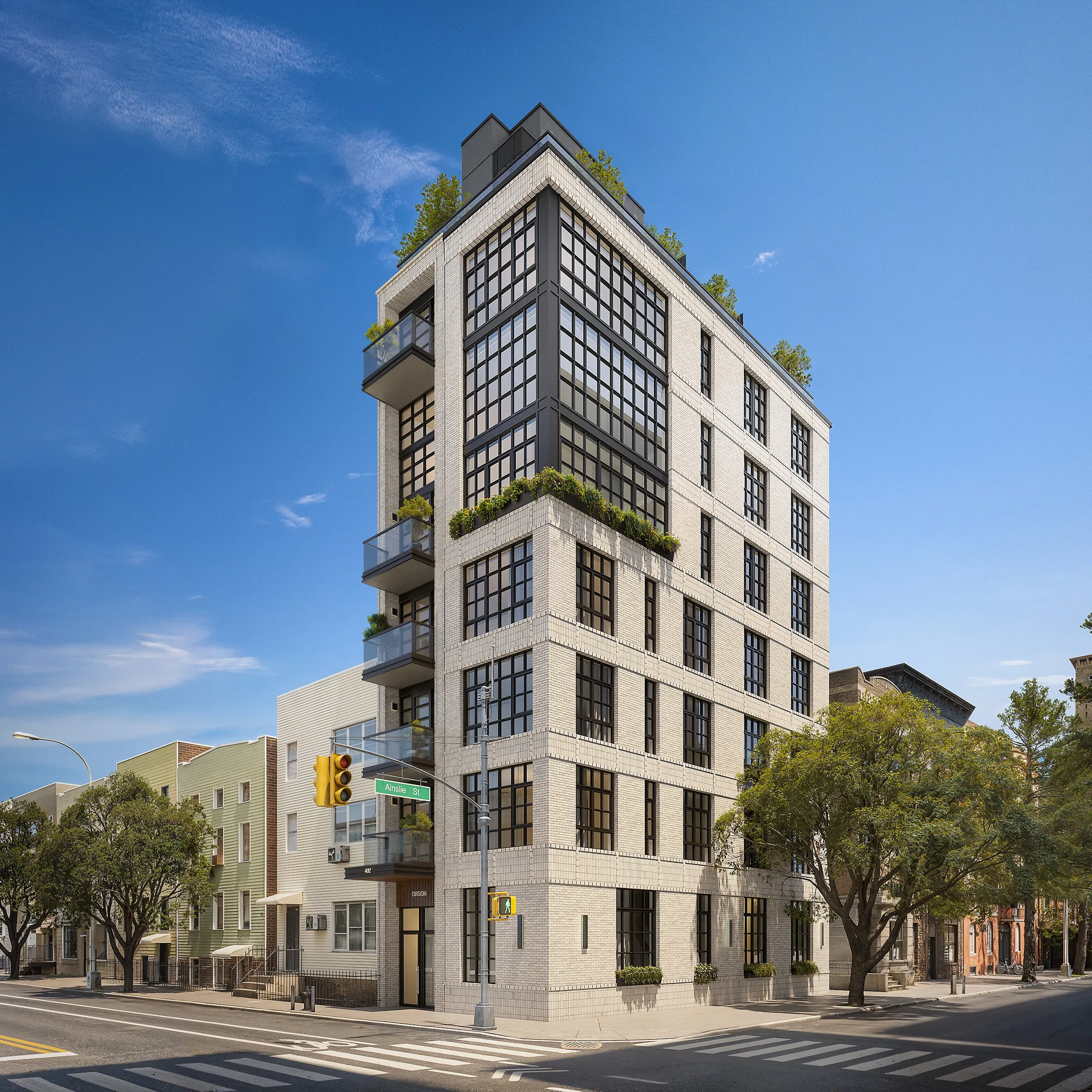
Our work: the launch film for The Orson, Williamsburg, built on the four views buyers judge first
The Ten Sections of a Good Brief
1. Project Basics
Name, address, type (condominium, townhomes, custom home, mixed-use), size, number of units or homes, and the design team: architect, landscape architect, interior designer. Add the stage the design is at and what is still changing.
2. Who Is Buying
Describe the buyer in a sentence or two: a downsizer from the suburbs, a young family, an investor buying off-plan, a second-home buyer from another state. Then name the projects they are comparing yours with. The studio needs to know what your images will sit next to on the listing sites.
3. The Job the Images Must Do
Pre-sell units, lease a building, raise capital, win a planning approval, or help buyers choose finishes. Each job needs different images. An approval set should show the design clearly and fairly; a sales set can use dramatic light and a suggested lifestyle. Many projects need both, at different milestones. See approval renderings vs sales renderings.
4. Where the Images Will Be Used
The website, the listing portal, a brochure, hoarding and signage, an investor deck, social media, the sales gallery. This sets formats and crops: a vertical image for social, a wide one for a hoarding, a high-resolution file for print. Saying it up front avoids re-rendering later.
5. The Views, and What Not to Render
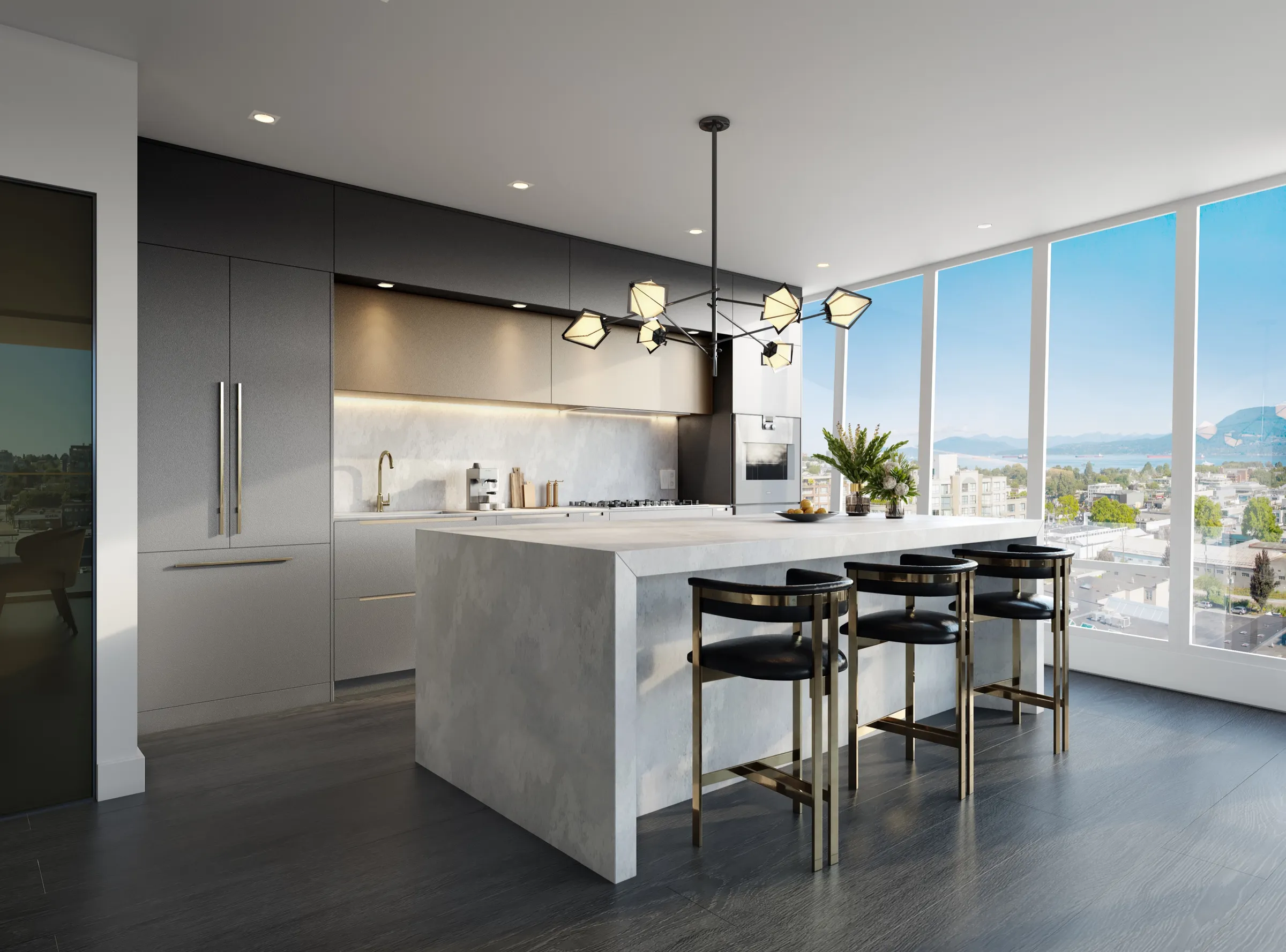
List the views you think will convince your buyer, usually the hero exterior, the main living space, the kitchen, and the view, rooftop or garden. Then say what to leave out. On The Orson, a six-residence condominium in Williamsburg, the duplex and the two penthouses were one-off layouts, so we focused the interiors on the floor-through residences that made up most of the building. One set of images then served the listings, the brokerage pages and the ads.
6. The Files
Send working files, not only PDFs: the CAD or Revit model, or SketchUp or Rhino, plus plans, elevations and sections, the landscape plan, the interior finish schedule and any material samples or product links. If the views depend on the real site, add site photos or drone footage, or tell the studio it needs to plan them. Most important, say which file wins when two disagree. Our list of the files needed for 3D rendering goes through them one by one.
7. The Style
Say whether you want documentary images (clear, even light, the whole space visible) or editorial ones (dramatic light, atmosphere, a lifestyle). Then give the time of day and season you picture: a twilight hero, a summer afternoon, a winter morning. If you are unsure, say so, and ask the studio for a moodboard before modeling starts.
8. References
Three to five images you like and one or two you do not, with a line on why. Your own past projects, a competitor’s launch or a magazine page all work. “Warm, not glossy” tells a studio more than “high-end”.
9. Who Comments, and Who Approves
List everyone who will comment, then name one person who sends the studio a single consolidated set of notes per round and has the final word. On The Orson, comments from the developer, the interior designer and the brokerage arrived as one consolidated set. One comment contradicted an earlier request; because everything came through one channel, it was caught before any file was touched, and the open points were answered the same afternoon instead of being built and undone.
10. Dates the Images Must Meet
Give the real dates, not just “as soon as possible”: the sales launch, the broker preview, the investor meeting, the print deadline for the brochure. The studio can then plan the work in stages and tell you early if a date is at risk.
The Free Template
Copy this into an email or a document, answer each line in a sentence or two, and send it with your files. Leave a line blank if you do not know yet; a good studio will ask.
Rendering brief
- Project: name, address, type, size, number of units or homes; architect, landscape architect, interior designer; design stage and what is still changing.
- Buyer: who is buying, in a sentence or two; the projects they are comparing with.
- Job: pre-sell, lease, raise capital, win an approval, or help choose finishes.
- Use: website, listing portal, brochure, signage, investor deck, social, sales gallery.
- Views: the views you want, in order of importance; what not to render.
- Files: model and drawings attached, landscape, finish schedule, site photos or drone; which file wins if two disagree.
- Style: documentary or editorial; time of day and season.
- References: three to five images you like, one or two you do not, and why.
- Approvals: who comments; the one person who sends consolidated notes and signs off.
- Dates: launch, broker preview, investor meeting, print deadlines.
What a Good Studio Does With Your Brief
The brief is the start of a conversation, not the end of one. A good studio reads your files in full and comes back with questions before it models anything: missing drawings, details that disagree between the architecture and the interiors, views that will not show what you hope. It then shows every camera angle as an untextured white model for your approval, while changes still cost almost nothing, before color, materials and light are added. If a studio starts rendering without asking you anything, the brief has not really been read.
For more on judging studios before you send a brief, see how to choose a 3D rendering studio and the architectural visualization process.
Send Us Your Brief
If you have a project that has to sell before it is built, fill in the template and send it to us with your project plans. We review every brief personally and come back with how we would approach the project and whether we are the right studio for it.
By Lukas Berezowiec, CEO, NoTriangle Studio.
Frequently Asked Questions
What should a rendering brief include?
Ten things: the project basics, who the buyer is, the job the images must do, where they will be used, the list of views (and what not to render), the files, the style, references, who comments and who approves, and the dates the images must meet. The free template in this post covers all ten.
Do I need final drawings before I brief a rendering studio?
No. A studio can start from design development drawings and a model, as long as you say what is still changing. What matters is that the files agree with each other: the architecture, the landscape and the interior finishes should describe the same building. A good studio checks this before production and tells you what is missing.
How many renderings does a condo or home launch need?
Fewer than most people expect. Choose the views that convince your buyer, usually the hero exterior, the main living space, the kitchen and the view or outdoor space, rather than picturing every room. On a six-residence Brooklyn condominium we left the one-off duplex and penthouses out and rendered the floor-through residences most buyers would choose.
Who should send feedback to the rendering studio?
One person. Collect comments from the developer, the architect, the interior designer and the broker, resolve the conflicts on your side, and send one consolidated set of notes per round. Contradictory comments arriving separately are one of the most common reasons a rendering project slows down.