Ultimate Render Resolution Guide

Lukas Berezowiec · CEO of NoTriangle Studio
Updated · 15 minutes
Key takeaways
Higher resolution is critical both on-screen and in print, but you should understand the nuances before defaulting to the highest possible value.
- Larger formats need lower DPI; match DPI to viewing distance and budget
- Screens
- Match resolution to screen type; bigger displays need higher resolution
- Animation
- Animations need less resolution than stills
- The rule
- Treat DPI as a price/quality fit, not a max-out value
Most people understand resolution from printing, but the topic is full of misconceptions. Because higher resolution is critical for 3D rendering basics both on-screen and in print, you should understand the nuances before defaulting to the highest possible value.
Understanding the Basics
What Is Render Resolution?
Render resolution is the total pixel count (width × height) of an image and is the most important spec governing image quality.
High vs. Low Rendering Resolution
Low-resolution images look blurry/pixelated when shown at a large size, but can look fine at small sizes; higher resolution lets architectural renderings stay sharp even when enlarged.
Is Higher Render Resolution Always Better?
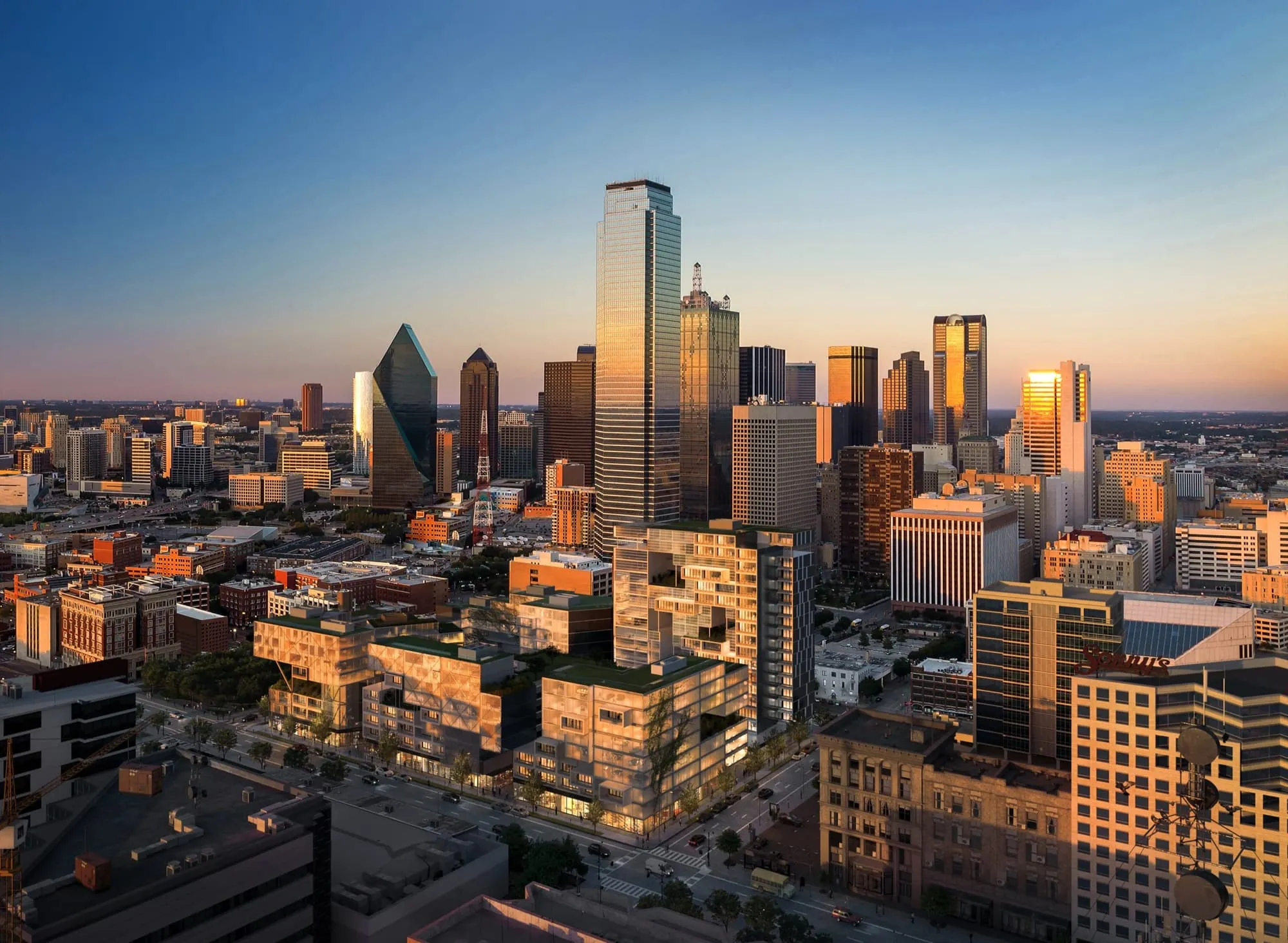
Generally yes, especially for large/detailed renderings like commercial renderings or skyscraper renderings, but higher resolution increases cost and turnaround so should be sized to actual need.
What Is DPI?
DPI (dots per inch) is pixel density for prints; PPI is the equivalent on screens. DPI rises as image size shrinks (and vice versa), so the right question is what DPI a given display size needs and what resolution supports it.
What Is the Best DPI? Is Higher Always Better?
Higher DPI shows more detail per inch but viewing distance matters: close-up viewing requires more pixels, large banners viewed from afar need fewer. Don’t pay for DPI you can’t see.
Conclusion
DPI = pixels per square inch; use DPI for print, resolution for screens; both are better when higher but more expensive, so size them to the goal.
What Is the Best DPI for Printing?
Higher resolution allows higher DPI, but not every project needs the maximum. Bigger printed sizes need higher resolution but lower DPI, a counterintuitive point that causes confusion.
Image DPI Requirements for Specific Print Formats
A4–A3 Format: Industry standard is 300 DPI; aim for ~4,000 pixels wide for posters, catalogs, brochures, flyers, small banners (see here for interior brochure examples).
A2–A1 Format: 150 DPI is sufficient since these are viewed from farther away.
A0 and larger: 20–75 DPI is enough; e.g. billboards viewed from far away can use ~20–30 DPI.
Image DPI Requirements for Specific Type of Prints
Billboard & Banner Printing: As size grows DPI can drop; standard billboard prints at 30 DPI or less.
Poster Printing: Small posters (up to 12×18″) on digital/offset presses need 300 DPI; large inkjet posters need only 150 DPI.
Magazine Printing: Offset magazines use 150–175 LPI, so 300 DPI image input is standard; 220–250 DPI is sometimes acceptable, but detailed 3D renderings benefit from 400 DPI.
Line Art Printing: Logos/cartoons require 800 DPI minimum, sometimes 1200–2400 DPI.
Newspaper Printing: 200–250 DPI is enough due to lower-quality paper; line art in newspapers needs 400–600 DPI.
Photo Printing: 250 DPI is typically optimal for photographs.
Conclusion
DPI depends on print format; larger formats need lower DPI; always match DPI to viewing distance and budget. Consult both the printer and a 3D studio in advance to avoid wasted cost.
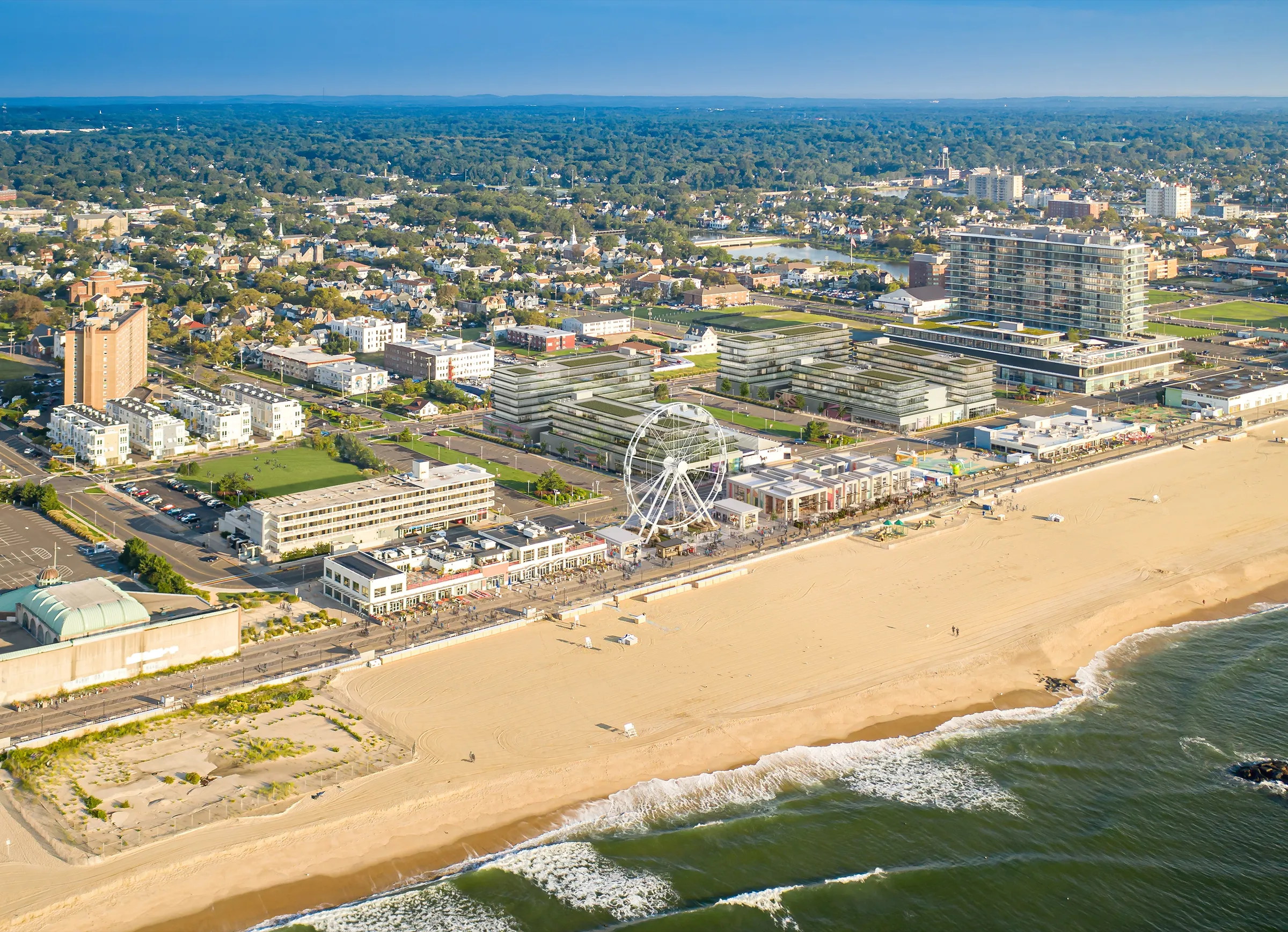
How to Choose the Right Resolution for Specific Digital Screens?
Screens have fixed maximum resolutions, so deliverables must match the intended device. Digital outputs generally need lower resolution than prints.
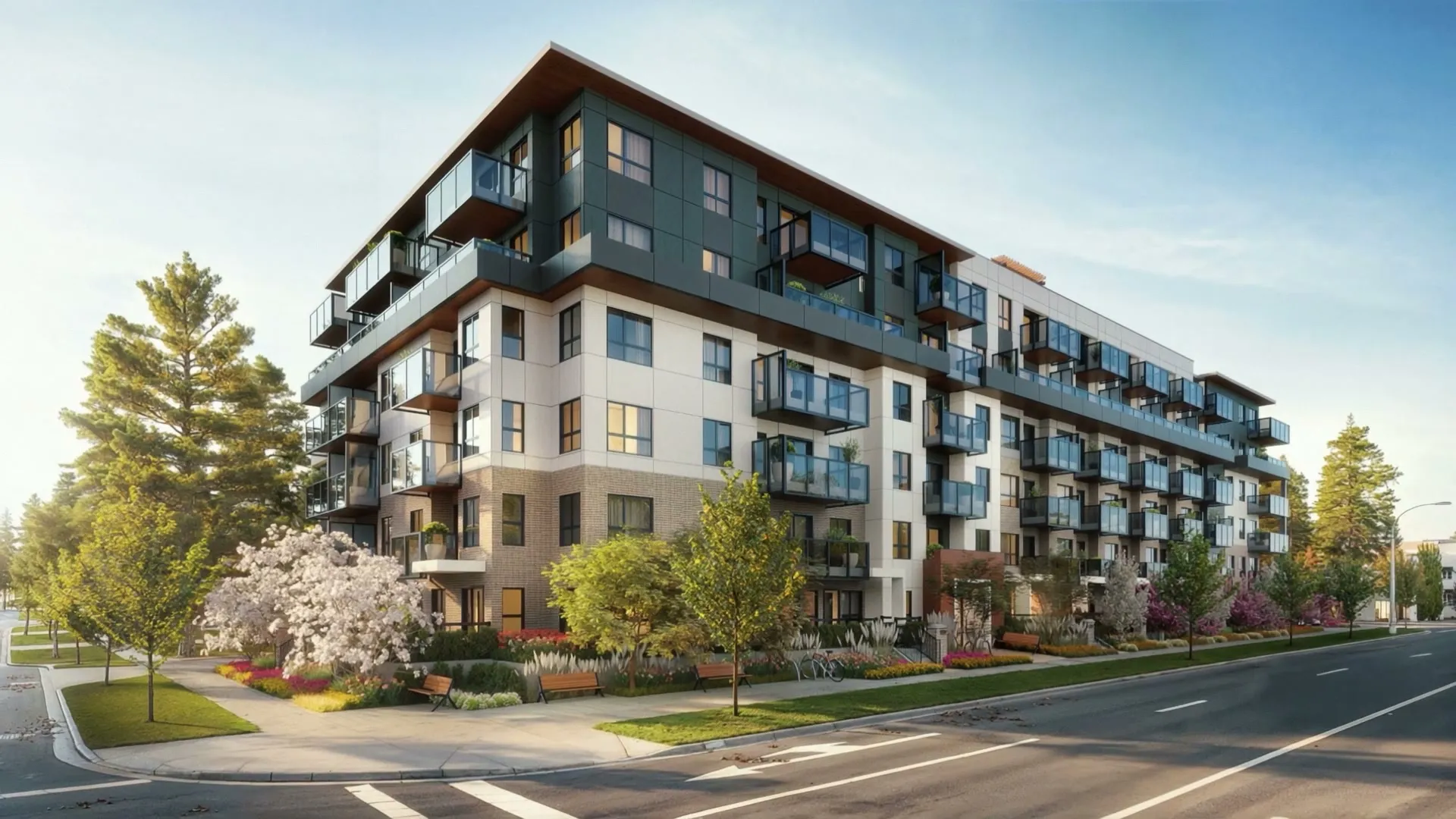
The Main Resolution Types for Renderings
2,000 pixels / 2K Resolution: Fast to render and edit; great for revision previews and quick-turnaround work; limited for print.
4,000 pixels / 4K Resolution: Four times the size of 1920p; ideal for final deliverables and large displays; supports prints up to A3.
8,000 pixels / 8K Resolution: Non-standard; suited to aerial site views or large-format prints like billboards (16× the pixel count of 2K). Requires higher-detail 3D models, longer render times, and higher cost.
The Main Resolution Types for Animations
Animations consist of many frames so total pixel volume is huge; they typically use lower per-frame resolution than stills but still need significant compute.
1,280 pixels: 720p HD; lowest entry-level resolution, suitable for phones/tablets/laptops; most budget-friendly.
1,920 pixels: 1080p Full HD; the standard for most desktops, laptops, and TVs.
4,000 pixels: 4K (3840×2160); common on modern TVs, rare on portable devices.
Conclusion
Match resolution to screen type; bigger displays need higher resolution; animations need less than stills; balance quality versus cost.
Do I Need to Worry About Rendering Resolution for My Project?
Choose resolution based on where the rendering will be displayed or printed; over-investing in resolution is expensive without benefit. Consult a 3D studio and printing company before committing, treat DPI as a price/quality fit, not a max-out value. See our Ultimate Guide To 3D Rendering & Architectural Visualization for more.