
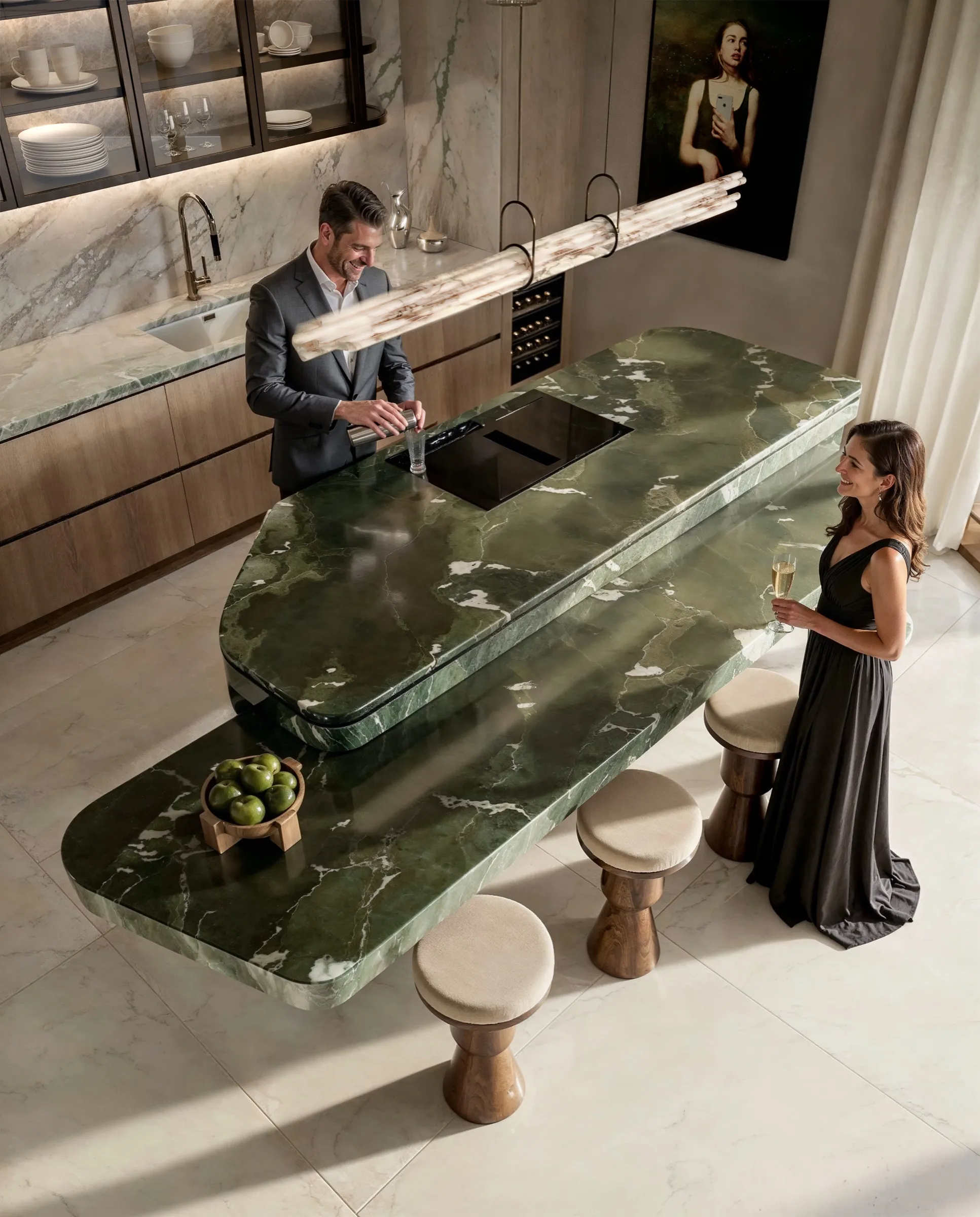
[ Pillar guide ]
Branded residences rendering: what a launch needs.
What a branded residence launch needs from 3D visualization. A guide for developers and marketing leads of hotel-branded and operator-branded residential projects: what makes the work different, what the visualization set includes and in what order, how to run approvals with the operator, and the mistakes that cost a launch time.
By Lukas Berezowiec, CEO, NoTriangle Studio
Updated
[ Quick answer ]
Branded residences rendering is imagery built to the operator's brand standard, approved by several parties, and phased to the launch. Treat the brand guidelines as the brief, approve every camera angle on a white model, route all comments through one channel, and match each batch to its moment: capital set, announcement teaser, sales set, then residence interiors.
[ The short answer ]
What does a branded residences project need from 3D visualization?
A branded residences project needs imagery that meets the operator's brand standard, clears several approvers at once, and serves two audiences: the capital partners who fund the project and the buyers who reserve the homes. In practice that means treating the operator's brand guidelines as the brief, approving every camera angle on a white model before rendering, and routing all comments through one consolidated channel. It also means phasing the work to the launch calendar: a few hero images and a film for the announcement, the full exterior and amenity set for the sales push, and residence interiors once the finishes are settled. The test for every image is whether it looks unmistakably like the brand, not merely expensive.
The rest of this guide explains each of those points, drawing on our work on Sankari Place, the world's first standalone Regent Residences, designed by Foster + Partners for Sankari Properties in Dubai, and on projects in the United States where we worked inside a hospitality or club brand standard.
[ What makes it different ]
Four things set branded residences apart.
Each one changes how the visualization is scoped, produced, and approved.
01
The operator brand sets the standard
On a branded residence, the renderings answer to a brand, not only to the developer's taste. There is a brand team, written guidelines, often a photography guide, and sometimes a governing idea the images are expected to express. The operator will manage the residents' experience once the building opens, so the marketing that sells it has to belong to the same world from the first image.
That changes the test. A rendering can look expensive and still be wrong. The question is whether it would sit comfortably next to everything else the operator puts into the world. A five-star-branded project expects five-star creative.
02
More people approve the work
Branded projects are multi-stakeholder by definition: the developer, the operator's brand team, the architect, the interior designer, a marketing or branding agency, and often capital partners. Each has a legitimate stake and each sees the images at a different moment. Without structure, their notes arrive scattered and contradict each other, and that, not the rendering itself, is the most common reason a complex project slips.
03
Two audiences, capital and buyers
The same project usually needs imagery for the investors, lenders, and partners who decide whether it gets funded, and later for the buyers who reserve the residences. A capital-facing image argues that the project is feasible and worth funding, and it often stays private until the financing story is ready. A buyer-facing image creates desire for a specific home. They are different briefs, and one image asked to do both tends to do neither well.
04
The launch happens in stages
A branded launch is not one event. There is an announcement that needs a hero, a pre-sales window that needs enough to open reservations, a full sales push that needs the complete set, and residence interiors that matter once buyer interest is real and finishes are settled. The imagery should follow that calendar rather than arrive as one block on day one.
[ The set, in order ]
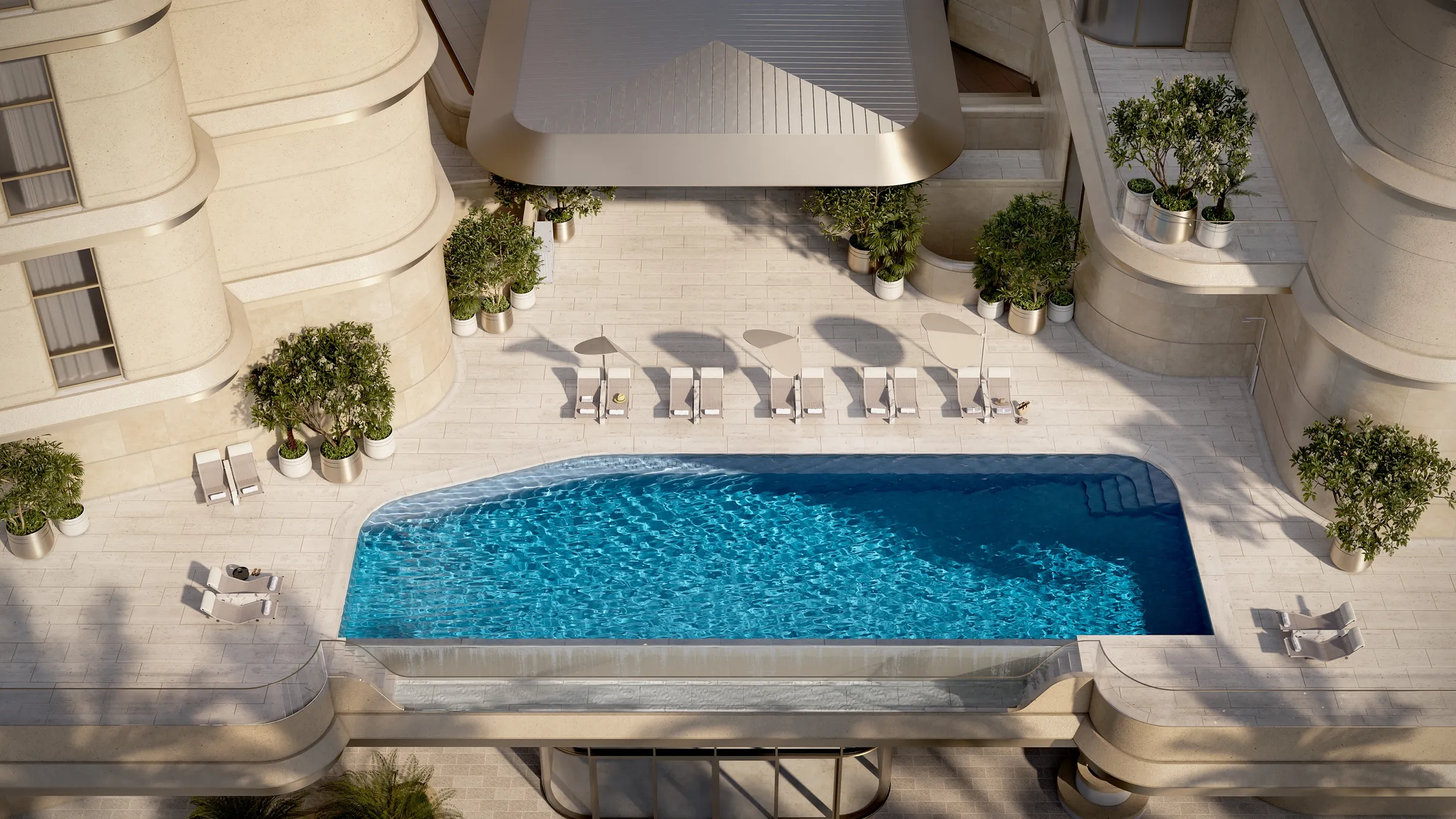
What the visualization set includes, and when.
Start from the calendar, not the asset list. Each batch is worked back from the date it has to be ready.
01
Capital and feasibility
When the project still has to be funded, a small private set: a hero exterior that fixes the identity of the asset, a site-context or aerial view that shows where it sits and why the location works, and a few amenity and lifestyle frames that signal the positioning the pro forma assumes. Built to read as credible and buildable, not fanciful.
02
Announcement and teaser
A handful of priority hero images and, on the larger launches, a cinematic film. At this stage the job is to build anticipation, not to explain the building. Partial views, atmospheric light, and material detail often do more than a full reveal, and they leave room for the next phase.
03
Full sales set
The exteriors, the arrival sequence, and the amenity spaces, sequenced to the pre-sales and sales push. On a community or a phased release, new views can be aimed at the inventory that is still unsold. This is where the set becomes a complete visual inventory for the sales team and the brochure.
04
Residence interiors
Interiors of the residence types, produced once the finishes are settled. Rendering the same room from the same camera in two material schemes lets a sales team present both directions under identical light and staging.
05
Downstream pieces
Once the stills have fixed the look, the same models carry the rest: animation, virtual tours, floor plans and cutaway views, and project landing pages. Built from the model already approved, they extend the set rather than start a new commission.
[ Who sees what ]
The set by launch stage, audience and sign-off.
| Launch stage | Images | Audience | Who signs off |
|---|---|---|---|
| Capital and feasibility | Private set: hero exterior, site-context aerial, a few amenity frames | Capital partners, lenders | Developer, capital lead |
| Announcement and teaser | A few priority hero images; a film on larger launches | Press, brand followers | Developer, operator brand team |
| Pre-sales and reservations | Exteriors, arrival sequence, key amenities | Early buyers, brokers | Developer, operator marketing, agency |
| Full sales set | Complete visual inventory, views aimed at unsold stock | Buyers, sales team, brochure | Developer, operator marketing |
| Residence interiors | Unit types once finishes are settled; the same room in two schemes | Buyers choosing a residence | Developer, interior designer, operator |
| Downstream | Animation, virtual tours, floor plans, cutaways, landing pages | All of the above | As per the approved stills |
At Sankari Place, the first phase was 15 priority renderings and a film for the September 2024 announcement.
[ In practice ]
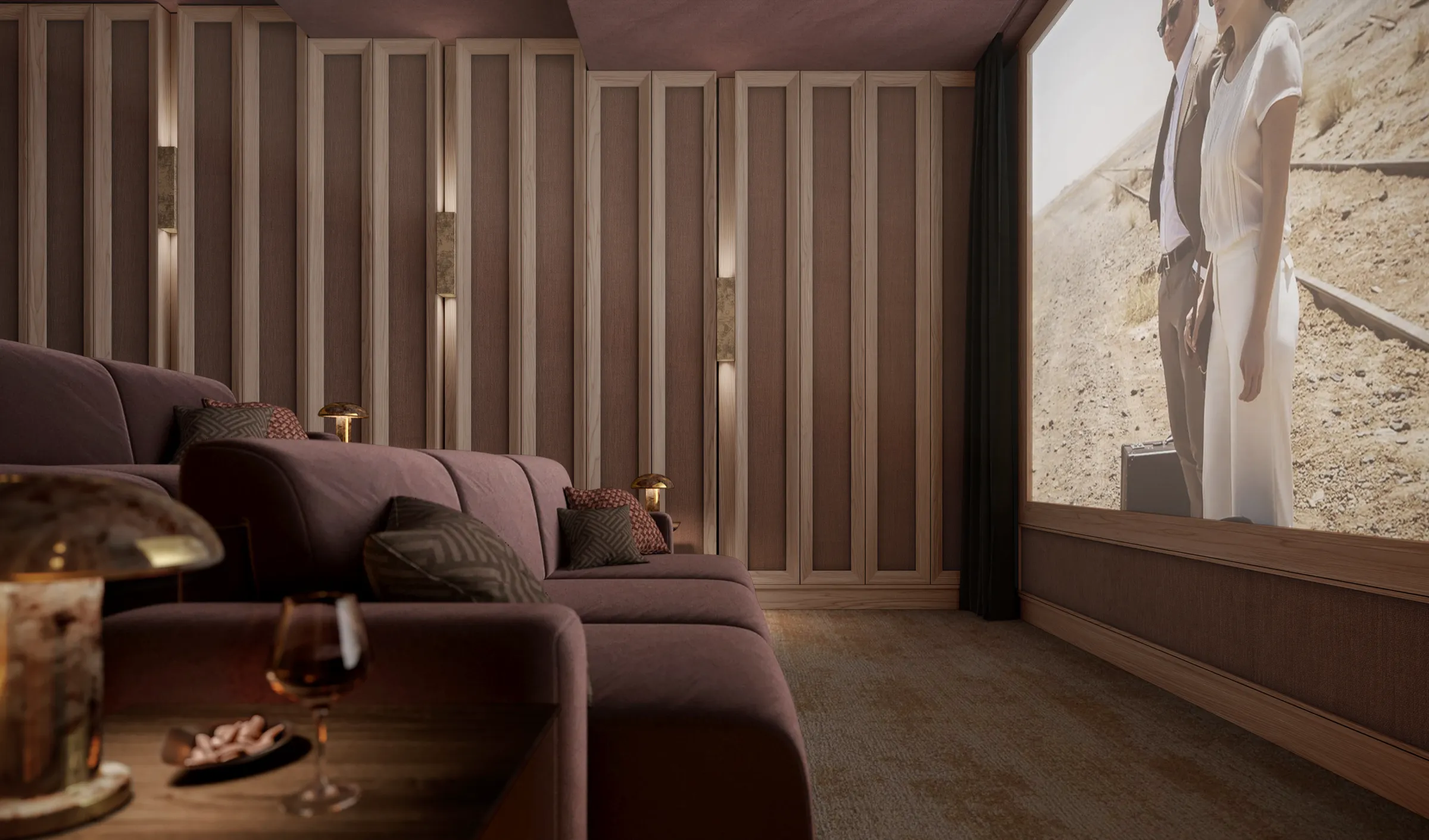
How the phasing worked at Sankari Place.
Sankari Place is twin 180-metre towers by Foster + Partners on the Dubai Water Canal, with interiors by Portia Fox and 63 full-floor residences and 10 water villas. It is the world's first standalone Regent Residences, operated under IHG.
The first phase was 15 priority renderings and a cinematic film, built on a teaser idea: reveal less, create more desire. That imagery carried the Sankari and IHG partnership announcement on 10 September 2024, and the full film was published in December 2024, the day Foster + Partners revealed the design. A second phase of interior and amenity views then carried the same brand language into the sales stage.
[ Approvals ]
How to run approvals with the operator brand.
The operator is a party to the creative long before a buyer sees anything. Five habits keep that manageable.
Treat the brand book as the brief
Bring the operator's brand guidelines and any photography standard to the first conversation. They are not reference material to glance at, they are the brief. A documented brand standard removes guesswork about finishes, palette, and styling, so the effort goes into making the image excellent rather than inventing details the brand has already decided.
Prove alignment before the expensive work
A moodboard fixes light, atmosphere, color, and composition before any frame is rendered, and it is where a studio shows it has read the guidelines correctly. The core style decision also lives here: documentary imagery for design approval, editorial imagery for the sell. Most branded sets need both across their milestones.
Approve every angle on a white model
Each camera angle is presented as an untextured white model first. At this stage changing a view costs almost nothing, so the developer, the operator, and the architect can agree on composition before color, material, and lighting are applied.
Run one comments funnel
All feedback, from every party, goes through one channel and arrives as one consolidated round. Name one person on the developer's side to gather the notes, including the operator's, and resolve internal disagreements before they reach the studio. The studio should receive a decision, not a debate.
Put the operator's marketing team in the loop early
On a branded project the developer is not the last word. When the operator's marketing leadership reviews the work, the images are measured against the brand's global standard. Build that review into the schedule from the start rather than discovering it at the final round.
Inside the Regent brand
At Sankari Place we joined the project's brand immersion session alongside the operator's brand team, Foster + Partners, and Portia Fox, and worked from Regent's photography guidelines. That direction shaped real decisions in the images: the brand's contrast principle of one vivid element against muted surroundings, styling calibrated to an ultra-luxury buyer, and accent colors drawn from Regent's own palette.
Inside a Marriott brand standard
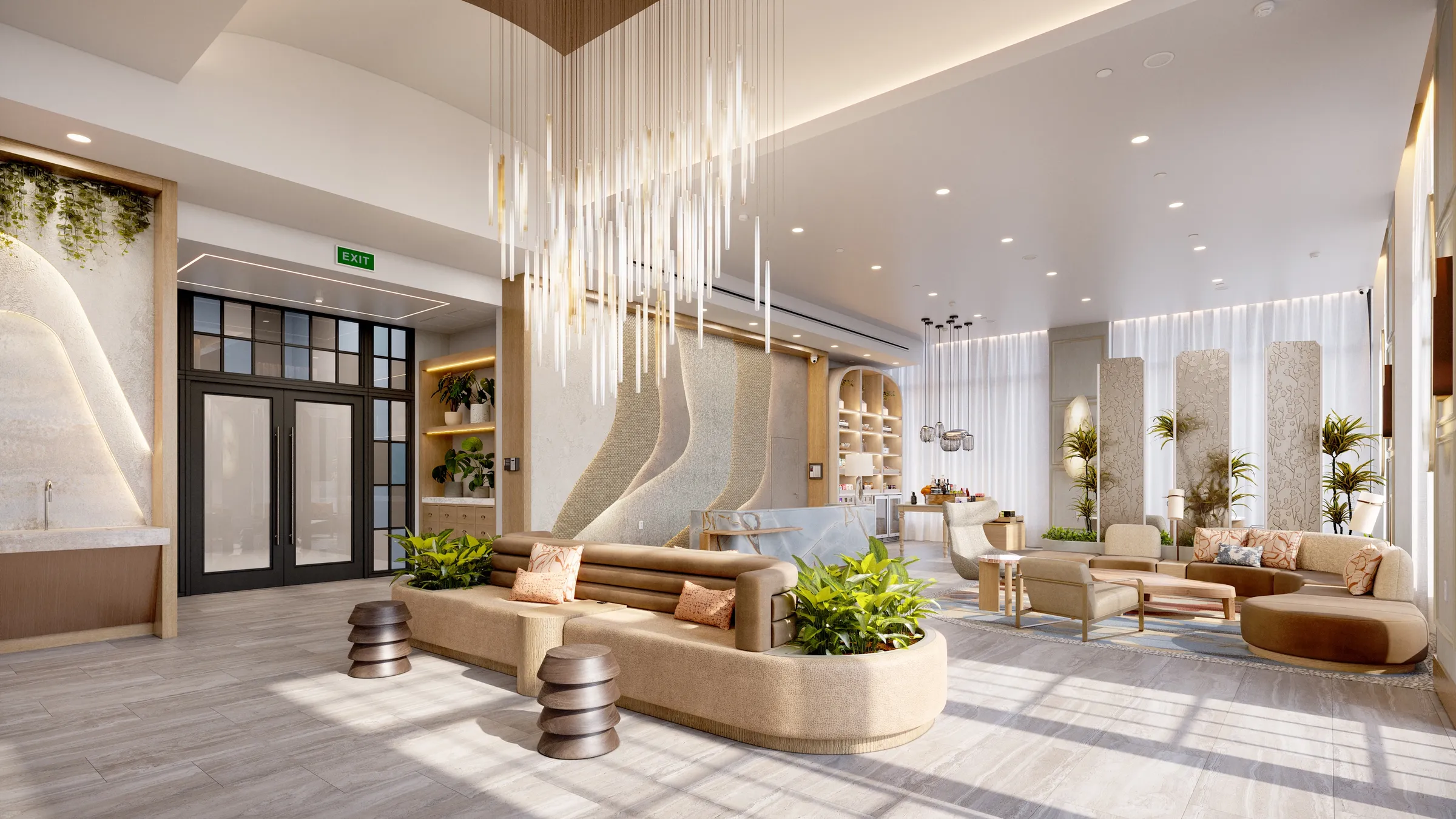
For the Westin Vacation Club in Charleston, part of Marriott Vacation Clubs, we produced 20 hospitality views for Vanrooy Design, working from Westin's brand guidelines alongside the design documents. Vanrooy gathered input from their client and the architect and posted one consolidated set of notes per view, and the renderings went through Westin's formal brand review without major revisions. It is a hospitality project rather than a residence, but the approval discipline is the same.
[ Common mistakes ]
Where branded launches lose time and quality.
- Ordering everything on day one
- Commissioning the building, every unit type, all the amenities, and the film in one block ties budget up in images the market will not see for months and locks in details that are still moving. Phase it to the launch calendar instead.
- Asking one set to serve capital and buyers
- A set that is too lifestyle-led to carry a feasibility argument and too contextual to make a buyer want the home persuades no one. Decide who each image is for before it is briefed.
- Treating brand guidelines as optional reference
- A studio that imposes its own house style produces the expensive round of "this is beautiful, but it is not us." On branded work, rendering inside the operator's language is the job.
- Letting feedback arrive from five directions
- Scattered notes contradict each other, get lost in long threads, and get applied twice. Every extra round of reconciliation is time the launch does not have.
- Revealing too much, too early
- Showing the whole building at the announcement leaves nothing for the sales phase to add. A teaser that suggests more than it shows keeps the audience curious and gives each later phase something new to reveal.
- Building on outdated files
- Inherited renderings are often built on an earlier version of the design. If the facade or the unit plan has changed, the imagery has to be rebuilt from the latest model, because a buyer and an operator will both hold the finished building to what they were shown.
[ How we work ]
How NoTriangle works on branded projects.
Every project starts with a discovery call, then an analysis of the files, the buyers, and what comparable projects are doing visually. File review follows: we check that architecture, interiors, and landscape agree with each other and resolve the discrepancies before production begins. Then a moodboard, white-model previews of every angle, photoreal rendering, and revision rounds at both the white-model and the photoreal stage. The process is the same on every project. On a branded one, the operator's standard runs through each stage.
Production is entirely in-house. We do not subcontract, so the team that reads the brand guidelines is the team that builds the images. Senior people are personally engaged on every project, across sales, project management, and art direction, and on large branded work that involvement runs through every substantive call.
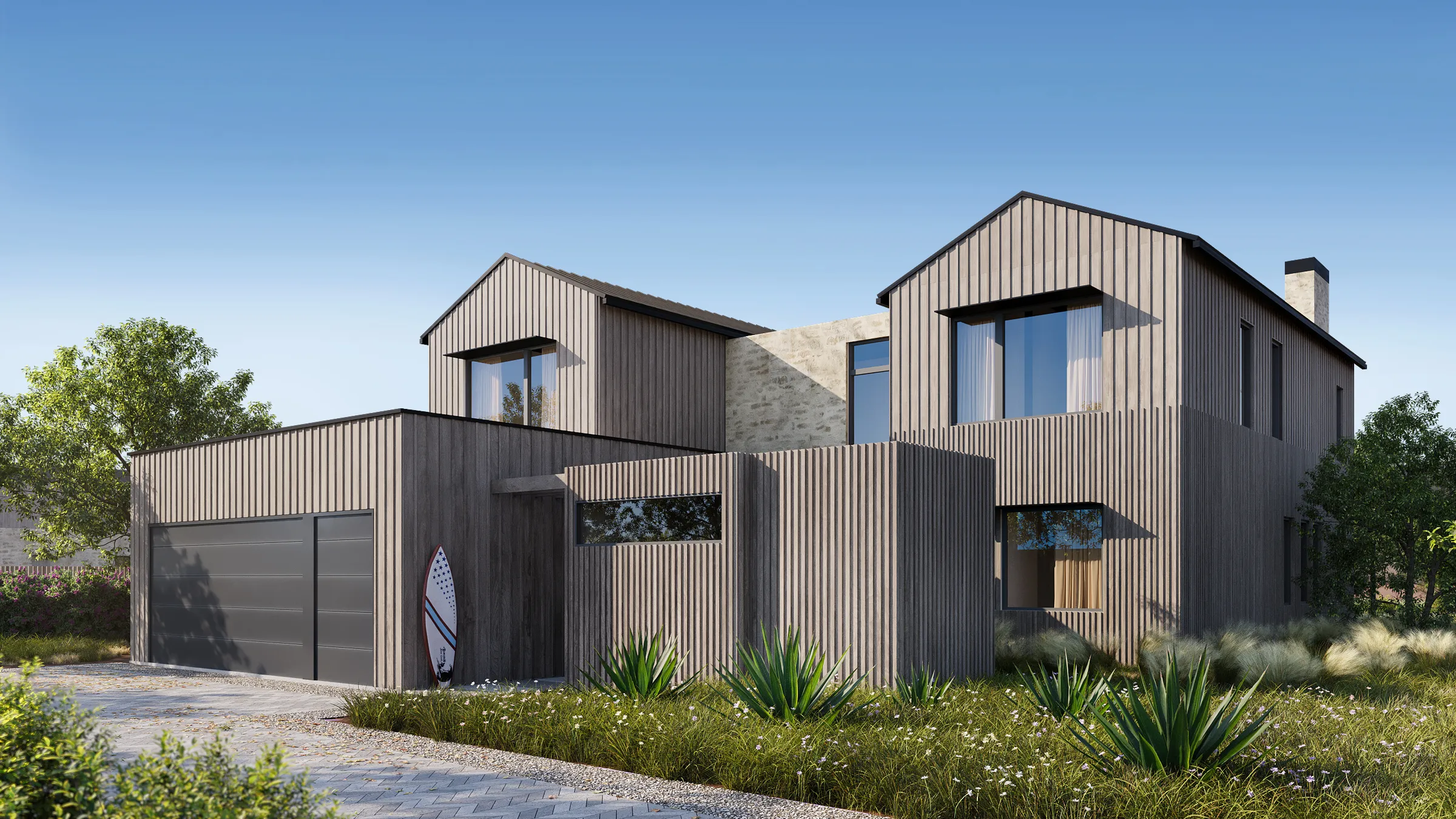
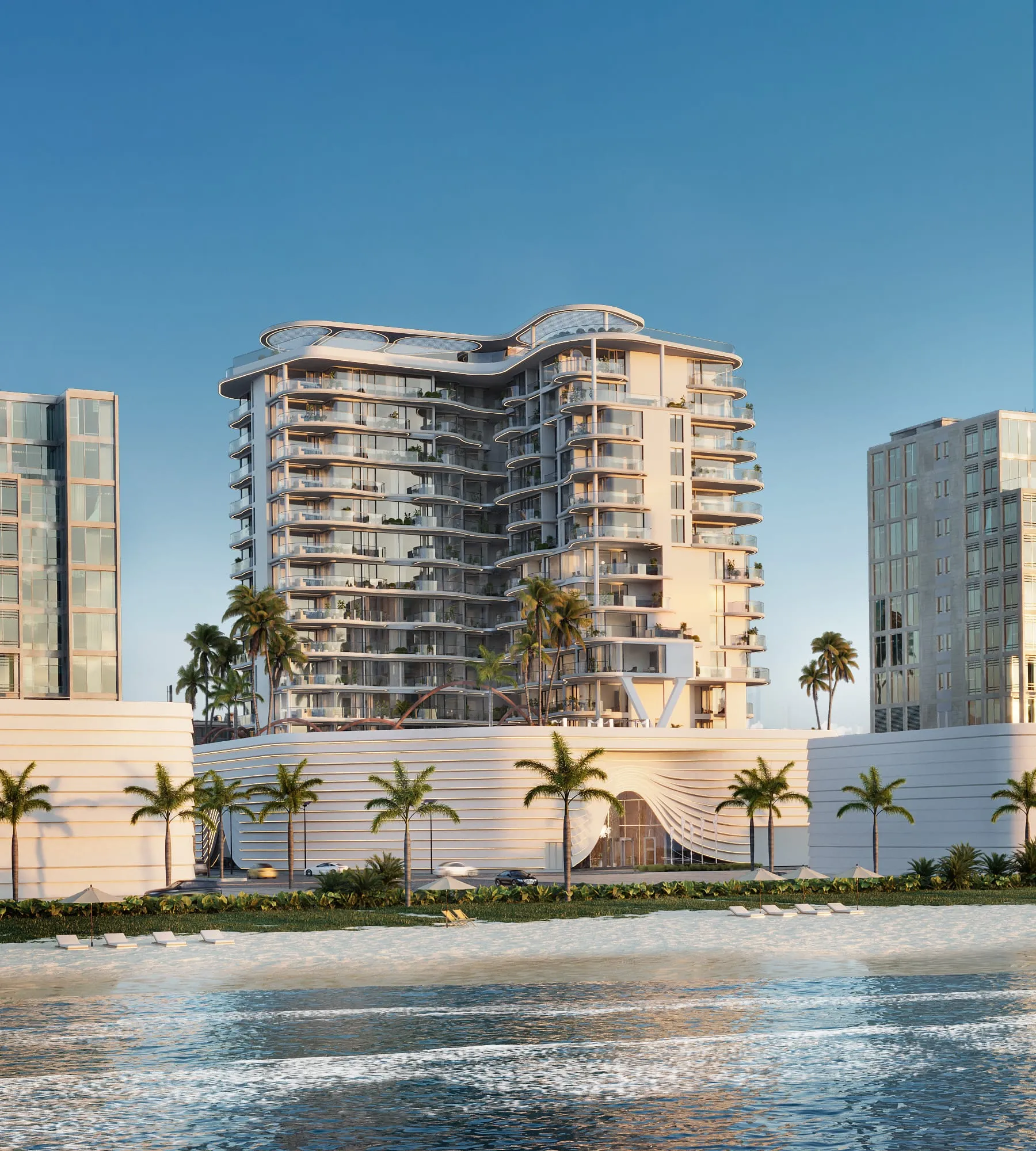
We regularly work alongside the other parties on these projects. At Sankari Place we took over from a previous agency and remodeled the tower from the latest Foster + Partners Revit file. At Esmé Beach Residences, a wellness-led condominium on Dubai Islands, we produced 18 renderings for a branding agency whose name stays confidential, while the brand itself was still taking shape. At Austin Surf Club, a Discovery Land Company community in Texas, 40 renderings across 20 homes ran through one consolidated feedback channel owned by the club's director of architecture and design, with every home approved on a white model before color.
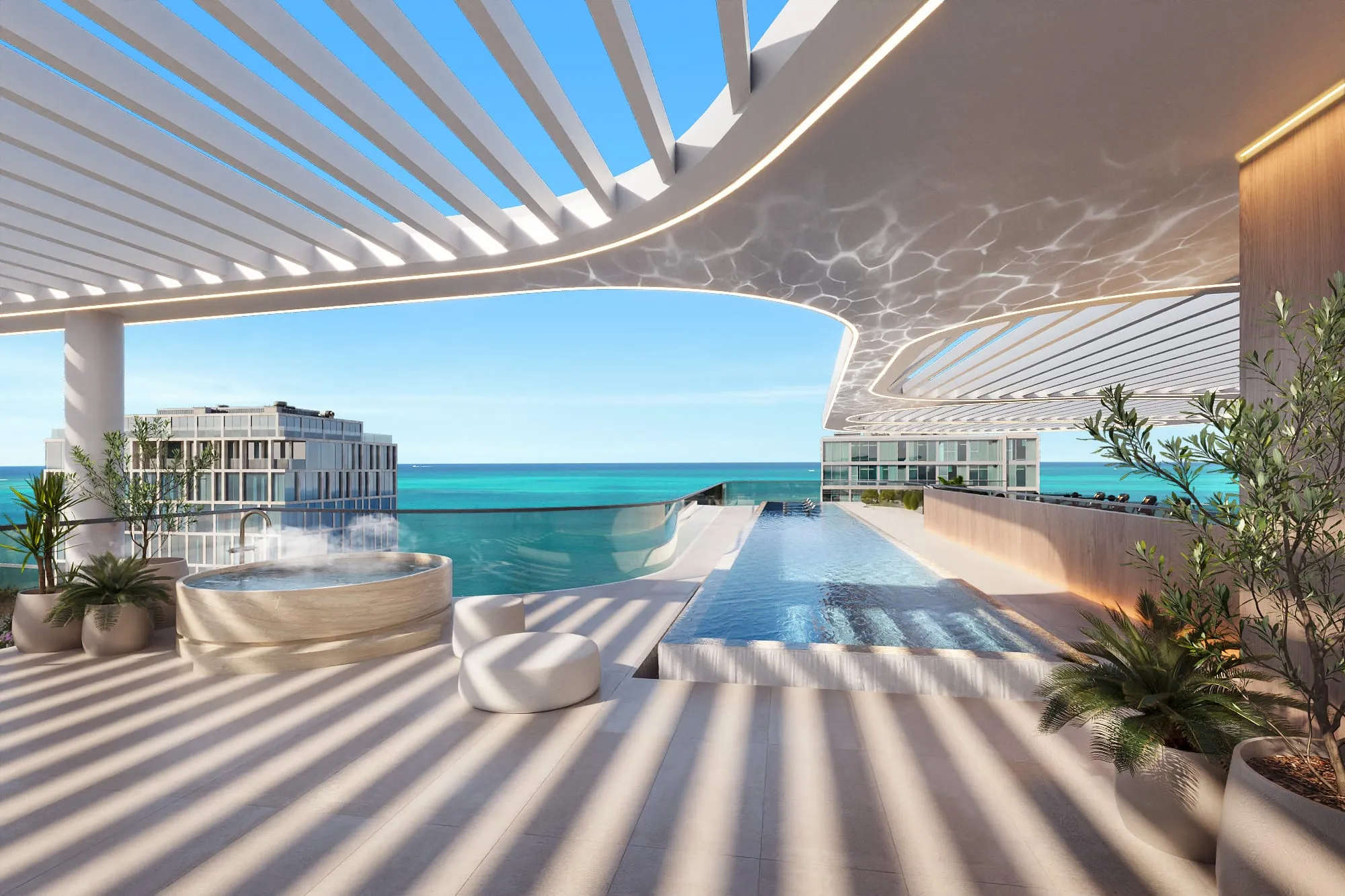
Pricing. Branded work is scoped to the launch, the phases, and the audiences, so we do not publish a price for it. Scope and pricing are set on the discovery call.
[ Selected work ]
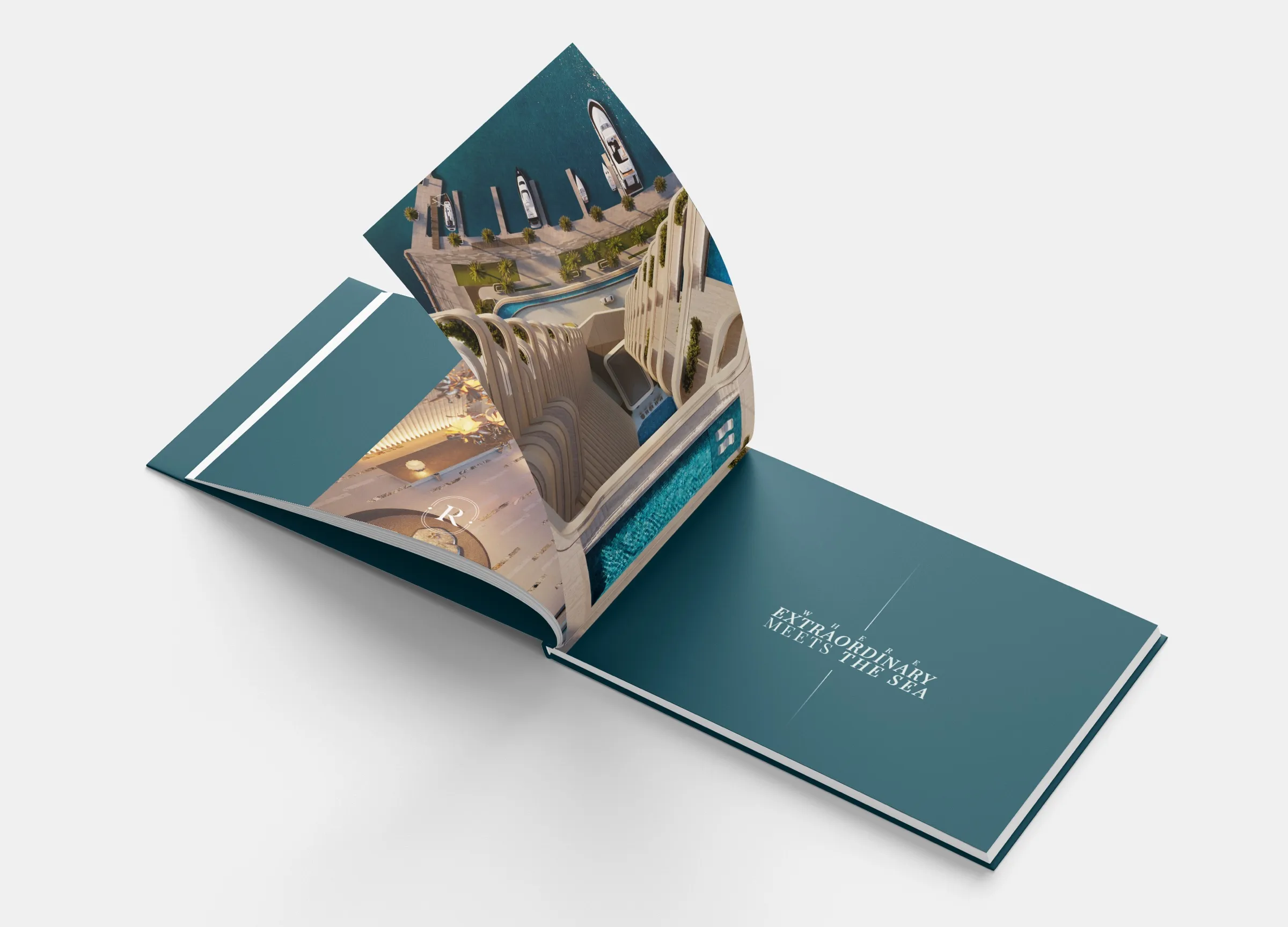
Branded, brand-standard, and multi-stakeholder projects.
Frequently asked questions
What is a branded residence?+
A home, usually in a condominium or villa development, that carries the name of a hotel or lifestyle brand and is often managed or serviced under that brand. For the imagery, that means the operator brand standard applies from the first rendering.
When should visualization start on a branded residence launch?+
Before the announcement date is fixed. Work back from it: the capital set usually comes first, then the teaser for the announcement, then the full sales set. Build the operator's marketing review into that schedule from the start.
How are renderings for a branded residence different from ordinary luxury condo renderings?+
They are held to the operator's brand standard, not only to the developer's taste. The renderings have to follow the operator's brand guidelines and often its photography guide, and they are reviewed by the operator's brand or marketing team as well as the developer. A rendering can look luxurious and still be off brand, so the brand book is treated as the brief from the first conversation.
Who approves the renderings on a branded residence project?+
Usually the developer and the operator's brand or marketing team, with the architect, interior designer, and marketing agency also commenting. The way to keep that workable is one comments funnel: a single person on the developer's side gathers every party's notes and sends one consolidated round, and every camera angle is approved on a white model before any rendering begins.
What should the first phase of visualization include for a branded residence launch?+
A small set of priority hero images, and on larger launches a cinematic film, timed to the announcement. For Sankari Place, the first standalone Regent Residences, the first phase was 15 priority renderings and a film, with interiors and amenity views following for the sales stage.
Can the same renderings be used for capital partners and for buyers?+
Sometimes, but they are usually two different briefs. Capital-facing images argue that the project is feasible and worth funding, and often stay private until the financing and approvals are in place. Buyer-facing images are specific and aspirational, and they are timed to the sales calendar. Naming the audience for each image before it is briefed avoids a set that half-serves both.
Can you take over models or renderings from another studio?+
Yes. Sankari Place arrived with exterior renders from a previous agency built on an earlier facade and interior models without materials, so we remodeled the tower from the latest Foster + Partners Revit file, kept the approved interior design untouched, and rebuilt the lighting and camera angles. Send us what exists and we will tell you honestly whether to build on it or start clean.
Has NoTriangle worked on branded residences in the United States?+
Our operator-branded residence reference is Sankari Place in Dubai, the world's first standalone Regent Residences. In the United States, our work inside hospitality and club brand standards includes the Westin Vacation Club in Charleston, which went through Westin's formal brand review, and Austin Surf Club, a Discovery Land Company community in Texas.
[ Explore further ]
The branded launch series
Services
- Years in business
- 10+
- Projects delivered
- 500+
- Clients
- 150+
[ Start here ]
Every project starts with a discovery call.
Start with a discovery call. Bring the brand guidelines and the launch calendar, and we will map which images each phase needs and who has to approve them.
Book a call