
[ Pillar guide ]
Renderings for investor decks and capital raises.
Before a project sells a single home, it has to be funded. This is how 3D visualization earns its cost on the capital side: making an unbuilt asset legible to the investors, boards, and lenders deciding whether to back it, and de-risking the raise before the ground is broken.
By Lukas Berezowiec, CEO, NoTriangle Studio
Updated
[ Quick answer ]
For a capital raise, renderings make an unbuilt asset legible to the investors, lenders and boards deciding whether to fund it. A deck usually needs a small, accurate set: a hero exterior, an aerial or site-context view, a few amenity or lifestyle frames, and a phasing view for staged builds. Investors treat each image as a promise.
[ Start here ]
Renderings are not only sales material.
Most writing about architectural rendering assumes the audience is a buyer. At the scale where a project needs a capital stack, that assumption misses half the job. The same imagery that pre-sells homes also lands in rooms the sales team never enters: the capital partner meeting, the board deck, the LP update, the refinancing conversation. There it does something different. It shows the people funding the project what their money is building, before there is anything to walk through.
That is a distinct register. Capital-side communication is not marketing, and it is not decoration on a spreadsheet. It is the visual proof that the numbers describe something real and desirable. On a project measured in the tens or hundreds of millions, the cost of the imagery is a rounding error, and the cost of a raise that stalls because the story did not land is not.
[ Where it works ]
Where renderings do the work in a raise.
The same set of images earns its cost at five different moments across the capital lifecycle.
01
The deck and the offering itself
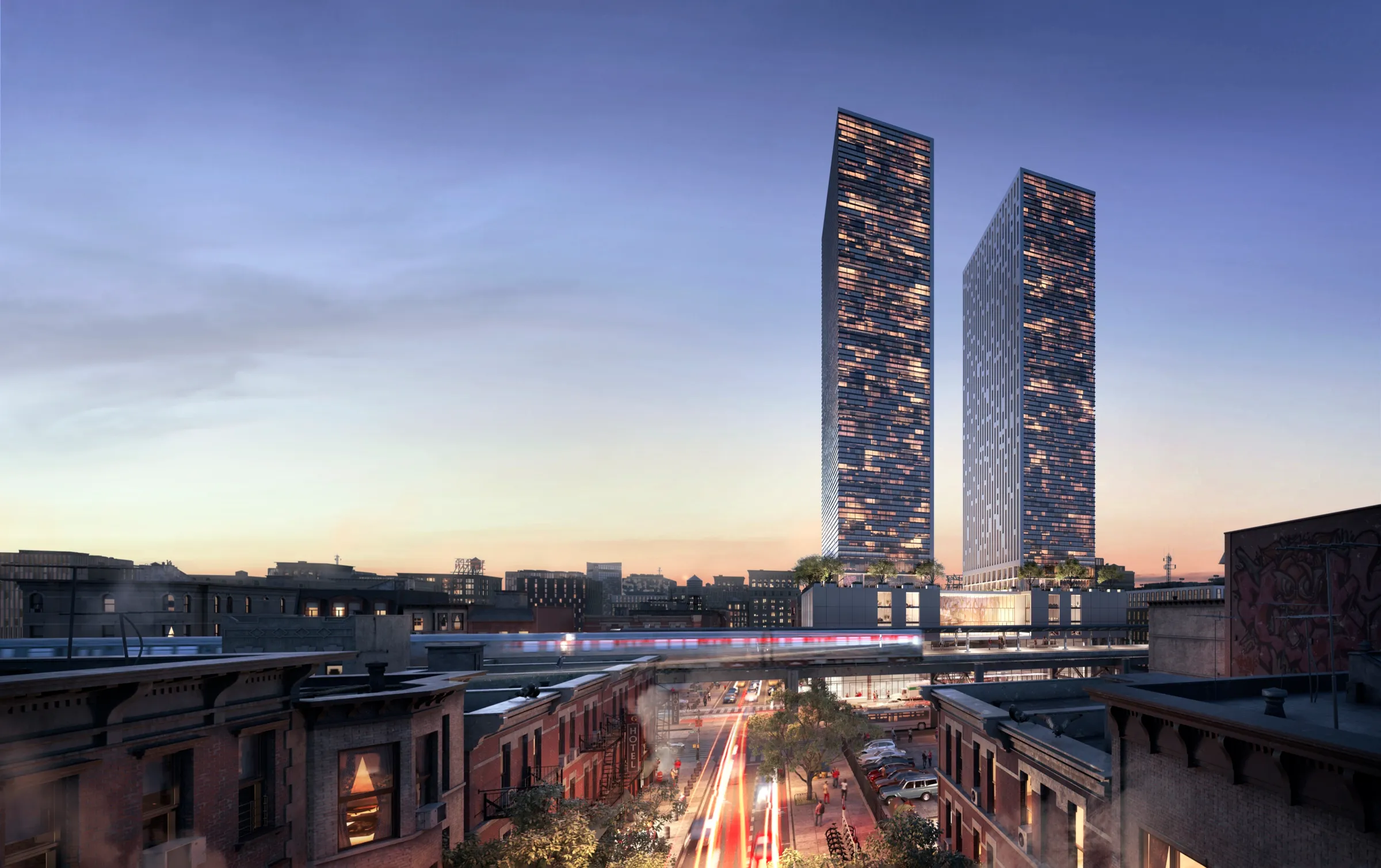
An investor deck or an offering memorandum lives or dies on whether the reader believes the thing will exist and will be desirable. A plan and a pro forma describe it; a rendering makes it real. The hero image is what an investor remembers after the meeting, and it is doing the work the finished building cannot yet do: proving the asset is worth funding before a single wall is up.
02
The capital partner and board meeting
At this scale the imagery lands in rooms the sales team never sees. Capital partners and boards want to see what their money is building, and a set of accurate, brand-level renderings answers the question a spreadsheet cannot: what will this actually be. It reads as institutional communication, not marketing, which is exactly the register these audiences respond to.
03
LP updates and refinancing
The same visual material keeps working long after the raise. It anchors LP updates through the construction window, and it supports refinancing conversations where a lender needs to understand the finished asset. Imagery built once, to the right standard, serves the whole capital lifecycle rather than a single moment.
04
Approvals and entitlements
Renderings that anticipate the questions of planning boards, design review committees, and approval authorities move through approvals with fewer rounds of questions. On a capitalized project that is not only a marketing benefit, it is a schedule benefit, and schedule is capital. Every week saved against the entitlement clock is carry that does not accrue.
05
Pre-sales as proof of demand
The strongest thing you can bring to a raise is evidence that buyers want the product. Renderings that pre-sell homes off-plan do double duty: they move units, and the resulting velocity is itself proof for the capital side that the pro forma is real. Demand you can show beats demand you can only forecast.
[ The deck ]
What actually goes in an investor deck.
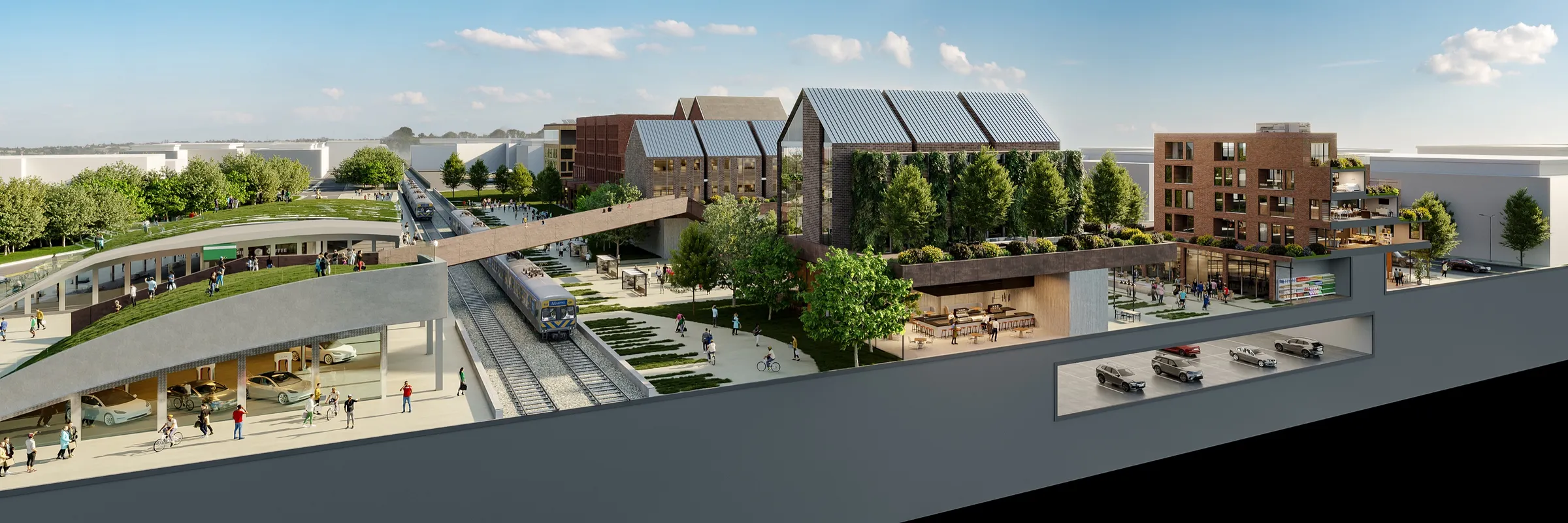
Not every render belongs in a raise. The capital side needs a small, deliberate set that answers an investor's questions in the order they ask them: what is it, where is it, and why will people want it. In practice that is a hero exterior that fixes the identity of the asset, an aerial or site-context view that shows the whole development and how it sits in its market, and a handful of amenity and lifestyle frames that signal the positioning the pro forma assumes. When the raise funds a staged build, a masterplan or phasing view earns its place too, because it shows capital exactly what a given tranche pays for.
The discipline is subtraction. A deck padded with twenty near-identical exteriors reads as thin, not thorough, while a tight set, each image chosen for the question it answers, reads as a team that knows its project. That is also why the imagery is best commissioned around the deck's argument rather than assembled from whatever renders happen to exist. The strongest capital decks we see use fewer images than the developer first expects, and every one is doing a specific job. The point of the set is not to show everything, it is to answer, cleanly, the three or four questions that stand between the room and a commitment.
[ By type of raise ]
Which images each kind of raise needs.
| Type of raise | Core images | Worth adding | What the investor is checking |
|---|---|---|---|
| Land or pre-development | Site-context aerial, massing or site plan, one concept hero | Before-and-after of the site | That the scheme fits the site and the rules |
| Construction equity, multi-unit | Hero exterior, aerial, key amenity, one typical unit interior | Short film (30 to 60 seconds) | The positioning the pro forma assumes; demand |
| Hotel, resort or branded residence | Hero, arrival, lobby, signature amenity, brand-standard frames | Operator-approved teaser film | That the imagery meets the operator's standard |
| Repositioning or value-add | Before-and-after pairs from the same vantage, lobby, upgraded unit | Dollhouse cutaway of a floor | That the capex plan is credible and buildable |
| Master-planned or phased | Masterplan or phasing view, aerial, phase-one hero | Site plan per phase | What each tranche pays for |
| LP updates and refinancing | Updated hero matching the current design | Progress-consistent views | That the asset delivered matches the one funded |
[ Animation ]
The film that does work stills cannot.
A short architectural animation, thirty to sixty seconds, does something in a capital meeting that no still can. It resolves scale and sequence: how you arrive, how the spaces connect, how an amenity deck relates to the units above it, how the site reads from the air down to the street. For an asset that does not yet exist, that continuity is often what moves a room from interested to convinced, because it answers the spatial questions an investor cannot put to a floor plan.
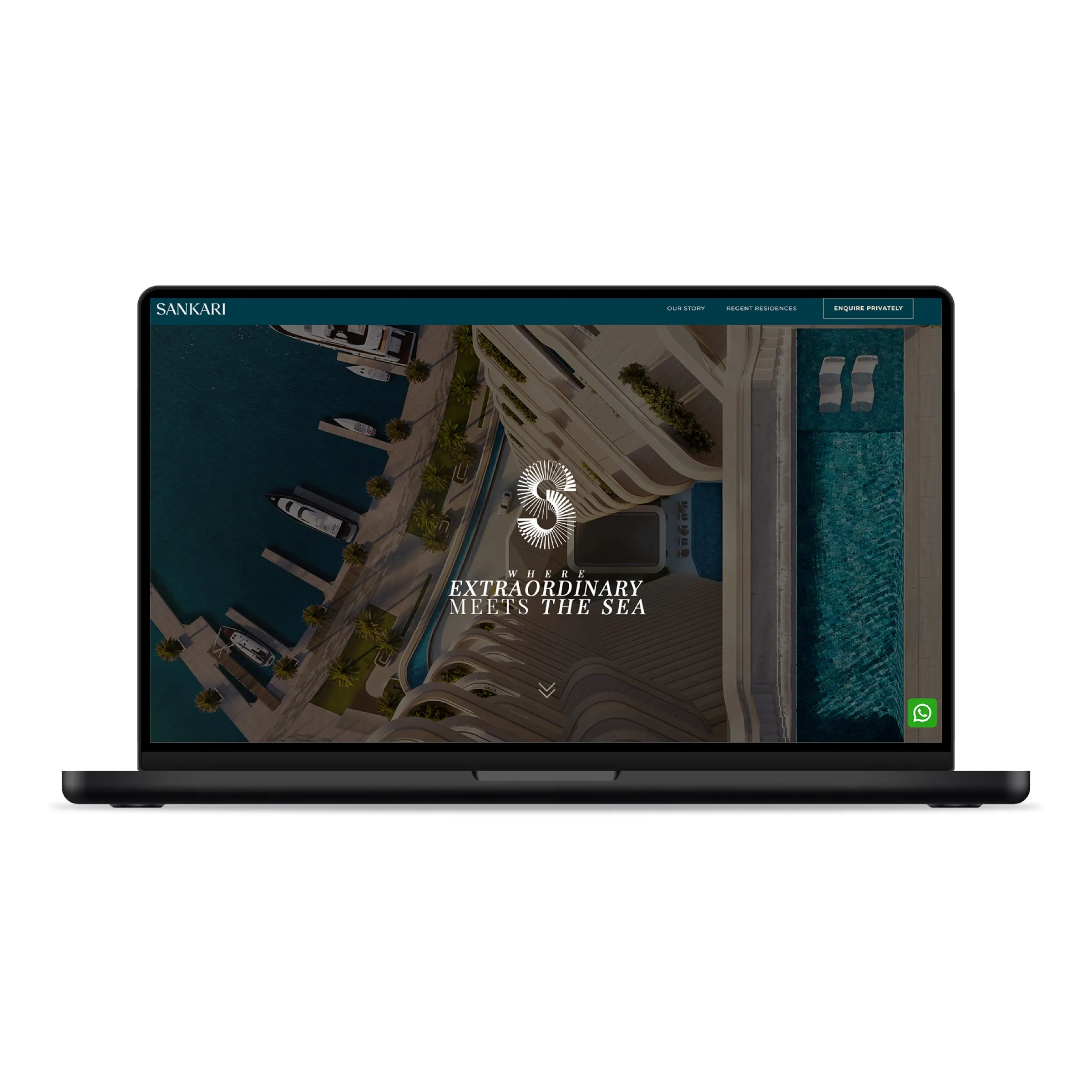
It is also the piece that travels furthest. A film runs in the pitch, embeds in the deck, opens an LP update, and anchors the PR launch months later. Because it is built from the same model as the stills, it is produced as an extension of the set rather than a separate commission, which is the efficient way to get motion into a raise without paying twice for the modeling. Our Clear Creek and Sankari Place projects both pair a film with the still set for exactly this reason.

[ Accuracy ]
A board asks harder questions than a buyer.
Accuracy matters more on the capital side than anywhere else, because an investor treats the image as a promise and a board scrutinizes it. A buyer wants to fall in love with a home; an underwriter wants to know that the thing depicted is the thing that will be built, at the cost in the model, at the standard the brand implies. An image that looks plausible but does not hold up against the real design is worse than no image, because it invites exactly the questions you least want to answer in that room.
This is where automated, AI-generated imagery falls short for institutional use. It can explore a look, but it produces pictures that come apart under an approval board's questions or a capital partner's due diligence. Presale-grade and investor-grade accuracy, a result that matches the real design and the developer's brand, comes from a human, process-led team. On a project where the image has to be true, that is the whole point.
[ Stakeholders ]
The imagery is the alignment artifact.
A capitalized project has stakeholders, and every one of them has notes. The operator brand. The capital partners. The marketing agency. The architect of record. Each set of notes matters, and scattered feedback across all of them is the most consistent way a project bleeds rounds and blows its budget. The renderings, handled well, become the thing everyone aligns on rather than another thing to argue about.
Two habits make that work. First, a stakeholder moodboard before any modeling begins, where operator, marketing, architect, and capital lead agree the visual language in the room, so the misalignment that kills timelines never appears. Second, a single comments funnel: one channel, one consolidated round of notes, one decision per round. And the white-model preview is the gate where everyone signs off on what each image will show before a single texture is applied. That discipline is what keeps a multi-stakeholder raise coherent.

[ Phasing ]
Deliver against the calendar, not all at once.
A project at this scale is not one decision, it is a program with a calendar of moments, each watched by a different audience. A capital close. Pre-construction approvals. A PR launch. A broker preview. A sales-phase rollout that can span years. Lease-up. The imagery should be phased to arrive when each milestone needs it, rather than produced in a single push that is stale by the time the sales phase begins.
In practice that usually means a hero image and a tight set for the raise and the launch, the full production set as the sales push begins, and interiors and amenity views as the program matures. Phasing controls spend as well as timing: you fund the imagery each milestone actually needs, in the order the calendar calls for it, instead of paying for everything up front.
[ The return ]
How the imagery pays for itself.
The return is not aesthetic, it is financial and it is measured in risk removed. Investor-grade imagery makes the asset legible, which shortens the distance between the pitch and the commitment. It means fewer approval rounds, which protects the schedule and the carry. And when it is also pre-selling homes, it produces the demand evidence that de-risks the pro forma for the capital side. Each of those is a lever on the outcome of the raise, not a line on the marketing budget.
Set against the capital stack of a development measured in the tens or hundreds of millions, the visualization is a rounding error, and it touches the moments that decide whether the project gets funded and on what terms. That is the ROI case, and it runs alongside the sales-side argument in our guide to pre-selling with 3D visualization and the cost logic in what premium 3D rendering costs, and why.
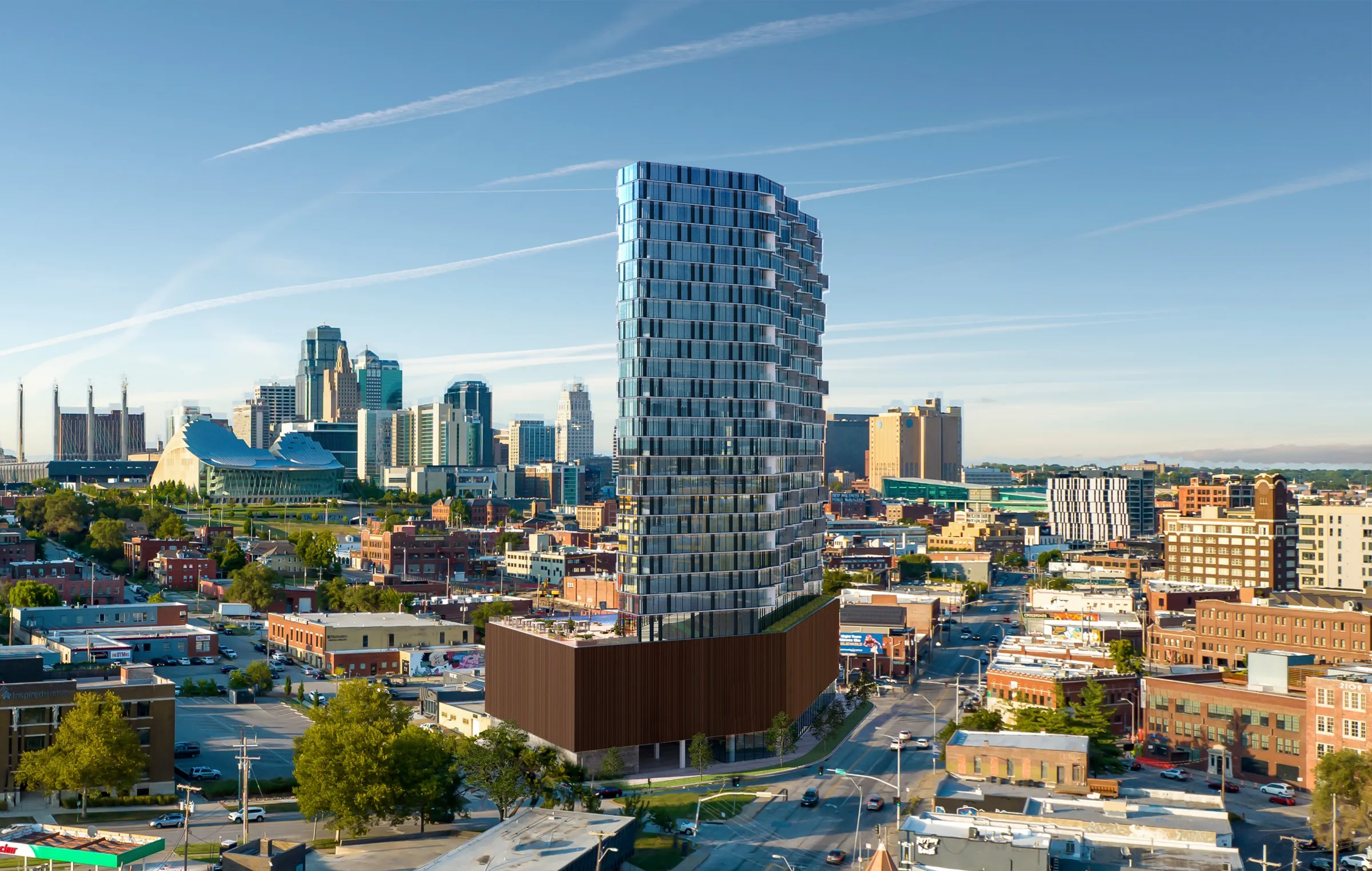
The pattern is visible across our work. At Clear Creek in Lake Tahoe, a home marketed largely through its renderings, a 60-second film, and a VR tour sold in 2025 while it was still nearing completion, a record sale for Northern Nevada outside the Tahoe Basin. Villa Solene at Apes Hill, Barbados, sold before it was built, on its renderings and floor plan. In both cases the commitment did not wait for a finished building, and neither would the capital case behind a project like it. That is the argument in one line: when the imagery is good enough, the decision, whether a buyer's or an investor's, does not have to wait for completion.

[ Common mistakes ]
Where capital-side visualization goes wrong.
The failures are consistent, and every one of them is avoidable with the right studio and the right sequence.
- Pretty but inaccurate. Images that flatter a design they do not match invite exactly the due-diligence questions you least want in a capital meeting. On the capital side, accuracy is credibility.
- Over-promising the spec. Renderings that imply a finish level the budget will not build set up a gap between the raise and the delivered asset, and that gap becomes the developer's problem later.
- Brand drift across the deck. When images come from different sources or different moments, the inconsistency reads instantly to an institutional audience and undercuts the sense that the project is under control.
- Leaving it too late. Imagery commissioned after the raise calendar is already set arrives rushed or incomplete, and a rushed hero shot is the most expensive place to cut a corner.
- Too many images, too little argument. A deck padded with near-identical views reads as filler. A tight, deliberate set reads as a team that knows exactly what its project is.
- Filing it under marketing. Booked as marketing spend, the imagery gets value-engineered first. On a capitalized project it sits closer to a cost of capital, because it moves whether, and on what terms, the project gets funded.
[ Institutional-scale work ]
Work built for the capital and sales calendar.
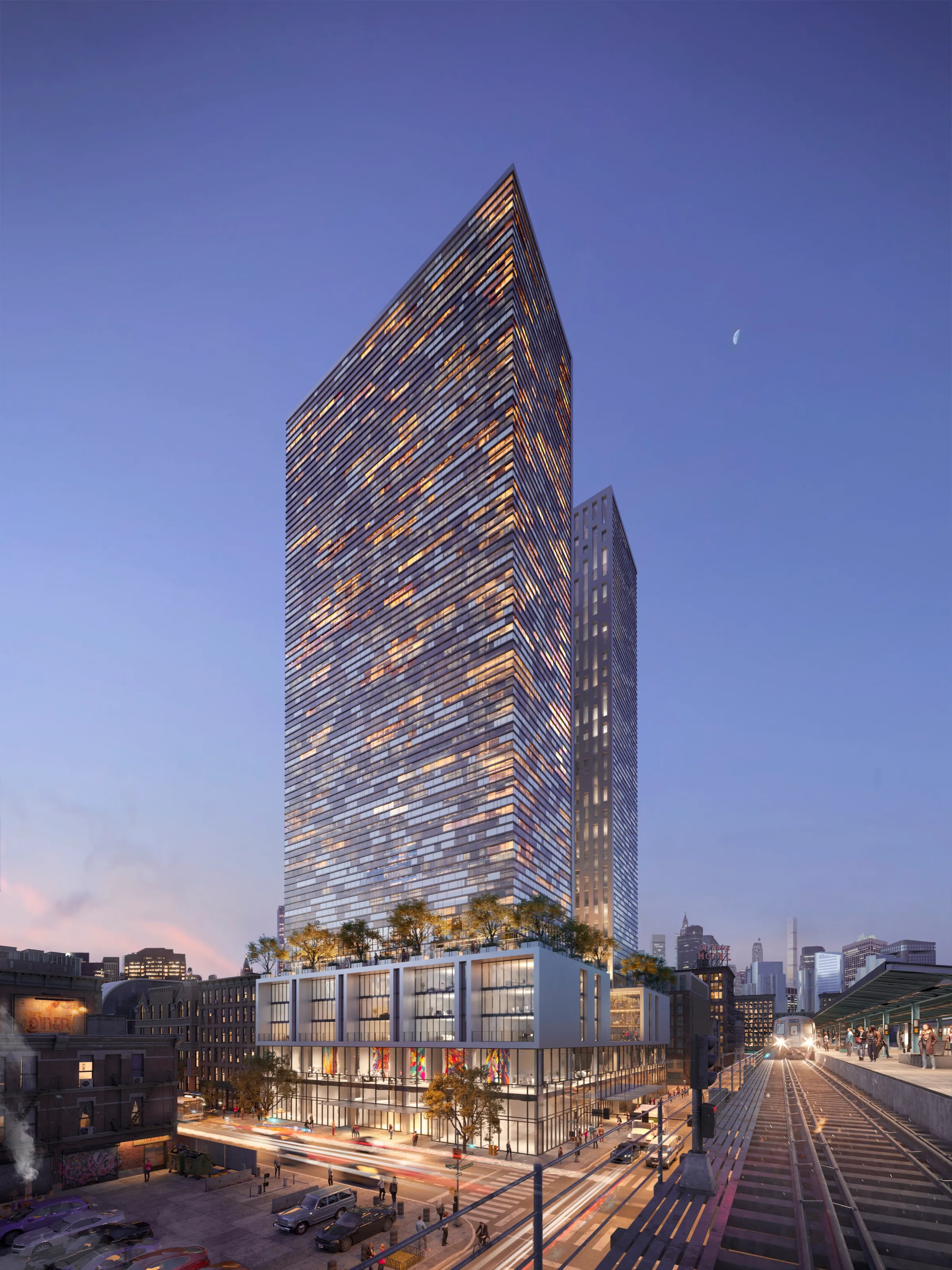

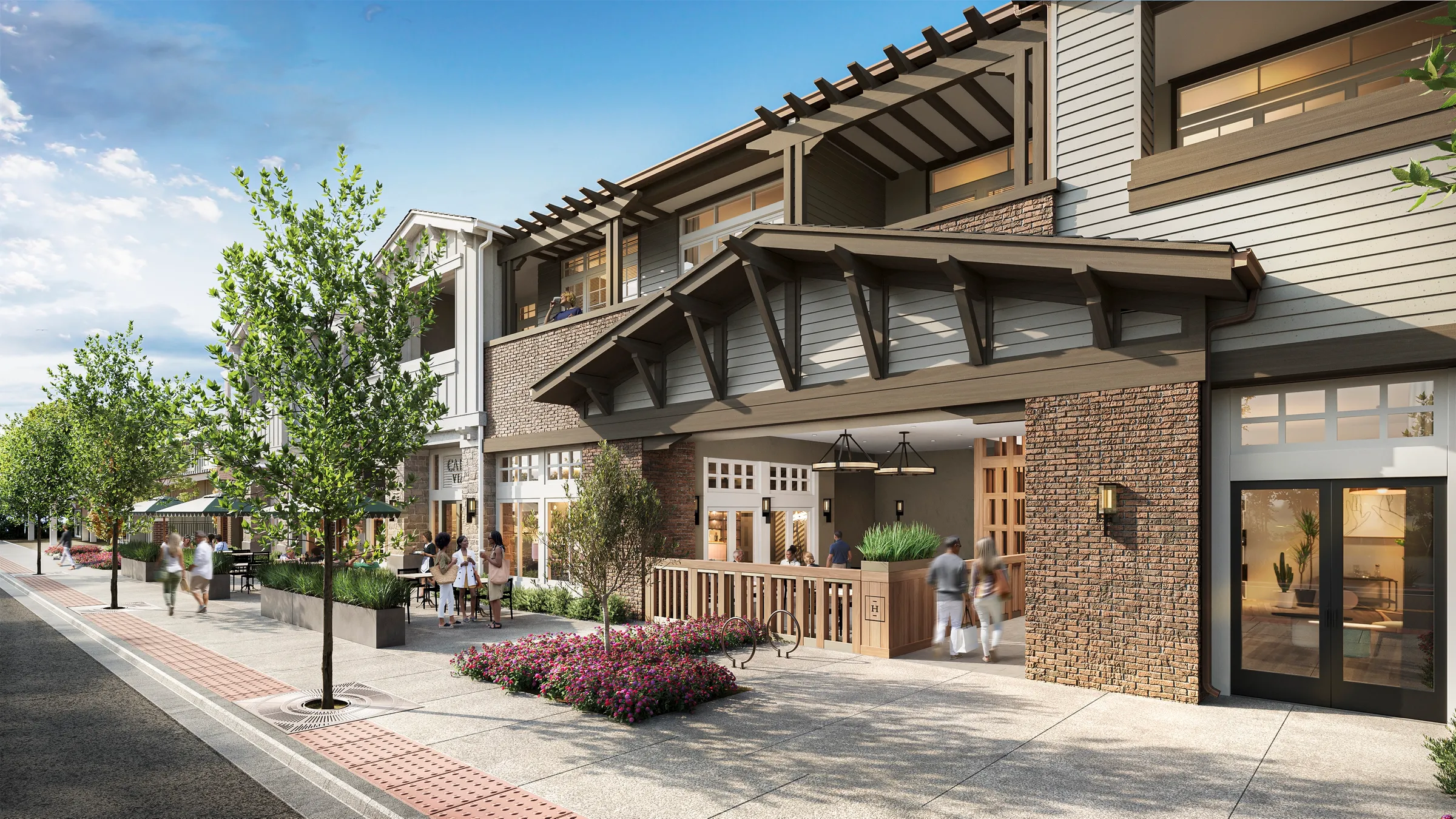
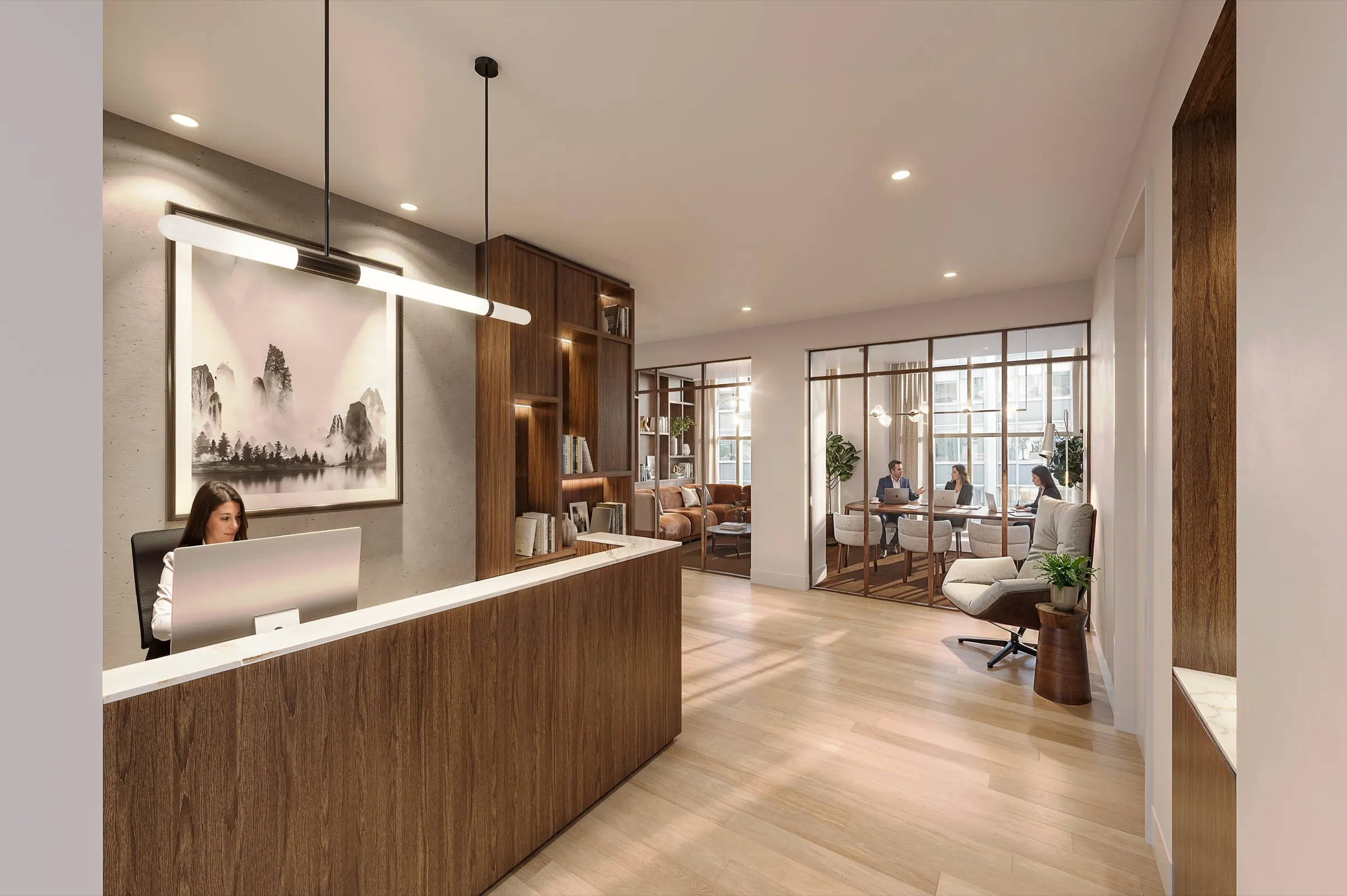
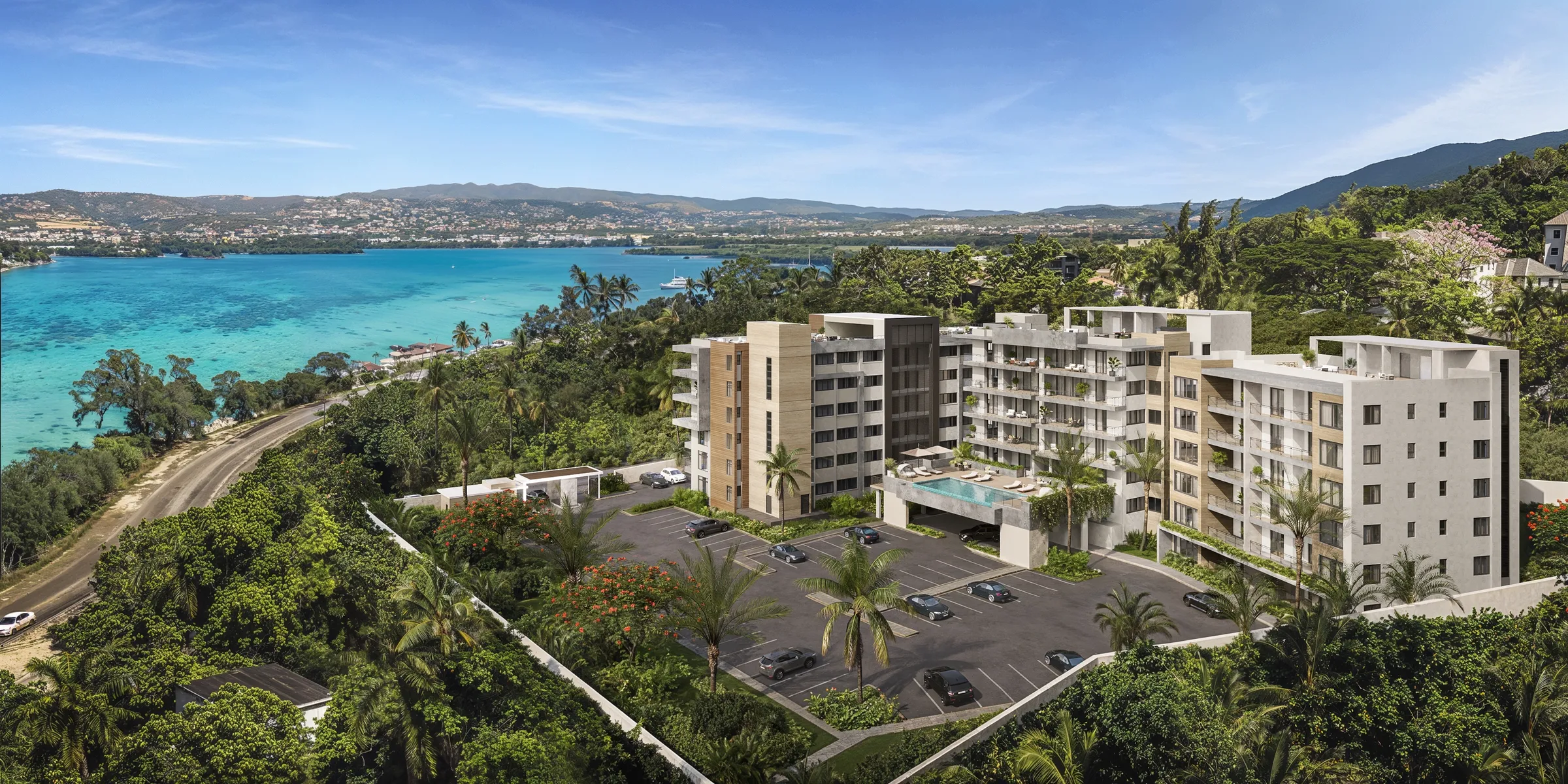

Frequently asked questions
Why do capital partners and investors need renderings?+
Because they want to see what their money is building before construction begins. At this scale the visual material lands in board meetings, LP updates, and refinancing conversations, not only in sales material. It is institutional communication, and it answers the question a pro forma cannot: what will this actually be.
What makes a rendering investor-grade rather than just a sales image?+
Accuracy that survives a board's scrutiny, polish that holds the brand bar the audience expects, and a set built to work across the whole capital and sales calendar. An investor treats the image as a promise, so it has to be true to the real design, not a plausible-looking approximation.
Can renderings help close a capital raise?+
They de-risk it. Renderings make the asset legible to people deciding whether to fund it, and when they are also pre-selling homes off-plan, the resulting velocity is proof for the capital side that demand is real. Demand you can show is stronger than demand you can only forecast.
Who signs off on the imagery on a multi-stakeholder project?+
Usually the operator brand, the capital lead, the marketing agency, and the architect of record, each with notes that matter. We run a stakeholder moodboard before any modeling and a single comments funnel through production, so the imagery becomes the artifact everyone aligns on rather than another thing to argue about.
Do renderings help with approvals and entitlements too?+
Yes. Imagery that anticipates the questions of planning boards and design review committees means fewer approval rounds, and on a capitalized project schedule is capital. Every week saved against the entitlement clock is carry that does not accrue.
How many renderings does an investor deck need?+
Fewer than most developers expect. A deck answers three questions, what it is, where it is and why people will want it, so a hero exterior, an aerial or site view and a few amenity or lifestyle frames usually cover it. Add a phasing view when the raise funds a staged build.
When should renderings for a raise be commissioned?+
Before the raise calendar is fixed. Work back from the first capital meeting, leaving time for the white-model approval and one consolidated round of notes from every stakeholder. Imagery ordered after the dates are set tends to arrive rushed, and a rushed hero shot is the most expensive place to cut a corner.
Can the same renderings be used for investors and buyers?+
Often the core set can, but the briefs differ. Capital-facing images argue feasibility and usually stay private; buyer-facing images sell a specific home and follow the sales calendar. Decide who each image is for before it is briefed.
How much does investor-grade visualization cost?+
It is quoted per project after a discovery call, because the right scope depends on the raise, the stakeholders, and the rollout calendar. Against a capital stack the imagery is a rounding error. For the ROI view see our guide on what premium rendering costs, and for general market ranges see the cost of renderings guide.
[ Proof ]
Who you would be working with.
- 10+ years in business, 500+ projects delivered, 150+ clients.
- Branded residential, hospitality, and mixed-use work delivered against PR, capital, broker, and sales-phase calendars.
- A team of twenty to thirty people, all in-house. No subcontracting, so accuracy and confidentiality stay under one roof.
- 40+ Google reviews, every one five stars. Read them.
[ Explore further ]
Who it's for
- Years in business
- 10+
- Projects delivered
- 500+
- Clients
- 150+
[ Start here ]
Every project starts with a discovery call.
Start with a discovery call. We will learn the project, the stakeholders, and the capital and sales calendar, and quote the work around the moments that matter.
Book a call