Taking over a Half-Built Model from Another Studio

Shane O'Leary · COO at NoTriangle Studio
Updated · 8 minutes
Key takeaways
A new studio can usually take over renderings another team started, and whether the existing 3D model can be reused or has to be rebuilt depends on the files.
- Point 01
- Yes, we take over another studio's work.
- Point 02
- If we have the working scene file, we do not have to rebuild from nothing.
- Point 03
- Send the full project archive: the model, the textures and the scene, not just the finished images.
- Point 04
- First sets usually fall short because they were flat, architect-made, or the vendor was not set up for the scope.
Yes, a new studio can usually take over renderings another team started. Whether the existing 3D model can be reused or has to be rebuilt depends on the files, so send the full project archive, the model, textures, and scene, not just the finished images. We assess it first and tell you plainly which route the project needs.
It is one of the most common calls we get. A developer or agent already commissioned renderings, from another studio, a freelancer, or their own architect, and the results fell short or the project stalled. They have spent money and time, they have a half-built 3D model sitting somewhere, and the question is always the same: do we really have to start over, or can you pick up what exists and finish it. The honest answer is that you usually do not have to start from scratch, but whether a handoff can reuse the existing work depends entirely on what you can hand over.
Below is how taking over another studio’s work actually goes: when the model can be reused, when it means a rebuild, what we need from you, and why the first attempt so often disappoints.
Yes, We Take over Another Studio’s Work
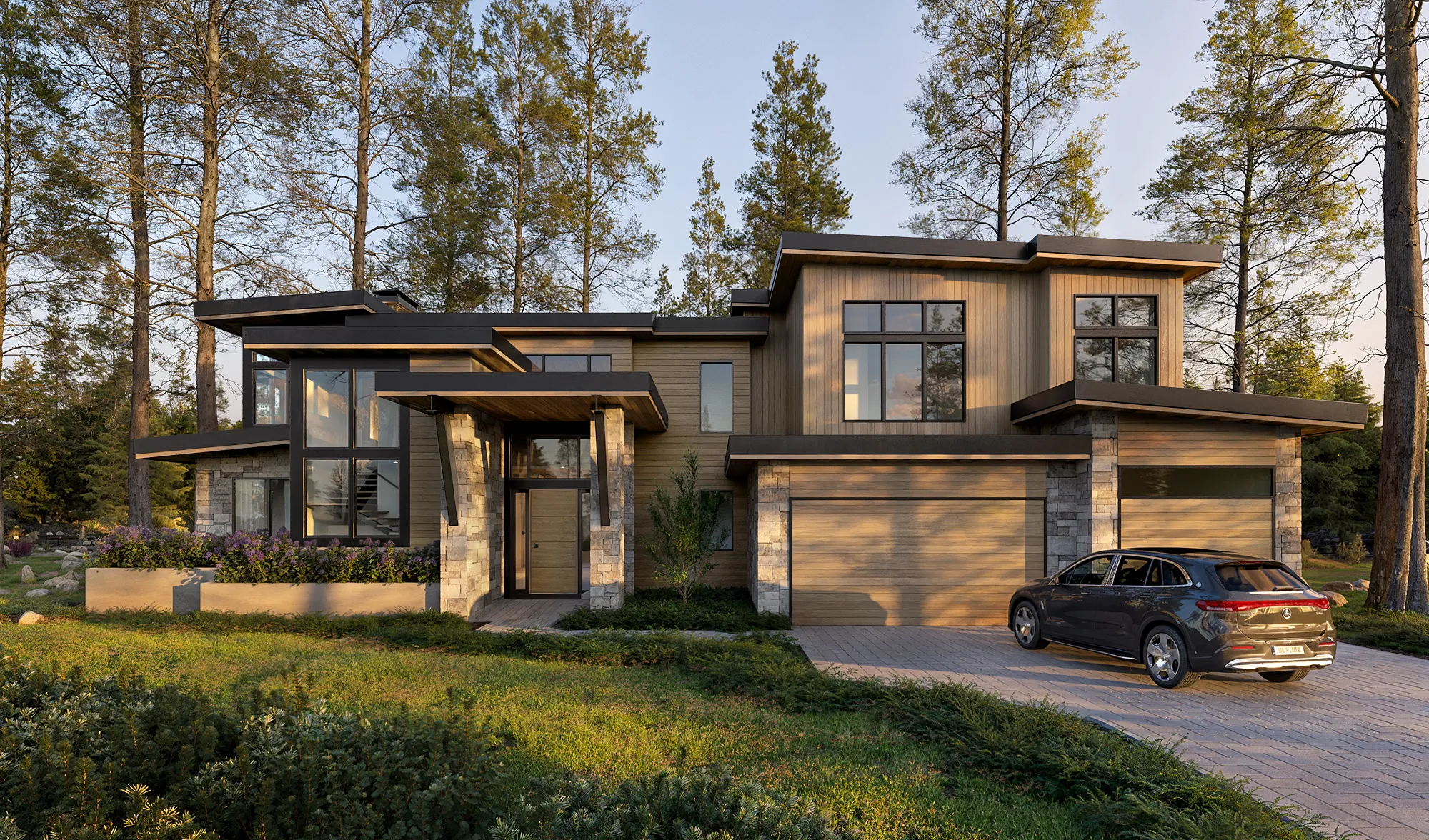
Picking up a project someone else started is a normal part of what we do, not an unusual favor. On one lake-community development, the client had renderings from a previous renderer that were close but, in the owners’ words, could feel more lifelike. They forwarded us everything they had, we took over the project, improved on what existed, and the building has since been built. That arc, inherit, improve, finish, is one we run often, and it usually ends better than the client expected when they called.
Clients ask the question directly, and they should. On one call, a developer put it plainly: can you use someone else’s rendering and not have to start from scratch, since we are inheriting a lot of assets from the original team. The answer, which our producer gave on that same call, is the honest one: it depends on whether we get the 3D model. If we have the working scene file, we do not have to rebuild from nothing and can build on what exists. If we do not, we have to recreate more of it. Everything about a takeover turns on that single fact.
When the Model Can Be Reused, and When It Means a Rebuild
The best case is that the previous team’s 3D scene is usable, and then a handoff can build on the existing work rather than starting fresh. As we have told clients, we do not always have to rebuild the models from scratch; often we optimize the model the client sends us. But there is a catch worth being clear-eyed about: optimizing an inherited model so it reaches a high level of photorealism is itself a considerable amount of work. A model built to look fine in a basic viewport is not the same as a model built to hold up under editorial lighting, and closing that gap takes real effort even when the geometry is all there.
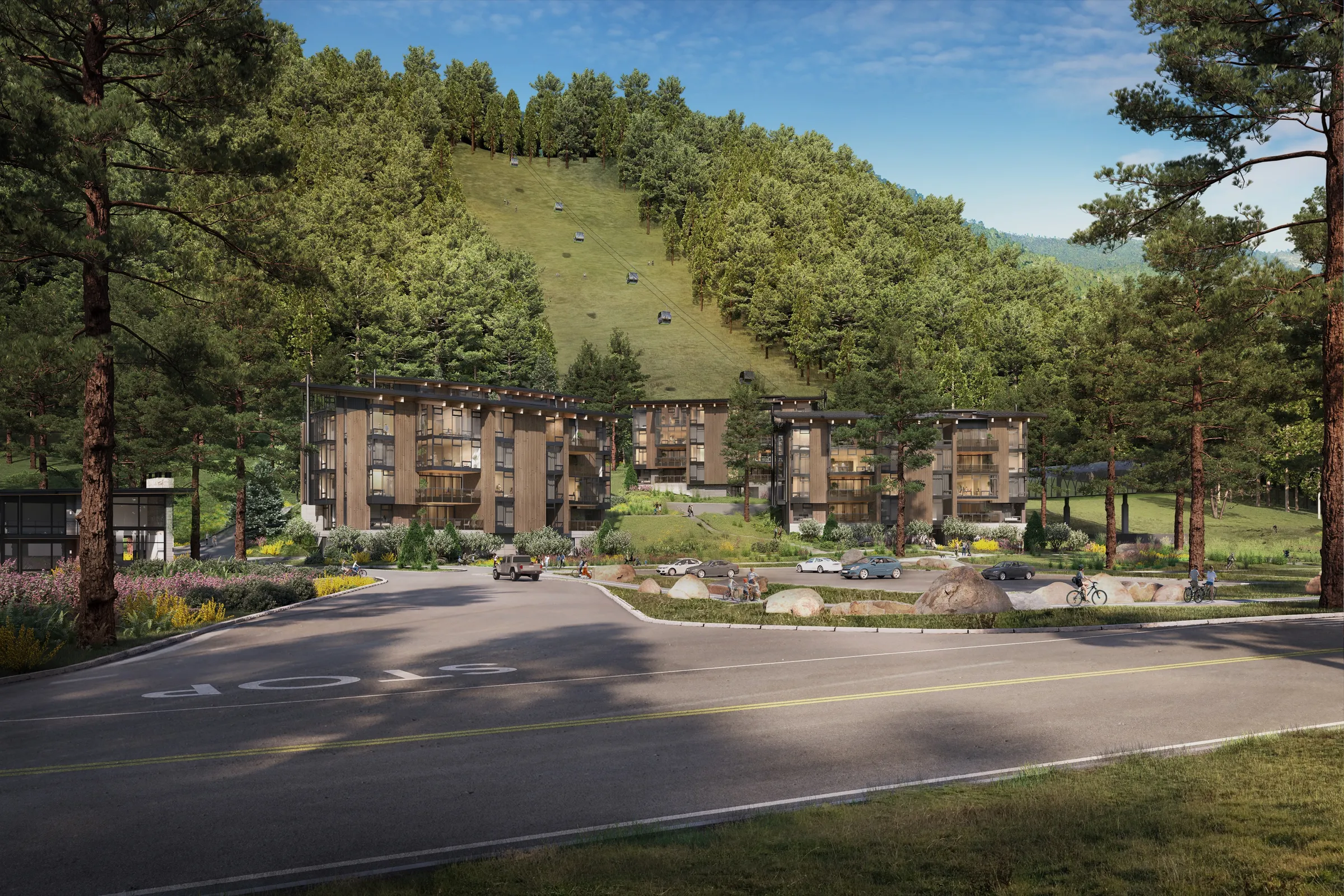
Sometimes the inherited files cannot be reused at all, and a good studio will tell you so up front. On one project we inspected the model the client sent and found it was not even the model used to make the previous renderings; its quality was too low to produce photorealistic images, so we had to rebuild. On another, the delivered model was poor enough that, practically speaking, we had to rebuild everything from scratch. There is also a consistent pattern with certain source formats: a standard architectural model exported straight from design software is often not built to the quality a photorealistic render needs, and it can be simpler to remodel than to fight an inherited file into shape. None of this is a reason to avoid a takeover. It is the reason to have us evaluate the files before anyone promises a timeline.
What We Need from You
The most useful thing you can do is get the full working project from the previous team, not just the finished images. When one luxury marketing agency asked exactly which files to request so we could take over and keep moving without starting over, our guidance was specific: have the other studio create an archive of the whole project, the model, the textures, the scene, and send it to us. That archive is what lets us evaluate the quality of their work, identify the bottlenecks, and see how to proceed. The finished JPEGs tell us almost nothing. The project files tell us everything.
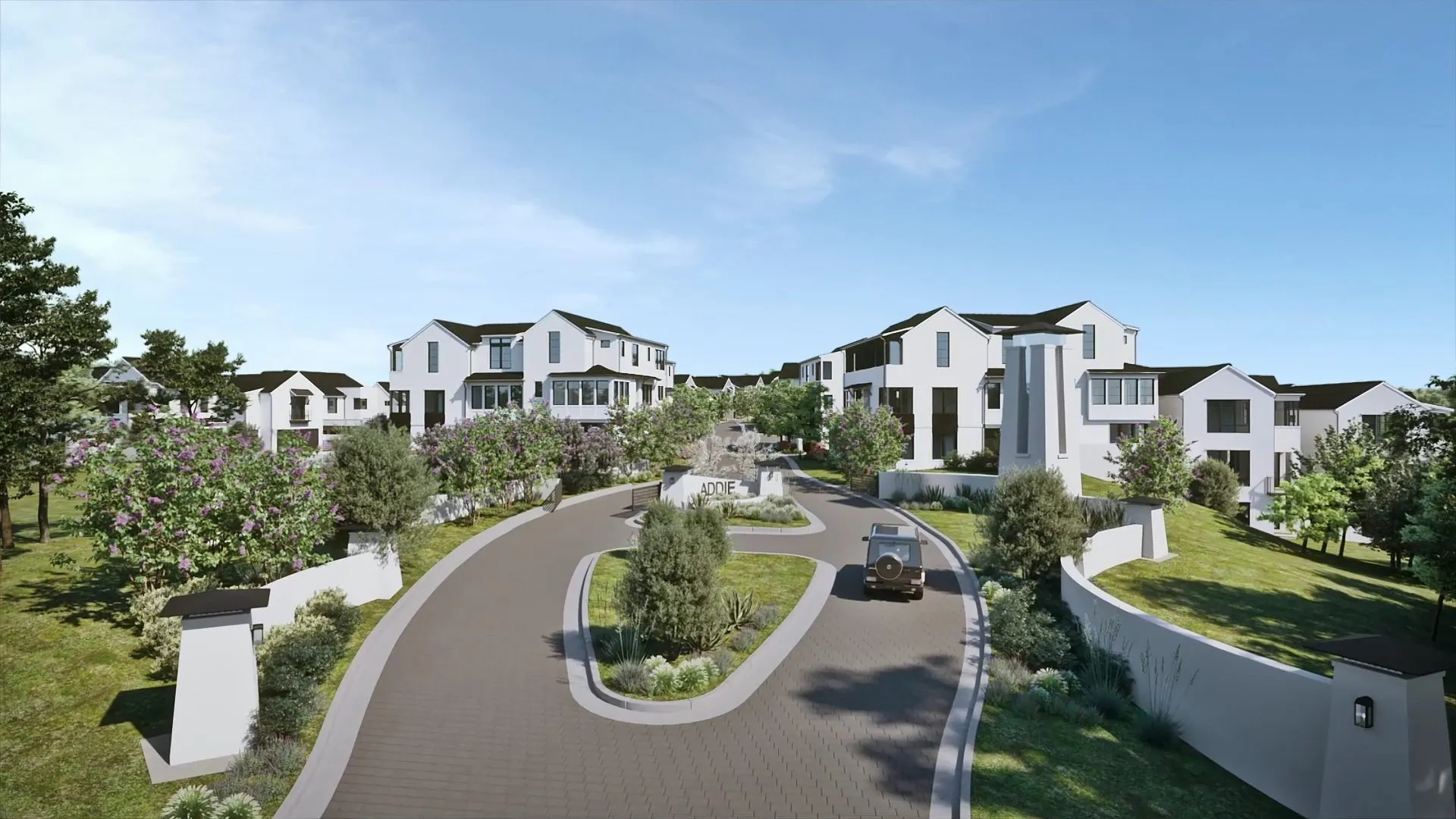
It is worth setting expectations on that handover honestly, because the format matters. Interiors generally take over more cleanly than exteriors. The render engine and the material shaders the previous team used can carry over, or can be incompatible enough that parts have to be rebuilt. Exterior context and landscaping are often where an inherited scene falls apart. We would rather flag those risks while we are quoting than discover them halfway through, which is why the first step in any takeover is us looking at the actual files and telling you plainly what we found.
Why the First Attempt Fell Short

There is usually a reason the first set disappointed, and it tends to fall into a few patterns. Sometimes the previous images were simply flat: one client called their prior renderings bland and handed over the source model so we could rebuild the look from it. Sometimes the exteriors were done by the project’s own architect, who did the building but does not do interiors or marketing-grade imagery, so a second studio is brought in to match and continue. And sometimes the first vendor was simply not set up for the scope, one person without a producer or a review process, which left the client managing every detail themselves. Taking that coordination off the client’s plate is a large part of why these projects come to us.
Whatever the reason, the point of a takeover is not to relitigate the past. It is to salvage whatever is genuinely reusable, rebuild whatever is not, and get you to imagery that actually matches the project. Some of our best-received work has started as somebody else’s unfinished file.
Bringing This to Your Project
If you have renderings that fell short, do not assume the money is gone or that you have to begin again. Ask the previous team for the full project archive, the model and textures and scene files, and send it to us to assess. We will tell you honestly whether the right route is to optimize what exists or to rebuild, and either way you end up with work that holds up. Starting from someone else’s half-built model is a normal beginning, not a compromise. If you have renderings that fell short, Book a call and send us the project archive; we will tell you honestly what can be reused.
For related reading, see how to choose a 3D rendering studio, when a studio or a freelancer fits the job, and the files needed for 3D rendering. If you are an architect handing off your model, see how we work with architects and designers.
FAQs
Can a new rendering studio take over a project another studio started?+
Yes, and it is a common request. If we receive the previous team's working 3D scene, we can often optimize it rather than rebuild it. If we only receive finished images, more has to be recreated. Either way, we look at the files first and tell you what can be reused before we quote.
What files should I request from the previous rendering studio?+
Ask them to archive the whole project: the 3D model, textures, materials, and scene files, plus the plans they worked from. Finished JPEGs tell a new studio almost nothing about how the images were built. The project archive shows the quality of the model and what can carry over.
Will the new studio have to rebuild the model from scratch?+
Sometimes. Interiors often carry over more cleanly than exteriors; exterior context and landscaping are where inherited scenes most often fall apart. A model built for a basic viewport may need considerable work to hold up under photoreal lighting, and a low-quality or mismatched model is simpler to rebuild than to repair.
Why do first rendering attempts fall short?+
Common reasons: the images were flat or generic, the architect produced exteriors but not marketing-grade interiors, or the first vendor was not set up for the scope and the client ended up managing every detail. A takeover keeps whatever is genuinely reusable and rebuilds the rest to the standard the project needs.