
[ Services ]
3D Product Rendering Services
Photorealistic product imagery built in 3D: studio shots, lifestyle scenes, exploded views, and colorways, produced entirely in-house by the same team behind our architectural work. No photoshoot logistics, no prototypes shipped across the country, and every asset stays editable for the next campaign.
[ What it does ]
What product rendering does for a brand.
A product render has one job: make the product look exactly the way it will look in the buyer's hands, and make them want it. That takes accurate materials, honest proportions, and lighting that flatters without lying. A render that oversells creates returns; a render that undersells never gets the click.
Working in 3D removes the constraints of a physical shoot. The product can be shown before it is manufactured, in any environment, in every colorway, from angles a camera cannot reach. When the design changes, the imagery is updated instead of reshot. One model becomes a library of assets that serves the product for its whole life.
- E-commerce and product pages
- Consistent, photorealistic imagery across the whole catalog: same lighting, same angles, same quality on every SKU. Renders are delivered to platform specs, so they load fast and look right on Amazon, Shopify, and your own store.
- Launch campaigns
- Hero shots and lifestyle scenes ready before the product exists physically. Marketing can start while manufacturing is still tooling up, and the launch imagery is not waiting on a prototype or a photo studio.
- Design and pre-production
- Photoreal images of a product that has not been manufactured yet. Design teams use them to align stakeholders, test reactions, and win approvals before committing to tooling and prototype costs.
- Catalogs, colorways, and variants
- Every color, material, and configuration from one 3D model, without a reshoot. When the product line grows or a finish changes, the existing scene is updated instead of rebuilt.
[ Selected work ]
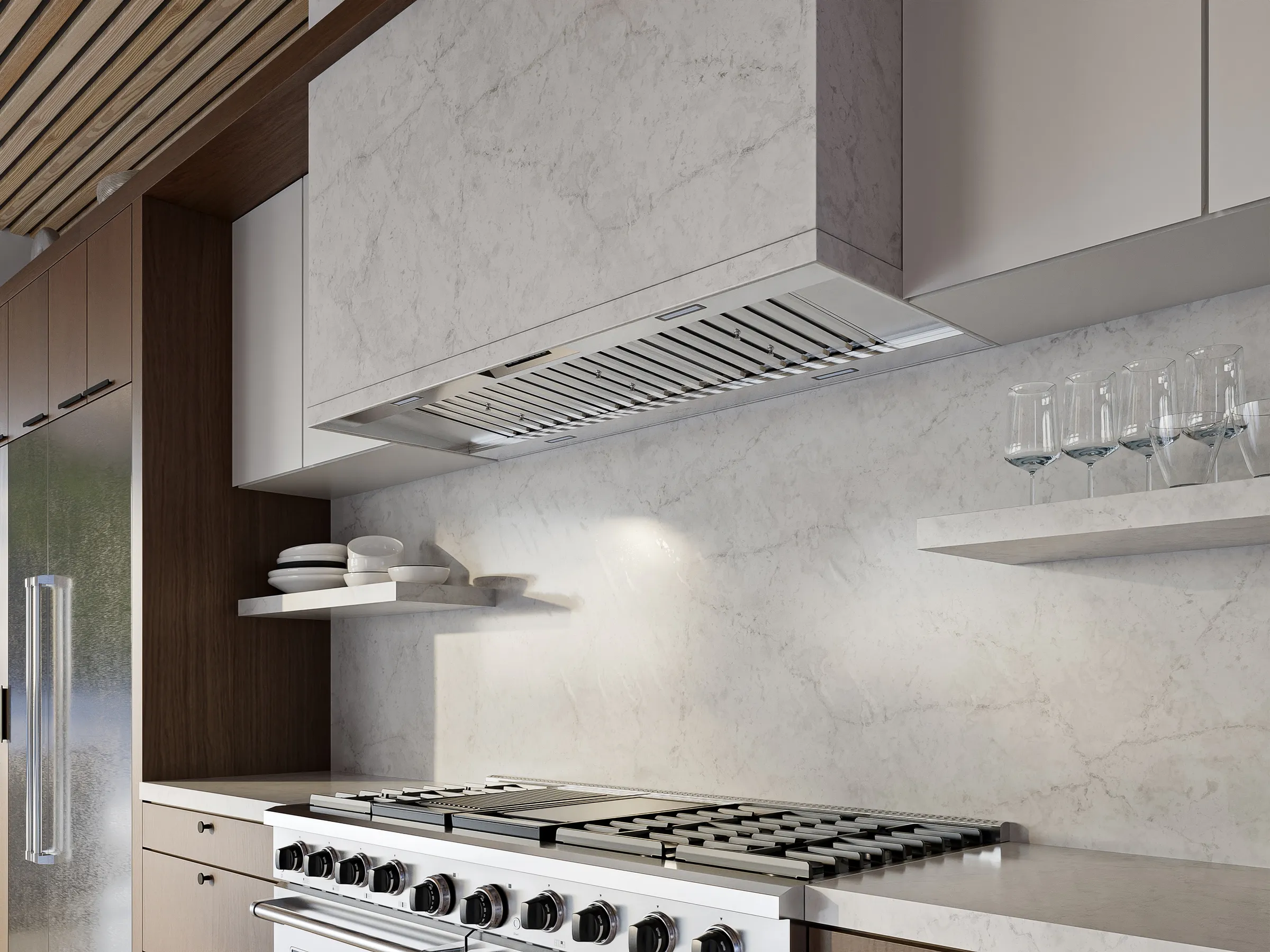
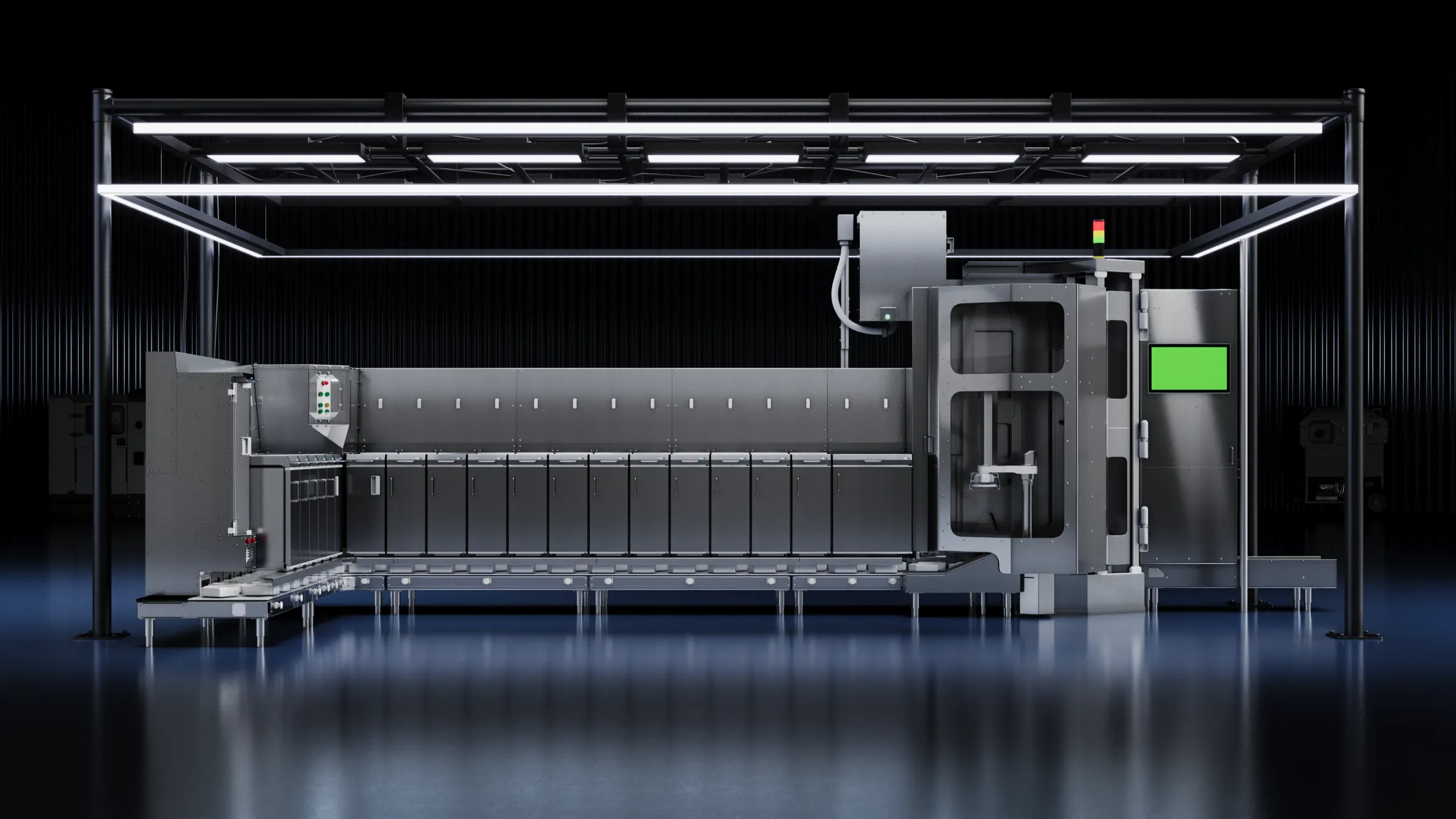
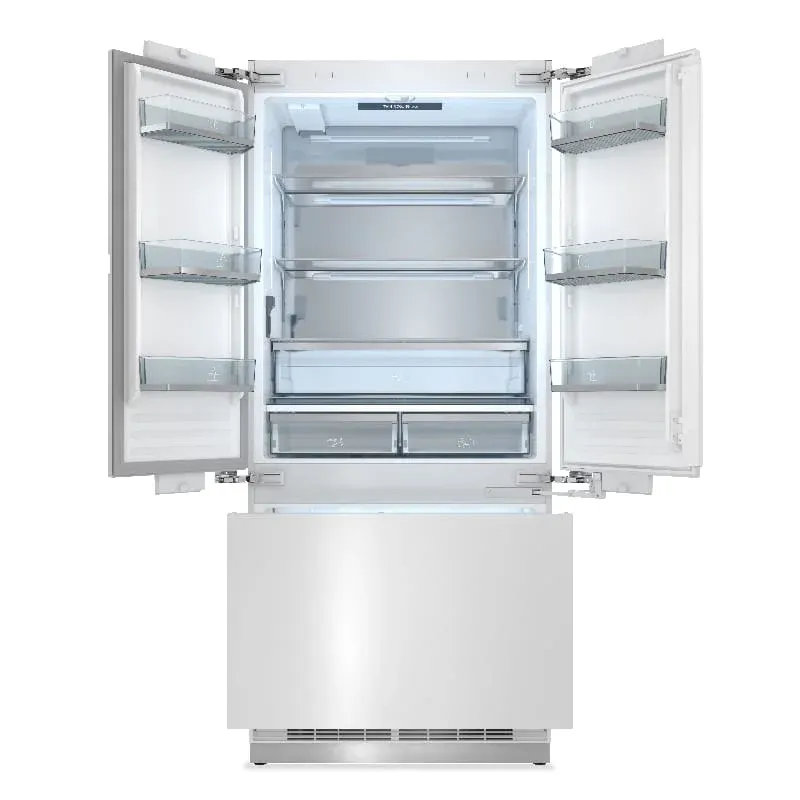
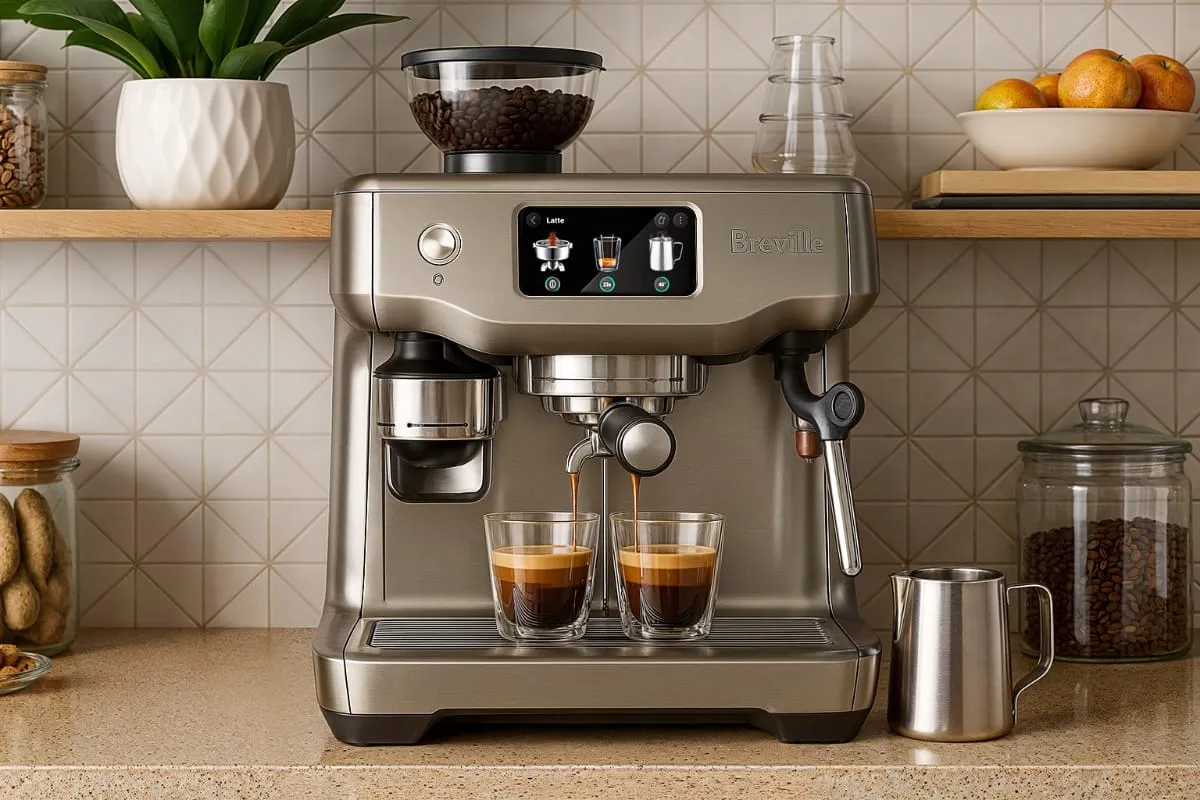
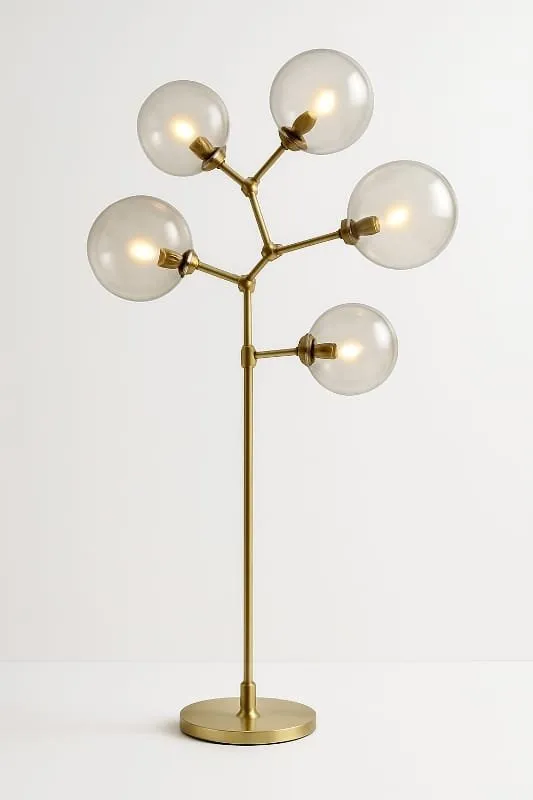
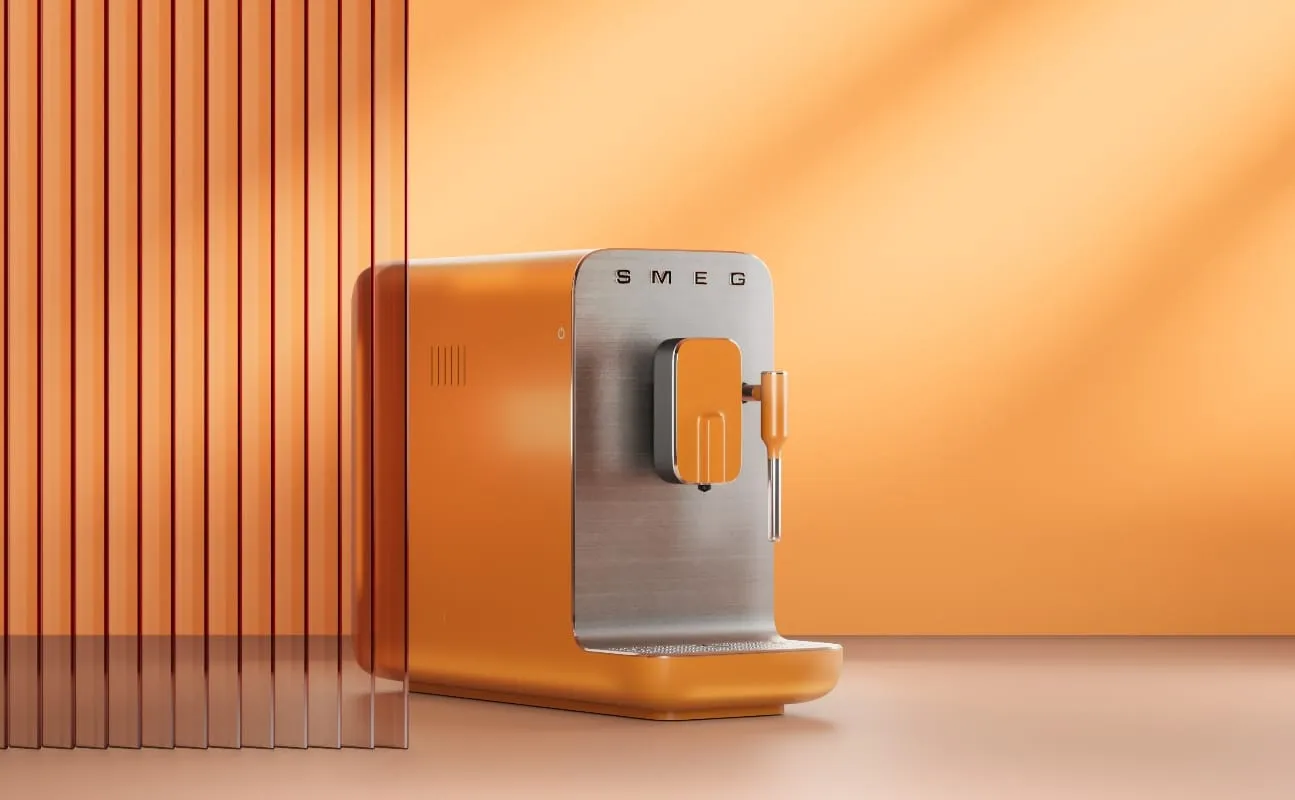
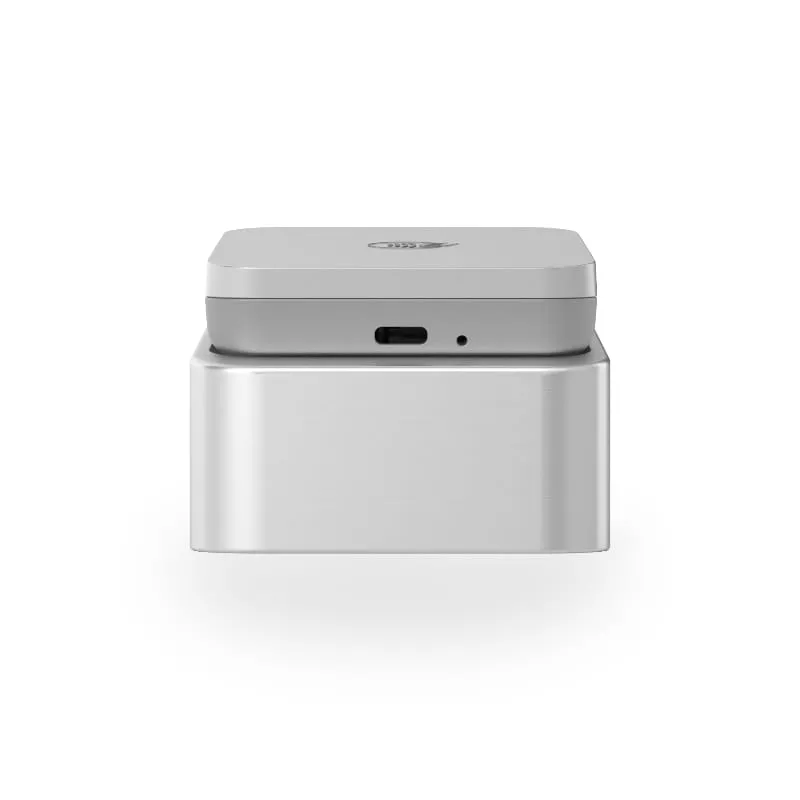
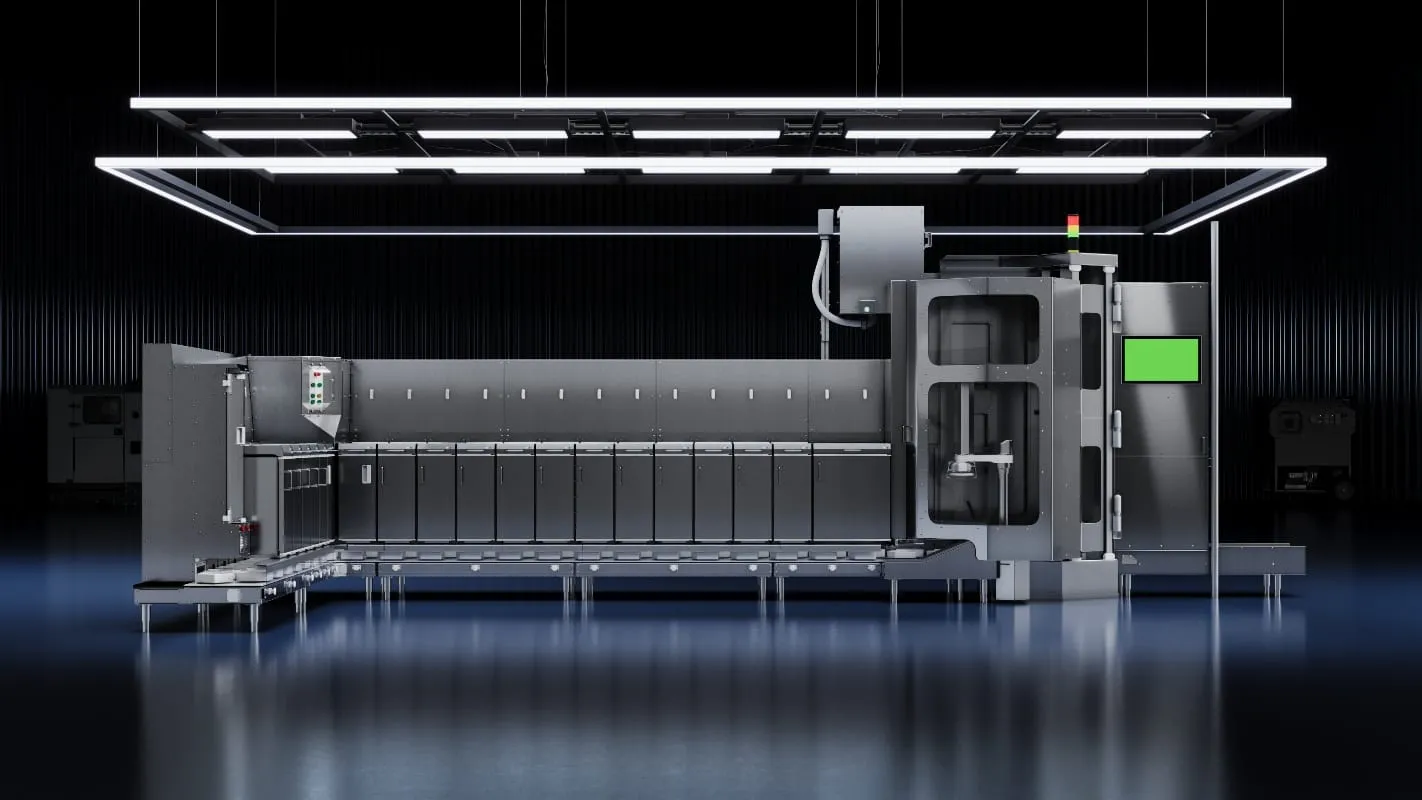
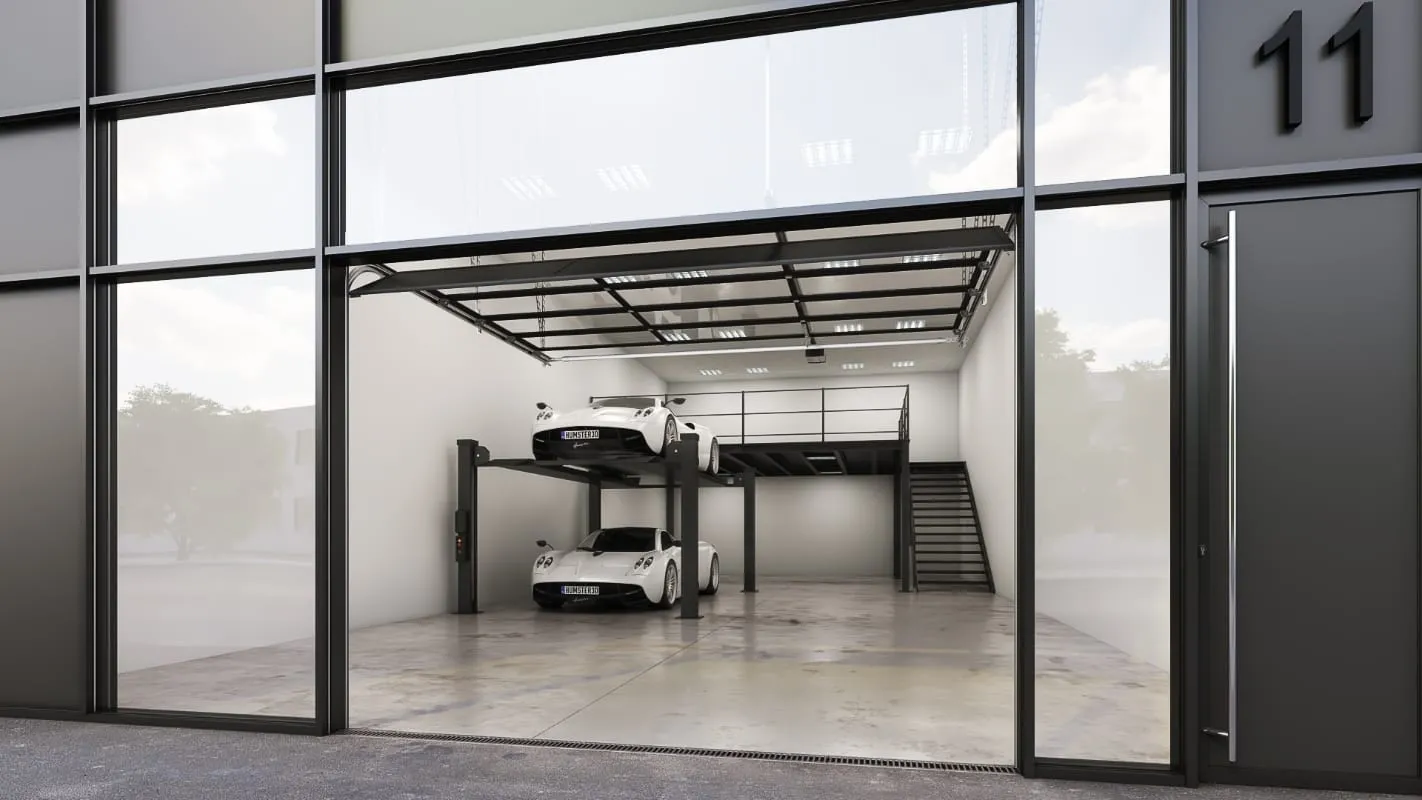
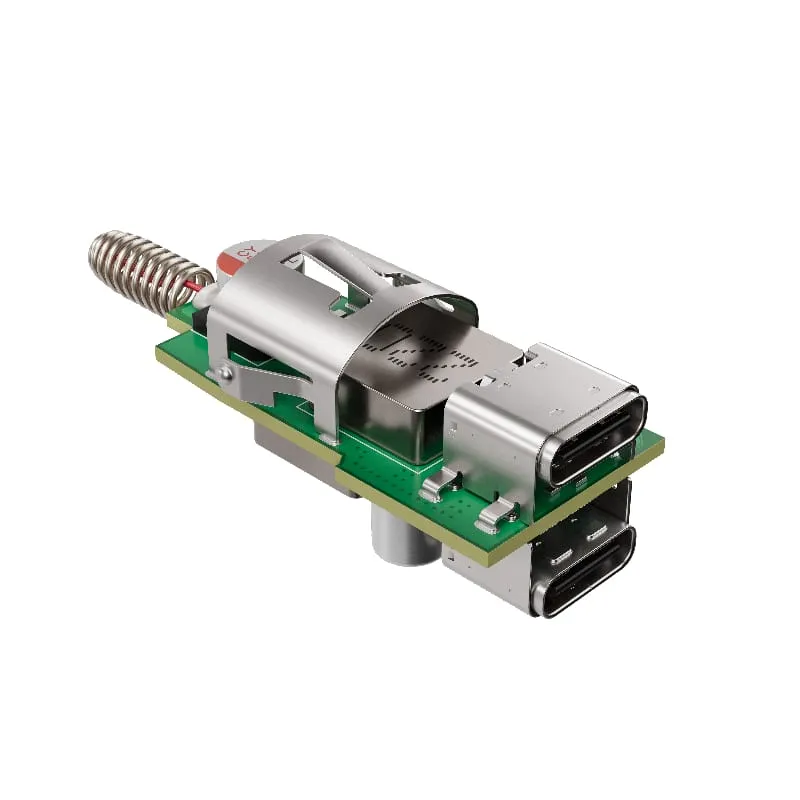
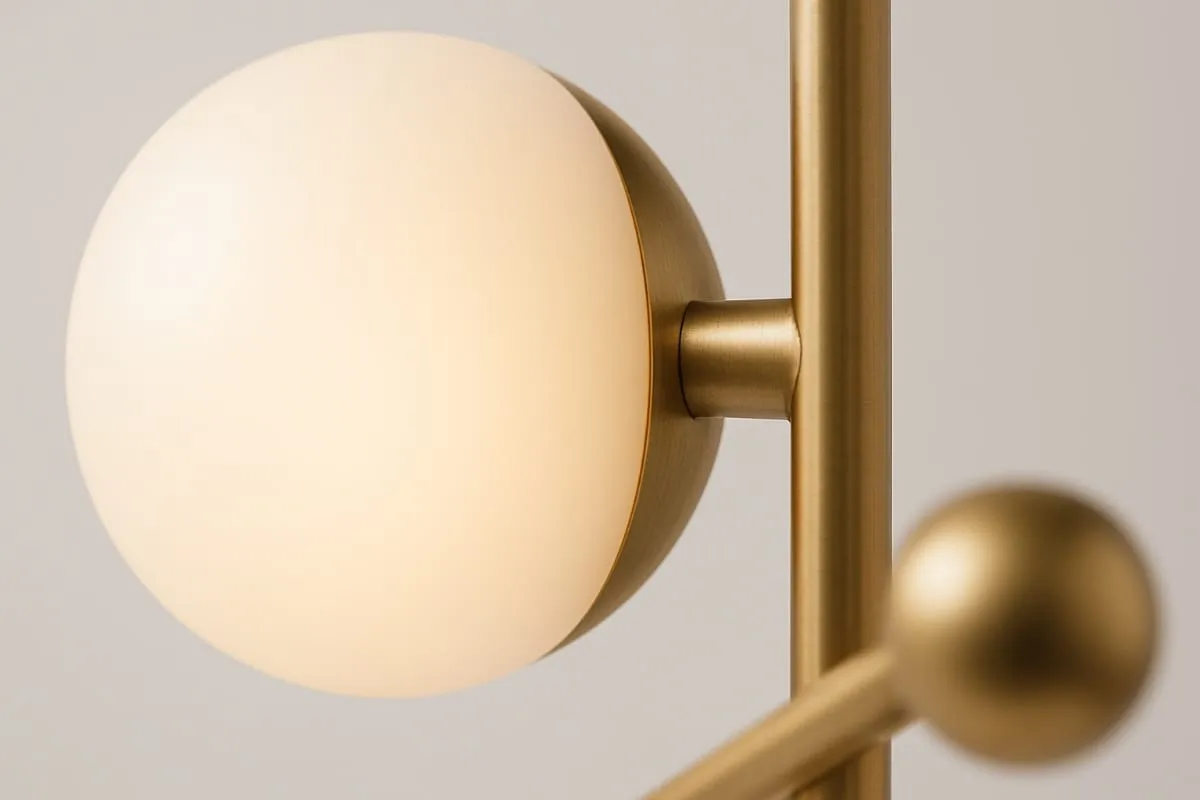
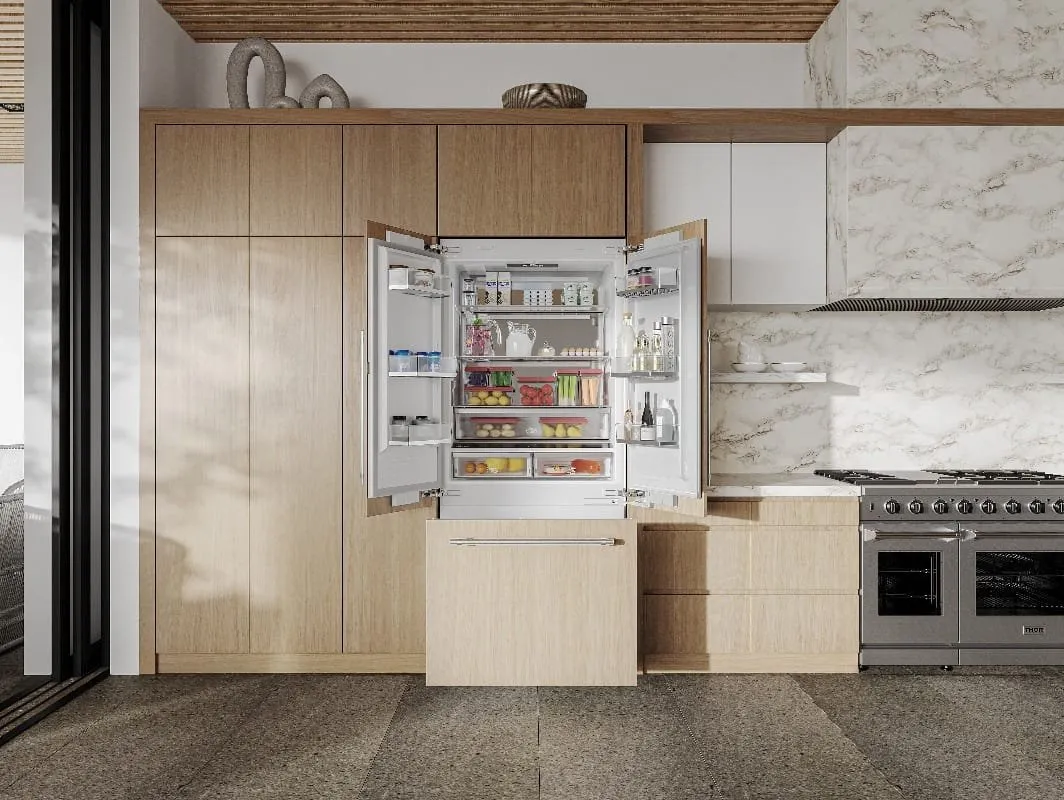
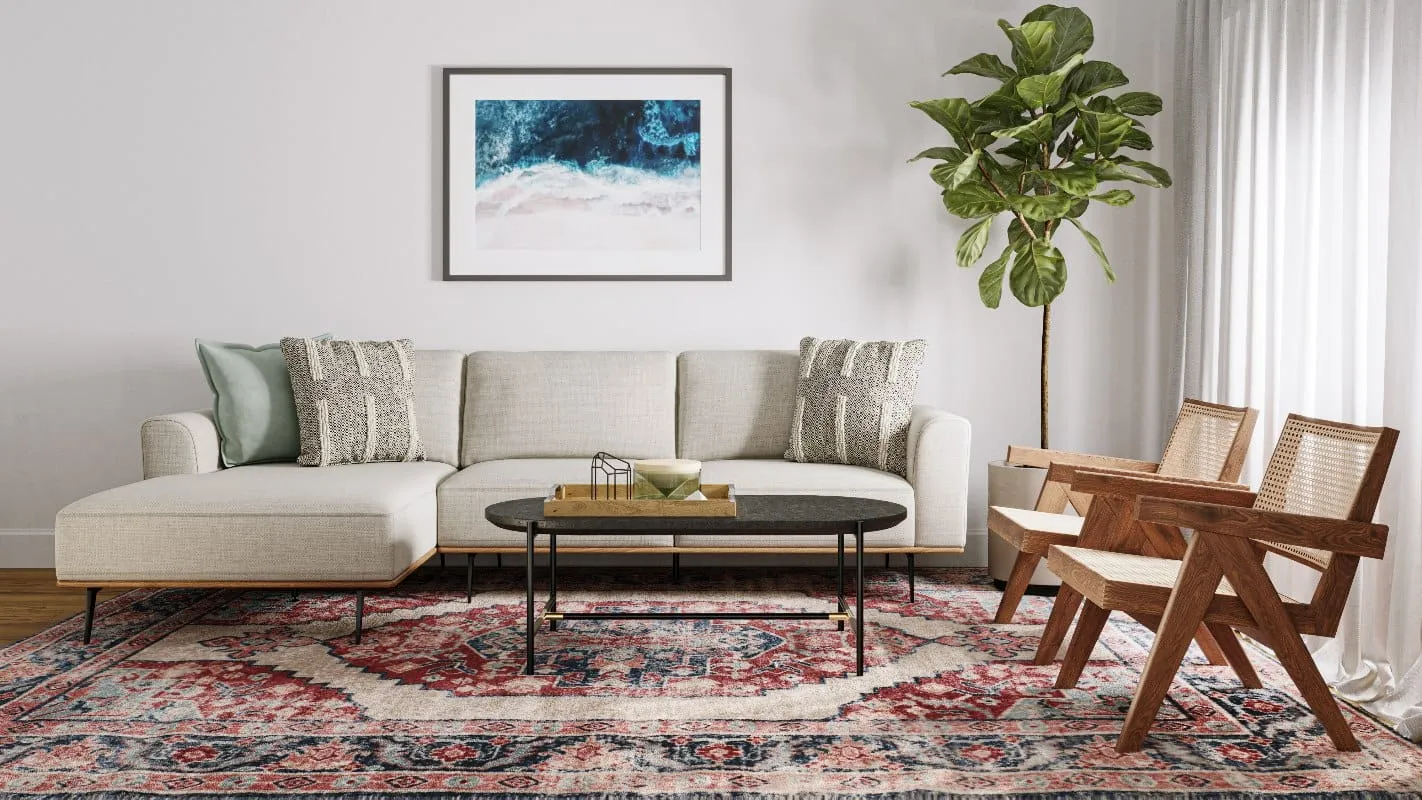
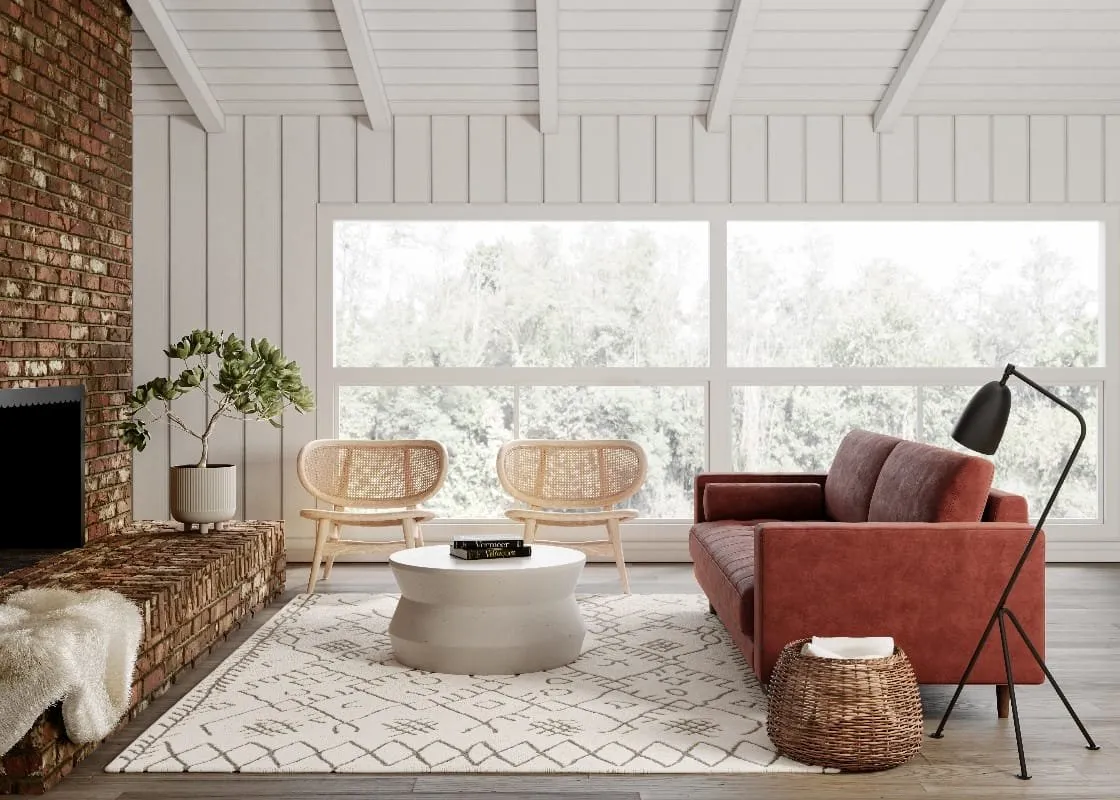
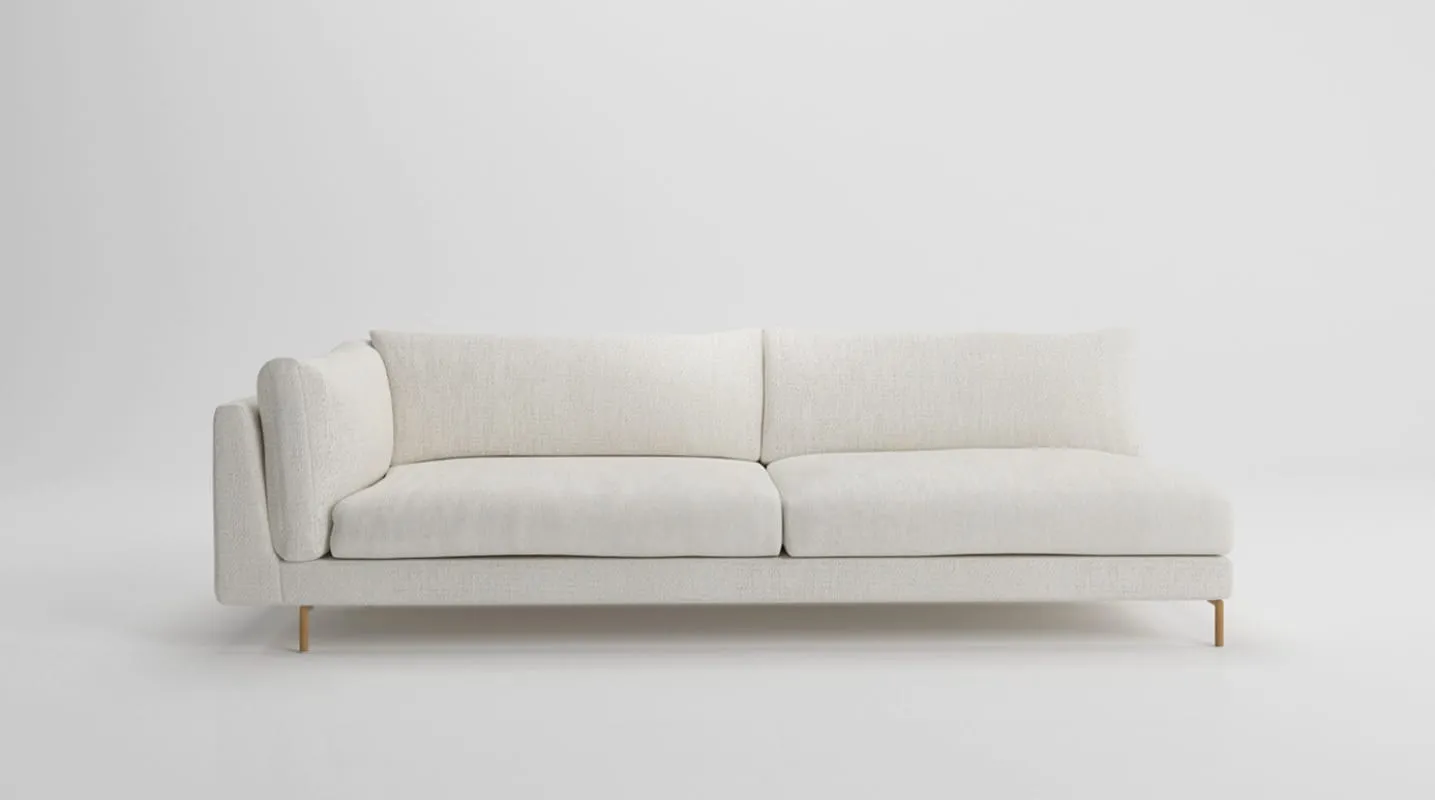
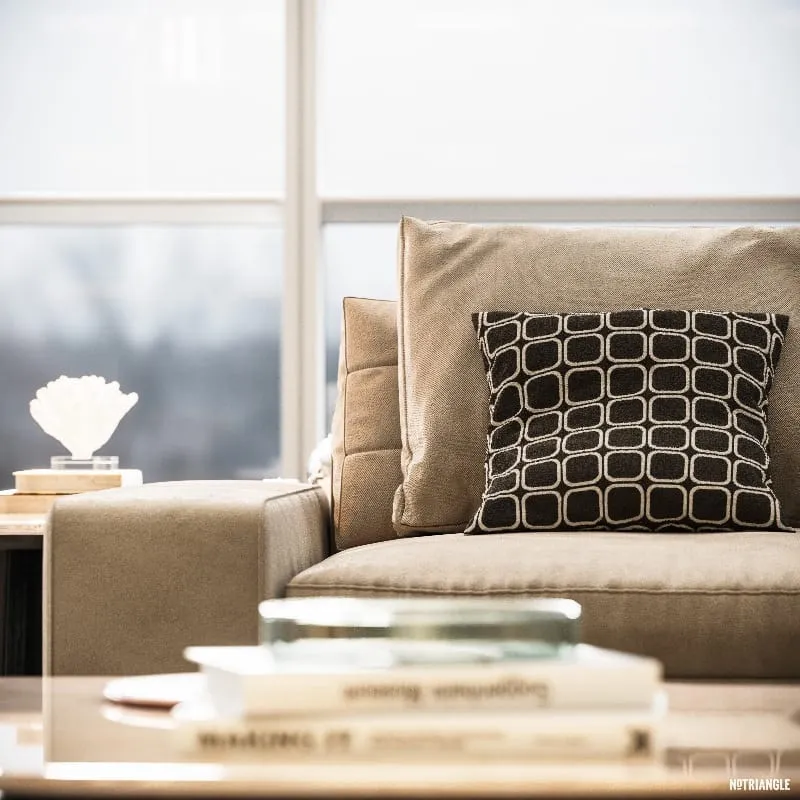
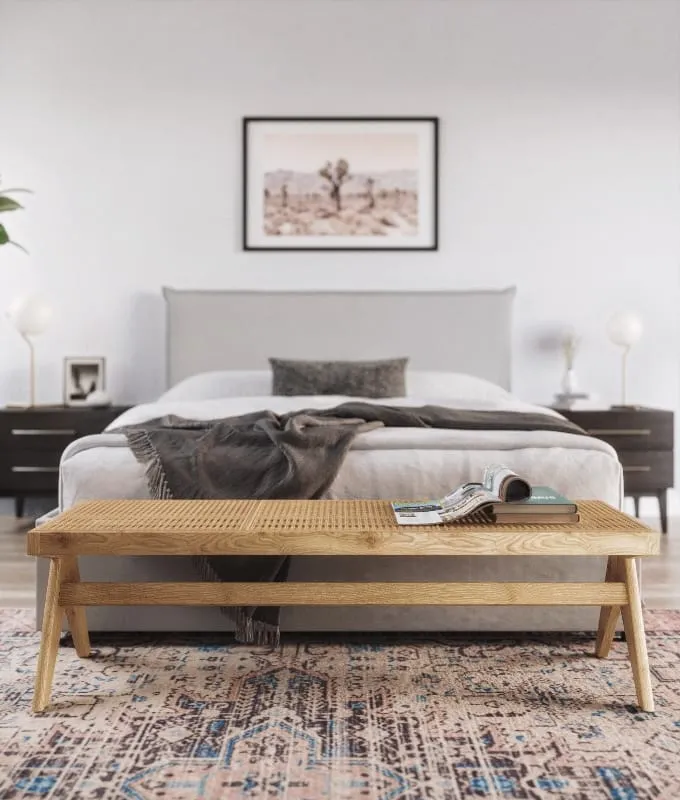
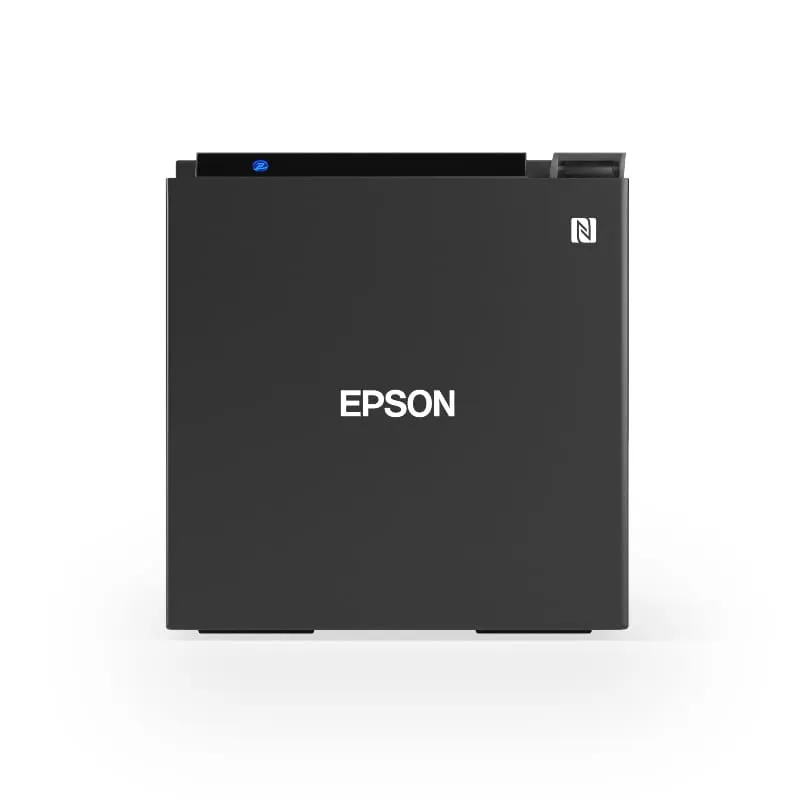
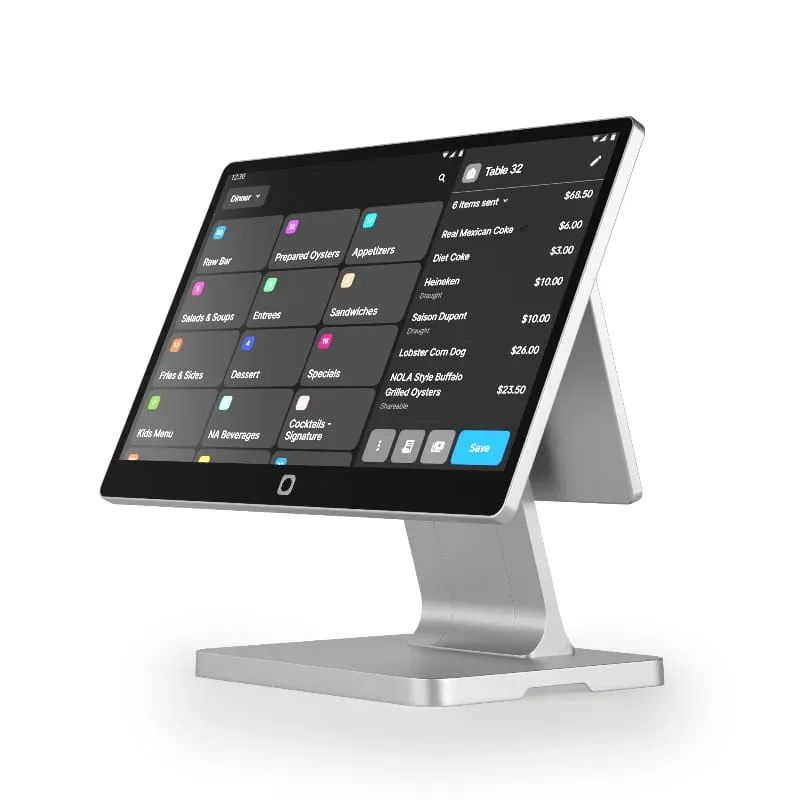
Product work.
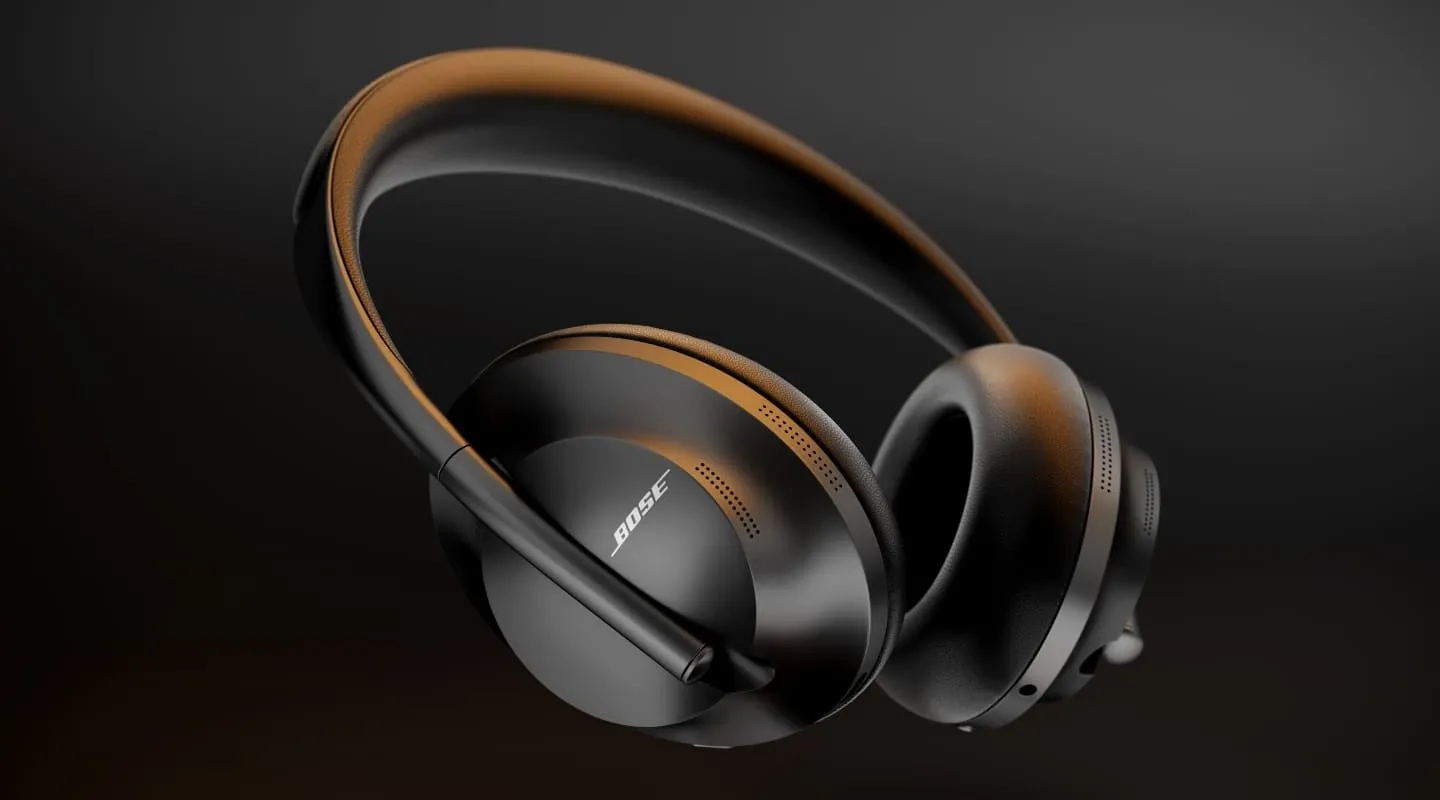
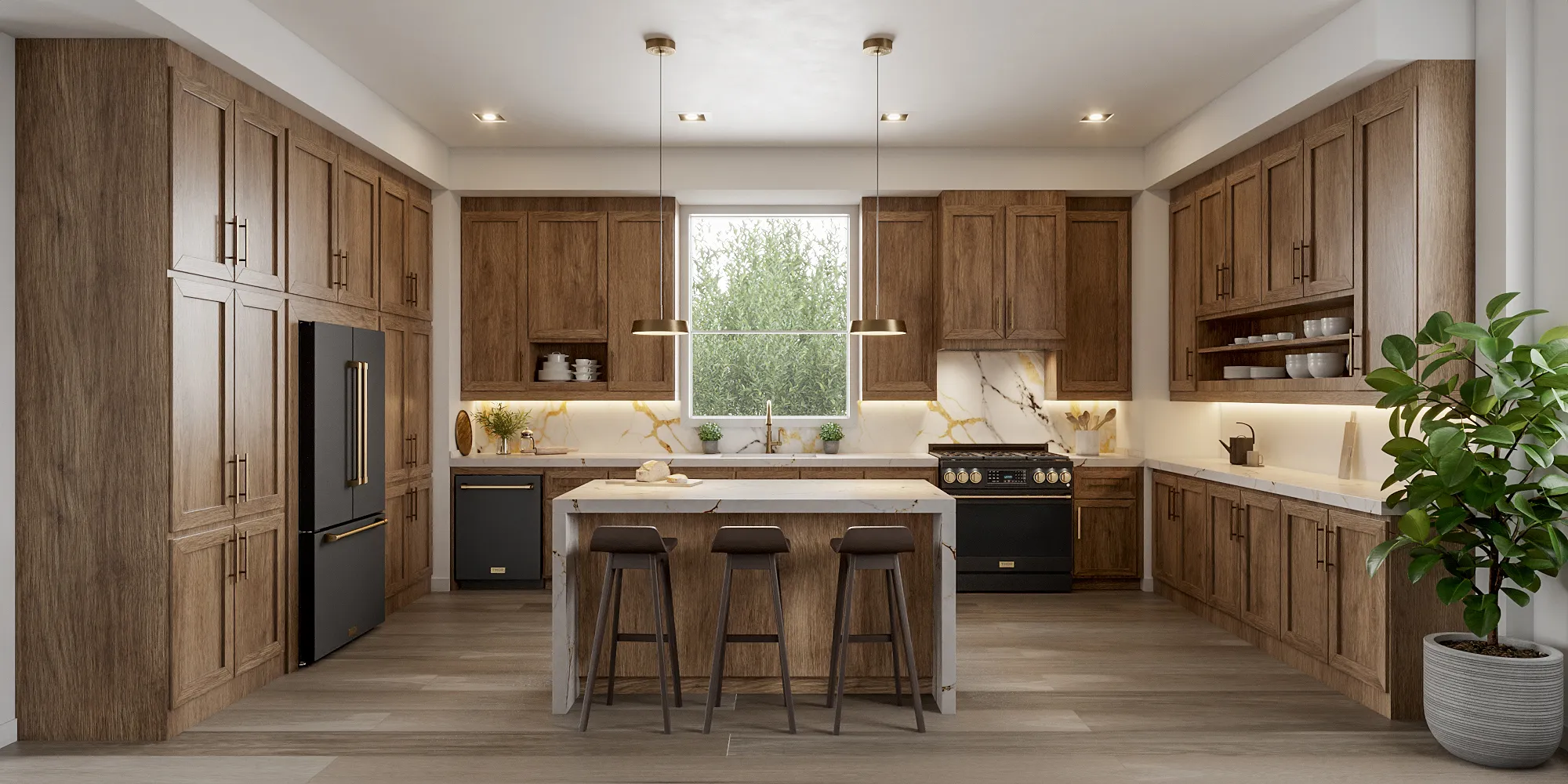
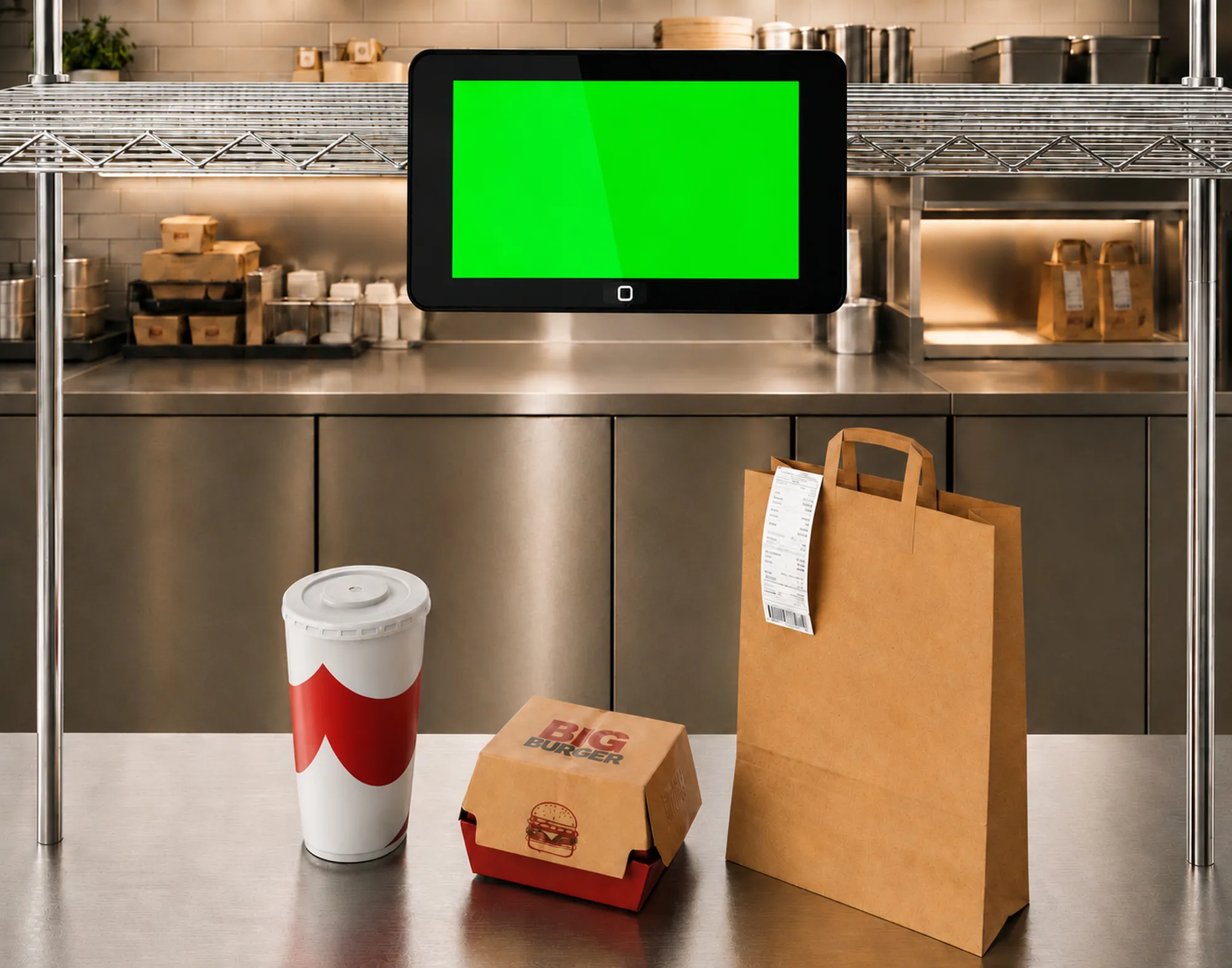
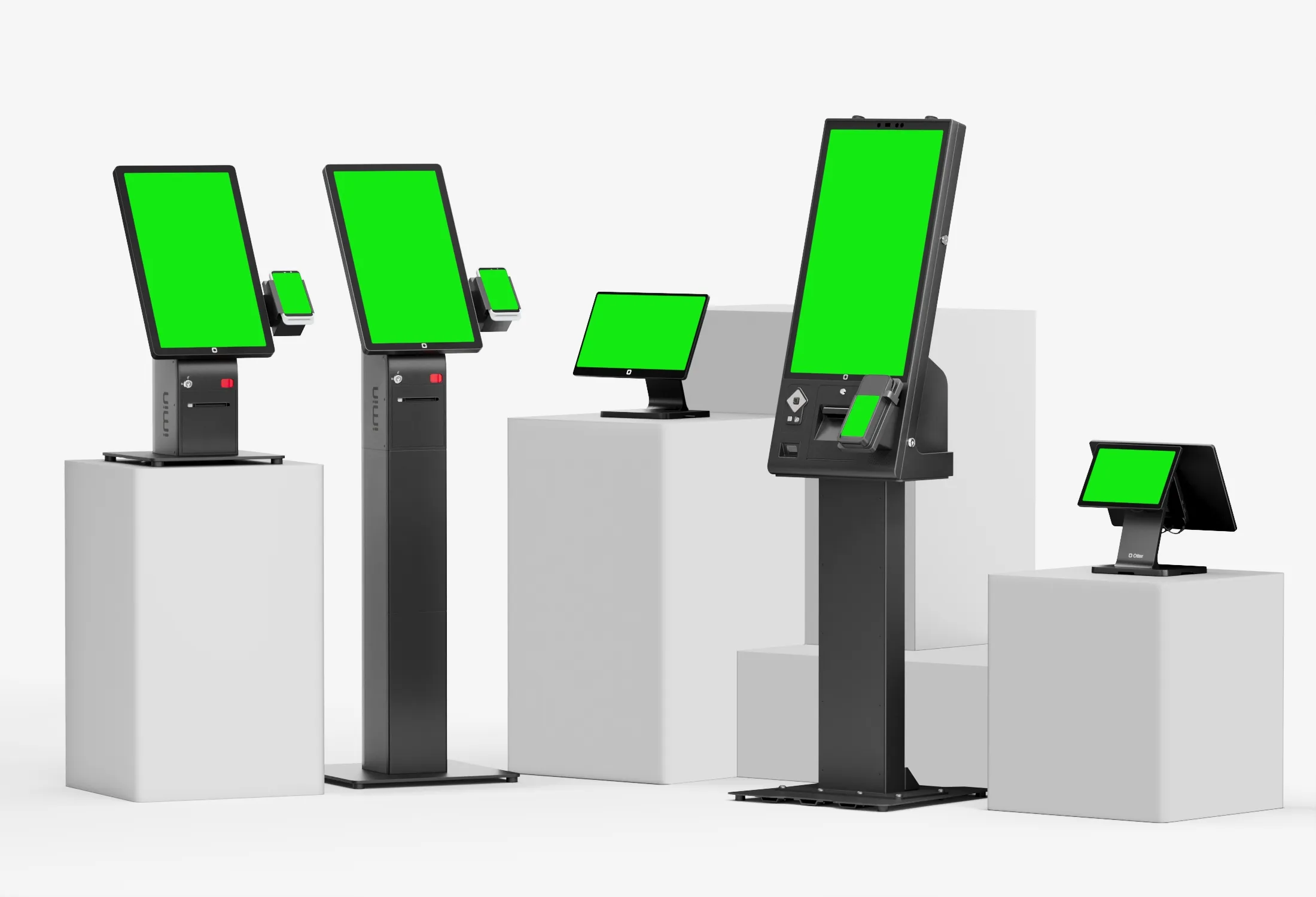
[ In motion ]
Product animation.
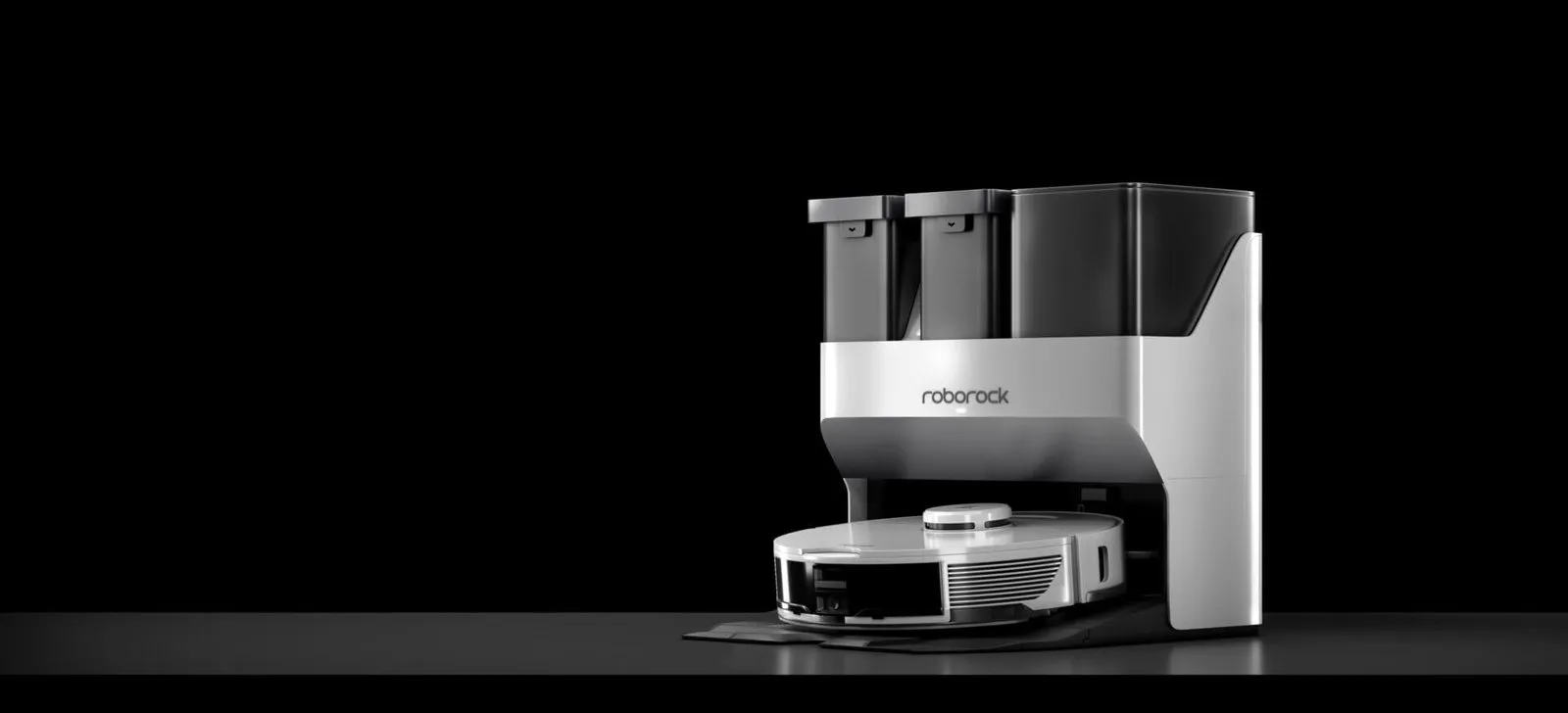
Motion shows what a still cannot: mechanisms working, materials catching light, a product moving through its own story. Two examples from the studio.
[ Formats ]
The right format depends on what the image has to do.
A product page needs clean studio consistency. A launch needs atmosphere. A technical buyer needs to see inside. Most projects combine two or three formats from one model.
- Studio shots
- Clean, distraction-free imagery on seamless backgrounds with controlled lighting. The workhorse format for product pages, catalogs, and spec sheets.
- Lifestyle scenes
- The product placed in a real-world environment: a kitchen, a living room, a workshop. Built to suggest how the product is actually used and who it is for.
- Exploded views
- The product opened up layer by layer to show components, assembly, and the engineering a photograph cannot reach. Strong for technical buyers and quality storytelling.
- Colorways and variants
- Every finish and configuration rendered from the same model with identical framing and light, so the range reads as one family.
- 360 and turntable
- Full-rotation views that let a buyer inspect the product from every angle. Delivered as frame sequences or video for product pages and interactive viewers.
- Marketing animation
- Short product films for ads, social, and launch pages: features demonstrated in motion, materials and mechanisms shown working.
[ Why 3D ]
Why brands render instead of shooting.
A physical shoot means a prototype in hand, a studio booked, props sourced, and one chance to get every angle right. Change the finish after the shoot and you are paying for the whole setup again. For products with variants, seasonal campaigns, or a design still in flux, that model breaks down quickly.
A 3D pipeline inverts it. The investment goes into an accurate model once; after that, new angles, environments, colorways, and formats are incremental work rather than a new production. The imagery can also precede the product itself, which matters when marketing needs to start before manufacturing ends.
Photography still wins for some things, and we will say so when it does. Where rendering wins is control, consistency, and reuse.
[ Process ]
Product work runs through the same structured process as our architectural projects. Files are reviewed first, materials and finishes are locked against real samples or approved references, and every camera angle is previewed as a clean untextured model before color and light are applied. Changes cost almost nothing at the preview stage.
Frequently Asked Questions
What is 3D product rendering?+
A photorealistic image of your product built digitally from CAD files, drawings, or a physical sample instead of a camera. The result is used exactly like photography: product pages, campaigns, catalogs, packaging, and presentations.
What do you need from us to start?+
CAD files in any common format (STEP, IGES, SolidWorks, Rhino), technical drawings, or a physical sample we can match. Material and finish specifications help; where they are missing, we match against references you approve before final rendering.
How long does the rendering process take?+
A straightforward studio set can be ready within a week. Lifestyle scenes, animations, and large variant sets take longer. The timeline is confirmed in the proposal before work starts, and previews are approved along the way.
How does the cost compare to a photoshoot?+
Each project is scoped individually, based on model complexity, the number of shots, and scene requirements. There are no studio, prop, prototype, or shipping costs, and the finished 3D assets are reusable: new angles, variants, and campaigns come from the same model.
Can you show every colorway without separate prototypes?+
Yes. Once the product is modeled, every color, material, and configuration is rendered from the same scene with identical framing and lighting, so the full range reads as one consistent family.
Will the renders match our brand style?+
Lighting, environments, and grading are matched to your brand guidelines and existing imagery, and the creative direction is agreed on before production begins.
Do you also do architectural rendering?+
Yes, architectural visualization is the studio’s main practice. Product rendering is produced by the same in-house team and runs through the same structured process. See our services page for the full offering.
[ From the same studio ]
Architectural visualization is our main practice.
The same in-house team produces our real estate and architectural work. If your project involves spaces as well as products, it runs through one studio and one process.
Interior Rendering
Editorial-quality interiors for luxury residential, hospitality, and multi-family projects.
ViewExterior Rendering
Photorealistic exteriors that carry pre-sales, approvals, and launch marketing.
ViewArchitectural Animation
Cinematic films that walk a buyer through a project before it is built.
View- Years in business
- 10+
- Projects delivered
- 500+
- Clients
- 150+
[ Start here ]
Every project starts with a discovery call.
It is where we understand what the product needs to do, who the buyer is, what the launch looks like, and whether we are the right studio for the work.
Book a call with Eddie