Day, Dusk, and Night: Why the Same Shot Gets More Than One Version

Lukas Berezowiec · CEO of NoTriangle Studio
Updated · 6 minutes
Key takeaways
The same camera angle can carry two completely different messages depending on the light.
- Daytime
- Clean and honest: brochures, listing portals, planning and approval submissions.
- Twilight
- Emotional: the hero moment, the launch image, the cover of the brochure.
- Why both
- A second time-of-day version is far less work than creating a new image from scratch.
- Which shots
- The few images that have to sell are the ones where a second twilight version often pays off.
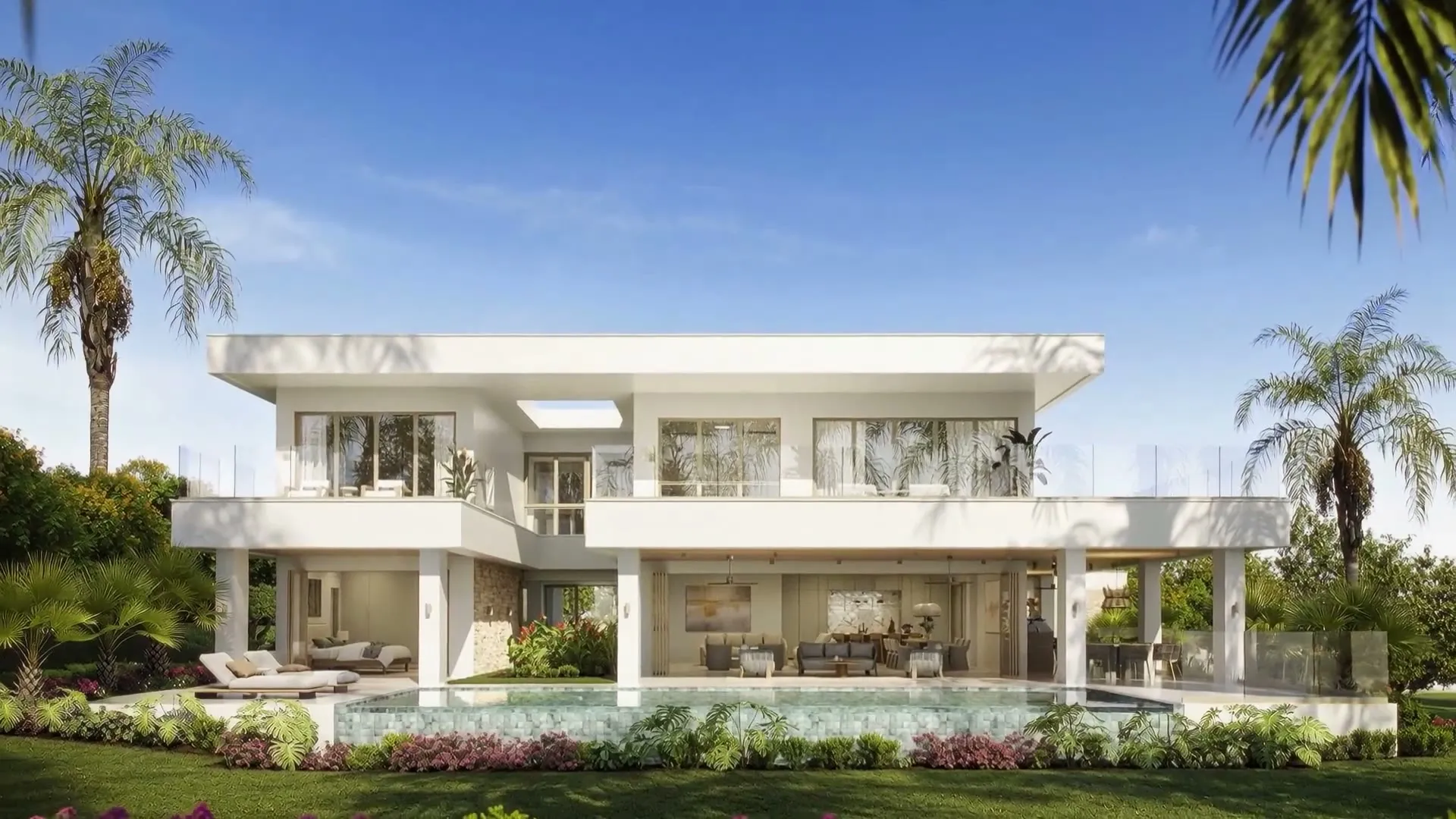
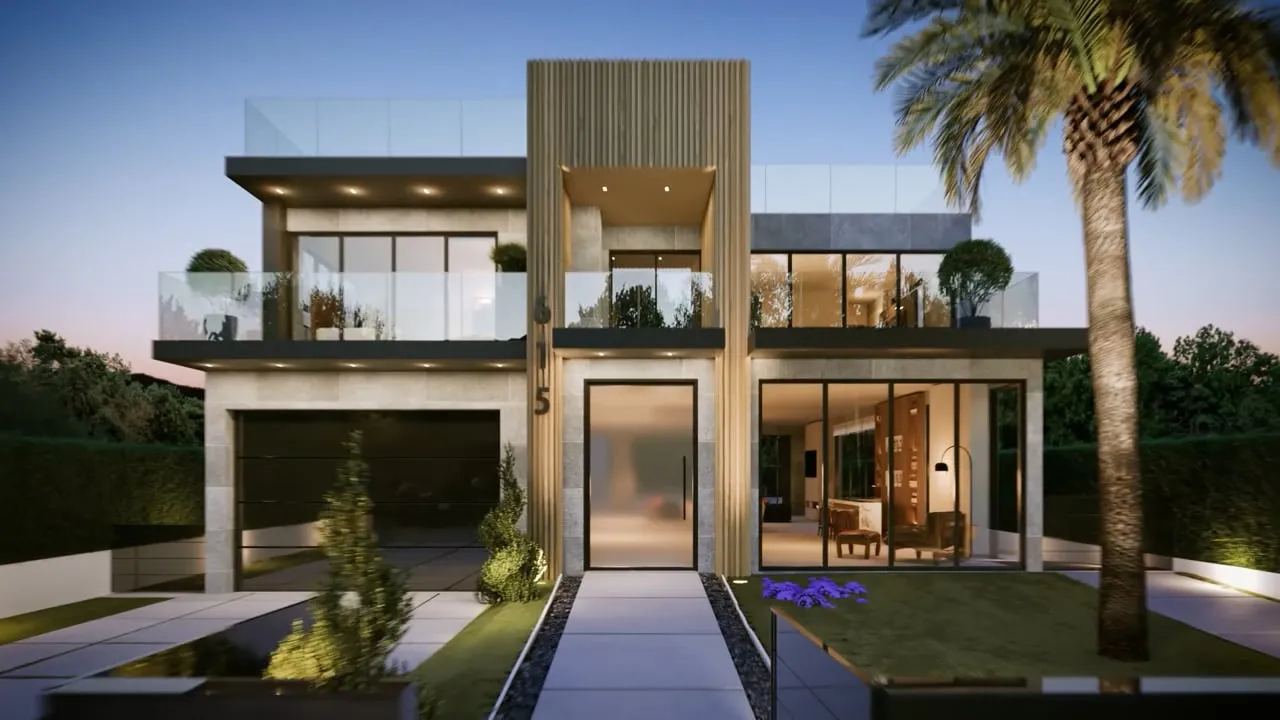
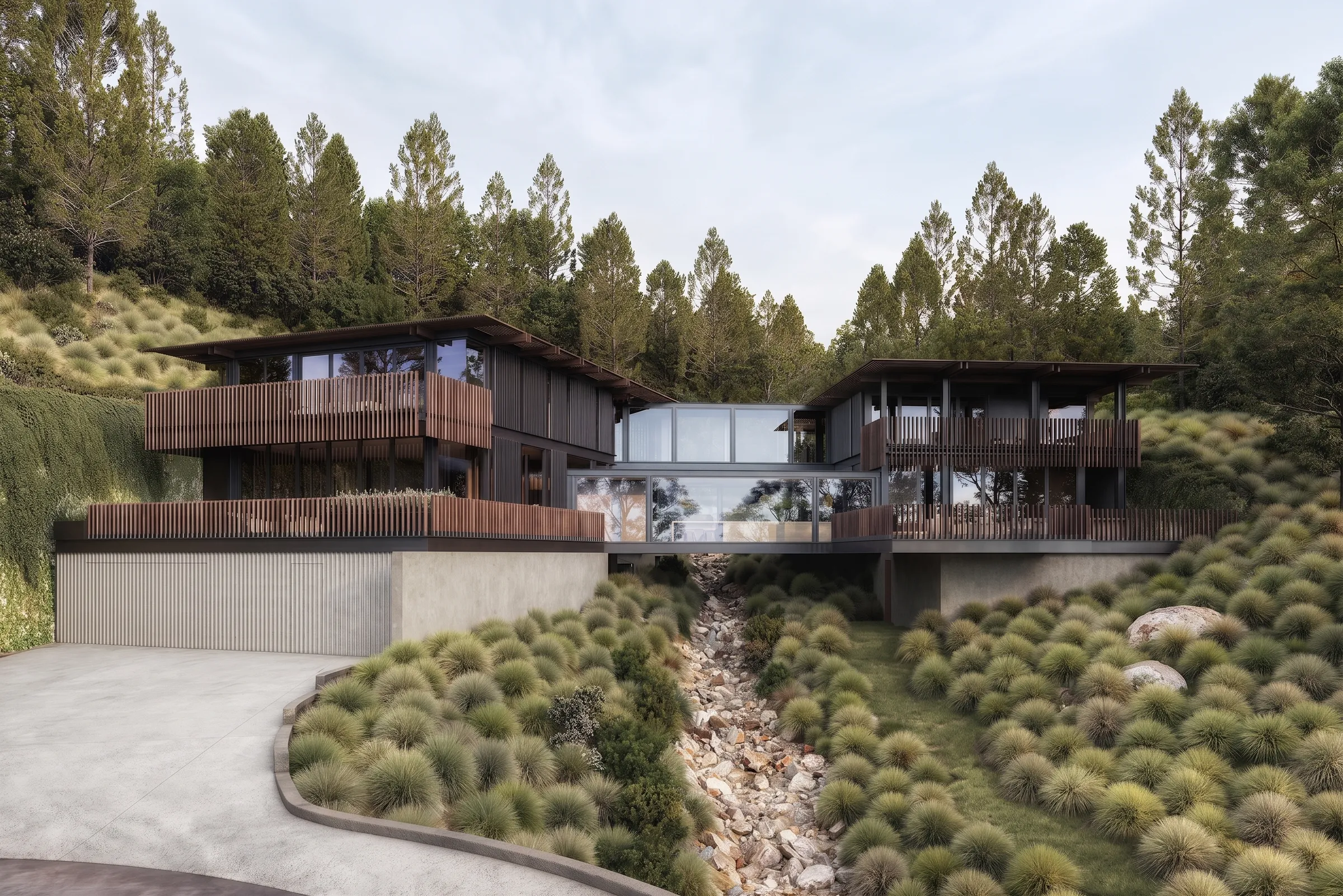
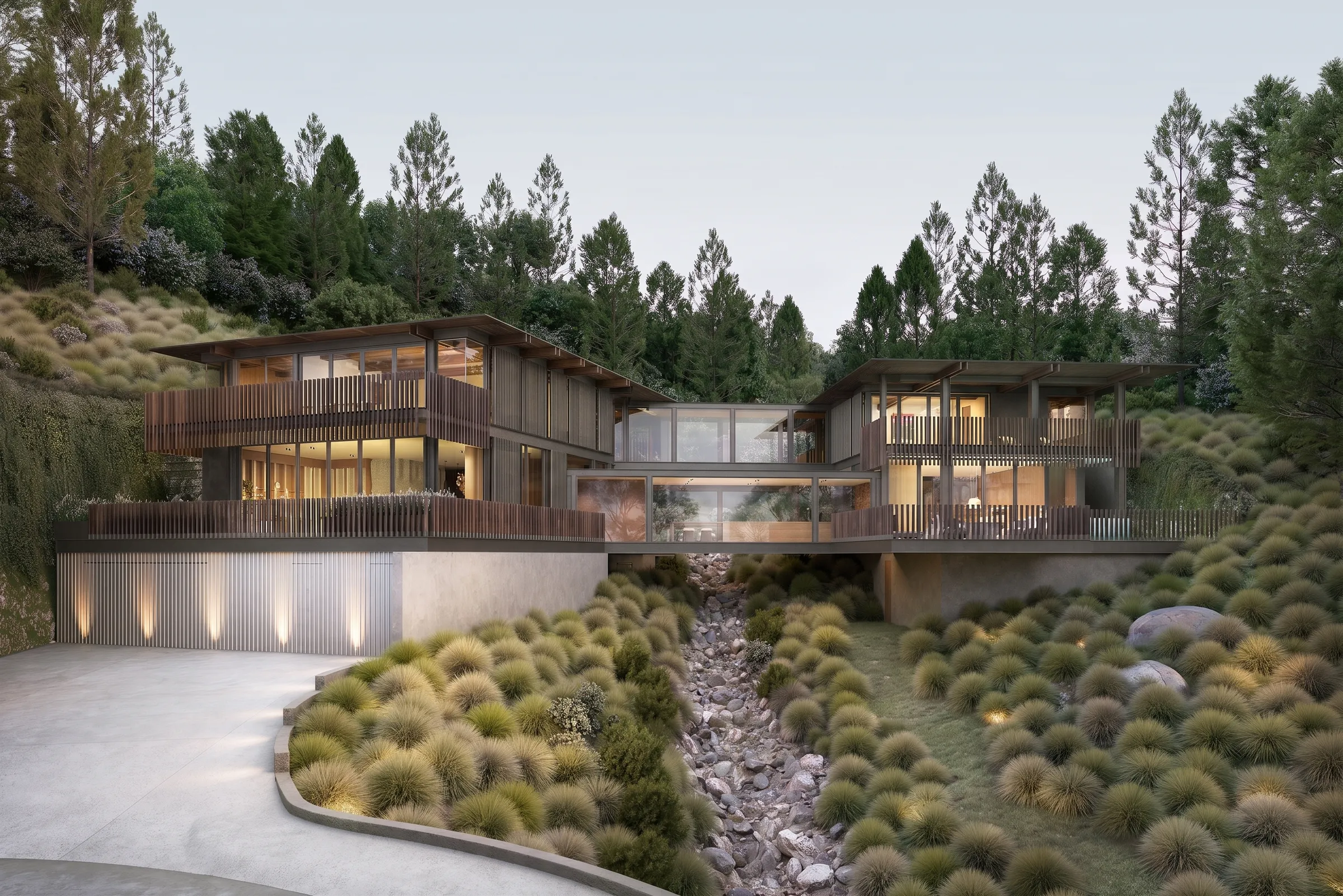
The same camera angle can carry two completely different messages depending on the light. A clean midday version says here is the building, exactly as it is. A twilight version with the interiors glowing says here is a place you want to be at the end of the day. Both are true. They just do different jobs.
That is why, on many projects, we render a single shot at more than one time of day. This is when that is worth doing, and how to decide which version each shot needs.
Time of Day Is a Message, Not a Default
Lighting is a creative decision, not a setting we leave on default. Twilight, dusk, blue hour, full daylight, a dramatic night shot, each one sends a different signal to the person looking at the image. We agree the intent through the moodboard, before any rendering begins, so the time of day is chosen on purpose rather than discovered late.
This matters because the same space can feel like a clear, honest product in daylight and an aspirational lifestyle at dusk. Neither is wrong. The question is what you need that particular image to do.
What Each Version Is For
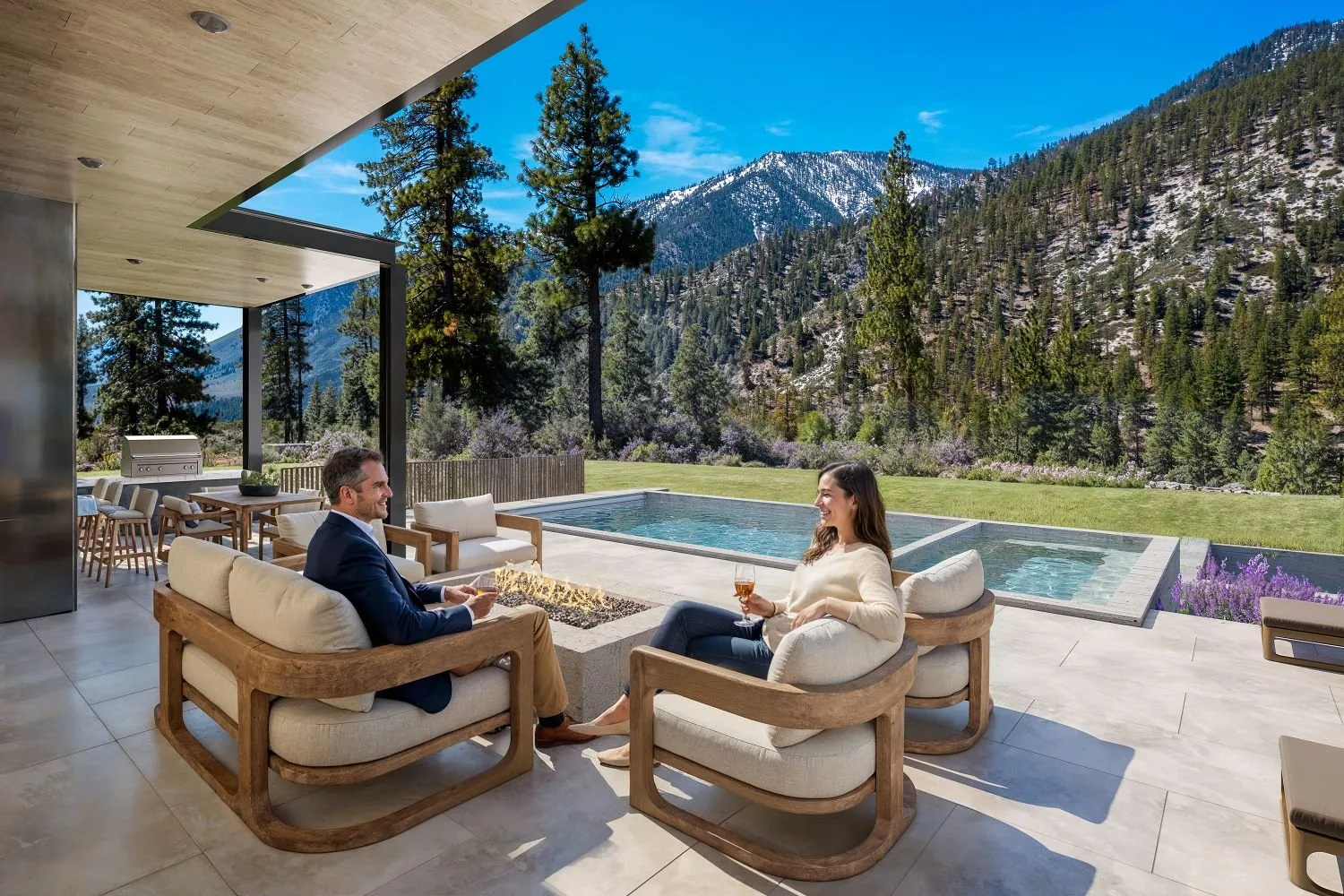
Daytime is clean and honest. It shows the architecture clearly, materials read accurately, and the design is easy to understand. It suits brochures, listing portals, planning and approval submissions, and any place where clarity matters more than drama.
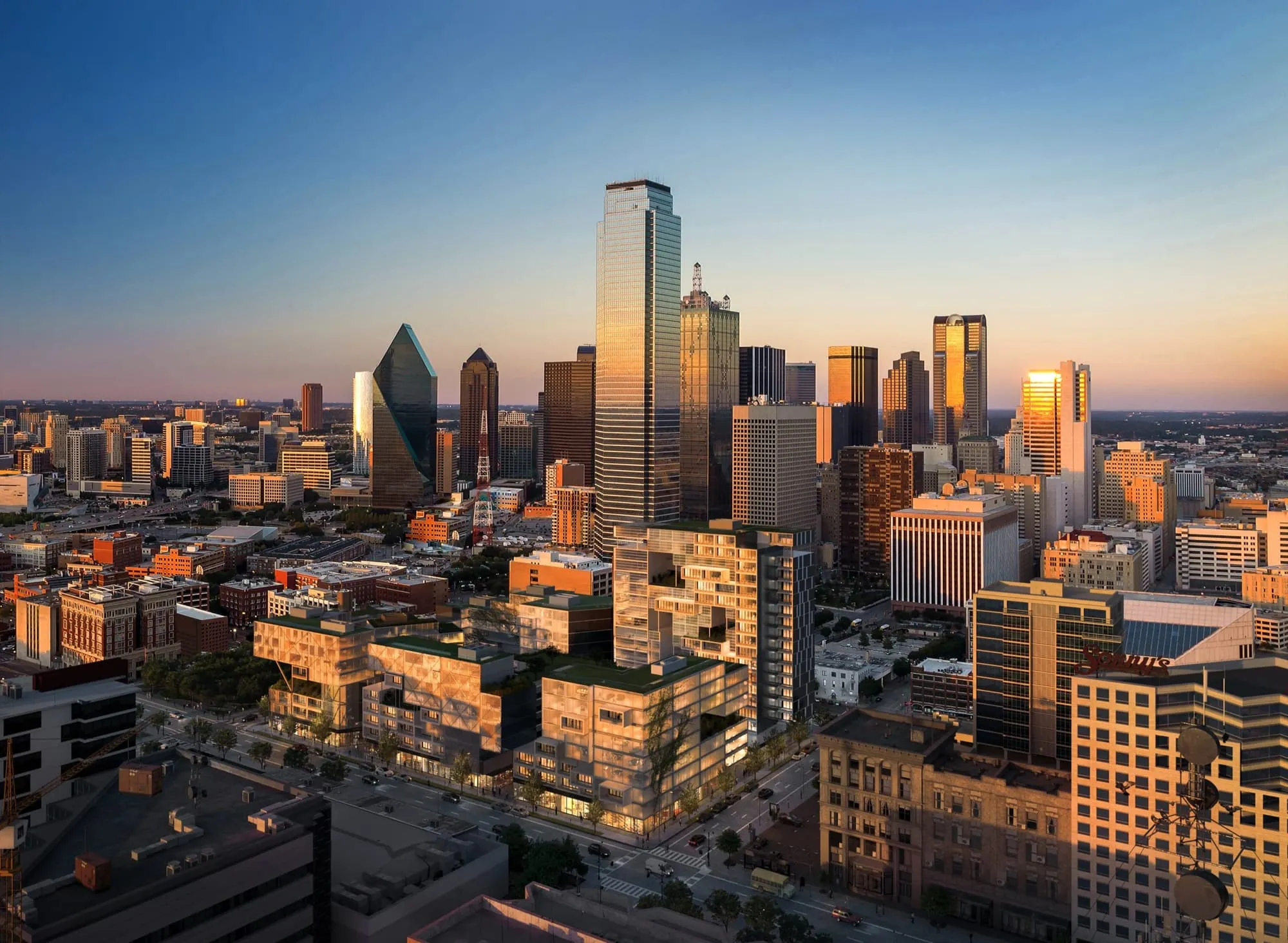
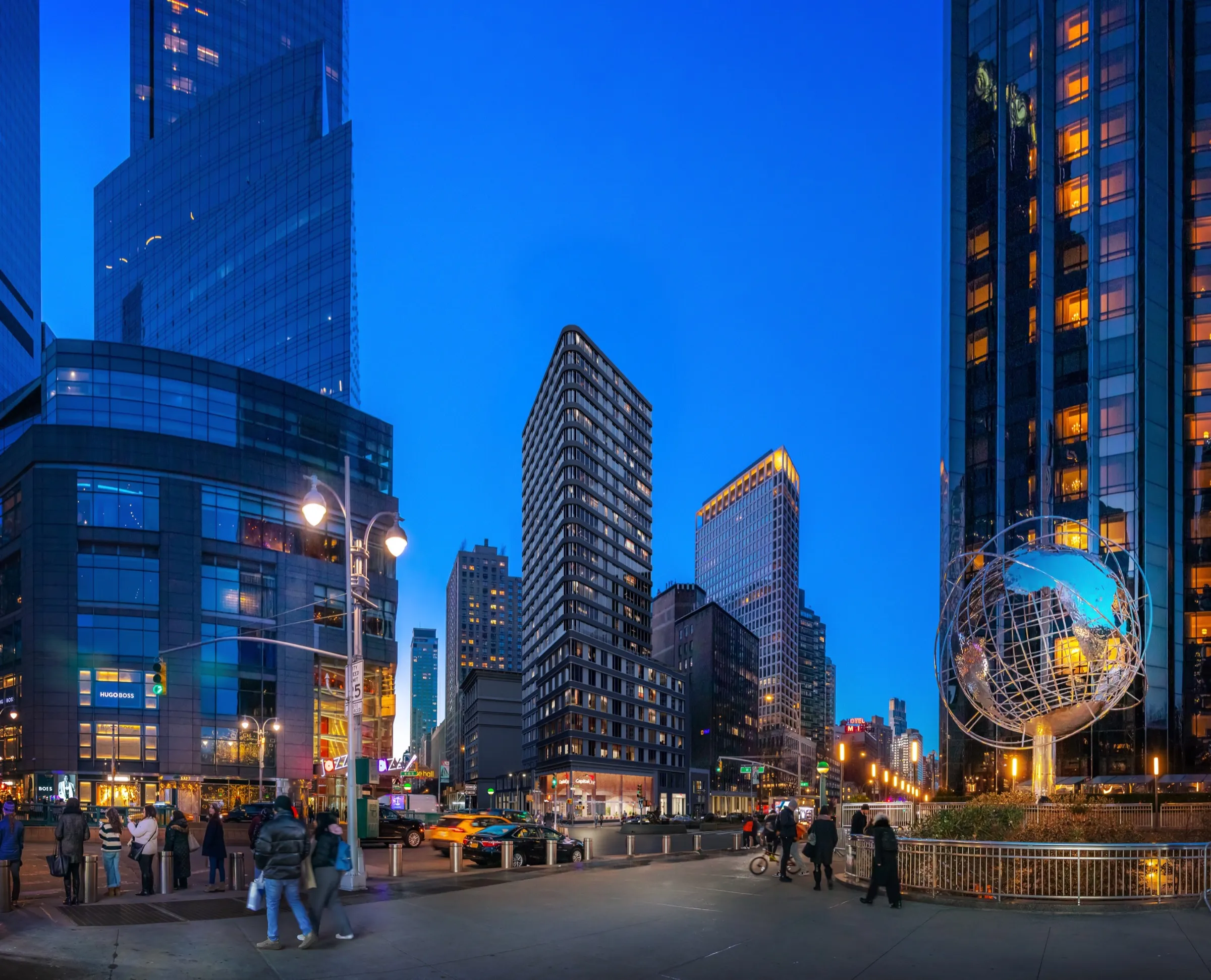
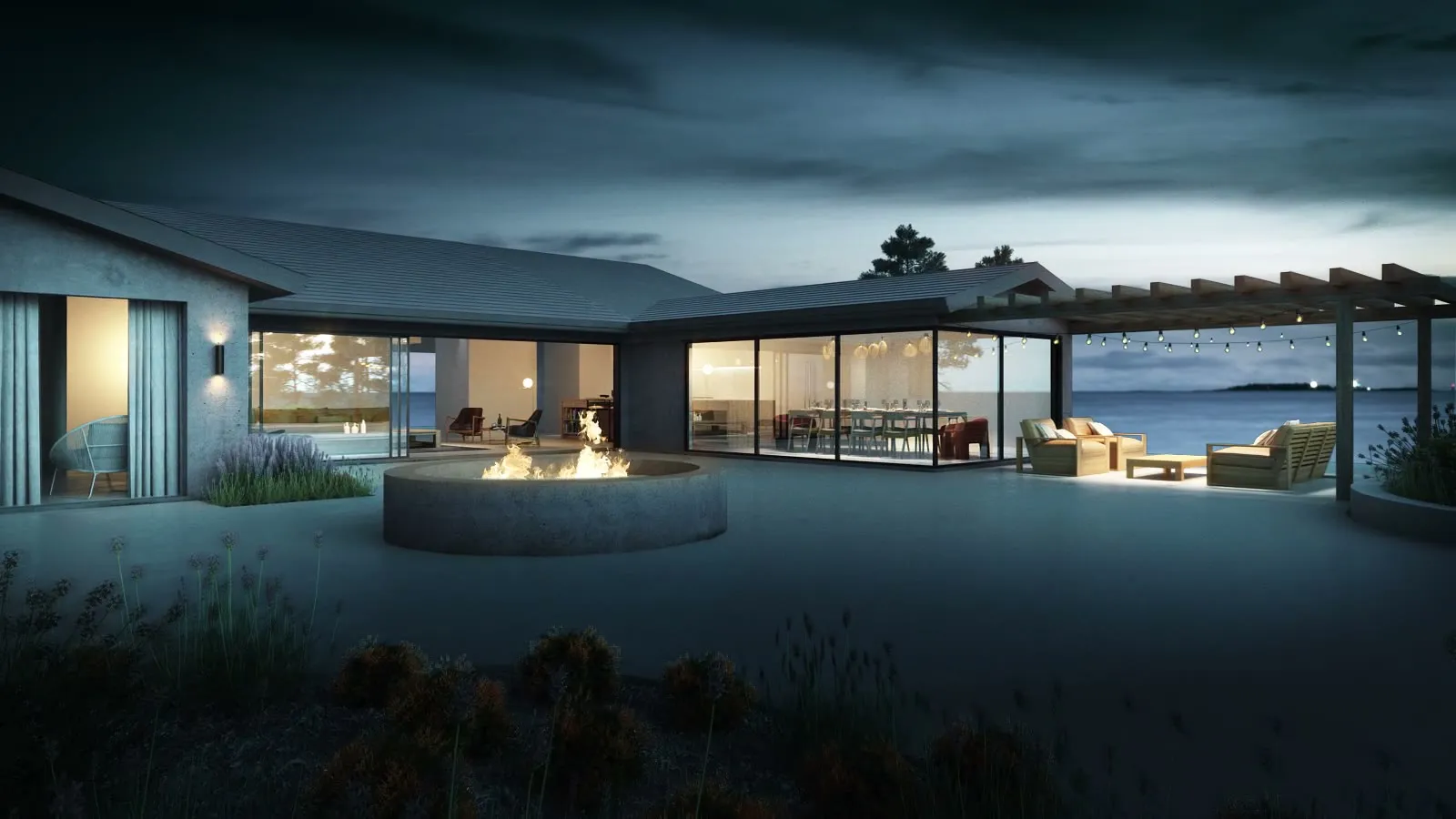
Twilight and golden hour are emotional. Warm light, glowing interiors, and a softer sky make a space feel inviting and finished, even before construction starts. These versions tend to carry the hero moment, the launch image, the cover of the brochure, the top of the investor deck.
Why Two Versions of One Shot Can Be Worth It
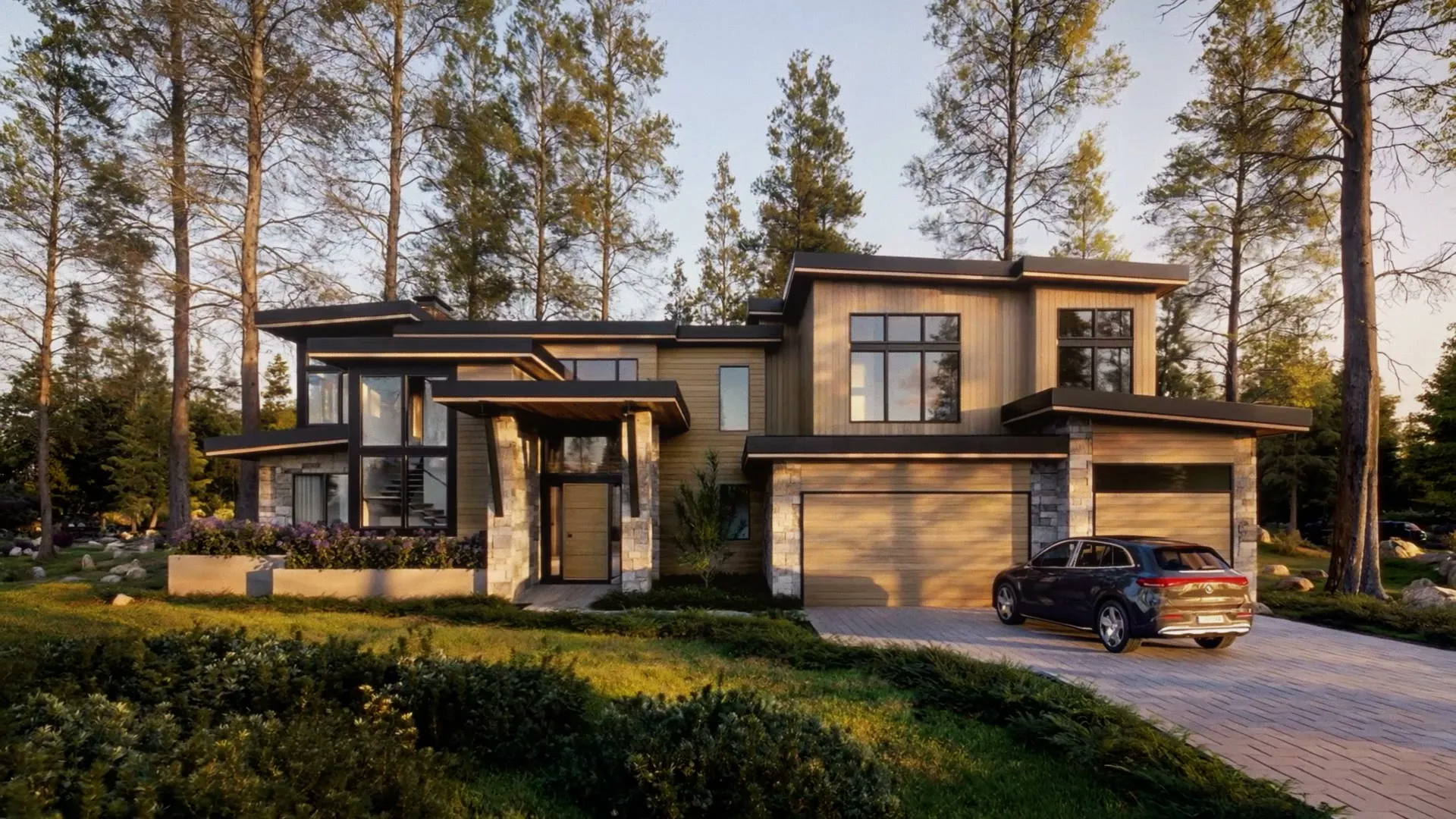
Once a shot is modeled, lit, and composed, producing a second time-of-day version of it is far less work than creating a new image from scratch. The camera, the geometry, and the materials are already in place; what changes is the lighting and atmosphere.
That efficiency is why a daytime and a twilight take of the same hero can both earn their place. The daytime version communicates the design clearly across your sales materials, and the twilight version drives the emotional pull at launch. You get two distinct tools from one setup.
Deciding Which Shots Get Both
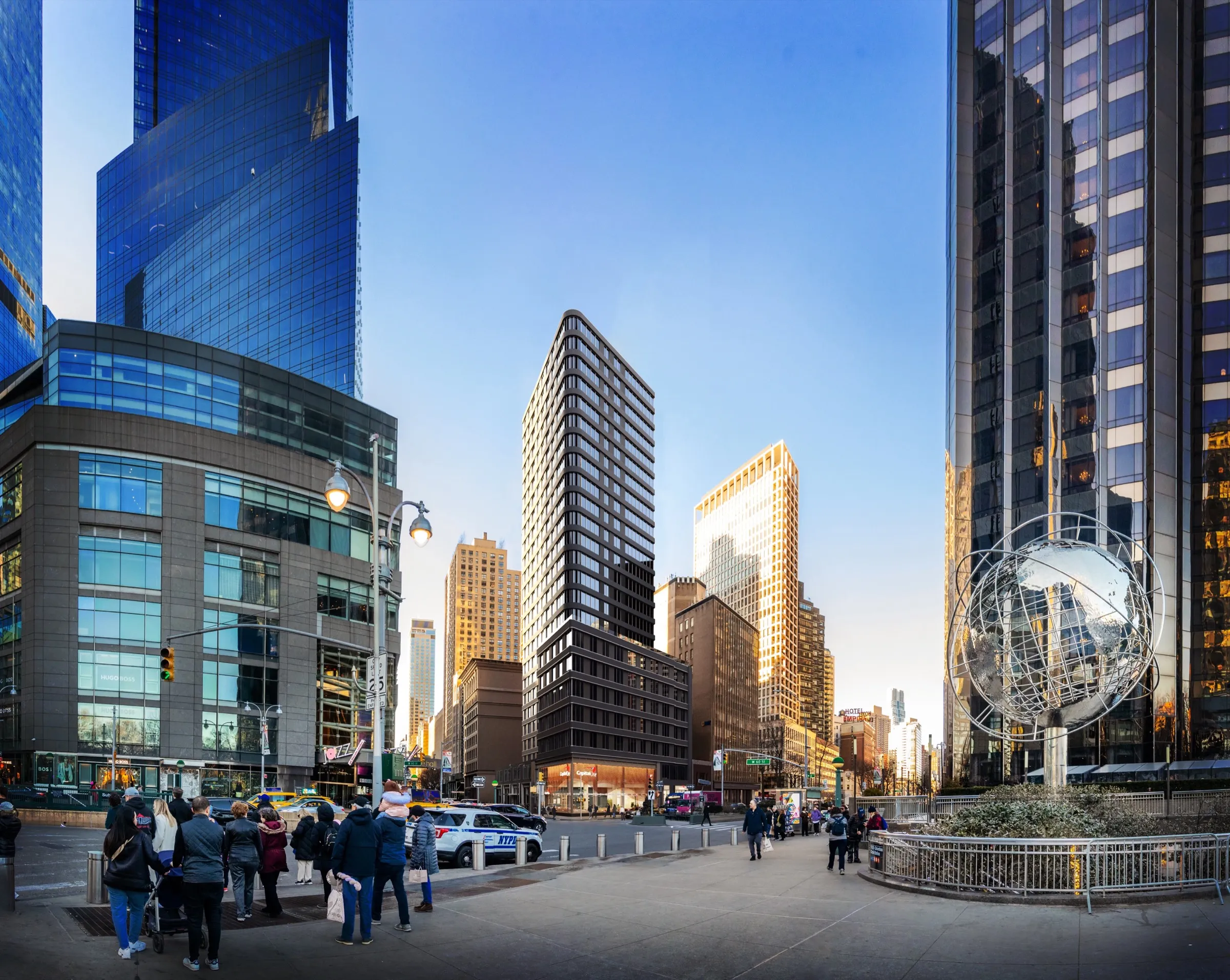
Not every shot needs two versions. The supporting views that exist to inform, a layout, a secondary elevation, usually need one clear daytime take. The few images that have to sell, the hero exterior, the great room with the view, are the ones where a second twilight version often pays off.
We work this out during art direction, alongside the rest of the lighting plan. If you want to go deeper on how light shapes a render, see our piece on lighting and environment in exterior rendering.
FAQs
Can you deliver both a daytime and a twilight version of the same shot?+
Yes. Once a shot is set up, a second time-of-day version is efficient to produce because the model, camera, and materials are already in place; only the lighting and atmosphere change.
Which time of day is best?+
It depends on the job. Daytime is best for clarity, approvals, and listings; twilight and golden hour are best for hero and launch moments where atmosphere matters.
When is the time of day decided?+
At the moodboard stage, before rendering begins, so the lighting is chosen on purpose rather than late in the process.
Do all shots need more than one version?+
No. Supporting views usually need one clear daytime take. Two versions are most worthwhile on the few hero images that carry the marketing.