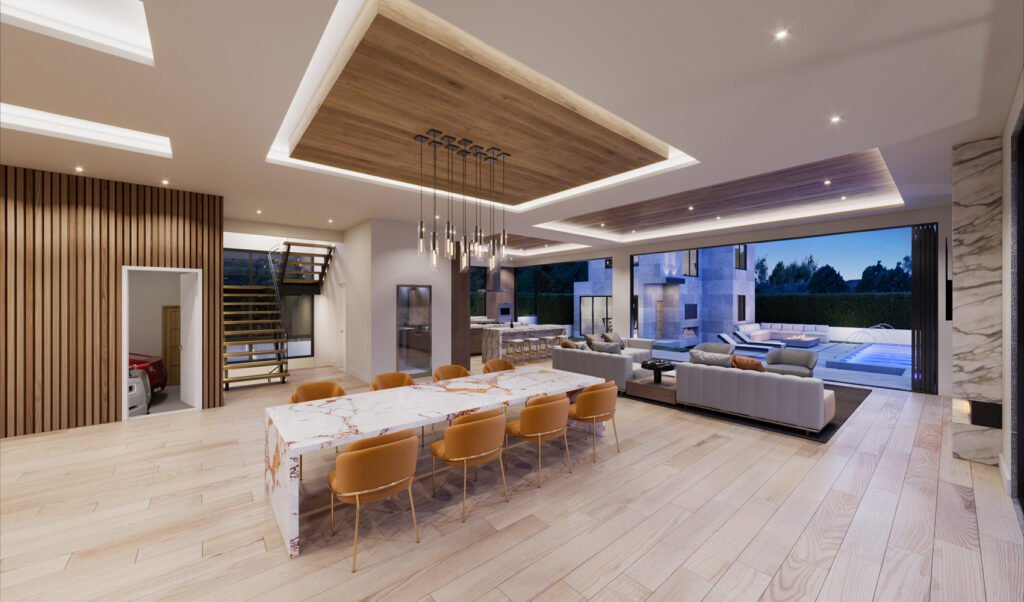
AI-Assisted Architectural Animation: Real Results from a Single Render
Now, with AI, we can turn a finished still into a short, realistic clip — fast — as long as the camera move stays subtle (pan, tilt, gentle dolly/parallax).

Now, with AI, we can turn a finished still into a short, realistic clip — fast — as long as the camera move stays subtle (pan, tilt, gentle dolly/parallax).

In product sales, first impressions matter — and visuals usually make them. But when you’re selling something complex or premium, a standard photo won’t cut it. Buyers need to see how your product works, what sets it apart, and why it’s worth the investment.
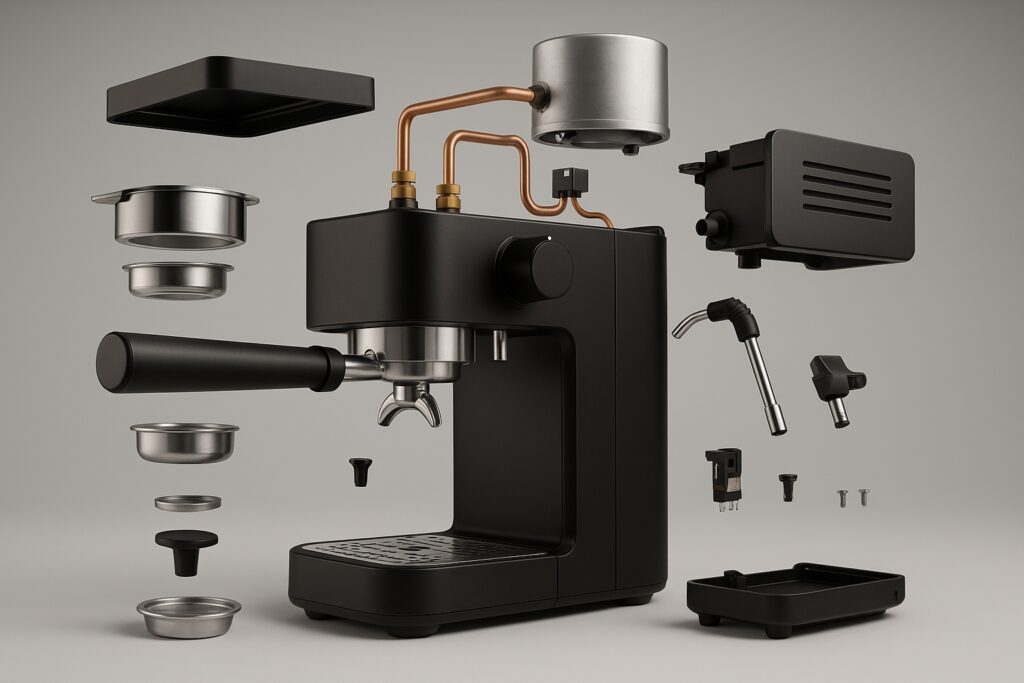
Exploded view renderings are everywhere today — from technical manuals and investor decks to sleek product pages and high-end sales presentations. But what exactly are they?
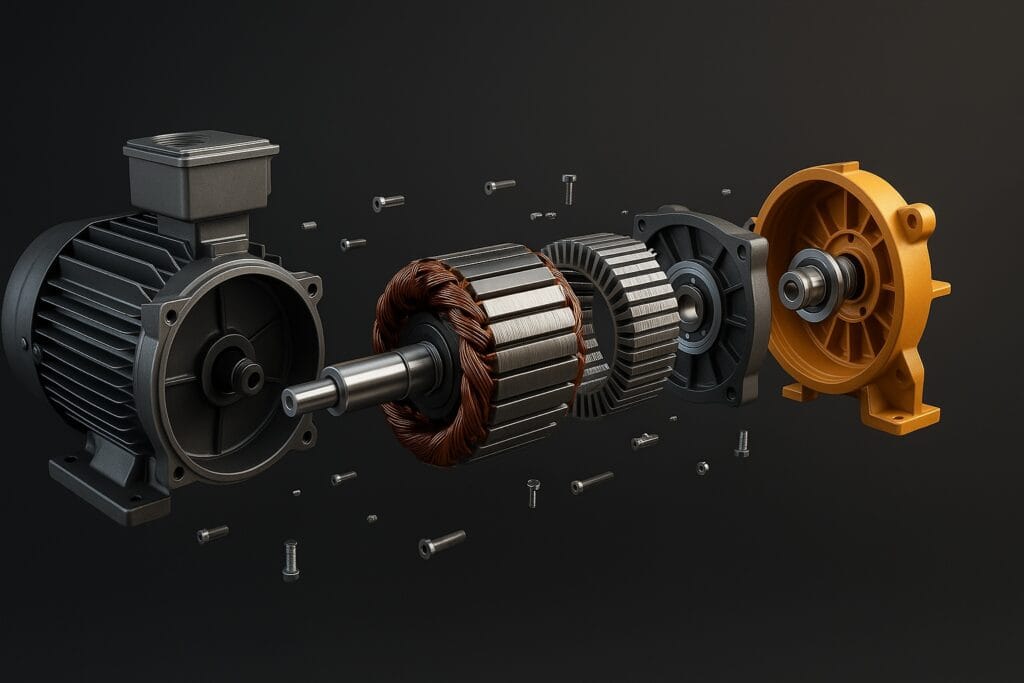
That’s where exploded view renderings come in. These visuals break a product into its individual components while keeping structure and scale intact. For mechanical products especially, this format reveals how parts interact, how systems are built, and how functionality is achieved — all without overwhelming the viewer.
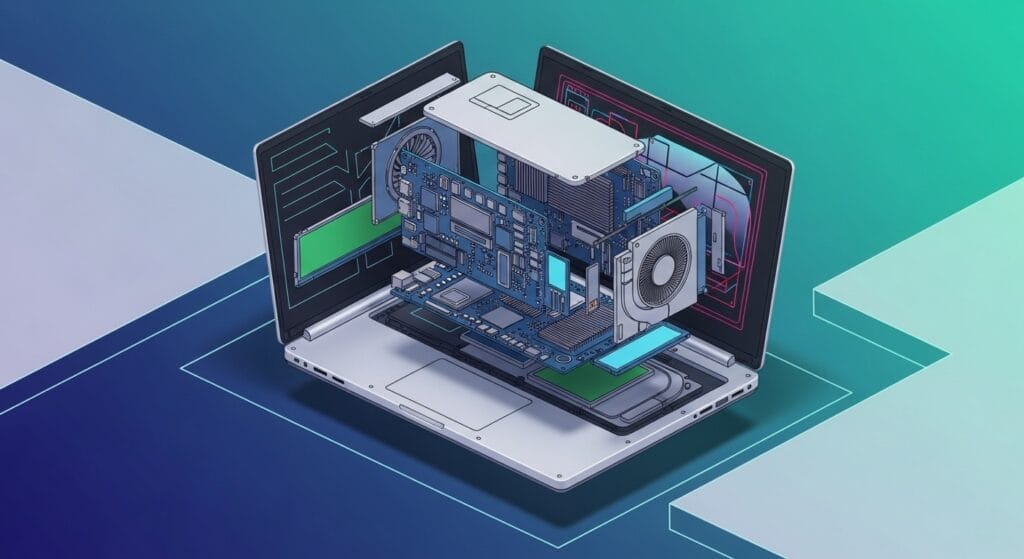
Unlike photorealistic renders, these visuals aren’t about atmosphere or mood. They’re about communication. That’s why they’ve become a go-to in design decks, UX documentation, investor presentations, and even AR guides.
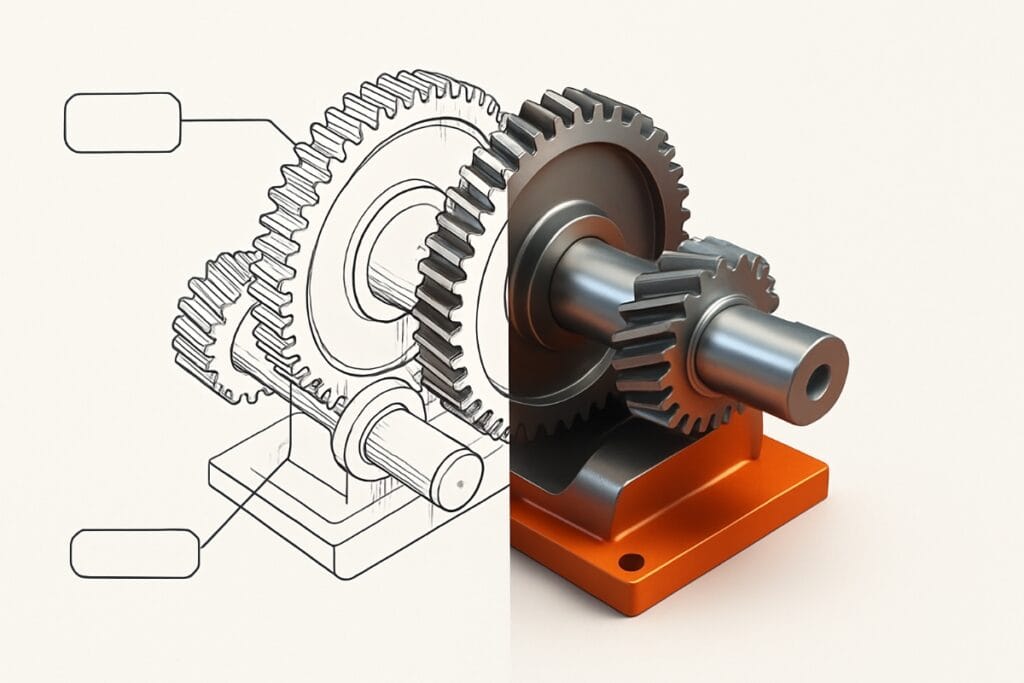
In a time where 3D rendering, AR, and motion graphics dominate product storytelling, it’s easy to overlook traditional technical illustrations. But in many industries — from manufacturing to aerospace — they remain a core part of how information is shared.

Hero shots — those sleek, high-impact renderings of finished products — are a staple in design marketing. They’re clean, polished, and perfect for grabbing attention. But when you’re speaking to engineers, manufacturers, or technical buyers, the story often needs more depth.

Artificial Intelligence is changing how architects design, plan, and collaborate. It’s not just a trend — it’s becoming part of everyday architectural practice.

Whether you’re sketching out your first prototype, designing for manufacturing, or preparing files for 3D printing, modern product design tools offer serious advantages. They help you model with accuracy, visualize before production, and move from idea to execution faster than ever.

3D rendering software for interior design helps professionals and enthusiasts create lifelike visuals of indoor spaces. These tools simulate lighting, materials, textures, and spatial layout—allowing you to preview or present design concepts with clarity and realism before anything is built.