
3D Exterior Rendering vs Interior Rendering: Key Differences & When to Use Each
Understanding these differences helps you choose the right type of CGI. It also helps teams avoid wasted revisions, unclear visuals and misaligned expectations.
 Skip to content

Understanding these differences helps you choose the right type of CGI. It also helps teams avoid wasted revisions, unclear visuals and misaligned expectations.

Great lighting tells a story. It highlights the architecture. It creates atmosphere. And it helps buyers, investors and planning teams understand the project instantly.

Developers, architects, and real-estate marketers now rely on exterior CGI to sell projects earlier, attract investor interest, and create campaigns long before construction starts. Great renderings shape how people feel about a project — and that feeling drives results.

For architects, it’s a tool for precision and presentation. For developers, it’s a way to speed up approvals, attract investors, and market properties long before the first foundation is poured. Simply put, 3D rendering bridges the gap between imagination and reality.

3D exterior rendering is the process of creating realistic digital images that show what a building will look like before construction begins.
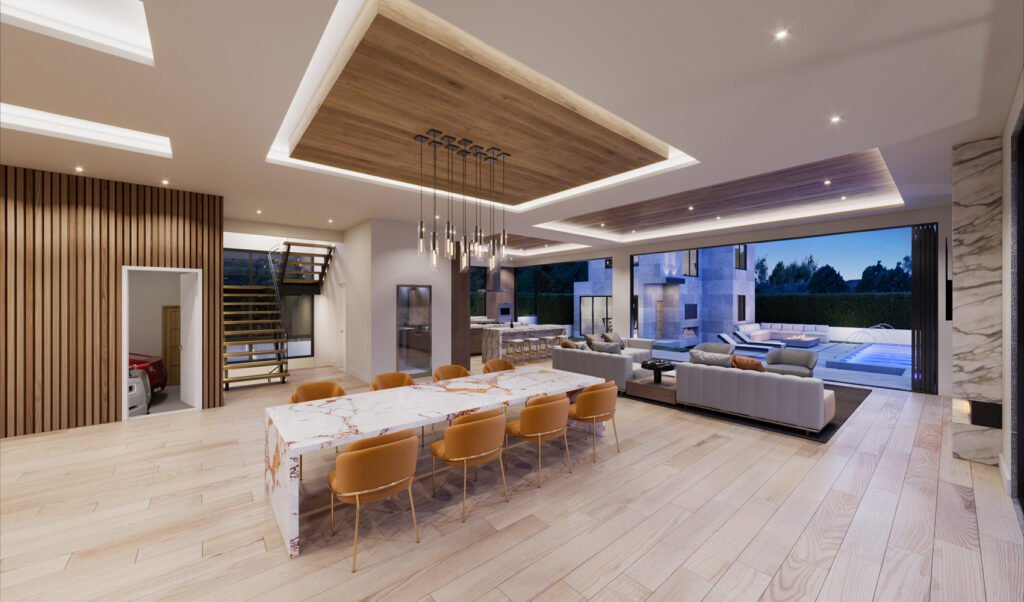
Now, with AI, we can turn a finished still into a short, realistic clip — fast — as long as the camera move stays subtle (pan, tilt, gentle dolly/parallax).

In product sales, first impressions matter — and visuals usually make them. But when you’re selling something complex or premium, a standard photo won’t cut it. Buyers need to see how your product works, what sets it apart, and why it’s worth the investment.
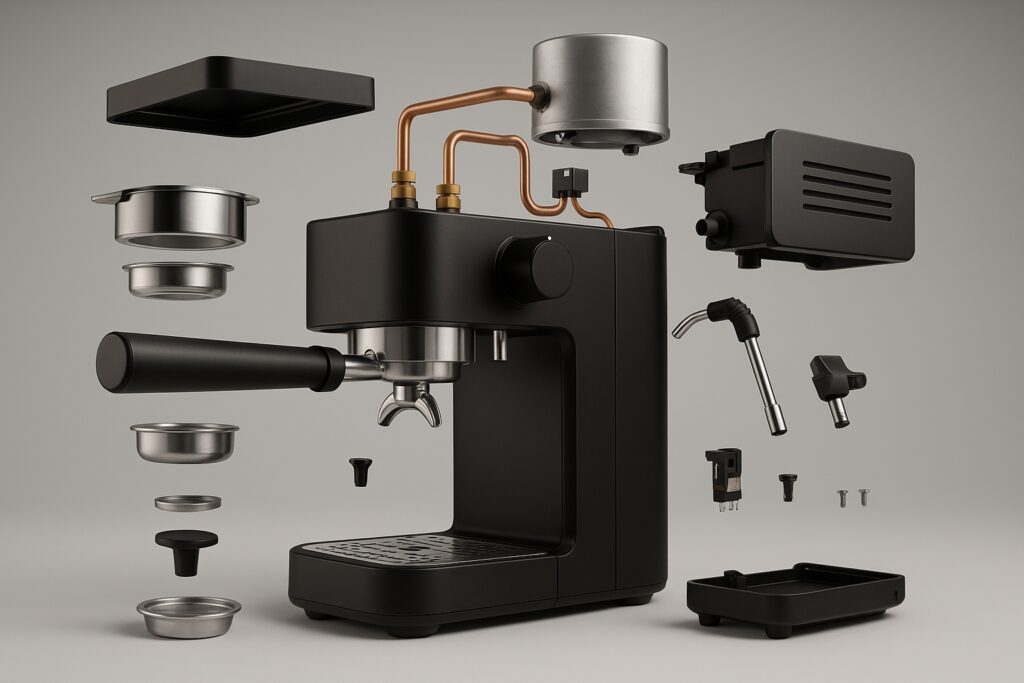
Exploded view renderings are everywhere today — from technical manuals and investor decks to sleek product pages and high-end sales presentations. But what exactly are they?
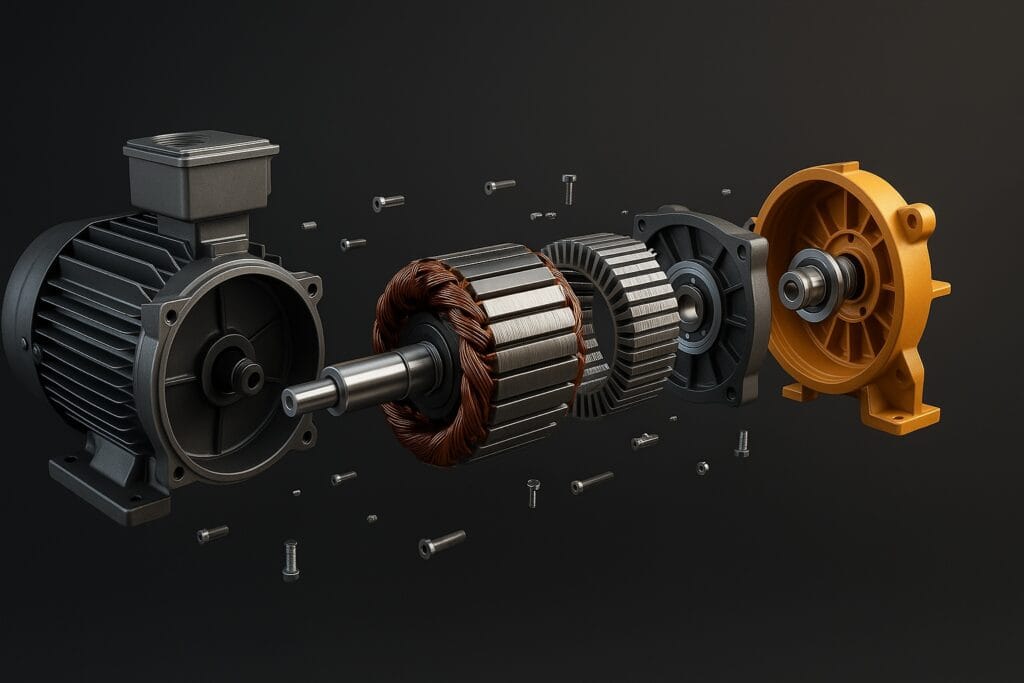
That’s where exploded view renderings come in. These visuals break a product into its individual components while keeping structure and scale intact. For mechanical products especially, this format reveals how parts interact, how systems are built, and how functionality is achieved — all without overwhelming the viewer.
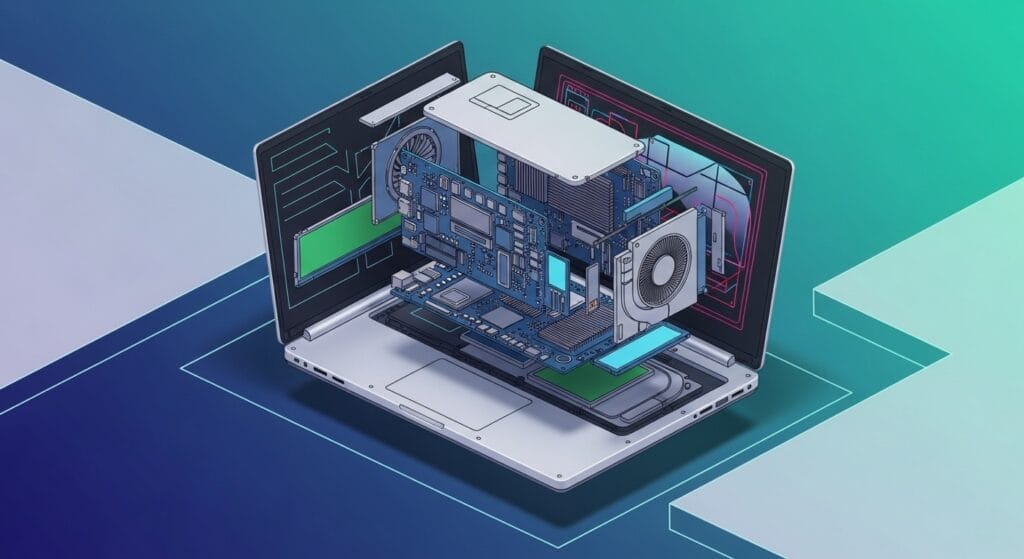
Unlike photorealistic renders, these visuals aren’t about atmosphere or mood. They’re about communication. That’s why they’ve become a go-to in design decks, UX documentation, investor presentations, and even AR guides.