Skip to content

Pre-sales are one of the most important stages in pre-sale real estate development.
They allow developers to secure interest, capital, and early commitments before construction is completed—and often before it begins.
In simple terms, pre-sales mean you are selling future units ahead of delivery.
This applies across the board:
- preconstruction homes
- presale condos
- new home presales
- townhome or mixed-use units still in design
For developers, the purpose of pre-sales is not just to “sell early.”
It’s to validate demand, unlock financing, and reduce exposure long before a project reaches the market.
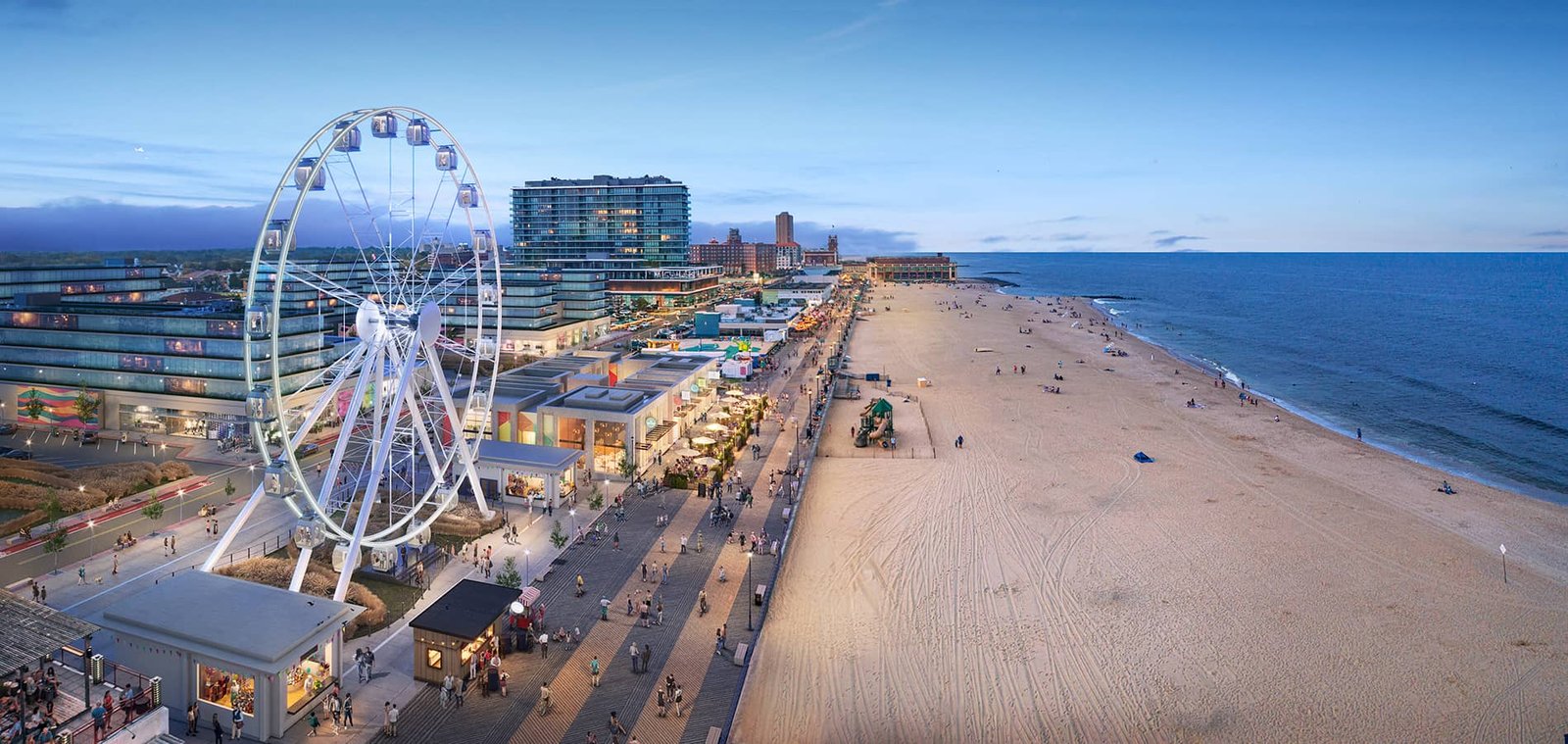
At this stage, clarity becomes essential—buyers need to see what they’re reserving, which is why developers increasingly rely on high-impact 3d rendering services to communicate scale, design intent, and value before construction begins.
Here’s what pre-sales deliver for developers:
1. Financing Power
Deposits help demonstrate buyer demand and support construction loans, reducing reliance on early-stage capital.
2. Market Validation
Pre-sales prove that the concept, price point, and product mix resonate with buyers—long before full build-out.
3. Cash Flow Stability
Early revenue streams strengthen financial planning and allow for smoother construction phasing.
4. Risk Reduction
The more units that sell early, the less risk remains at the end of the development cycle.
While buyers see pre-sales as an opportunity to secure lower pricing or customize finishes, developers use them as a financial and strategic engine.
Pre-sales are now a core part of how modern development projects
move from concept → financing → construction → launch.
Key Takeaways
-
Why pre-sales matter more than ever in 2026 for financing, validation, and risk reduction.
-
The complete developer visualization toolkit—renderings, animations, VR, and digital assets required to sell before construction.
-
A step-by-step pre-sales funnel used by top developers to move from concept → visualization → launch → deposits.
-
How visuals influence buyer confidence, lender conversations, and approval speed.
-
Common developer mistakes that slow absorption (and how to avoid them).
-
What developers must prepare before launching pre-sales to accelerate reservations and strengthen pricing power.
Why Pre-Sales Are Critical for Developers in 2026
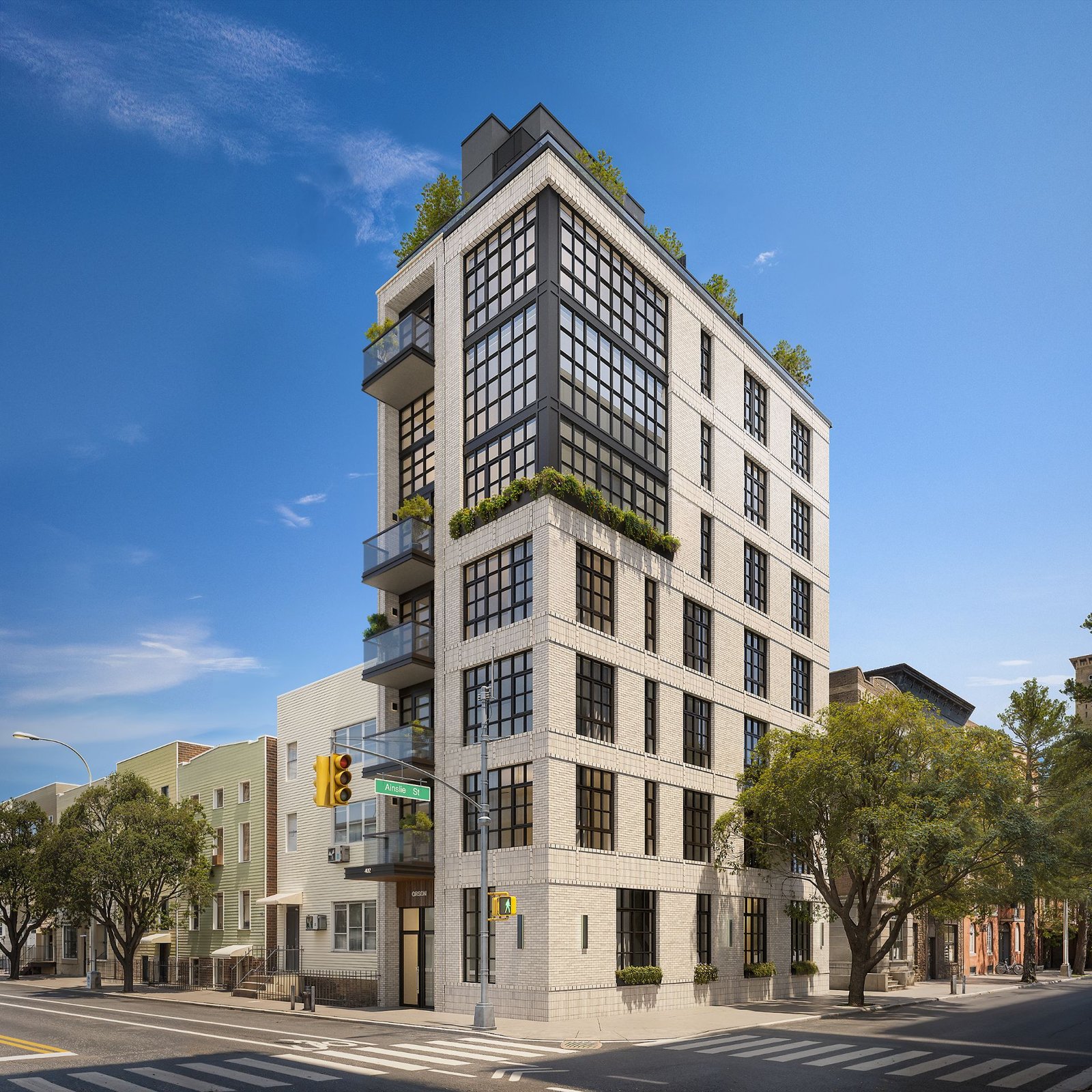
Pre-sales have always mattered, but in 2026 they’ve become a non-negotiable part of real estate development.
Developers face higher borrowing costs, stricter lending criteria, and a buyer pool that demands clarity long before construction is complete.
In this environment, pre-sales are not just helpful—they are essential for project viability.
Here’s why they carry so much weight in pre-sale real estate development today:
1. Elevated Construction & Financing Costs
Material prices and labor costs remain high.
As budgets tighten, developers are increasingly focused on predictable visualization investment, often referencing guides like our cost of renderings to plan early-stage pre-sales assets with confidence.
A strong pre-sales phase unlocks:
- better lending terms
- lower perceived risk
- reduced upfront capital exposure
2. Rapid Market Validation Before Commitments Become Expensive
Pre-sales reveal whether unit layouts, amenity packages, and pricing resonate with buyers.
If adjustments are needed, developers can refine the project before construction becomes too costly to change.
3. Buyers Expect Full Visual Clarity Before They Commit
In 2026, no one buys off-plan on imagination alone.
Developers must present:
These tools are now standard, not optional.
4. Reduced Delivery Risk in a Volatile Market
The more units reserved early, the fewer surprises a developer faces when the building completes.
Pre-sales stabilize revenue and create a buffer against interest-rate shifts or slower market conditions.
5. Improved Cash Flow Through the Entire Development Cycle
Deposits help fund early construction phases.
This smooths the cash-flow curve and reduces reliance on expensive short-term financing.
In 2026, pre-sales function as:
- a financial instrument,
- a market signal,
- a construction risk reducer,
- and a core part of the developer’s sales strategy.
Without pre-sales, developers simply face too much uncertainty.
The Complete Developer Pre-Sales Toolkit

Pre-sales succeed when buyers can clearly understand the product long before construction finishes.
And in 2026, that clarity comes from high-quality visual assets and digital experiences that make a future building feel real.
Below is the full toolkit developers rely on to drive early absorption, gain lender confidence, and reduce sales risk before completion.
3.1 High-Impact 3D Renderings (Developer-Grade Visuals)
3D renderings are the foundation of every pre-sales campaign.
They help buyers understand scale, finishes, natural light, and the overall character of a future unit or building.
Developers use renderings to:
- attract early interest
- support lender and investor decks
- drive digital campaigns
- reduce buyer uncertainty
- improve conversion on landing pages
High-spec exteriors and interiors also increase click-through rates on ads, social campaigns, and third-party listing portals.
Rising construction expenses continue to impact developer margins nationwide, reinforced by NAHB’s latest reporting on housing construction costs.
Developers focused on townhouses and boutique condos benefit even more — precise façade composition and lighting can dramatically elevate perceived value.
3.2 Architectural Animations (Movement, Story, and Emotional Impact)
Animations let buyers and investors understand a development as a lived experience, not just a static asset.
They showcase:
- arrival sequences
- lobby flow
- amenity circulation
- unit transitions
- lifestyle storytelling
Animations are especially effective for:
- luxury pre-sales
- boutique buildings
- mixed-use developments
- projects requiring narrative or emotion
In pre-sales, motion = momentum.
Animation helps buyers believe in a building long before it exists.
3.3 VR Walkthroughs (Remote Buyers + Board Approvals)
Virtual reality has moved from “innovation” to core developer infrastructure.
Developers now rely on VR for:
- off-plan buying
- remote investor walkthroughs
- community board and planning presentations
- absorption-rate acceleration
- reducing the need for physical show suites
A VR walkthrough shows buyers exactly what they are reserving—even if they are in a different city or country.
It also helps eliminate objections around layout, sightlines, and natural lighting.
NAR’s annual reports confirm the rise in buyer expectations in new construction, especially around understanding a home’s layout and natural light before committing.
For permitting, VR gives boards a transparent view of massing, context, and neighborhood fit.
3.4 Developer Pre-Sales Landing Pages (Digital Sales Infrastructure)
Even the best visuals fail without a strong digital container.
That’s where developer landing pages come in.
A high-performing pre-sales landing page includes:
- headline value proposition
- rendering and animation showcase
- VR walkthrough preview
- interactive unit mix
- floor plan previews
- map / transit context
- amenity highlights
- lead-capture forms
- automated follow-up sequences
Developers often underestimate how much these pages influence lender confidence, broker engagement, and deposit velocity.
3.5 Investor & Lender Pitch Materials (Where Visuals Matter Most)
A strong pre-sales campaign begins long before buyers enter the picture.
Developers need investor-grade visuals to raise capital, secure lending, and validate feasibility.
These packets typically include:
- hero exterior renderings
- amenity overviews
- architectural animation snippets
- phasing diagrams
- pro forma summaries
- risk profiles
- site plans
- massing context visuals
The right visuals shorten negotiation cycles and increase perceived project viability.
3.6 The Unified Effect: Build Trust Before the Building Exists
When renderings, animations, VR, and landing pages work together, developers can:
- launch pre-sales earlier
- capture deposits faster
- gain stronger broker engagement
- reduce friction in the buyer journey
- improve investor confidence
- streamline approvals
This toolkit de-risks the entire development cycle, from concept to completion.
The Developer Pre-Sales Funnel (Concept → Visualization → Launch → Deposits)

Every successful pre-sales campaign follows a predictable path.
Developers who control this sequence sell earlier, reduce risk, and maintain stronger pricing power throughout construction.
Below is the developer pre-sales funnel — the same structure used by top builders to secure financing, gain early commitments, and accelerate absorption.
4.1 Stage One — Concept → Visualization
This is where a project becomes sellable.
Developers move from raw plans and massing studies into visuals that buyers can actually understand.
This stage includes:
- hero exterior renderings
- interior concept development
- VR-ready spatial models
- façade and massing refinement
Once the visuals exist, the building becomes real enough to pitch to lenders, brokers, and early buyers.
Visualization is the bridge between design and sales.
Early visualization aligns perfectly with ULI’s research on emerging real estate development trends, which consistently highlights the importance of clarity during early design phases.”
4.2 Stage Two — Visualization → Marketing Launch
With core visuals approved, developers begin their early-market rollout.
This is where the campaign gains momentum:
- landing page development
- unit mix previews
- early broker presentations
- teaser animations
- email sequences
- social and paid traffic testing
The goal is simple:
Build demand before reservations open.
Developers who skip this stage end up launching to a cold market — often losing weeks or months of absorption.
4.3 Stage Three — Marketing Launch → Buyer Education
Now the visuals do the heavy lifting.
Buyers learn:
- what the units look like
- how the building feels
- what the lifestyle offers
- how the layout suits their needs
- how the amenity package stacks up
This is the psychological phase of pre-sales.
Renderings, animations, and VR remove uncertainty and help buyers form an emotional attachment to a building that doesn’t exist yet.
Strong buyer education = higher reservation rates.
4.4 Stage Four — Buyer Education → Reservation Deposits
This is where pre-sales convert into capital.
Developers use:
- guided walkthroughs
- amenity-focused presentations
- VR tours
- interior mood boards
- final pricing sheets
- early-bird incentives
When buyers feel clarity and confidence, deposits happen faster.
This stage is where visual quality directly influences your capital flow.
A developer who controls the funnel gains:
- earlier revenue
- stronger lender confidence
- a faster path to construction start
- a more stable pro forma
The developer who doesn’t… waits.
How Renderings Drive Pre-Sales Success (Backed by Real Developer Outcomes)
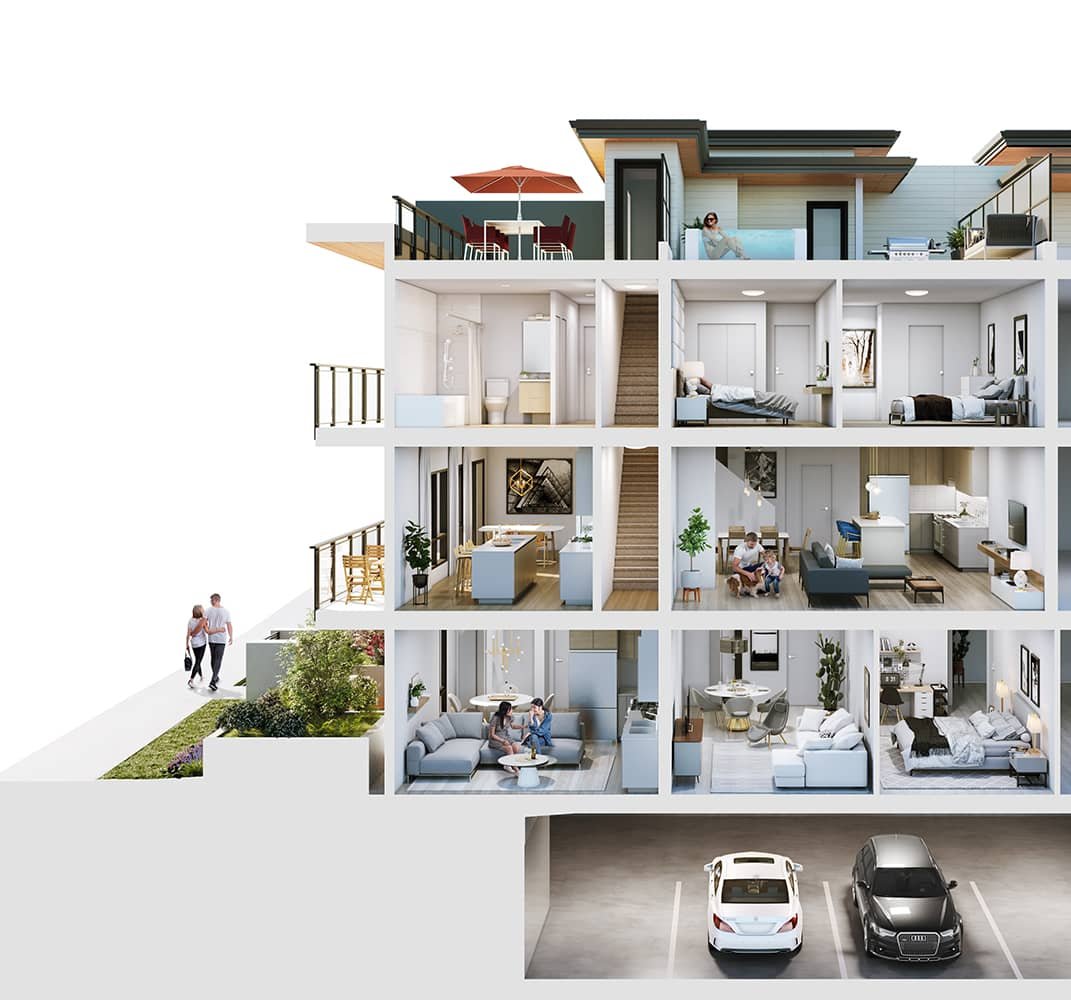
High-quality visuals are no longer marketing extras—they’re core financial assets in pre-sale real estate development.
Developers rely on renderings to speed up absorption, improve investor confidence, and reduce uncertainty at every stage of the build.
Here’s how they directly influence project performance.
5.1 Renderings Help Developers Sell Earlier
Buyers won’t reserve a unit they can’t understand.
Renderings make the unbuilt feel tangible, helping projects launch pre-sales months earlier than traditional timelines.
Earlier launch = earlier deposits = earlier construction.
5.2 They Reduce Buyer Objections and Decision Friction
Most off-plan hesitation comes from uncertainty:
- “Will the light be good?”
- “How big does that layout actually feel?”
- “What will my view look like?”
Renderings turn doubt into clarity.
Clearer decisions mean faster reservations.
5.3 They Improve Digital Campaign Performance
Paid ads, social content, and listing platforms rely heavily on visuals.
Better renderings deliver:
- higher click-through rates
- better lead quality
- lower cost per lead
- stronger remarketing performance
This increases the ROI of every marketing dollar.
5.4 They Strengthen Investor and Lender Confidence
Investors don’t respond to sketches.
They respond to a believable building.
A strong hero rendering can:
- shorten investor negotiation cycles
- support higher valuations
- validate feasibility
- accelerate loan approval
Visuals make the financial story real.
McKinsey highlights persistent developer productivity challenges, many of which stem from unclear early-stage communication—precisely what visual assets are designed to solve.”
5.5 Renderings Speed Up Approval Conversations
Planning boards and community boards approve faster when:
- massing is clear
- context is accurate
- materials feel believable
- the building “fits” the neighborhood
Developers who rely solely on technical drawings often face more questions and delays.
Renderings simplify approvals.
5.6 They Create Pricing Power
When a buyer feels the value of a home, they accept the price more easily.
Renderings elevate perceived value through:
- premium façade composition
- strong lighting
- lifestyle cues
- amenity storytelling
Higher perceived value → stronger pricing → stronger margins.
5.7 They Support a Faster, More Confident Sales Cycle
When buyers clearly understand the product, everything moves faster:
- fewer revisions
- fewer drop-offs
- fewer second-guessing emails
- stronger broker engagement
- earlier commitments
- higher absorption rate
In 2026, renderings are the backbone of pre-sales success.
They help developers sell faster, earlier, and with far less risk.
Developer Pre-Sales Examples (How Visuals Accelerate Real Projects)
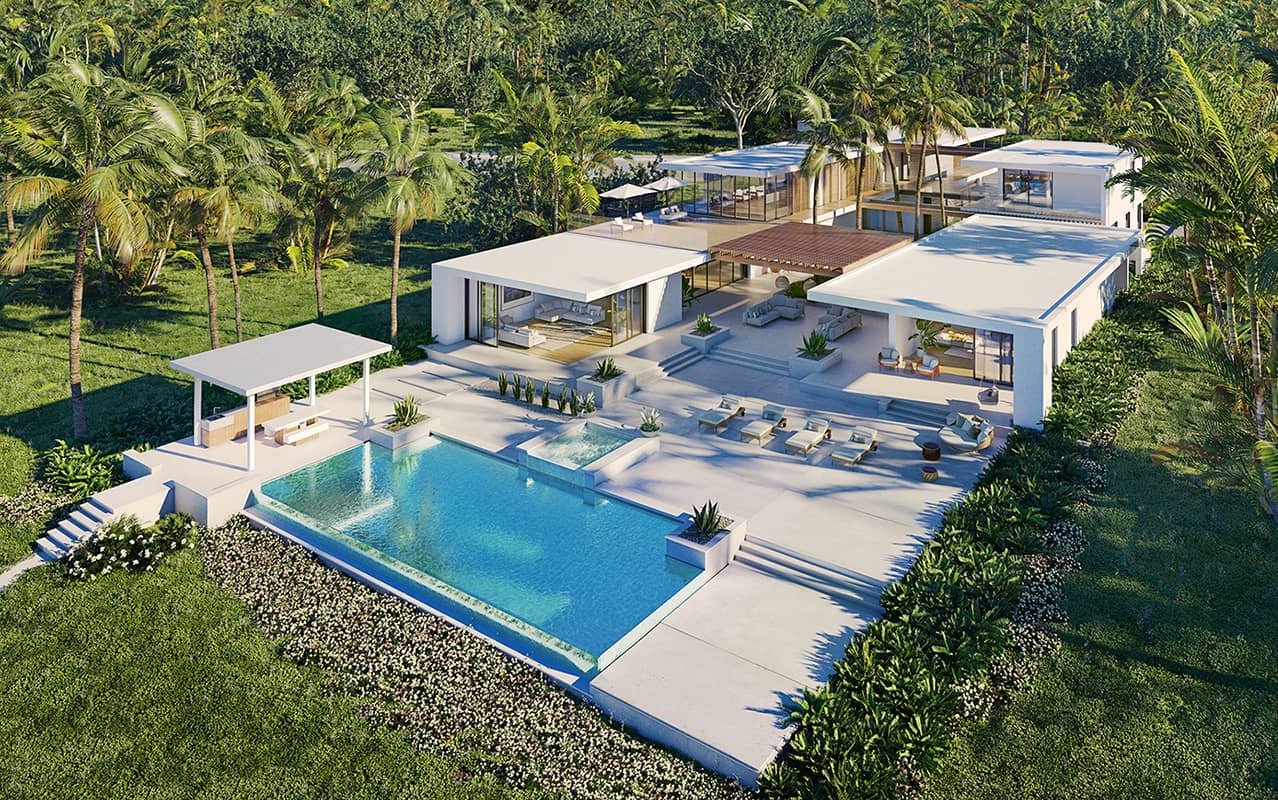
Developers use visualization to align financing, accelerate early absorption, and remove uncertainty long before construction begins.
Here are a few streamlined examples showing how this plays out in real projects—without going into full case-study detail.
Example 1 — Boutique Townhouse Development Requiring Early Investor Buy-In
A developer needed to raise capital for a high-end townhouse project before finalizing their lender package.
A single hero rendering, paired with a concise animation sequence, allowed investors to understand scale, façade character, and neighborhood fit.
Outcome:
- faster capital commitments
- stronger lender discussions
- clearer design direction for the architect
Example 2 — Mixed-Use Building Launching Pre-Sales Without a Show Suite
The developer wanted to launch pre-sales months before the model unit was ready.
Photorealistic interior renderings and a VR walkthrough replaced the need for a physical show suite during the early stage.
Outcome:
- early reservations before construction milestones
- higher-quality buyer leads
- reduced marketing overhead
Example 3 — Condo Development Using Animation to Sell Lifestyle, Not Just Layouts
In a competitive urban market, the developer needed more than static images to differentiate their building.
A short, cinematic architectural animation highlighted arrival experience, amenities, and skyline views.
Outcome:
- higher conversion from paid campaigns
- stronger emotional engagement
- improved perceived value and pricing power
Example 4 — Townhouse Redevelopment Requiring Community Board Buy-In
The project required approval from a local planning board.
Contextual exterior renderings demonstrated scale, proportion, and streetscape integration.
Outcome:
- smoother approval process
- fewer revision rounds
- clear communication with stakeholders
Example 5 — Early-Stage Massing Study Refined Into a Sellable Vision
The developer began with only massing diagrams and early sketches.
Through iterative white models and façade studies, the project evolved into a premium, investor-ready concept.
Outcome:
- a unified design direction
- a viable marketing narrative
- accelerated pitch readiness
Why These Examples Matter
Every developer scenario is different.
But the pattern remains the same:
Strong visuals accelerate financing, approvals, and pre-sales.
Weak visuals delay them.
This section signals experience to Google without listing formal case study URLs, keeping your SEO cluster clean and targeted.
Common Developer Pre-Sales Mistakes (And How to Avoid Them)

Most pre-sales delays don’t come from the market.
They come from preventable decisions early in the visualization process.
Developers who understand these pitfalls move faster, secure deposits earlier, and avoid expensive redesign cycles.
Here are the most common mistakes—and how to avoid them.
1. Starting Visualization Too Late
Developers often wait until design is “final” before commissioning renderings.
By then, it’s too late to adjust layouts, lighting, or finishes based on buyer response.
Avoid it:
Start visualization during schematic or design development.
This allows the visuals to shape the product, not just illustrate it.
2. Using Low-Quality or Inconsistent Renderings
Buyers can instantly tell when visuals are mismatched or low-fidelity.
This damages perceived value and slows absorption.
Avoid it:
Use consistent lighting, materials, and camera angles across all visual assets.
Consistency builds trust.
3. Trying to Sell Without a Clear Story
A façade rendering alone won’t convert buyers or investors.
Developers need a narrative that explains lifestyle, design intent, and differentiation.
Avoid it:
Use animations, VR, amenity visuals, and unit showcases to build emotional engagement.
4. Overcomplicating the Pre-Sales Landing Page
Developers often overload pages with floor plans and PDFs, but forget clarity and conversion.
Avoid it:
Your landing page needs three outcomes:
- explain the vision
- show the experience
- capture the lead
Everything else supports these goals.
5. Not Using Visualization for Approvals
Planning boards and community groups often slow projects because they can’t understand technical drawings.
Avoid it:
Use accurate massing renderings and contextual visuals to streamline presentations and reduce pushback.
6. Forgetting the Broker Experience
Brokers sell faster when they have visuals that answer buyer questions.
If they don’t have these tools, pre-sales stall.
Avoid it:
Equip brokers with:
- a hero rendering
- interior teasers
- a short animation
- basic VR walkthrough previews
Brokers sell the building—make it easy for them.
7. Launching Without VR or a Strong Interior Mix
In 2026, buyers expect to walk through a unit, even if it’s digital.
Developers who skip VR lose remote buyers, overseas buyers, and early reservations.
Avoid it:
Pair your core renderings with a lightweight VR model to improve buyer clarity and engagement.
8. Not Planning a Visualization Roadmap
Developers often order visuals piecemeal, which leads to inconsistent design direction and longer timelines.
Avoid it:
Create a structured visualization roadmap:
concept → white models → renderings → animation → VR → landing page → launch
It saves time and reduces costs.
Why These Mistakes Matter
Most delays are avoidable.
Developers who plan their pre-sales toolkit early—renderings, animation, VR, landing pages—gain:
- cleaner approvals
- earlier deposits
- stronger pricing
- faster absorption
- reduced financial risk
Visualization isn’t just a marketing expense.
It’s one of the strongest risk-reduction tools in modern development.
Pre-Sales Checklist for Developers
Successful pre-sales depend on clarity, timing, and the right visual strategy.
Use this checklist to ensure your project is ready to launch early—and convert confidently.
Developer Pre-Sales Checklist
Planning & Positioning
- ☐ Defined target buyer profiles (local, overseas, investor, downsizer)
- ☐ Clear pricing strategy and unit mix
- ☐ Amenity strategy aligned with buyer expectations
- ☐ Market comparables reviewed and validated
Visualization Essentials
- ☐ Hero exterior rendering (street-facing, context-aware)
- ☐ Key interior renderings for primary unit types
- ☐ Amenity and rooftop visuals (if applicable)
- ☐ White-model iterations to refine massing and layout
- ☐ VR walkthrough or interactive model for clarity
- ☐ 15–30 sec animation for digital campaigns
Digital Pre-Sales Infrastructure
- ☐ High-conversion landing page
- ☐ Lead-capture form with automated follow-up
- ☐ Interactive floor plans or unit browser
- ☐ Map + neighborhood context section
- ☐ Mobile-first, ADA-friendly layout
Marketing Assets
- ☐ Paid ads creative set (social + search)
- ☐ Email sequence for early interest
- ☐ Broker presentation kit
- ☐ Lifestyle imagery + copy for campaigns
- ☐ Versioned assets for different buyer groups
Investor + Lender Materials
- ☐ Renderings included in pitch deck
- ☐ Market feasibility summary
- ☐ Phasing and construction timeline visuals
- ☐ Contextual massing studies
- ☐ Risk profile and absorption strategy
Approval Preparation
- ☐ Contextual exterior rendering for board reviews
- ☐ Streetscape integration visuals
- ☐ Shadow and massing diagrams
- ☐ Visual summaries for community meetings
Launch Readiness
- ☐ Broker training session completed
- ☐ Lead pipeline tested
- ☐ VR + animation embedded into presentations
- ☐ Pricing sheets and upgrade packages aligned
- ☐ Deposit collection process finalized
What This Checklist Guarantees
Developers who follow this structure launch with:
- fewer design revisions
- faster buyer commitments
- stronger lender confidence
- clearer market feedback
- reduced project risk
Pre-sales succeed when developers give buyers and investors everything they need to believe in the building before it exists.
Conclusion — Pre-Sales Succeed When Developers Control the Vision Early
In 2026, real estate development moves fast—and buyers move even faster.
Developers who rely on high-quality visualization gain earlier deposits, stronger lender confidence, and far less project risk.
Renderings, animations, VR, and strong landing pages aren’t just marketing tools.
They’re the backbone of pre-sale real estate development.
They help you:
- sell earlier
- validate demand
- reduce objections
- streamline approvals
- strengthen investor interest
- improve the entire development lifecycle
The Developer Pre-Sales Toolkit exists to do one thing:
turn a future building into a product buyers and investors trust—before construction begins.
If your next development needs early momentum, clarity, or investor-grade visuals, our team can help you launch with confidence.
FAQs
Pre-sale real estate development means selling units before construction is complete. Developers use pre-sales to validate demand, secure financing, build early cash flow, and reduce project risk.
Higher construction costs, stricter lending, and stronger buyer expectations make early commitments essential. Pre-sales help developers secure better loan terms and stabilize cash flow.
The core toolkit includes 3D renderings, architectural animations, VR walkthroughs, and high-conversion landing pages. These help buyers understand the vision earlier.
Renderings remove uncertainty by showing layouts, finishes, and lighting clearly. This helps developers open pre-sales months earlier and secure faster commitments.
Yes. Animations tell the lifestyle story and improve conversion in pre-sales campaigns by showing movement, amenities, and spatial experience.
VR helps buyers understand units remotely, especially overseas buyers. It also supports planning boards and investor presentations.
Common issues include late visualization, inconsistent renderings, unclear design direction, weak landing pages, and not equipping brokers with the right assets.
Work With NoTriangle Studio
We partner with developers across the U.S. and internationally to create visuals that support:
- investor pitches
- zoning and approvals
- pre-sales launches
- digital marketing campaigns
- broker enablement
- lender presentations
Our Core Services:
- 3D Exterior Rendering
- Townhouse Rendering Packages
- Architectural Animation
- VR Walkthroughs for Real Estate
- Full Developer Visualization Roadmaps
Ready to accelerate your next development?
Let’s build your pre-sales strategy together.