Skip to content
Lighting and environment are the two things that decide whether an exterior rendering feels real — or not. They shape the mood, the depth, the emotion, and the way people respond to a design. You can have perfect materials and precise modelling. But without the right lighting and context, the image will still feel flat.
Great lighting tells a story. It highlights the architecture. It creates atmosphere. And it helps buyers, investors and planning teams understand the project instantly. Environment does the same. It shows how the building sits within the real world — the streets, the greenery, the skyline, the surrounding homes.
If you’re new to these concepts, start with our guide: How to Create High-Quality 3D Photorealistic Renderings.
Or see the basics in What Is 3D Exterior Rendering?
Let’s break down why lighting and environment matter more than most people realise.
Key Takeaways
- Lighting controls mood, realism and depth in every exterior render.
- Time of day dramatically changes how a design feels.
- Realistic environment builds trust and helps people judge scale and context.
- Weather, shadows and atmosphere elevate the emotional impact.
- These elements drive stronger marketing results and faster approvals.
Why Lighting Matters More Than Anything Else

Lighting is the foundation of exterior rendering. It decides where attention goes. It reveals the shape of the building. And it makes every surface feel believable. Good lighting creates depth and contrast. Poor lighting removes both — and the entire design suffers.
Chaos Group puts it simply:
“Lighting and shadows are foundational elements that give depth and realism to architectural renderings.”
PlusRender also stresses the same point:
“Lighting plays a massive role … because it showcases the full potential of a building under different degrees of brightness and illumination.”
When marketers, investors or buyers look at a rendering, they respond emotionally first. Their brain takes in the scene based on light and atmosphere before anything else. That’s why strong lighting makes a project look premium — and weak lighting makes even a great design feel dull.
If you need a refresher on core principles, see 3D Rendering Basics.
Daylight, Dusk & Night — How Time of Day Transforms Your Visuals
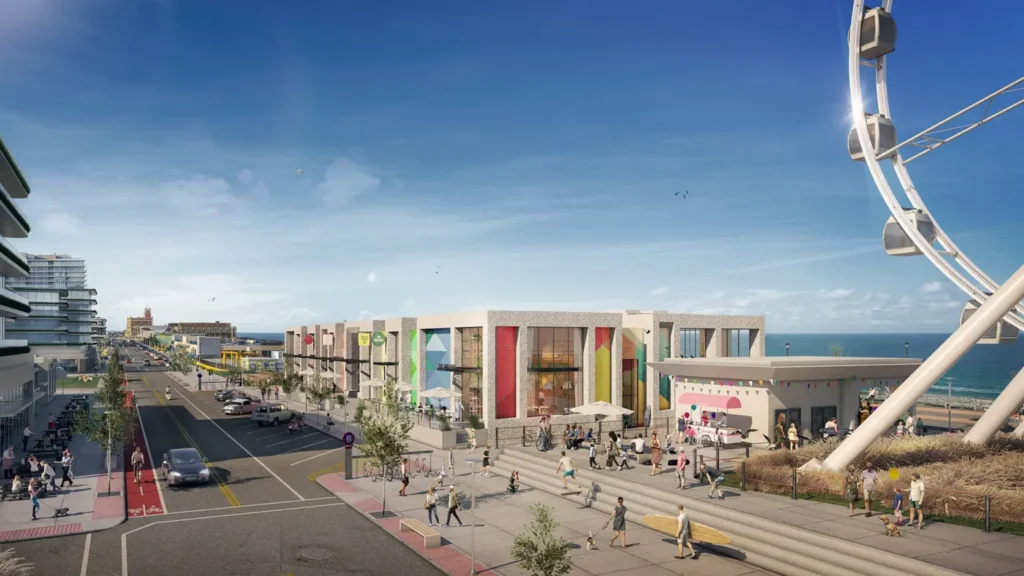
Time of day changes the entire mood of a rendering. It affects how warm, dramatic, premium or neutral a project feels. This is why exterior CGI often needs multiple lighting setups — each one tells a different story.
Daylight
Daylight is clean and honest. It shows the architecture clearly. Materials look accurate. Lines look sharp. This setting works well for brochures, property portals and websites where clarity matters.
Golden Hour
Golden hour is emotional. The warm sunlight softens the scene and makes the design feel more inviting. Developers use it when they want buyers to “feel” the lifestyle. Think luxury homes, coastal projects, or community spaces with strong visual identity.
Dusk / Night
Dusk is the showstopper. Interiors glow. Streetlights come alive. Reflections and warm tones create a premium, aspirational vibe. Architectural Digest notes that dusk lighting often produces the most visually compelling imagery in architectural marketing — especially for hero renders.
Dusk shots also support investor decks and early pre-sales. They look polished, finished and high-end — even when construction hasn’t started.
If you want to explore the benefits behind these choices, see Top Benefits of 3D Exterior Rendering.
Environmental Context: Urban, Suburban & Natural Settings
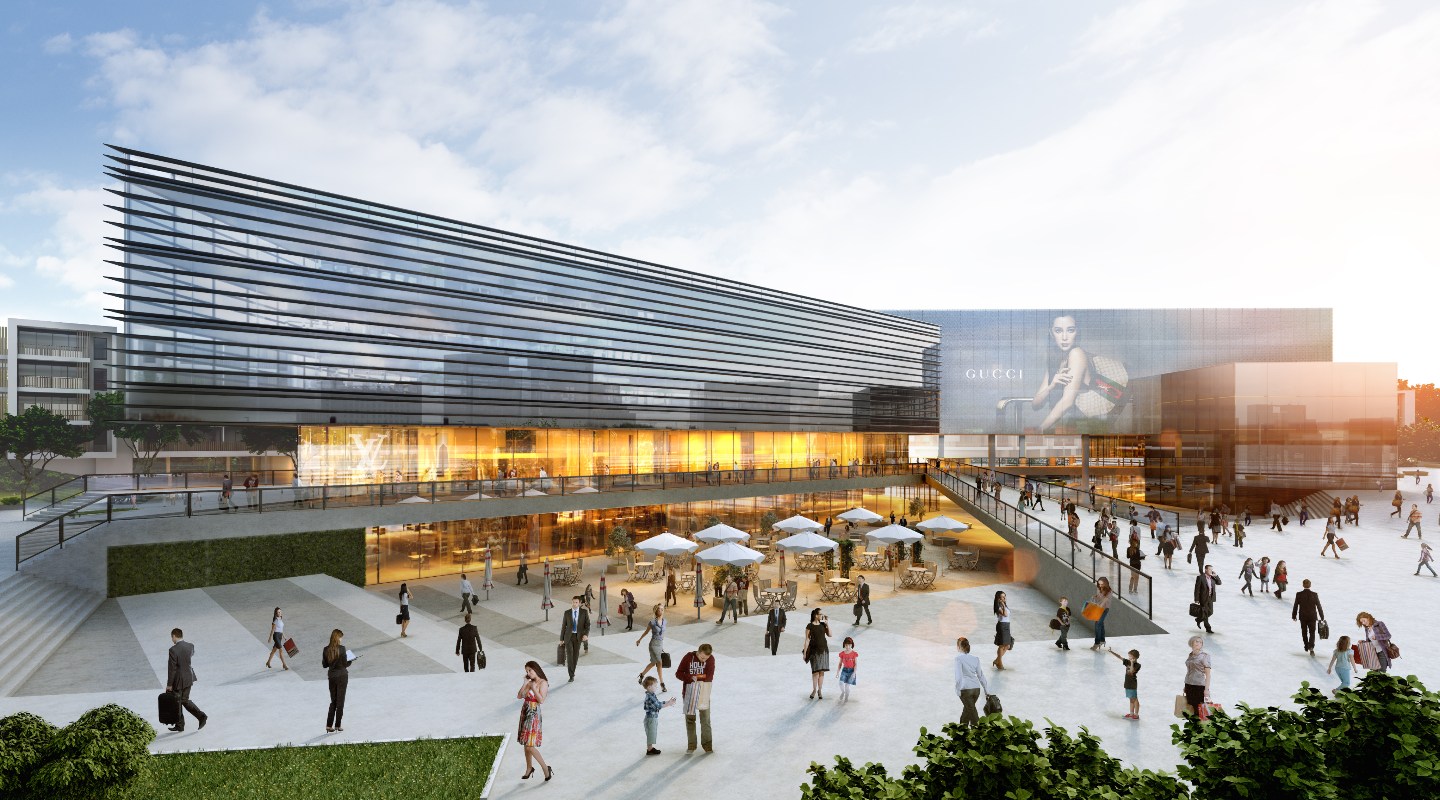
Lighting alone can’t make a render feel real. The environment completes the picture. It shows how the building sits in the world — the streets, the landscape, the neighbouring structures, the sky, the vegetation, the scale.
A believable environment builds trust. It helps buyers understand how the project fits into its surroundings. And it helps planning teams visualise the impact of the development.
Urban context
Urban projects need correct neighbouring buildings, streets, reflections and skyline cues. Hard shadows, signage, pavements and road textures all contribute to realism. When done well, the viewer can immediately “place” the building in its environment.
Suburban context
These scenes rely on softer lighting, trees, wider streets, gardens, driveways and more open space. The environment affects how warm and approachable the development feels.
Natural / Rural context
Landscape matters here. Forest tones, grass variation, water reflections and natural shadows help the building feel integrated, not isolated.
Building Design + Construction highlights this clearly, noting that high-quality visualisation helps viewers understand design intent and contextual impact more accurately than plans alone.
Good environmental context also reduces friction during approvals and public consultations because the visual matches real-world conditions.
If you want to explore project-ready examples, visit our 3D Exterior Rendering Services page.
Weather, Atmosphere & Shadows — Creating Emotional Tone
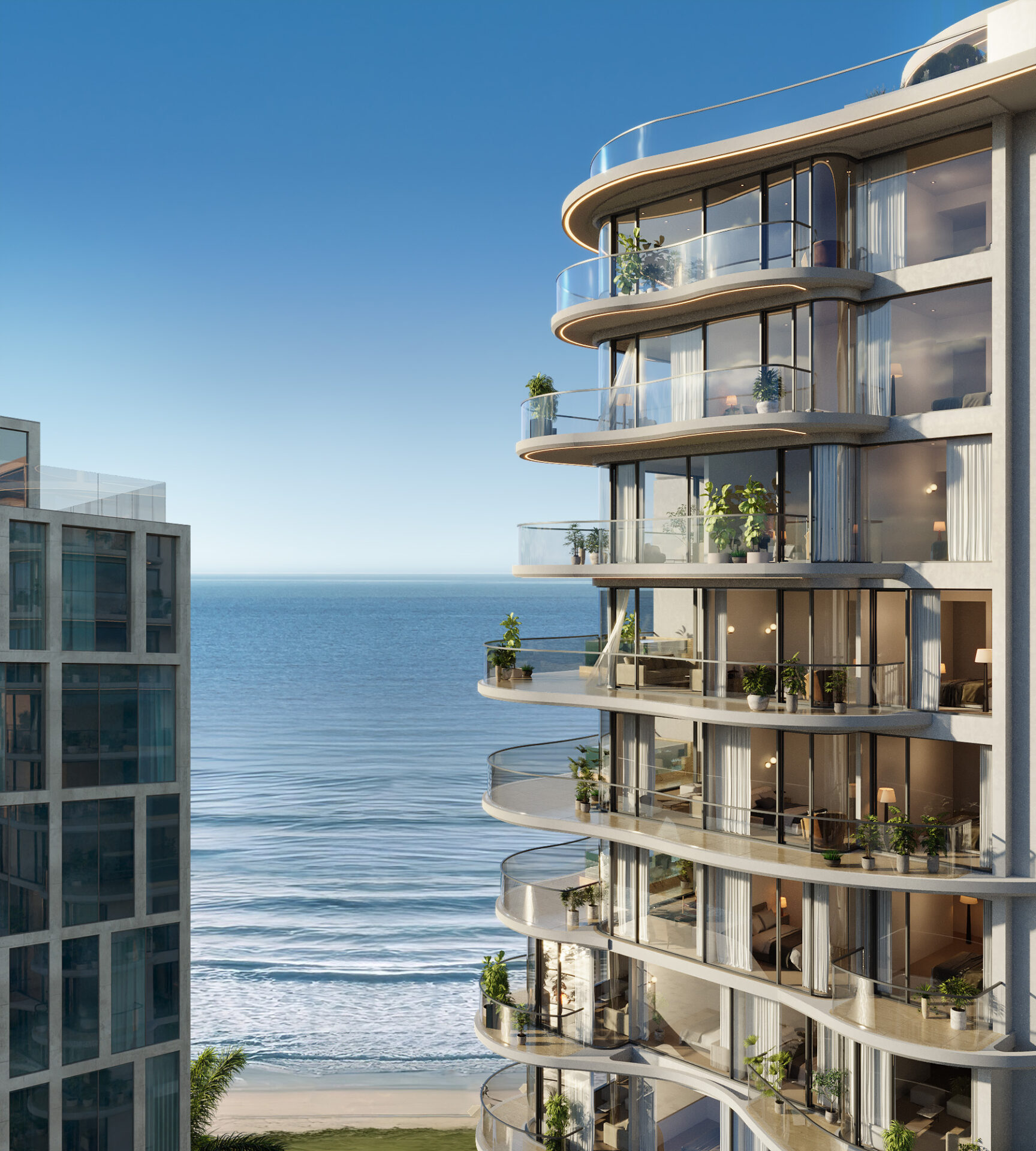
Atmosphere is one of the most powerful tools in exterior rendering. It changes how a viewer feels about the design before they even analyse the architecture. Weather, cloud cover, shadow softness, haze, reflections and sky tone all play a role in shaping that emotional response.
Shadows
Soft shadows create a calm, neutral look. Hard shadows add drama and sharpness. Both are useful — but they create very different moods.
Weather & Sky
A slightly overcast sky makes materials look clean and evenly lit. Bright blue skies feel energetic and optimistic. Golden-hour skies add warmth and emotion. A dusk sky creates mood and premium feel. Each atmosphere has its own marketing purpose.
Haze, Fog & Air Quality
Subtle atmospheric effects can make a rendering feel more photographic. They add depth and help the eye travel through the scene.
There’s strong evidence behind the emotional impact of light.
A systematic review from the International Journal of Architectural Engineering & Urban Planning found that:
“Light significantly affects human physiological and psychological dimensions, particularly emotions.”
This is why atmospheric lighting is so important in property marketing. You’re not just showing a building. You’re shaping how someone feels about living there, investing there or approving it.
For practical rendering tips, see our 3D Rendering Tips guide.
Lighting Techniques Used in Professional Exterior Rendering
Great exterior lighting isn’t an accident. It’s a technical process that uses real-world principles to shape mood, realism and depth. Professional studios rely on a mix of tools, photography methods and simulation settings to make the building feel believable.
HDRI Skies
High-dynamic-range images recreate real sky conditions. They provide realistic light direction, sky reflections and natural colour.
Sun & Sky Systems
These simulate geographical location, sun angle and time of day. Accurate shadows make the architecture feel grounded.
Physical Camera Settings
Exposure, ISO, shutter speed and white balance help control mood. They work just like a real camera.
Kelvin Temperature
Warm light (3000–4000K) feels welcoming. Cooler light (5500–6500K) feels modern and clean. Renderers adjust this to match the intended design style.
Global Illumination
This calculates how light bounces between surfaces. It’s essential for natural, realistic results.
Reflections & Refractions
Glass, water and polished materials need accurate reflection behaviour. It helps the render feel photographic rather than digital.
Chaos Group emphasises how core lighting is to realism:
“Lighting and shadows are foundational elements that give depth and realism to architectural renderings.”
RealRender3D also highlights lighting’s role in image quality:
“Lighting sets the mood, defines depth, and enhances realistic appearance.”
For a deeper breakdown of realism techniques, see How to Create High-Quality 3D Photorealistic Renderings.
How Lighting & Environment Influence Marketing & Sales
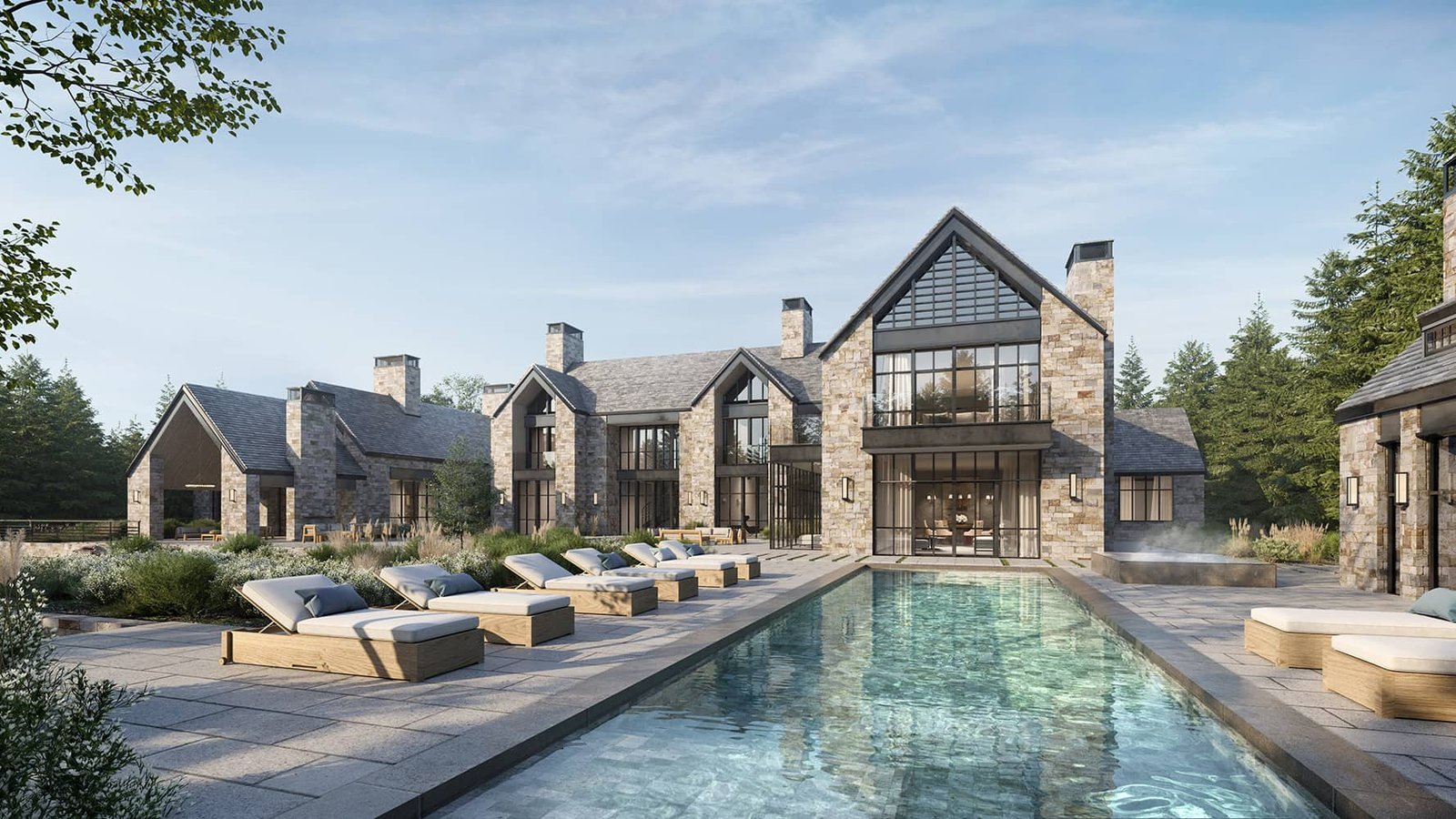
Lighting and environment don’t just affect how a rendering looks.
They affect how people respond to the project.
In marketing, that response is everything.
Strong lighting increases emotional engagement.
A believable environment builds trust.
Together, they help buyers and investors understand the project instantly — without reading a single line of text.
Here’s how they influence performance:
Higher engagement
Warm dusk lighting, glowing interiors and realistic atmosphere stop people scrolling.
They make the project look premium and complete.
Stronger emotional connection
Golden hour scenes feel inviting.
Overcast scenes feel architectural and calm.
Bright daylight feels fresh and modern.
Each mood influences how a potential buyer imagines themselves in the space.
Better investor perception
Investors want clarity.
A well-lit, context-rich image communicates value faster than a plan or diagram.
Improved campaign results
HubSpot’s State of Marketing report shows that rich visual content in campaigns drives 2–3× stronger engagement.
This is why lighting and atmosphere matter as much as accuracy or modelling.
They decide whether someone pays attention — or moves on.
If you want to understand how full CGI pipelines work, see 3D Rendering vs 3D Modeling.
Conclusion: Lighting & Environment Aren’t Optional — They’re Essential
If you want an exterior rendering that feels real, lighting and environment are the starting point.
They shape the mood.
They guide the viewer’s eye.
And they create the emotional connection that makes a project memorable.
Buyers trust visuals that look believable.
Investors engage with designs that feel finished.
Planning teams respond better to images that show true context.
All of this comes from lighting, atmosphere and environmental realism — not just modelling.
Great lighting makes a good design look exceptional.
Great environment makes the entire project feel grounded in the real world.
If you’re ready to elevate your next development, explore our 3D Exterior Rendering Services and see how we bring projects to life long before construction begins.
FAQs
Lighting controls the mood, depth and realism of a render. It decides how materials look, how shadows fall, and how the architecture reads at first glance. Good lighting creates atmosphere and emotional impact. Poor lighting makes even strong designs feel flat or unfinished.
It depends on the mood you want.
Daylight is clean and neutral.
Golden hour feels warm and inviting.
Dusk creates a premium, dramatic look with glowing interiors.
Developers often use a mix of these to support marketing, sales and investor materials.
The environment shows how the building fits into its surroundings. Correct streets, landscaping, sky, vegetation and context help viewers understand scale and setting. Realistic environment builds trust because the project looks grounded in a believable world.
Yes. Sky tone, cloud cover, haze and atmospheric depth all influence mood and realism. A slightly overcast sky looks clean and architectural. A golden-hour sky looks warm and emotional. Dusk skies add drama. Weather helps set the tone of the story you’re telling.
Studios use HDRI skies, sun-and-sky systems, physical camera settings, global illumination and Kelvin temperature controls. These tools recreate natural light behaviour so the render looks photographic rather than digital.
Absolutely. Strong lighting boosts emotional engagement, makes visuals more clickable, and improves buyer confidence. HubSpot reports that rich visual content drives 2–3× higher engagement in marketing campaigns — lighting plays a major role in that lift.
Dusk and golden-hour lighting often perform best. They give the scene a finished, premium feel. Glowing interiors and warm tones make the project look more complete, even if construction hasn’t begun.
Refrences
Chaos — Architectural Rendering Techniques
Lighting and shadows are essential for realism in architectural visualisation.
https://blog.chaos.com/architectural-rendering-techniques
PlusRender — The Importance of Lighting in Architectural Rendering
Explains how lighting showcases the full potential of a building across different brightness and illumination conditions.
https://plusrender.com/importance-of-lighting-in-architectural-rendering
Architectural Digest — Are Photorealistic Renderings Worth It?
Highlights how dusk and atmospheric lighting often deliver higher emotional impact in marketing visuals.
https://www.architecturaldigest.com/story/are-photorealistic-renderings-worth-it
Building Design + Construction — Industry Visualisation Articles
Covers how realistic visualisation improves understanding of design intent and contextual placement.
https://www.bdcnetwork.com
International Journal of Architectural Engineering & Urban Planning
Research review demonstrating the psychological and emotional impact of light on viewers.
https://ijaup.iust.ac.ir/article-1-872-en.pdf
RealRender3D — Lighting Techniques for Realistic Architectural Renders
Practical overview of lighting methods used to enhance realism, depth, and mood.
https://www.realrender3d.co.uk/lighting-techniques-tips-in-creating-realistic-3d-architectural-renders
Journal of Environmental Psychology
Academic publication exploring how lighting and environmental cues shape human perception.
https://en.wikipedia.org/wiki/Journal_of_Environmental_Psychology
(Overview page — links to the journal itself)
HubSpot — State of Marketing Report 2024
Shows the performance impact of rich visual content, reporting 2–3× higher engagement.
https://www.hubspot.com/state-of-marketing
Ready to Bring Your Project to Life?
Lighting and environment are what turn a concept into a powerful visual story.
If you want exterior renderings that feel real, build trust, and help you launch faster, we’re here to help.
Explore our 3D Exterior Rendering Services and see how we create visuals that connect with buyers, investors and planning teams long before construction begins.
Let’s bring your next project to life — beautifully, clearly and convincingly.